

Are you wondering if mulch can really make a difference in your vegetable garden? You might have heard mixed opinions, but understanding how mulch works could change the way you grow your veggies.
Imagine healthier plants, fewer weeds, and less watering—all with a simple layer of mulch. If you want to boost your garden’s success and make your gardening easier, keep reading. This guide will show you exactly why mulch might be one of your garden’s best friends.
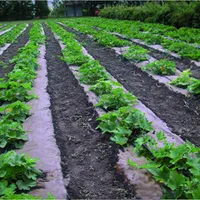
Credit: www.homesandgardens.com
Benefits Of Mulch In Vegetable Gardens
Mulching is a common practice in vegetable gardens. It helps plants grow stronger and healthier. Using mulch offers many benefits that improve garden quality.
This guide explains how mulch helps with moisture, weeds, soil temperature, and soil health.
Moisture Retention
Mulch keeps soil moist by slowing water evaporation. This saves water and reduces the need for frequent watering. Plants get steady moisture to grow well.
Weed Suppression
Mulch blocks sunlight from reaching weed seeds. This stops many weeds from growing. Less weeding means less work and fewer chemicals needed.
- Reduces weed growth by blocking light
- Makes weeding easier and faster
- Helps keep plants healthy by reducing competition
Soil Temperature Regulation
Mulch keeps soil cooler in summer and warmer in winter. This protects roots from extreme temperatures. Plants grow better with stable soil temperatures.
Improved Soil Health
| Benefit | How Mulch Helps |
| Soil Nutrients | Breaks down to add organic matter |
| Soil Structure | Improves aeration and drainage |
| Microbial Life | Supports beneficial bacteria and fungi |
Mulch feeds the soil and supports good organisms. This creates a healthy environment for plants to grow strong.
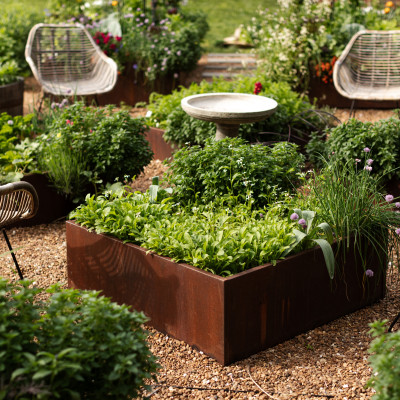
Credit: www.gardenary.com
Types Of Mulch For Vegetables
Mulch helps keep vegetable gardens healthy and productive. It controls weeds, keeps moisture in the soil, and can add nutrients.
There are different types of mulch you can use. Some come from natural materials, and others are made from synthetic products.
Organic Mulches
Organic mulches come from natural plant or animal materials. They break down over time and add nutrients to the soil. Common types include straw, grass clippings, leaves, and compost.
- Straw: Good for keeping soil cool and moist.
- Grass clippings: Add nitrogen but dry fast.
- Leaves: Cheap and easy to find.
- Compost: Improves soil health and adds nutrients.
Inorganic Mulches
Inorganic mulches are made from materials that do not break down quickly. They are good for long-term weed control and moisture retention. Examples include plastic sheets, landscape fabric, and gravel.
| Type | Benefits | Drawbacks |
|---|---|---|
| Plastic Sheets | Keep soil warm and block weeds | Do not add nutrients, can trap too much heat |
| Landscape Fabric | Allows water flow, blocks weeds | Can be expensive, may need replacement |
| Gravel | Long-lasting, good for drainage | Does not improve soil, can be hard to remove |
Choosing The Right Mulch
Choose mulch based on your garden needs and climate. Think about how long you want it to last and if you want it to improve soil.
- Use organic mulch to add nutrients and improve soil.
- Choose inorganic mulch for long-term weed control.
- Avoid mulches that keep soil too wet or dry.
- Consider local availability and cost.
How Mulch Supports Plant Growth
Mulch is a helpful layer placed on soil surfaces in vegetable gardens. It keeps moisture in and helps plants grow strong.
Using mulch improves soil health and protects vegetables from many problems. Let’s look at the key ways mulch supports plant growth.
Nutrient Release
Mulch breaks down slowly and adds nutrients to the soil. This feeds the plants over time and helps them stay healthy.
- Organic mulch like leaves or straw adds nitrogen and carbon.
- It improves soil structure and helps roots absorb nutrients.
- Mulch reduces nutrient loss by stopping soil erosion.
Root Protection
Mulch acts as a blanket for plant roots. It keeps soil temperature steady and stops roots from drying out.
| Benefit | How Mulch Helps |
| Temperature Control | Keeps soil cooler in summer and warmer in winter |
| Moisture Retention | Reduces water loss by slowing evaporation |
| Prevents Damage | Protects roots from harsh weather and mechanical injury |
Pest Control Benefits
Mulch can reduce pest problems in vegetable gardens. It blocks weeds and stops some insects from reaching plants.
Common pest control benefits of mulch include:
- Creating a barrier that stops weed growth
- Reducing soil splash that spreads diseases
- Encouraging beneficial insects that eat pests
Common Mistakes When Mulching
Mulching helps keep your vegetable garden healthy. It controls weeds and holds moisture. But some mistakes can hurt your plants.
Knowing what to avoid will help your garden grow better. Here are some common mulching errors to watch out for.
Over-mulching Risks
Adding too much mulch can cause problems. Thick layers stop air and water from reaching the roots. This can lead to root rot and slow plant growth.
- Too thick mulch traps moisture and causes decay.
- It can attract pests like slugs and rodents.
- Plants may struggle to grow in poor soil air.
- Excess mulch can cause uneven soil temperature.
Using The Wrong Materials
Not all mulch types work well in vegetable gardens. Some materials may add bad chemicals or attract pests. Avoid using mulch that can harm your plants.
| Mulch Type | Good for Vegetables? | Notes |
| Straw | Yes | Light and breaks down well |
| Wood Chips | No | Can tie up nitrogen in soil |
| Newspaper | Yes | Good weed barrier but use thin layers |
| Grass Clippings | Yes | Use fresh, avoid seed heads |
| Colored Mulch | No | May contain chemicals harmful to plants |
Timing And Application Tips
Applying mulch at the wrong time or in the wrong way can reduce its benefits. Follow these tips to mulch properly.
- Apply mulch after soil warms in spring.
- Keep mulch 2-3 inches thick for best results.
- Leave space around plant stems to prevent rot.
- Refresh mulch layers as they break down.
- Water soil before and after mulching.
Mulching Techniques For Vegetable Gardens
Mulching helps protect soil and plants in vegetable gardens. It keeps moisture in and stops weeds from growing.
Using the right mulching technique can improve your garden’s health and yield. Learn simple ways to mulch effectively.
Layering Methods
Layering mulch means putting down materials in a certain order. Start with a thin layer of cardboard or newspaper to block weeds.
Next, add organic material like straw, leaves, or grass clippings. This helps keep soil moist and adds nutrients as it breaks down.
- Base layer blocks weeds
- Top layer keeps moisture and adds nutrients
- Use materials that break down slowly
Spacing Considerations
Leave space around plant stems when mulching. This stops rot and allows air to reach the plants.
Avoid piling mulch too thick. About 2 to 3 inches is best to keep soil moist without suffocating roots.
- Keep mulch 2-3 inches thick
- Leave 1-2 inches of space around stems
- Check mulch regularly for compacting
Seasonal Adjustments
Change your mulch type depending on the season. Use straw or leaves in fall to protect roots from cold.
In summer, thin mulch layers help keep soil cool and prevent drying out. Remove old mulch in spring to prepare for planting.
- Fall: thick mulch for insulation
- Summer: thinner mulch for cooling
- Spring: remove old mulch before planting

Credit: www.reddit.com
Frequently Asked Questions
What Are The Benefits Of Mulch In A Vegetable Garden?
Mulch helps retain soil moisture, suppresses weeds, and regulates soil temperature. It also adds organic matter, improving soil health and boosting vegetable growth.
Can Mulch Prevent Soil Erosion In Vegetable Gardens?
Yes, mulch acts as a protective layer, reducing soil erosion by minimizing water runoff and wind impact. This keeps soil intact and nutrients available for plants.
Which Mulch Types Are Best For Vegetable Gardens?
Organic mulches like straw, grass clippings, and shredded leaves are ideal. They decompose, enriching the soil and supporting healthy vegetable growth.
Does Mulch Affect Vegetable Plant Diseases Or Pests?
Mulch can reduce some diseases by preventing soil splash but may harbor pests if not managed. Proper mulch choice and maintenance are essential to minimize risks.
Conclusion
Mulch benefits your vegetable garden in many ways. It retains moisture, reducing the need for frequent watering. Mulch also suppresses weeds, saving time and effort. It enriches the soil as it decomposes, providing nutrients for your plants. It also helps regulate soil temperature, protecting roots from extreme weather.
With these advantages, using mulch is a wise choice for any gardener. It’s simple, effective, and enhances plant growth. Try incorporating mulch in your garden and notice the difference. Your vegetables will thank you with a healthy yield. Mulch truly supports a thriving garden.