
Have you ever wondered what happens to your old garden hose when it’s worn out? You might be surprised to learn that not all garden hoses can be tossed in the recycling bin.
If you care about the environment and want to make smarter choices, understanding whether your garden hose is recyclable is a must. You’ll discover simple facts about garden hose recycling and easy steps you can take to reduce waste. Keep reading to find out how your small actions can make a big difference for the planet.
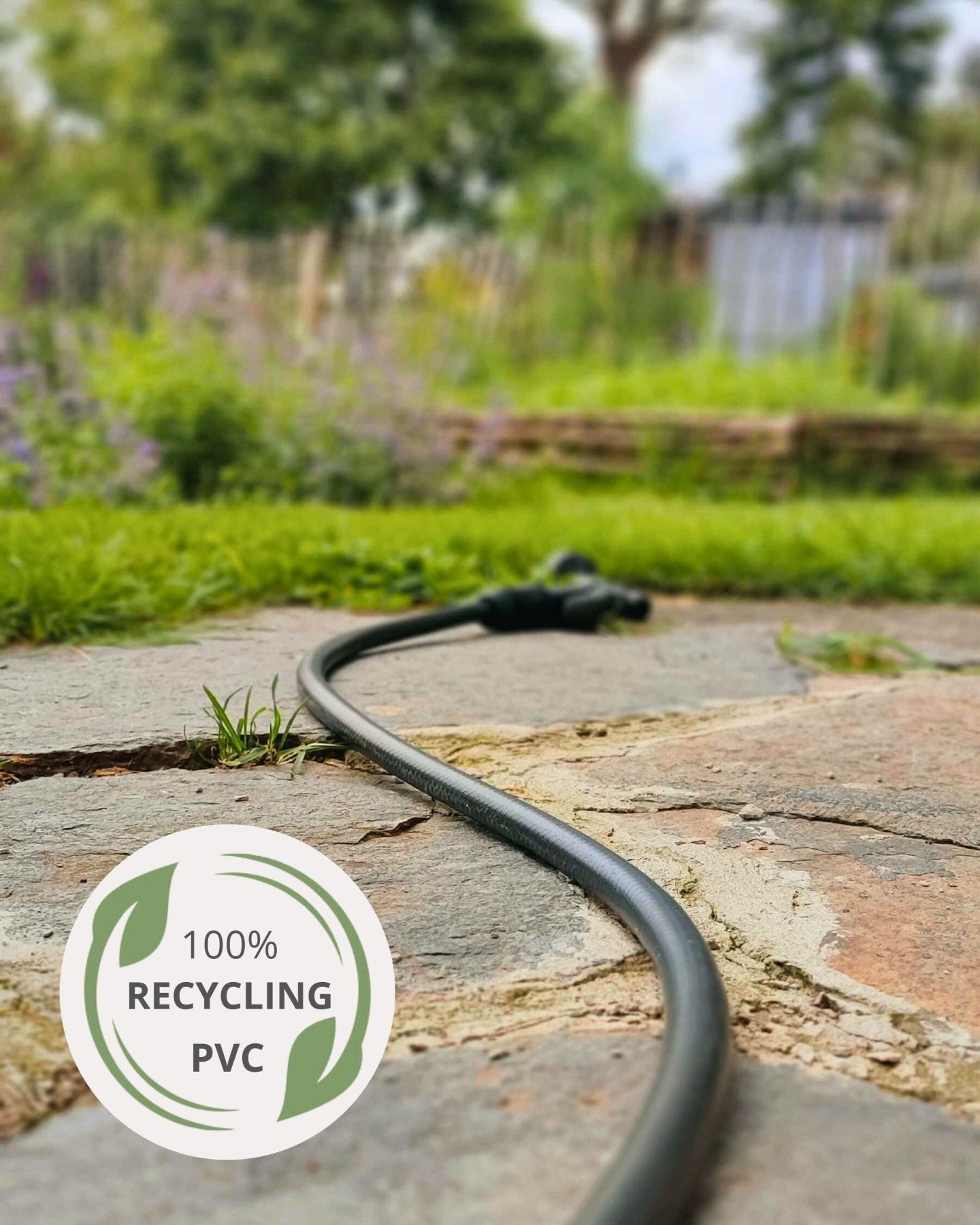
Credit: livlig.com
Materials Used In Garden Hoses
Garden hoses are made from different materials. These materials affect how the hose works and if it can be recycled.
Understanding the materials helps you know what happens to the hose when you throw it away.
Common Hose Materials
Most garden hoses use a mix of materials. The main parts are plastic, rubber, and metal. Each has a role in making the hose strong and flexible.
- Plastic: Often used for the outer layer and inner tubes.
- Rubber: Adds flexibility and durability.
- Metal: Used in connectors and fittings.
Recyclability Of Plastic Components
Plastic parts in garden hoses may be recyclable. It depends on the type of plastic and local recycling rules.
| Plastic Type | Recyclability |
| Polyvinyl Chloride (PVC) | Limited recycling options |
| Polyethylene (PE) | Widely recyclable |
| Polyurethane (PU) | Less commonly recycled |
Metal Parts And Recycling
Metal connectors in garden hoses are usually made of brass or aluminum. These metals are highly recyclable.
- Brass fittings can be melted and reused easily.
- Aluminum parts are accepted at most metal recycling centers.
- Removing metal parts before recycling plastic helps the process.

Credit: this-element.com
Challenges In Recycling Garden Hoses
Recycling garden hoses is not easy. Many factors make it difficult to reuse their materials.
Understanding these challenges helps us find better ways to recycle garden hoses.
Material Blends And Adhesives
Garden hoses are made from different materials mixed together. This mix makes recycling hard.
Hoses use adhesives to keep parts joined. These glues are tough to separate from plastics.
- Rubber and plastic blends are common
- Adhesives stick layers firmly
- Materials must be separated for recycling
- Separation needs special machines
Contamination Issues
Garden hoses often hold dirt, chemicals, or water inside. These substances contaminate the material.
Cleaning hoses before recycling is necessary. But removing all contamination is difficult and costly.
- Dirt and soil stuck inside hoses
- Residues from fertilizers or pesticides
- Water trapped in hose layers
- Contaminants reduce recycling quality
Limited Recycling Facilities
Few recycling centers accept garden hoses. Many plants lack the tools to process them.
Special equipment is needed to break down hoses properly. This limits where you can recycle them.
- Most centers focus on common plastics
- Garden hoses need unique machines
- Limited facilities raise costs
- Consumers have fewer recycling options
How To Recycle Garden Hoses
Garden hoses are made from materials that can be recycled. Recycling helps reduce waste and saves resources. It is important to know how to recycle your old garden hose properly.
This guide explains local recycling options, special programs, and how to prepare hoses for recycling.
Local Recycling Options
Some local recycling centers accept garden hoses with other plastics. Check your city’s recycling rules before dropping off hoses. Not all centers take garden hoses because of the mixed materials.
- Call your local recycling center to ask about garden hoses.
- Look for drop-off points for garden tools and plastics.
- Consider donating usable hoses to community gardens.
Specialized Recycling Programs
Some companies and programs specialize in recycling garden hoses. These programs may turn old hoses into new products like flooring or mats. You may need to mail in or drop off hoses at specific locations.
| Program | Type | How to Participate |
| HoseCycle | Mail-in | Send hoses by mail |
| Local Garden Center | Drop-off | Bring hoses to store |
| Community Recycling Days | Event | Drop off during event |
Preparing Hoses For Recycling
Before recycling, clean and prepare your hose. Removing dirt and fittings helps the recycling process. Cutting the hose into smaller pieces can make handling easier.
- Remove metal fittings and connectors.
- Wash the hose to remove soil and debris.
- Cut the hose into sections about 3 feet long.
- Bundle the pieces if required by your recycler.
Alternatives To Recycling
Garden hoses can be hard to recycle because of their mixed materials. There are other ways to give old hoses a new life. These alternatives help reduce waste and save money.
Using old hoses in creative ways or donating them can be good options. Below are some ideas to consider instead of just recycling.
Repurposing Old Hoses
Old garden hoses can be used for many practical purposes around your home or garden. They are strong and flexible, making them useful for different tasks.
- Cut into strips to use as tie-downs for plants
- Create bumpers on fences or walls to prevent damage
- Use sections as protective sleeves for sharp tools
- Make watering stakes by poking holes in a hose piece
Creative Diy Projects
Old hoses can become fun and useful craft projects. You can turn them into unique items with some simple tools and ideas.
| Project | Materials Needed | Use |
| Garden Hose Coasters | Old hose cut into rings, glue | Protect tables from drinks |
| Flexible Hose Basket | Hose pieces, zip ties | Storage for small items |
| Hose Keychains | Small hose pieces, key rings | Hold keys securely |
Donating Usable Hoses
If your garden hose still works well, consider giving it to someone else. Many community groups and farms need hoses for watering plants.
- Local community gardens
- Nonprofit organizations
- Schools with gardening programs
- Neighbors or friends
Choosing Eco-friendly Garden Hoses
Many people want to use garden hoses that are better for the planet. Choosing an eco-friendly hose helps reduce waste and pollution.
Not all garden hoses are recyclable. It is important to pick hoses made from sustainable materials and built to last.
Sustainable Materials
Eco-friendly garden hoses use materials that have less impact on the environment. Look for hoses made from natural or recycled materials.
Common sustainable materials include natural rubber and recycled plastics. These reduce the need for new raw materials.
- Natural rubber is biodegradable and flexible
- Recycled plastic reduces landfill waste
- Materials without harmful chemicals are safer
Durability And Lifespan
Durable hoses last longer and create less waste over time. A hose that lasts many years is better for the environment.
Choose hoses that resist cracks, leaks, and UV damage. A long lifespan means fewer replacements and less trash.
- Strong outer layers prevent damage
- Good flexibility reduces kinks and breaks
- UV-resistant materials avoid sun damage
Certifications And Labels
Certifications help identify eco-friendly garden hoses. They show that products meet certain environmental standards.
Look for labels from trusted organizations that test materials and production methods. This ensures the hose is safer for the planet.
- Check for recycled content certifications
- Look for non-toxic material labels
- Find hoses with durability and safety testing marks

Credit: www.youtube.com
Frequently Asked Questions
Can You Recycle A Garden Hose?
Garden hoses are generally not recyclable through curbside programs. They’re made of mixed materials that recycling centers can’t process. Instead, consider reusing them creatively in your garden or check with local recycling facilities for specific disposal options.
What Materials Make Garden Hoses Non-recyclable?
Garden hoses are often made from PVC, rubber, and metal. These mixed materials complicate the recycling process. The combination makes it hard for recycling centers to separate and process them, leading to their non-recyclable status.
How Should I Dispose Of An Old Garden Hose?
Dispose of old garden hoses by checking with local waste management for proper guidelines. Some facilities accept them as waste, while others may offer special recycling programs. Alternatively, consider donating or repurposing them creatively in your garden.
Are There Eco-friendly Alternatives To Garden Hoses?
Yes, eco-friendly hoses made from recycled materials are available. These options often use safer, biodegradable materials, reducing environmental impact. Look for hoses labeled as BPA-free and phthalate-free for an eco-conscious choice.
Conclusion
Garden hoses are not always easy to recycle. Many contain mixed materials like rubber and plastic. These materials need special recycling centers. You can check with local facilities for options. Reusing or donating old hoses can help reduce waste. Small efforts make a big difference for the environment.
Think twice before throwing your garden hose away. Choose hoses made from recyclable materials next time. Taking simple steps helps protect our planet for the future.