
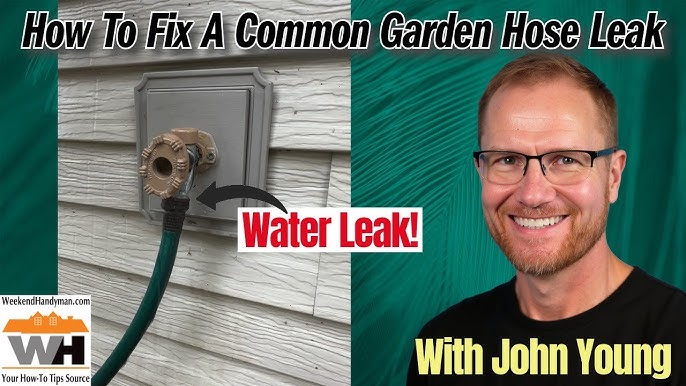


Is your garden hose leaking again? A small drip might seem harmless, but over time, it can waste water, increase your bills, and make watering your plants frustrating.
You don’t have to buy a new hose or call a plumber just yet. With a few simple steps, you can fix that leak quickly and easily. Keep reading, and you’ll learn how to stop the dripping and get your garden hose working like new again.
Identify The Leak Source
Finding the source of a garden hose leak is important to fix it quickly. A small leak can waste water and cause damage.
Check different parts of the hose carefully. This guide helps you look at the right places to find leaks.
Check Hose Connections
Start by looking at where the hose connects to the water spigot and the nozzle. Loose or worn connections often cause leaks.
- Turn off the water before checking.
- Look for cracks or damaged washers inside the connectors.
- Tighten any loose fittings by hand or with a wrench.
- Replace washers if they look worn or cracked.
Inspect Hose Length
Look along the full length of the hose for holes or cracks. Small leaks may appear as wet spots or sprays of water.
| Signs of Damage | What to Do |
| Small pinholes | Patch with hose repair tape |
| Cracks or splits | Cut out damaged section and reconnect |
| Dry or brittle spots | Replace the hose if damage is severe |
Examine Hose Fittings
Check the metal or plastic fittings at both ends of the hose. Leaks here can waste a lot of water.
Use this checklist to inspect hose fittings:
- Look for rust or corrosion on metal parts.
- Check if fittings are cracked or bent.
- Make sure fittings are tightly screwed onto the hose.
- Replace damaged fittings with new ones if needed.

Credit: www.familyhandyman.com
Gather Repair Tools
Fixing a leaky garden hose starts with gathering the right tools. Having everything ready makes the repair easier and faster.
This guide covers the essential tools and safety tips you need before you begin fixing your hose.
Essential Tools And Materials
You need some basic tools to fix a leaky garden hose. Prepare these items before starting the repair.
- Adjustable wrench to loosen and tighten fittings
- Hose cutter or sharp knife to cut damaged sections
- Replacement washers to seal leaks
- Rubber tape or plumber’s tape for extra sealing
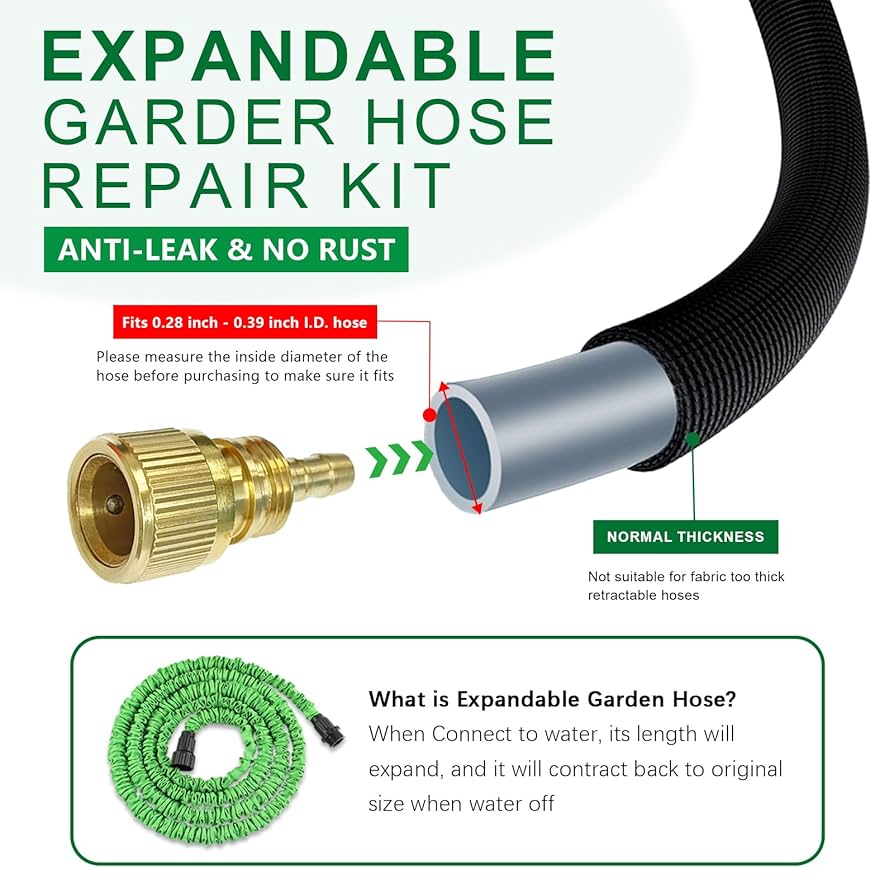
- Hose repair kit that includes connectors and clamps
- Bucket to catch water during repair
- Clean cloth to dry the hose ends
Safety Precautions
Safety is important when working with garden hoses and tools. Follow these simple rules to avoid injuries.
| Precaution | Reason |
| Turn off water supply | Prevents water spraying during repair |
| Wear gloves | Protects hands from cuts and dirt |
| Work on a flat surface | Reduces risk of slipping or dropping tools |
| Use proper tools | Avoids damage to hose and fittings |
| Check for sharp edges | Prevents injuries while cutting hose |
Fix Small Punctures
Small punctures in a garden hose can waste water and reduce pressure. Fixing these leaks quickly saves water and keeps your hose working well. You can repair tiny holes using simple materials at home.
Two common ways to fix small punctures are using waterproof tape and applying sealant. Each method works well for different situations.
Using Waterproof Tape
Waterproof tape is a quick fix for small holes on your garden hose. It stops leaks and keeps water inside the hose. Make sure the hose is dry before applying the tape.
- Cut a piece of waterproof tape longer than the hole.
- Wrap the tape tightly around the puncture area.
- Overlap the tape layers for a strong seal.
- Press the tape firmly to remove air bubbles.
- Wait a few minutes before using the hose again.
Applying Sealant
Sealant works well for small punctures that need a more permanent fix. It fills the hole and bonds with the hose material. Follow the instructions on the sealant package for best results.
| Sealant Type | Drying Time | Best For |
| Rubber Cement | 10–15 minutes | Small punctures on rubber hoses |
| Silicone Sealant | 1–2 hours | Flexible and durable repairs |
| Epoxy Putty | 5 minutes | Strong fixes for larger holes |

Credit: www.familyhandyman.com
Replace Damaged Sections
A leaky garden hose wastes water and lowers pressure. Fixing leaks by replacing damaged parts saves money and water.
Cutting out the damaged section and adding new hose couplings restores your hose quickly and easily.
Cutting Out The Leak
Find the leak and mark both sides. Use a sharp knife or scissors to cut out the broken part.
Make clean, straight cuts to ensure a tight fit for the new couplings. Remove any rough edges.
Installing Hose Couplings
Push the hose ends into the hose coupling. Make sure the hose fits snugly inside the coupling.
- Use hose clamps to secure the hose to the coupling.
- Tighten the clamps with a screwdriver.
- Check for leaks by turning on the water.
Seal Hose Fittings
Leaky garden hoses often start at the fittings. These are the points where the hose connects to the faucet or nozzle. Sealing these fittings stops water from escaping.
Fixing leaks at hose fittings saves water and keeps your garden healthy. It also prevents damage to your hose and tools.
Tightening Loose Connections
Loose hose fittings cause water to drip or spray out. You can stop leaks by tightening these connections. Use your hand or a wrench to make the fitting snug.
Do not over-tighten, or you may damage the hose or fitting. Check if the leak stops after tightening. If not, try another method.
Using Plumber’s Tape
Plumber’s tape, also called Teflon tape, helps seal hose threads. Wrap the tape around the threads before connecting the fitting. This creates a tight seal.
Wrap the tape clockwise around the threads two to three times. Press the tape down firmly and then screw the fittings together. This stops leaks effectively.
Maintain Your Garden Hose
Keeping your garden hose in good shape stops leaks and saves water. A well-maintained hose lasts longer and works better.
Regular care helps avoid common problems like cracks and holes. Follow simple steps to keep your hose leak-free.
Proper Storage Tips
Store your garden hose carefully to prevent damage. Avoid leaving it in the sun or cold weather for too long.
Use a hose reel or hanger to keep it off the ground. This stops kinks and bends that cause leaks.
- Drain water from the hose before storing
- Keep it in a shaded or indoor place
- Coil the hose loosely to avoid sharp bends
- Use a reel or hanger to keep it tidy
Regular Inspection Routine
Check your hose often for leaks, cracks, or worn parts. Early fixes stop small problems from getting worse.
Look at the connectors and washers too. Replace any broken parts to keep the hose tight and leak-free.
- Inspect the hose surface for holes or cracks
- Check connectors for rust or damage
- Replace worn washers inside the fittings
- Test the hose under water pressure for leaks
Credit: www.amazon.com
Frequently Asked Questions
What Causes A Garden Hose To Leak?
A garden hose can leak due to cracks, worn-out washers, or loose connections. Exposure to sun and extreme temperatures can weaken the hose material. Regularly checking and maintaining your hose can prevent leaks. A quick inspection can identify visible damage and worn components that may need replacement.
How Do I Identify A Hose Leak Location?
Start by laying the hose straight and turning on the water. Look for water escaping from any section. Check the connectors and fittings for leaks. Feel along the hose for dampness or visible cracks. Identifying the exact spot helps in effective repairs.
Can I Fix A Hose Leak Without Replacing It?
Yes, you can fix a hose leak without replacing it. Use a hose repair kit, which includes connectors and clamps. For small holes, apply waterproof tape or sealant. Regularly check for leaks to ensure the fix holds over time. Proper maintenance extends the hose’s lifespan.
What Tools Do I Need To Fix A Hose?
To fix a hose, you’ll need pliers, a utility knife, and a screwdriver. A hose repair kit with connectors and clamps is essential. Waterproof tape or sealant can be useful for minor leaks. Having the right tools ensures a quick and effective repair.
Conclusion
Fixing a leaky garden hose saves water and money. Small leaks are easy to find and repair. Use simple tools and materials you already have. Tighten connections or replace washers for quick fixes. Regularly check your hose to prevent future leaks.
A well-maintained hose lasts longer and works better. Enjoy watering your garden without wasting water. A little effort keeps your hose in good shape. Start fixing leaks today for a healthier garden tomorrow.