


Weeds can quickly take over your garden, stealing nutrients and making your plants struggle. If you’re tired of spending hours pulling them out, you need a smarter way to block weeds before they even start.
Imagine a garden where you spend less time battling unwanted plants and more time enjoying the beauty and growth of your flowers and vegetables. You’ll discover simple, effective methods to keep weeds under control—so your garden stays healthy, neat, and thriving all season long.
Ready to take back your garden? Let’s get started.
Choose The Right Mulch
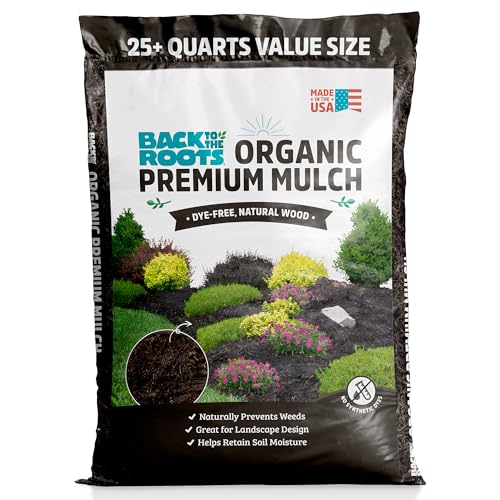
Mulch helps block weeds by stopping sunlight from reaching them. It also keeps soil moist and healthy.
Picking the right mulch can make weed control easier and keep your garden looking neat.
Types Of Mulch For Weed Control
There are many mulch types to choose from. Some work better at stopping weeds than others.
- Organic Mulch:Made from natural materials like bark, straw, or leaves. It breaks down over time and adds nutrients to soil.
- Inorganic Mulch:Includes plastic sheets or landscape fabric. It blocks weeds well but does not improve soil.
- Rubber Mulch:Made from recycled tires. It lasts long and blocks weeds but does not help soil health.
- Gravel or Stones:Heavy and durable. Good for paths but less effective for garden beds.
Proper Mulch Application Techniques
Apply mulch correctly to stop weeds from growing. The right thickness is important for success.
Prepare the area before adding mulch. Remove any existing weeds and water the soil well.
- Spread mulch evenly around plants but avoid piling it against stems.
- Use 2 to 4 inches of mulch to block sunlight and keep soil moist.
- Check mulch regularly and add more if it breaks down or moves away.
- Replace mulch yearly for the best weed control and soil health.

Credit: thegardenersworkshop.com
Use Landscape Fabric
Weeds can harm your garden by stealing nutrients and water. Landscape fabric helps block weeds from growing.
This fabric lets water and air reach the soil but stops weeds from getting sunlight.
Benefits Of Landscape Fabric
Landscape fabric saves time and work by reducing weed growth. It also helps keep soil moist longer.
- Blocks sunlight to stop weed seeds from sprouting
- Allows water and air to pass through for healthy soil
- Reduces the need for chemical weed killers
- Helps soil stay moist, which benefits plants
- Easy to cut and fit around plants and garden beds
How To Install Landscape Fabric Correctly
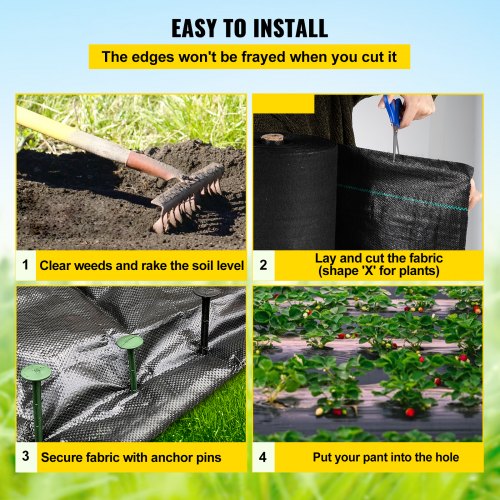
Clear the garden area of all weeds and rocks. Smooth the soil before placing the fabric.
Cut the fabric to fit the garden bed. Lay it flat with no wrinkles. Overlap edges by a few inches.
- Make holes in the fabric to plant your flowers or vegetables
- Secure the fabric with landscape staples or pins
- Cover the fabric with mulch to protect it and improve garden look
- Check the fabric regularly and remove any weeds on top
Apply Organic Weed Barriers
Weeds can harm your garden plants by taking nutrients and space. Using organic weed barriers helps keep weeds away naturally. These barriers improve soil health and protect your plants.
Organic materials work well to block weeds and add nutrients to the soil as they break down. You can find many natural options that fit your garden’s needs.
Natural Materials That Block Weeds
Several natural materials can stop weeds from growing by blocking sunlight and preventing seed germination. Using these materials also helps keep your garden eco-friendly.
- Mulch made from wood chips or bark
- Straw or hay spread in thick layers
- Grass clippings from your lawn
- Leaves shredded and used as ground cover
- Cardboard or newspaper layers under mulch
Maintaining Organic Barriers Over Time
Organic barriers break down naturally, so you must refresh them to keep weeds away. Regular care keeps your garden soil healthy and weed-free.
| Maintenance Task | Frequency | Purpose |
| Add more mulch or straw | Every 2-3 months | Replace material that has decomposed |
| Check for weed growth | Weekly | Remove weeds before they spread |
| Water the barrier | As needed | Help materials settle and break down slowly |
| Mix in compost | Once a year | Boost soil nutrients under the barrier |
Practice Regular Weed Removal
Weeds can quickly take over your garden if you do not remove them regularly. Keeping your garden free of weeds helps your plants grow strong and healthy.
Regular weeding also reduces the chance of weeds spreading seeds and making the problem worse. A steady weeding routine is the best way to keep your garden clean.
Best Tools For Weeding
Using the right tools makes weed removal easier and more effective. Some tools work better for certain types of weeds or garden areas.
- Hand trowel – good for digging out deep roots
- Weeding fork – helps loosen soil around weeds
- Hoe – useful for clearing weeds on larger surfaces
- Gloves – protect your hands while pulling weeds
- Weed puller – pulls weeds without disturbing nearby plants
Timing And Frequency For Weed Removal
Removing weeds at the right time and often enough keeps them from growing tall or spreading seeds. Early removal is the key.
| Time of Day | Reason |
| Morning | Soil is moist and weeds pull out easily |
| After Rain | Soft soil allows for easier root removal |
| Weekly | Prevents weeds from flowering and seeding |
| After Planting | Stops weeds competing with new plants |
Improve Soil Health
Good soil health helps plants grow strong and stops weeds from taking over. Healthy soil holds water and nutrients well.
Improving your soil can lower weed problems by supporting plants that compete with weeds naturally.
Soil Amendments That Discourage Weeds
Adding organic matter like compost improves soil texture. This helps crops grow better and crowds out weeds.
Mulching with straw or wood chips blocks light from reaching weed seeds. It also keeps soil moist and cool.
- Compost adds nutrients and improves soil structure
- Mulch reduces sunlight for weed seed germination
- Cover crops protect soil and reduce open space for weeds
Encouraging Healthy Plant Growth
Strong plants grow quickly and take up space, leaving less room for weeds. Healthy plants also use water and nutrients well.
Planting dense ground covers or native plants helps shade the soil. This stops weed seeds from sprouting.
- Water plants properly to keep them strong
- Use natural fertilizers to boost plant health
- Prune plants to encourage bushy growth
- Choose plants that grow well in your soil and climate
Credit: www.vevor.com
Use Pre-emergent Herbicides
Pre-emergent herbicides help stop weeds before they grow. They create a barrier in the soil. This barrier blocks weed seeds from sprouting.
Using these herbicides can save time and effort in your garden. They protect your plants by reducing weed competition.
When And How To Apply Pre-emergents
Apply pre-emergent herbicides early in the season. This is usually before weed seeds start to sprout. Timing depends on your local climate and weeds.
Spread the herbicide evenly over the soil. Use a spreader for large areas. After applying, water the soil lightly. This helps the herbicide activate.
- Apply in early spring or fall, depending on weed type
- Use a spreader for even coverage
- Water the soil after applying
- Avoid disturbing the soil after application
Safety Tips For Herbicide Use
Always read the label before using herbicides. Follow all instructions carefully. Wear gloves and protective clothing during application.
Keep children and pets away from treated areas. Store herbicides in a safe place out of reach. Wash your hands and clothes after use.
- Read and follow label directions
- Wear gloves and protective gear
- Keep children and pets away
- Store herbicides safely
- Wash hands and clothes after use
Plant Ground Covers
Ground covers are low-growing plants that spread across the soil. They help block weeds by covering bare spots in your garden.
Choosing the right ground cover can save time and keep your garden neat and healthy.
Best Ground Covers For Weed Suppression
Some ground covers grow quickly and form a dense mat that stops weeds from getting sunlight. Here are some good choices for most gardens.
- Creeping Thyme – fragrant and drought-tolerant
- Ajuga – colorful foliage and fast spread
- Vinca Minor – evergreen with purple flowers
- Sweet Woodruff – shade-loving with white blooms
- Irish Moss – soft and carpet-like
Planting Strategies For Coverage
Plant ground covers close enough to fill gaps quickly. This keeps weeds from finding space to grow.
| Strategy | Description |
|---|---|
| Spacing | Plant 6 to 12 inches apart for faster coverage |
| Soil Preparation | Remove weeds and loosen soil before planting |
| Watering | Keep soil moist until plants establish roots |
| Mulching | Add mulch around plants to hold moisture and block weeds |
| Regular Maintenance | Trim ground covers to prevent gaps and spreading of weeds |

Credit: food52.com
Maintain Proper Watering Practices
Proper watering helps your garden plants grow strong and healthy. It also stops weeds from spreading quickly. Watering the right way saves water and keeps weeds weak.
Understanding how to water your garden correctly can reduce weed problems. Use smart watering methods to help your plants, not the weeds.
Watering Techniques That Limit Weed Growth
Water only the base of your plants, not the whole soil. This stops weed seeds from getting water and growing. Use drip irrigation or soaker hoses for better results.
- Water early in the morning to reduce evaporation.
- Use mulch to keep moisture near plant roots.
- Direct water to plant roots to avoid wetting weed seeds.
- Water deeply but less often to strengthen plants.
Avoiding Overwatering
Too much water makes the soil soft and loose. This condition helps weeds grow fast. Overwatering also harms your plants by causing root rot.
| Signs of Overwatering | Effects on Weeds and Plants |
| Soil stays wet for days | Weeds sprout easily, plants weaken |
| Yellowing leaves | Roots may rot, reducing plant health |
| Moss or algae on soil surface | Indicates excess moisture, inviting weeds |
Frequently Asked Questions
How Can Mulch Help Block Weeds In Garden?
Mulch blocks sunlight, preventing weed seeds from sprouting. It also retains soil moisture and improves soil health. Organic mulches like wood chips and straw are effective and eco-friendly for weed control.
What Natural Methods Effectively Prevent Garden Weeds?
Using mulch, hand-pulling, and planting ground covers naturally prevent weeds. Crop rotation and proper spacing reduce weed growth. These methods avoid chemicals and promote healthy, sustainable gardens.
Is Landscape Fabric Useful For Blocking Garden Weeds?
Yes, landscape fabric acts as a barrier against weeds while allowing water and air flow. It is durable and reduces weed growth under mulch, making garden maintenance easier.
How Often Should I Remove Weeds To Keep Garden Clean?
Remove weeds weekly or whenever visible to prevent spreading. Regular weeding stops seed production and reduces competition for nutrients and water in the garden.
Conclusion
Blocking weeds in your garden is simple with the right approach. Consistent weeding keeps unwanted plants at bay. Use mulch to smother weed growth effectively. Consider landscape fabric for added protection. Regular maintenance is key for a weed-free garden. Planting ground covers can prevent weed seeds from sprouting.
Keep your soil healthy to discourage weeds naturally. Always stay vigilant and address weeds early. A little effort goes a long way in keeping your garden beautiful. Enjoy a lush garden without the hassle of constant weeding. Happy gardening!