

Are you tired of battling weeds that sneak into your garden and steal nutrients from your plants? You might be wondering, “Can I put weed killer in my garden without harming my flowers and veggies?”
It’s a common question because while weed killers can be effective, using them the wrong way can damage your beloved plants or even affect your soil health. You’ll discover when and how to use weed killers safely, so your garden stays vibrant and weed-free.
Keep reading to learn the simple steps that can save your garden and give you peace of mind.
Types Of Weed Killers
Weed killers help control unwanted plants in your garden. Choosing the right type keeps your garden healthy.
There are different weed killers. Some target specific weeds, others kill all plants they touch.
Selective Vs Non-selective Herbicides
Selective herbicides kill certain types of weeds but do not harm your garden plants. They work best for lawns or flower beds.
Non-selective herbicides kill all plants they contact. Use them carefully to avoid damaging garden plants you want to keep.
- Selective herbicides:Target broadleaf or grassy weeds only.
- Non-selective herbicides:Kill most plants they touch.
- Use selective herbicides for specific weed problems.
- Use non-selective herbicides for clearing large areas.
Organic Weed Killers
Organic weed killers use natural ingredients like vinegar or salt. They are safer for pets and the environment.
These weed killers work well on young or small weeds. They may need repeated use for tough weeds.
- Common ingredients: vinegar, salt, and soap.
- Safe to use around children and pets.
- Less harmful to soil and beneficial insects.
- May require frequent application.
Chemical Weed Killers
Chemical weed killers contain synthetic chemicals. They act fast and kill weeds effectively.
Use chemical weed killers carefully. They can harm your garden plants and soil if misused.
- Often stronger than organic options.
- May be selective or non-selective.
- Follow label instructions strictly.
- Wear protective gear during application.

Credit: www.yahoo.com
Choosing The Right Weed Killer
Choosing the right weed killer helps protect your garden plants. You must know what weeds you have and what plants you want to keep. This guide will help you pick the best weed killer for your garden.
Using the wrong weed killer can harm your plants or the environment. Learning about weed types and weed killers will keep your garden healthy and green.
Identifying Weeds In Your Garden
First, look closely at the plants you want to remove. Weeds can be grasses, broadleaf, or woody plants. Knowing the type helps you pick the right product.
- Grass weeds have narrow leaves with parallel veins.
- Broadleaf weeds have wider leaves and net-like veins.
- Woody weeds are tough and have stems like small trees.
Matching Weed Killers To Plant Types
Weed killers target different plants. Some kill only broadleaf weeds. Others kill grasses or all plants. Choose one that matches the weeds you identified.
| Weed Killer Type | Targets | Safe for |
| Selective | Broadleaf weeds | Grass lawns |
| Selective | Grass weeds | Flower beds |
| Non-selective | All plants | Hard surfaces only |
Considering Environmental Impact
Some weed killers can harm helpful insects, pets, and water sources. Choose products that are safer for the environment. Always follow the label instructions carefully.
Tips to reduce environmental harm:
- Use weed killers only where needed.
- Avoid spraying on windy days to prevent drift.
- Do not apply near water bodies.
- Try organic or natural weed control options.
Safe Application Practices
Using weed killer in your garden needs care and attention. Applying it safely protects your plants and the environment.
Follow the right steps to avoid harm and get the best results. Learn how to protect yourself and your garden.
Protective Gear Essentials
Wear the correct gear to keep yourself safe from chemicals. This gear blocks harmful sprays from touching your skin or eyes.
- Long-sleeved shirts and long pants
- Waterproof gloves
- Safety goggles or glasses
- Closed-toe shoes or boots
- A mask to avoid breathing in fumes
Proper Dosage And Timing
Use the right amount of weed killer to avoid damage to your plants and soil. Read the label for exact instructions.
| Factor | Recommendation |
| Dosage | Follow label instructions exactly |
| Timing | Apply during dry, calm weather |
| Frequency | Use only as often as recommended |
| Plant Stage | Target weeds when young for best effect |
Avoiding Drift And Runoff
Drift and runoff can move chemicals to unwanted areas. This harms nearby plants, water, and wildlife.
- Apply weed killer on calm days with no wind
- Do not spray before heavy rain
- Use shielded sprayers to control spray direction
- Keep spray away from water sources and drains
- Clean equipment after use to prevent leaks
Protecting Beneficial Plants
Using weed killer in your garden can harm plants that help your garden thrive. It is important to protect these beneficial plants while controlling weeds.
Choosing the right method keeps your garden healthy and avoids damage to useful plants and flowers.
Spot Treatment Techniques
Spot treatment targets only the weeds you want to remove. This method limits weed killer use and reduces risk to nearby plants.
- Use a small spray bottle for precise application
- Apply weed killer on calm days to avoid drift
- Wear gloves and protect your skin
- Wait until weeds are fully grown for best results
Physical Barriers And Shields
Physical barriers block weed killer from reaching beneficial plants. They act as shields during spraying.
- Cardboard or plastic sheets placed around plants
- Garden fabric or burlap wraps
- Small boards or trays to cover soil near plants
- Handheld shields or cardboard cutouts when spraying
Alternatives To Chemical Weed Killers
Using chemical weed killers in your garden can harm the soil and plants. Many people look for safer ways to control weeds. Natural methods protect your garden and the environment.
Here are some simple alternatives to keep your garden weed-free without chemicals.
Manual Weed Removal
Pulling weeds by hand is one of the safest ways to control them. It works best after rain when the soil is soft. You can use tools like a hoe or weed puller to make the job easier.
- Remove weeds before they flower or seed
- Wear gloves to protect your hands
- Dispose of weeds properly to avoid spreading seeds
- Check your garden regularly for new weeds
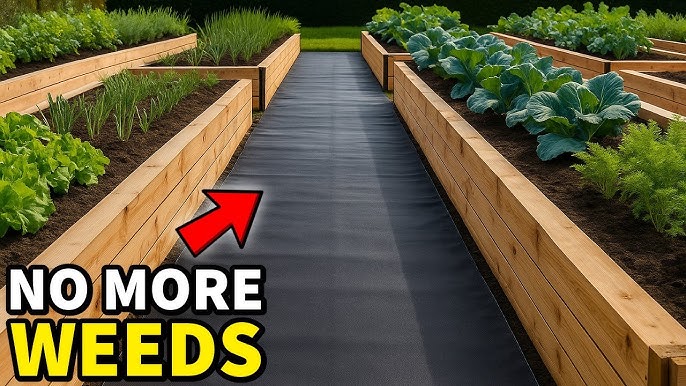
Mulching And Ground Covers
Mulch is a layer of material placed on the soil surface. It blocks sunlight, stopping weed seeds from growing. Ground covers are plants that spread over the soil and crowd out weeds.
| Type | Benefits | Examples |
| Organic Mulch | Improves soil, retains moisture | Wood chips, straw, leaves |
| Inorganic Mulch | Long-lasting, blocks weeds well | Gravel, black plastic |
| Ground Covers | Prevents weeds, adds beauty | Clover, creeping thyme, ivy |
Natural Weed Suppressants
Some natural products can stop weed growth without chemicals. Vinegar, boiling water, and corn gluten meal are popular choices. They work best on young weeds and small areas.
Tips for Using Natural Weed Suppressants:
- Apply on sunny days for best effect
- Avoid spraying near plants you want to keep
- Repeat treatments may be necessary
- Test small areas first to prevent damage
Credit: www.youtube.com
Storing And Disposing Weed Killers
Weed killers can be useful for gardens but need careful handling. Proper storage and disposal keep your family and the environment safe.
Learn how to store weed killers safely and how to get rid of unused products the right way.
Safe Storage Tips
Keep weed killers in a cool, dry place away from children and pets. Store them in their original containers with labels intact.
- Lock containers in a cabinet or shed
- Avoid storing near food or water sources
- Keep away from heat, flames, and direct sunlight
- Check containers regularly for leaks or damage
- Do not mix weed killers with other chemicals
Proper Disposal Methods
Do not pour leftover weed killers down drains, toilets, or on the ground. Follow local rules for safe disposal to protect water and soil.
| Disposal Option | Description |
| Use It Up | Apply leftover weed killer as directed to avoid waste. |
| Take to Hazardous Waste Site | Bring unused or expired product to an approved collection center. |
| Community Collection Events | Participate in local events for safe pesticide disposal. |
| Follow Label Instructions | Check product label for specific disposal guidelines. |
Common Mistakes To Avoid
Using weed killer in your garden needs care. Mistakes can harm plants and soil. Knowing what to avoid helps keep your garden healthy.
This guide covers three common errors gardeners make when applying weed killer. Avoid these to protect your plants and get better results.
Overuse And Misapplication
Applying too much weed killer or using it wrongly can damage your garden. It may kill good plants or cause weeds to grow back stronger.
- Do not use more than the recommended amount.
- Apply only on the targeted weeds, not all over the garden.
- Use the right type of weed killer for your plants and weeds.
- Follow instructions on the label carefully.
Ignoring Weather Conditions
Weather affects how well weed killers work. Wrong weather can make the chemical wash away or harm other plants.
| Weather Condition | Effect on Weed Killer |
| Rainy | Washes chemical off leaves |
| Windy | Drifts to unwanted areas |
| Hot and Sunny | Can cause quick evaporation |
| Cool and Dry | Best for weed killer absorption |
Neglecting Safety Precautions
Weed killers contain strong chemicals. Not using safety gear can cause health problems for you and your family.
- Wear gloves and long sleeves to protect your skin.
- Use a mask to avoid breathing in fumes.
- Keep children and pets away during and after application.
- Store weed killer safely out of reach.

Credit: food52.com
Frequently Asked Questions
Can I Safely Use Weed Killer In My Garden?
Yes, you can use weed killer safely if you follow the instructions. Always choose a product suitable for your garden plants. Apply it during calm weather to avoid drift. Ensure the weed killer is pet and child-friendly if they frequent the garden.
How Does Weed Killer Affect My Garden Soil?
Weed killers can affect soil health if overused. Some may remain in the soil, affecting future plant growth. Choose a product that breaks down quickly in the soil. Proper application and timing are crucial to minimize negative impacts on soil health.
Is Organic Weed Killer Effective For Home Gardens?
Organic weed killers can be effective, especially for small gardens. They are typically less harmful to the environment and garden plants. However, they may require more frequent application. For best results, follow the manufacturer’s instructions and combine with manual weeding.
When Is The Best Time To Apply Weed Killer?
The best time to apply weed killer is during active weed growth. Early morning or late afternoon is ideal, when temperatures are cooler. Avoid application before rain to prevent runoff. Following these tips maximizes the weed killer’s effectiveness.
Conclusion
Using weed killer in your garden needs careful thought. Choose products made for garden use only. Follow instructions to keep plants and soil safe. Avoid spraying on windy days to prevent drift. Remember, some weeds can return after treatment. Regular care helps keep your garden healthy.
A clean, weed-free garden looks better and grows stronger. Take time to learn about each product’s effects. Safe use means a thriving garden for everyone to enjoy.