
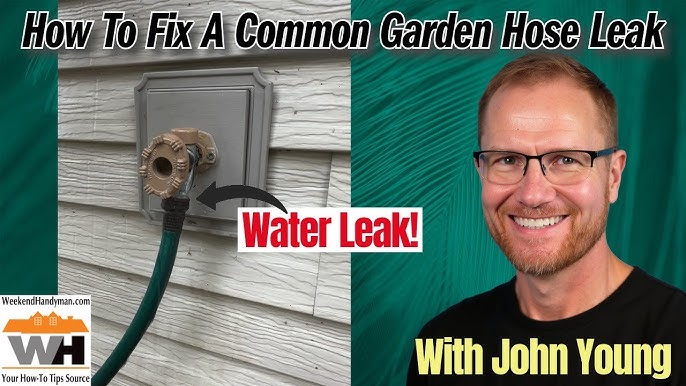

Have you ever tried connecting a garden hose to a faucet or a sprinkler, only to find it doesn’t fit right? You’re not alone.
Understanding what a garden hose thread is can save you from frustration and wasted time. Knowing the right thread type ensures your hose connects securely, preventing leaks and making your gardening easier. Keep reading to discover everything you need to know about garden hose threads and how to choose the perfect fit for your outdoor needs.
Garden Hose Thread Basics
Garden hose thread is the type of screw thread found on hose fittings. It allows hoses and accessories to connect tightly. This makes sure water flows without leaks.
Understanding the thread basics helps you choose the right hose parts. It also prevents damage and water waste.
What Is A Garden Hose Thread
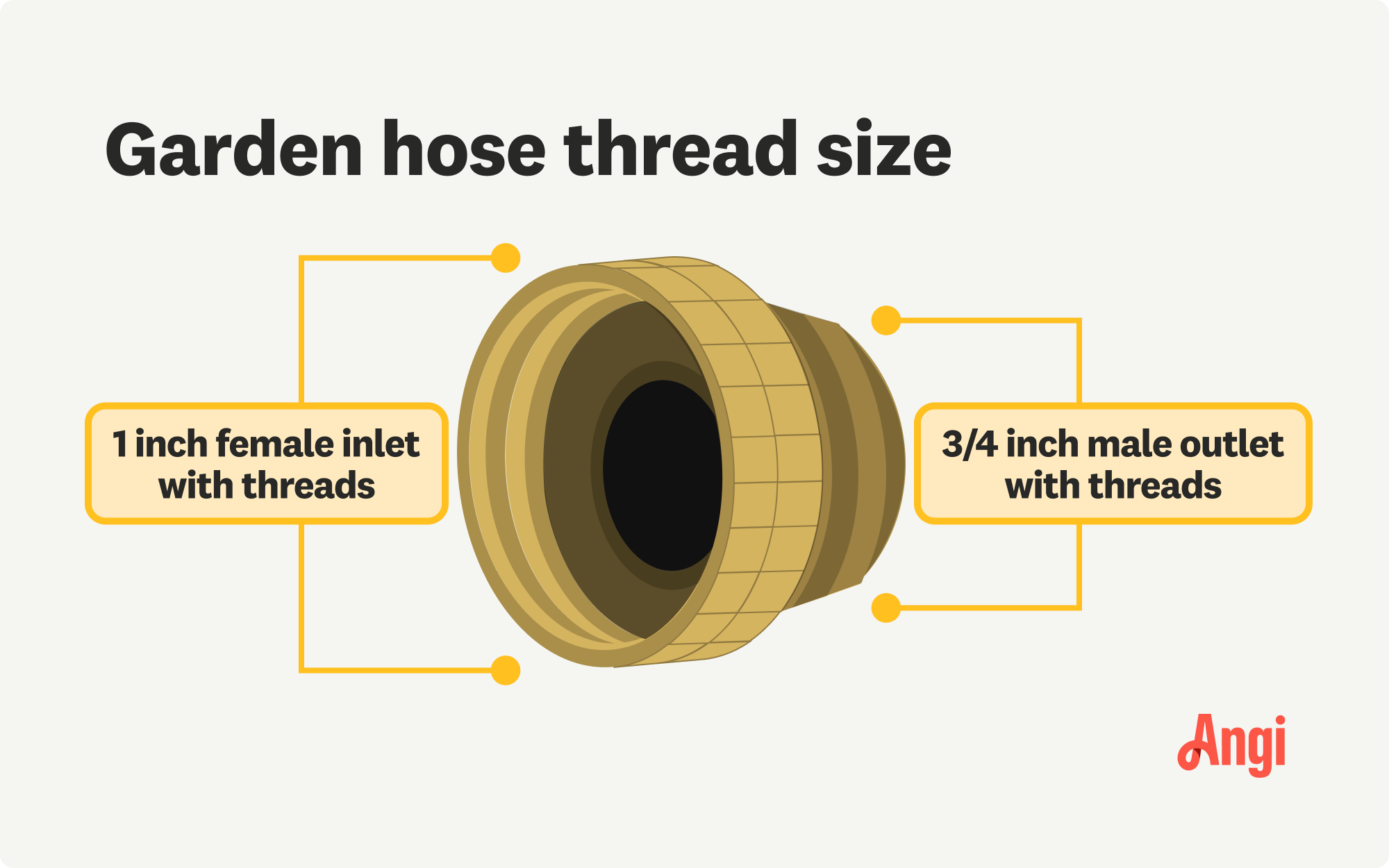
A garden hose thread is a specific pattern of grooves on hose connectors. These grooves twist together to form a seal. The most common type in the U.S. is called GHT, or Garden Hose Thread.
- The thread size is usually 3/4 inch in diameter.
- The threads per inch (TPI) is typically 11.5.
- Threads are tapered to improve the seal as you tighten.
- Standard thread types include male and female ends.
Importance Of Thread Compatibility
Thread compatibility means matching the thread type and size on hose parts. Using compatible threads prevents leaks and damage. It also makes connections easier to tighten and remove.
| Issue | Cause | Effect |
| Leaks | Wrong thread size or type | Water escapes from the connection |
| Cross-threading | Forcing mismatched threads | Damages threads and weakens seal |
| Loose connection | Non-compatible thread pitch | Hose disconnects under pressure |
| Difficulty connecting | Thread shape mismatch | Extra effort needed to attach hose |
Common Thread Types
A garden hose thread connects hoses and accessories tightly. Different thread types exist worldwide. Knowing these helps you choose the right hose parts.
Thread types differ in size, shape, and pitch. Using the wrong thread can cause leaks or damage. Here are common garden hose thread types.
National Hose Thread (nht)
National Hose Thread (NHT) is common in the United States. It is used for fire hoses and some garden hoses. NHT has a 3/4-inch diameter with 11.5 threads per inch.
NHT threads have a tapered design. This taper helps create a tight seal when connected. It is important to match NHT parts to avoid leaks.
Garden Hose Thread (ght)
Garden Hose Thread (GHT) is the most common thread type for garden hoses in the US. GHT has a 3/4-inch diameter with 11.5 threads per inch, similar to NHT.
Unlike NHT, GHT threads are straight, not tapered. This means they rely on a rubber washer to seal the connection. GHT is used for watering, sprinklers, and hose accessories.
British Standard Pipe Thread (bsp)
British Standard Pipe Thread (BSP) is common in the UK and many other countries. BSP has two types: parallel (BSPP) and tapered (BSPT). Both types have different thread angles and pitches.
BSP threads use a 55-degree angle. The size and pitch vary depending on the hose or pipe. BSP is often used for plumbing, irrigation, and garden hoses outside the US.
- BSPP: Parallel threads, seal with a washer or O-ring
- BSPT: Tapered threads, seal by thread interference
Other Regional Thread Types
Other countries use different thread standards for garden hoses. These may not fit US or UK hoses. Examples include Japanese Industrial Standard (JIS) and Metric threads.
It is important to check local standards before buying hoses or fittings. Using adapters can help connect different thread types safely.
Thread Size Standards
Garden hose threads connect hoses to faucets and accessories. They must fit well to prevent leaks.
Thread size standards ensure that garden hoses and fittings work together properly.
Measuring Thread Diameter
Thread diameter is the width across the outer edges of the thread. It is measured in inches or millimeters.
Use a caliper or ruler to measure the outside of the male thread or the inside of the female thread.
Thread Pitch And Its Role
Thread pitch is the distance between two threads. It affects how tightly parts fit together.
- A fine pitch means more threads per inch and a tighter fit.
- A coarse pitch has fewer threads per inch and connects faster.
- Different thread pitches prevent mismatched connections.
Common Sizes For Garden Hoses
| Thread Type | Diameter (inches) | Thread Pitch |
| GHT (Garden Hose Thread) | 0.875 | 11.5 TPI |
| NPT (National Pipe Thread) | 0.75 – 1.25 | 14 TPI |
| BSP (British Standard Pipe) | 0.875 | 14 TPI |
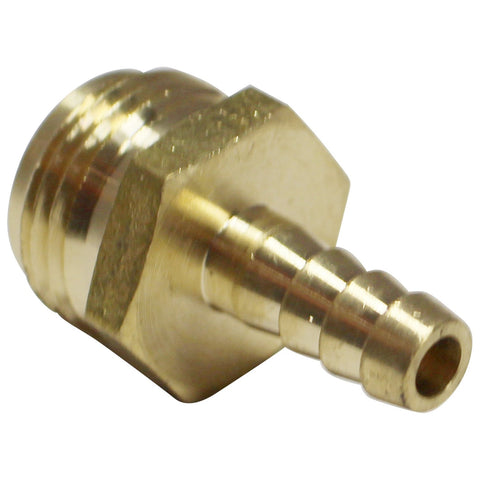
Credit: www.canuckhomebrewsupply.com
Identifying Hose Thread Types
A garden hose thread is the type of screw-like connection on hoses and fittings. It helps join hoses to faucets or other tools. Knowing the right thread type stops leaks and makes a tight fit.
There are different hose thread types. These include garden hose threads, pipe threads, and more. Identifying the right type is important for repairs or buying new parts.
Visual Inspection Tips
Look closely at the hose threads to spot differences. Check the thread shape, size, and angle. Garden hose threads usually have a wider, rounded look.
Count the number of threads per inch. Some threads are fine, others are coarse. Also, check if the thread is male (outside) or female (inside).
- Garden Hose Thread (GHT) has 11.5 threads per inch
- National Pipe Thread (NPT) has 14 threads per inch
- GHT threads are straight, NPT threads are tapered
Using Thread Gauges
A thread gauge measures thread pitch and size. It helps confirm the exact type of hose thread. Use a gauge by fitting it into the thread grooves.
Read the gauge scale to find threads per inch. Match this number to known thread standards. This method is precise and reduces guessing.
- Place the gauge on the thread
- Check which gauge fits snugly
- Read the thread count from the gauge
- Compare with thread type charts
Matching Threads To Fittings
Choose fittings that match your hose thread exactly. Mismatched threads cause leaks or damage. Use the thread type and size you identified before.
Test fittings by screwing them on gently. They should fit tightly without forcing. If they do not fit, check thread types again.
- Use Garden Hose Thread fittings for garden hoses
- Use National Pipe Thread fittings for plumbing pipes
- Check thread size matches (e.g., 3/4 inch)
- Avoid mixing straight and tapered threads
Compatibility And Adapters
A garden hose thread is the part where hoses and accessories connect. Different thread types can cause problems if they do not match. Using the right adapters helps connect hoses with different threads.
Understanding compatibility is key to avoid leaks and damage. Choosing the right adapter keeps your garden hose working well.
Mixing Thread Types
Garden hoses use different thread types, like National Hose (NH) and Garden Hose Thread (GHT). These threads have different sizes and shapes. Mixing them without adapters can cause leaks or damage.
Some common thread types are:
- NH (National Hose)
- GHT (Garden Hose Thread)
- NPT (National Pipe Thread)
- BSP (British Standard Pipe)
Adapter Options
Adapters connect hoses with different threads. They come in many shapes and sizes. Choose an adapter that matches both thread types perfectly.
- Male to female adapters
- Thread converters
- Quick connect adapters
- Brass or plastic materials
Using the correct adapter avoids cross-threading and makes connection easier.
Preventing Leaks And Damage
Leaks often happen when threads do not fit well. Use plumber’s tape on threads for a tight seal. Check for cracks or worn parts before connecting.
- Use thread seal tape on male threads
- Tighten connections by hand, avoid over-tightening
- Replace damaged washers regularly
- Use adapters made of durable materials
Proper care and correct adapters keep your garden hose safe and leak-free.
Choosing The Right Hose Thread
Garden hose threads connect hoses to faucets and accessories. Choosing the right thread ensures a tight fit. This prevents leaks and water loss.
Not all garden hoses use the same thread size or type. Knowing the differences helps you pick the correct hose thread for your needs.
Factors To Consider
Look at the thread size and type to match your hose and faucet. Threads come in different diameters and shapes. Check the thread pitch, which is how close the threads are.
Material and durability matter too. Brass threads last longer than plastic ones. Also, think about the pressure your hose will handle.
- Thread size (diameter)
- Thread type (straight or tapered)
- Thread pitch (distance between threads)
- Material of the thread
- Water pressure rating
Application-based Recommendations
If you water plants or wash cars, standard garden hose threads work well. Most garden hoses use a 3/4-inch diameter with straight threads.
For high-pressure uses like pressure washers, choose hoses with tapered threads. These create a tighter seal to prevent leaks.
- Standard garden use: 3/4-inch straight thread
- Pressure washers: tapered threads with strong seals
- Irrigation systems: check for compatible thread sizes
- Outdoor faucets: match local thread standards
Maintenance And Troubleshooting
A garden hose thread connects the hose to faucets or other tools. Proper care keeps the threads working well. Fixing thread issues helps avoid leaks and water waste.
Learn how to spot common thread problems and simple ways to repair them. These tips also help extend the life of your garden hose.
Common Thread Issues
Threads on garden hoses can wear out or get damaged. Dirt, rust, and cross-threading cause leaks. Sometimes the threads become stripped or cracked.
- Leaking at the connection points
- Difficulty screwing the hose onto the faucet
- Worn or flattened thread ridges
- Corrosion or rust buildup
- Cracks in the plastic or metal threads
Repair Tips
Fixing thread problems often needs simple tools and parts. Clean the threads before checking for damage. Use thread tape to seal small leaks.
- Turn off water and remove the hose.
- Clean the threads with a brush or cloth.
- Apply plumber’s tape around the male thread.
- Replace washers inside the hose coupling.
- Use a thread repair kit if threads are stripped.
- Tighten connections carefully to avoid cross-threading.
Extending Hose Life
| Tip | Reason |
|---|---|
| Store hose away from sun | UV rays weaken hose and threads |
| Drain water after use | Prevents freezing and damage |
| Use gentle tightening | Protects threads from stripping |
| Check threads regularly | Early fixes stop leaks |
| Use hose reels | Keeps hose straight and safe |

Credit: www.amazon.ca

Credit: www.amazon.ca
Frequently Asked Questions
What Is A Garden Hose Thread?
A garden hose thread (GHT) is a standard thread type used in garden hoses. It ensures a secure connection between the hose and the faucet or nozzle. The threads are designed for outdoor use and are typically 3/4 inch in diameter.
GHT is different from other thread types like NPT.
How Does Ght Differ From Npt?
Garden hose thread (GHT) and national pipe thread (NPT) serve different purposes. GHT is used for garden hoses and outdoor connections. It has a straight-thread design. NPT, used for plumbing, features a tapered thread for sealing. Both have different thread angles and applications, making them non-interchangeable.
Why Is Ght Important For Hoses?
Garden hose threads (GHT) ensure a watertight connection between hoses and fittings. This prevents leaks and water wastage. It also maintains consistent water flow, essential for gardening tasks. Using GHT ensures compatibility with most standard garden equipment, making it crucial for efficient and hassle-free garden maintenance.
Can I Use Ght Indoors?
Garden hose threads (GHT) are primarily designed for outdoor use. They connect hoses to outdoor faucets and sprinklers. While technically possible, using GHT indoors isn’t recommended. Indoor plumbing typically uses different thread types like NPT. For indoor applications, ensure compatibility to avoid leaks and ensure proper sealing.
Conclusion
Understanding garden hose threads helps you pick the right hose and fittings. Threads come in different sizes and types. Using the correct thread prevents leaks and loose connections. It makes watering easier and stops water waste. Always check thread size before buying hoses or accessories.
This small detail saves time and money. Now, you can choose hoses that fit perfectly. Enjoy a smooth and hassle-free watering experience.