


Winter can be tough on your garden. Without the right care, your plants might suffer or even die during the cold months.
But you don’t have to let that happen. By taking a few simple steps now, you can protect your garden and help it bounce back stronger in spring. Ready to make sure your garden stays healthy all winter long? Keep reading, and you’ll learn exactly what to do to prepare your outdoor space for the chilly season ahead.
Credit: www.unitedfaithmortgage.com
Assess Your Garden’s Needs
Preparing your garden for winter starts with knowing what it needs. Each garden is different. Some plants survive cold well, while others need extra care.
By checking your garden carefully, you can protect plants and soil. This helps your garden stay healthy until spring.
Evaluate Plant Hardiness
Look at the types of plants in your garden. Some plants handle cold weather better than others. Find out which plants are hardy in your area.
- Check plant labels or seed packets for hardiness zones.
- Research online for your region’s cold tolerance.
- Note which plants may need shelter or extra mulch.
Identify Vulnerable Areas
Some parts of your garden get colder or wetter than others. These spots can harm plants if you do not protect them.
- Look for low spots where water collects.
- Check areas exposed to strong winds.
- Find places with poor sunlight in winter.
Check Soil Conditions
Soil changes with the seasons. It can become compact or lose nutrients. Healthy soil helps plants stay strong.
| Soil Test | What to Check | Why It Matters |
| pH Level | Is soil too acidic or alkaline? | Plants need right pH to grow well. |
| Drainage | Does water drain quickly or stay wet? | Too much water can cause root damage. |
| Texture | Is soil sandy, clay, or loamy? | Texture affects water and air flow. |
Credit: www.gardeningknowhow.com
Clear And Clean Garden Beds
Preparing your garden beds for winter keeps plants healthy and soil ready for spring. Clearing and cleaning beds helps protect roots from cold damage.
Removing unwanted material also prevents pests and diseases from growing during winter months.
Remove Dead Plants And Debris
Start by cutting back dead plants and pulling out weeds. Remove fallen leaves and plant debris to stop mold and insects.
- Cut dead stems at the base
- Pull out weeds by the roots
- Rake and collect fallen leaves
- Clear away old mulch and plant debris
Dispose Of Diseased Material
Check plants for signs of disease like spots, mold, or rot. Remove all infected parts to stop spread next spring.
Follow these disposal tips:
- Place diseased leaves and stems in a sealed bag.
- Do not compost infected plant parts.
- Burn or discard them away from your garden.
- Clean tools with rubbing alcohol after use.
Prepare Beds For Mulching
After cleaning, loosen the soil gently. Removing debris helps mulch reach the soil better and protect roots.
| Mulch Type | Benefits |
| Straw | Keeps soil warm and moist |
| Wood chips | Prevents weeds and adds nutrients |
| Leaves | Break down to enrich soil |
Protect Plants From Frost
Frost can damage many garden plants during cold months. Preparing your garden helps keep plants safe. Use simple methods to protect them from freezing temperatures.
Covering plants and adding insulation can prevent frost harm. Wind also makes cold worse. Blocking wind helps plants survive winter.
Use Mulch For Insulation
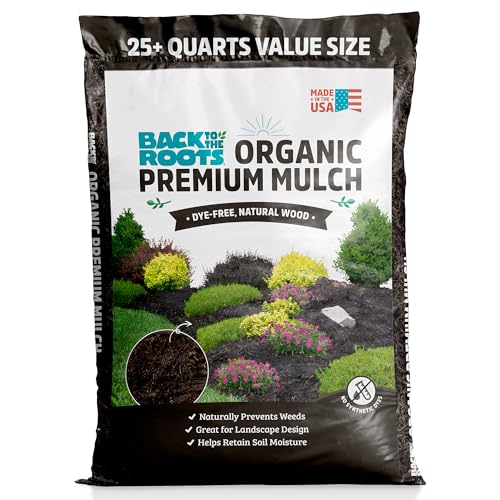
Mulch acts like a blanket on the soil. It keeps roots warm and stops frost from reaching them. Use natural materials like straw or shredded leaves.
- Spread 2 to 4 inches of mulch around plants
- Keep mulch away from plant stems to avoid rot
- Renew mulch layer before the first frost
- Choose mulch that drains well to prevent water buildup
Cover Sensitive Plants
Some plants need extra protection during frost nights. Use covers like cloth or frost blankets. Avoid plastic as it traps moisture and can hurt plants.
| Cover Type | Use For | Tip |
| Frost Blanket | Flower beds, small bushes | Secure edges to keep out cold air |
| Garden Cloth | Vegetables, young plants | Remove during the day for sunlight |
| Burlap | Shrubs, small trees | Wrap loosely to allow air flow |
Create Windbreaks
Cold wind dries plants and lowers temperature. Build windbreaks to block harsh air. Use fences, walls, or rows of tall plants to shield sensitive areas.
Windbreak ideas:
- Set up a temporary fence with burlap or plastic mesh
- Plant evergreen shrubs on the windy side
- Use wooden pallets to create a quick barrier
- Place large rocks or garden furniture near plants

Credit: www.owatroldirect.co.uk
Care For Trees And Shrubs
Preparing your garden for winter helps protect trees and shrubs from cold weather. Proper care keeps them healthy until spring.
Focus on pruning, wrapping, and applying sprays to reduce damage during winter months.
Prune Dead Or Damaged Branches
Cut off dead or broken branches to stop disease and pests. Pruning also helps the plant use energy better.
Use sharp tools and make clean cuts close to the branch base. Do this before the first frost.
Wrap Young Trees
Young trees have thin bark and need extra help to avoid frost cracks and animal damage. Wrapping keeps them safe.
Use tree wrap or burlap. Start wrapping from the base up to the first branches. Remove wrap in spring.
Apply Protective Sprays
Protect trees and shrubs from insects and fungal infections by using protective sprays. Choose sprays made for winter use.
- Spray in dry weather with no wind
- Cover all branches and leaves
- Follow instructions on the product label
Prepare Soil For Spring
Getting your garden soil ready before winter ends helps plants grow strong in spring. Good soil preparation saves work later and boosts your garden’s health.
Start by checking your soil’s condition. Then add natural materials to improve it. Finally, plan your planting to keep soil healthy year after year.
Test And Amend Soil
Test your soil to know its pH and nutrients. You can buy a simple test kit or send a sample to a lab. This step helps you choose the right amendments.
- Collect soil from several spots in your garden
- Mix the samples in a clean bucket
- Follow the test kit instructions carefully
- Note the pH level and nutrient amounts
- Use lime to raise pH or sulfur to lower it
- Add fertilizer based on nutrient needs
Add Organic Matter
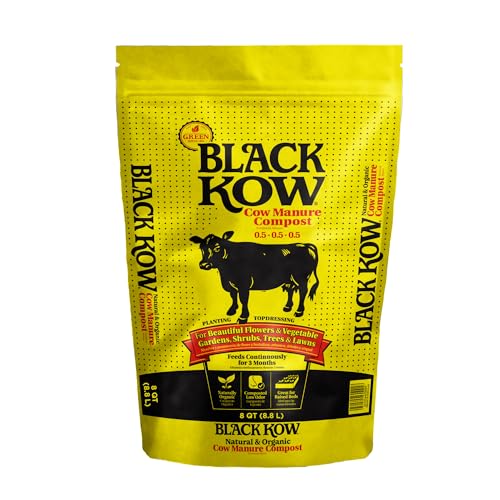
Organic matter feeds soil microbes and improves texture. It helps soil hold water and nutrients better. Spread compost, aged manure, or leaf mold over your garden beds.
| Type of Organic Matter | Benefit |
| Compost | Provides nutrients and improves soil structure |
| Aged Manure | Boosts fertility and water retention |
| Leaf Mold | Increases soil aeration and moisture |
Plan Crop Rotation
Crop rotation prevents pests and disease. It also balances soil nutrients. Divide your garden into sections and plan what to plant each year.
Try this simple rotation plan:
- Year 1: Plant leafy greens like lettuce or spinach
- Year 2: Plant root crops such as carrots or beets
- Year 3: Plant legumes like beans or peas to fix nitrogen
- Year 4: Plant fruiting vegetables like tomatoes or peppers
Maintain Garden Tools And Equipment
Preparing your garden for winter means taking care of your tools and equipment. Proper maintenance keeps them ready for next season. It also helps them last longer and work better.
Start by cleaning, sharpening, and storing your tools properly. Organize your storage space to protect your gear from cold and moisture. This guide will help you maintain your garden tools and equipment.
Clean And Sharpen Tools
Remove dirt and sap from your tools after the last use. Use a wire brush or soapy water to clean blades and handles. Dry them completely to avoid rust.
- Use a sharpening stone or file to sharpen blades.
- Check for any damage like cracks or loose handles.
- Apply oil to metal parts to prevent rust.
- Lubricate moving parts for smooth operation.
Drain And Store Equipment
Drain fuel and oil from gas-powered equipment like mowers and trimmers. Old fuel can clog the engine and cause damage. Run the engine until it stops to clear fuel lines.
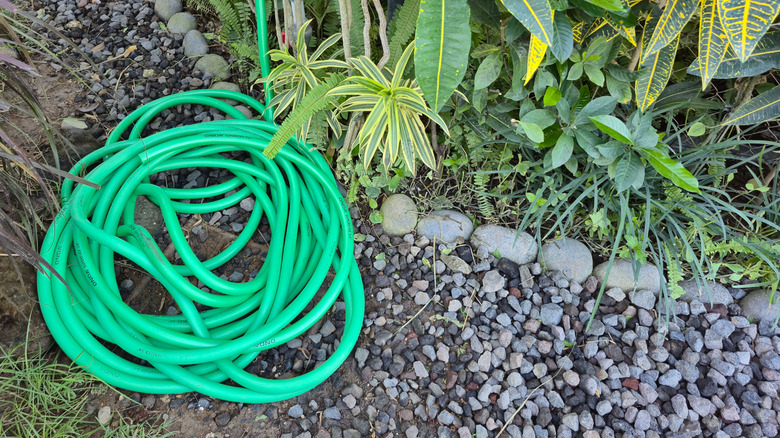
Empty water from hoses and irrigation systems. Store electrical cords indoors to protect them from moisture. Cover equipment to keep dust and pests away.
Organize Storage Space
| Storage Tip | Reason |
|---|---|
| Use wall hooks or pegboards | Keeps tools off the floor and easy to find |
| Label boxes and shelves | Helps locate small items quickly |
| Store sharp tools out of reach | Ensures safety for children and pets |
| Keep equipment in a dry place | Prevents rust and damage from moisture |
Plan For Winter Garden Projects
Preparing your garden for winter helps protect plants and sets you up for success. Planning winter projects keeps your garden healthy all year.
Use this time to think about next season’s garden. Organize your supplies and start indoor gardening to keep growing.
Design Next Season’s Layout
Sketch a new garden plan for spring. Think about which plants you want and where they will grow best.
Consider sunlight, spacing, and plant height. Rotate crops to keep soil healthy and prevent pests.
Order Seeds And Supplies
Make a list of seeds and tools you need for spring. Order early to avoid missing popular varieties.
Check your gardening tools and replace broken or worn items. Stock up on fertilizers and soil amendments.
- Seeds for vegetables and flowers
- New gardening gloves and tools
- Plant supports and pots
- Soil, compost, and fertilizers
Set Up Indoor Gardening
Start plants indoors to get a head start on the growing season. Use pots, trays, and grow lights if needed.
Choose easy plants for indoor growing, like herbs or lettuce. Keep them near a sunny window or use artificial light.
- Use seed trays or small pots
- Place plants in bright areas
- Water regularly but do not overwater
- Keep room temperature steady
Frequently Asked Questions
How Do I Protect Plants From Frost?
To protect plants from frost, cover them with burlap or frost cloth. Watering the soil before a cold night can also help. Mulching around plants insulates the roots and maintains soil warmth. Move potted plants indoors or to a sheltered area.
When Should I Start Winterizing My Garden?
Begin winterizing your garden in late fall, before the first frost. This timing allows you to prepare adequately. Clean up debris, add mulch, and cover sensitive plants. Completing these tasks early ensures your garden is ready for winter’s harsh conditions.
What Tools Are Essential For Winterizing A Garden?
Essential tools for winterizing include pruners, rakes, and garden gloves. A shovel is useful for digging up annuals. Mulch or burlap can be used to insulate plants. Frost covers protect delicate plants from freezing temperatures. These tools help prepare your garden efficiently.
Can I Plant Anything In Winter?
Yes, you can plant certain vegetables in winter, like garlic and onions. These crops thrive in cooler temperatures. Additionally, consider planting winter flowers like pansies. Ensure they are suited to your climate. Preparing soil properly enhances success with winter planting.
Conclusion
Preparing your garden for winter takes a little time and care. Clean up leaves and dead plants to keep pests away. Protect your soil with mulch to keep it healthy. Cover delicate plants to shield them from frost. Water your garden before the cold sets in.
These small steps help your garden stay strong through winter. Your plants will thank you when spring arrives. A well-prepared garden makes growing easier next year. Start early and enjoy a healthy garden all year round.