

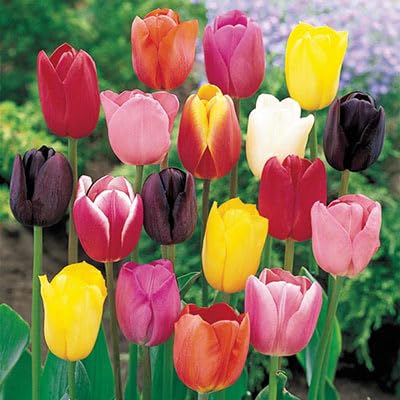

Are you tired of finding your garden trampled or your plants nibbled by unwanted animals? Protecting your garden doesn’t always mean building a fence.
There are simple, effective ways you can keep animals away without the hassle and expense of fencing. Imagine enjoying your garden without worrying about critters ruining your hard work. You’ll discover easy tips and tricks that work, so you can finally have the peaceful, thriving garden you deserve.
Keep reading to learn how to protect your garden effortlessly and naturally!
Common Garden Pests
Many animals can harm your garden without a fence. They eat plants, dig soil, and cause damage. Knowing these pests helps you protect your garden.
Using safe methods to keep animals away is important. This guide explains types of animals and the damage they cause.
Types Of Animals
Several animals often visit gardens looking for food or shelter. Common garden pests include deer, rabbits, squirrels, birds, and raccoons.
- Deer eat leaves, flowers, and vegetables
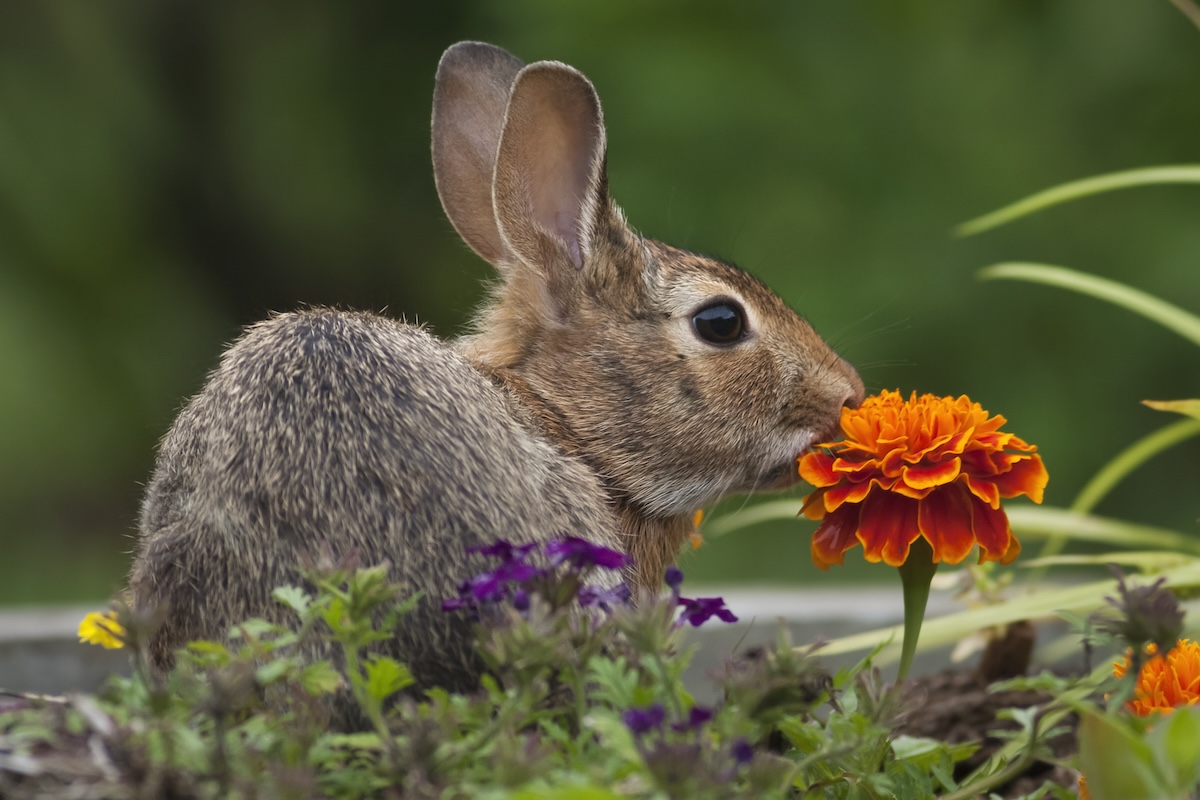
- Rabbits nibble on young plants and seedlings
- Squirrels dig in soil and take fruits or nuts
- Birds peck at fruits and seeds
- Raccoons search for insects and vegetables
Damage They Cause
Animals can harm plants by eating leaves, stems, and fruits. They also dig holes, which can hurt roots and disturb soil.
- Deer can strip bark and break branches
- Rabbits chew on stems and leaves, killing young plants
- Squirrels dig up bulbs and spread seeds out of place
- Birds eat ripening fruits and seeds, reducing harvest
- Raccoons dig in soil and damage vegetables
Natural Deterrents
Keeping animals out of your garden can be done without using fences. Natural deterrents are safe and effective options. They help protect plants without harming animals.
Using plants, sprays, and oils can keep unwanted visitors away. These methods are easy to apply and eco-friendly.
Plants That Repel Animals
Certain plants naturally keep animals away from your garden. They produce smells or tastes animals dislike. Planting these around your garden can create a natural barrier.
- Marigolds: Their scent deters rabbits and deer.
- Lavender: Keeps moths and fleas away.
- Chrysanthemums: Contain natural insect repellents.
- Garlic: Its strong smell repels many animals.
- Rosemary: Keeps insects and small animals at bay.
Homemade Sprays
You can make sprays with ingredients from your kitchen. These sprays have strong smells that animals dislike. Spray them on plants or around your garden edges.
- Mix water with crushed garlic and chili powder.
- Add a few drops of liquid soap to help it stick.
- Pour the mix into a spray bottle.
- Spray plants every few days or after rain.
- Store leftover spray in a cool place.
Essential Oils
| Essential Oil | Animals Repelled | Application Tips |
|---|---|---|
| Peppermint Oil | Deer, rabbits, insects | Mix with water and spray on plants |
| Tea Tree Oil | Rodents, insects | Use diluted oil on cotton balls near plants |
| Eucalyptus Oil | Deer, rabbits | Spray diluted oil around garden edges |
| Clove Oil | Insects, small mammals | Mix with water and spray on problem areas |
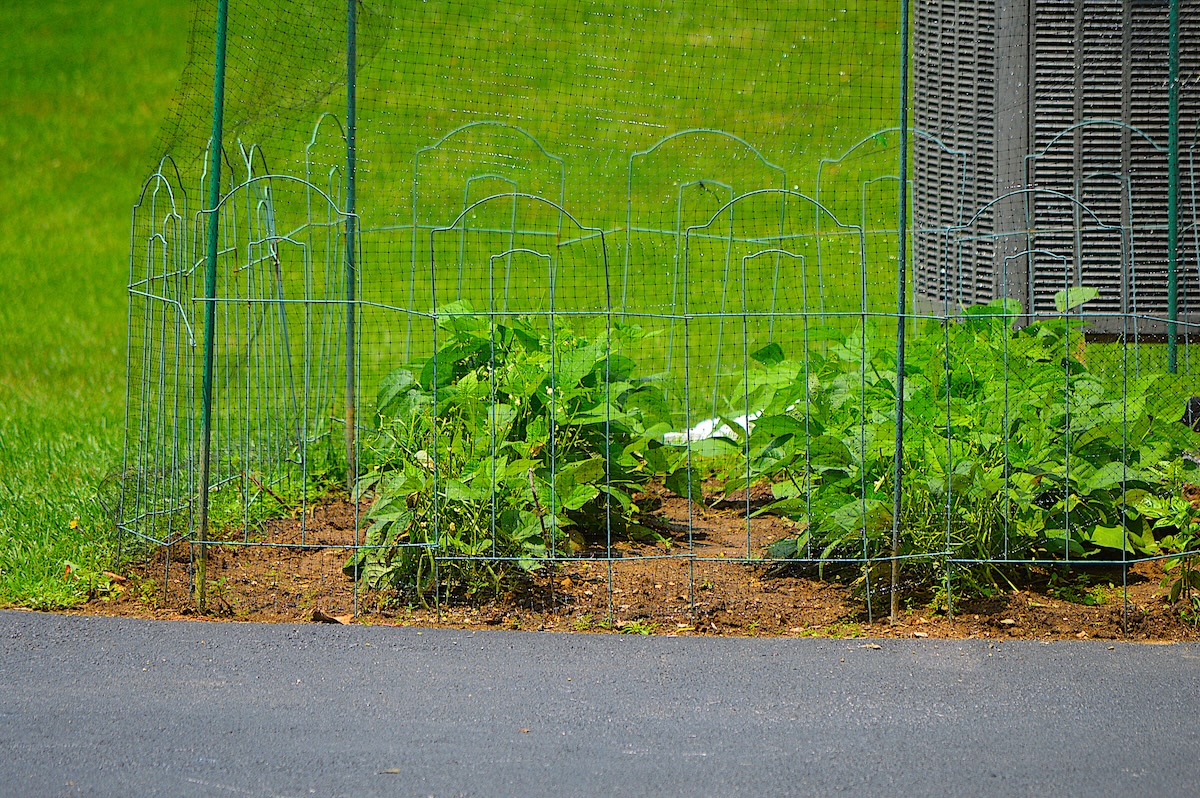
Physical Barriers Without Fences
Keeping animals out of your garden can be tricky without a fence. Physical barriers help protect plants and fruits.
You can use materials that block animals but do not look like fences. These options work well for small gardens.
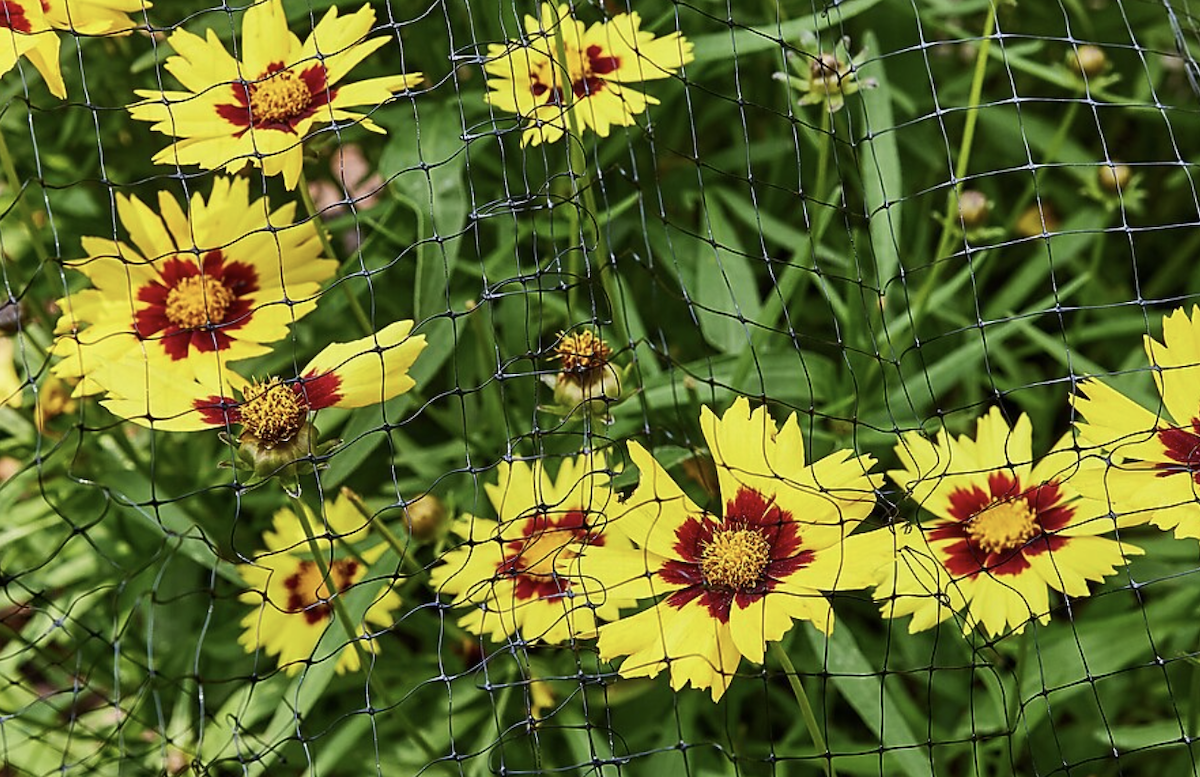
Garden Netting
Garden netting is a fine mesh that covers plants. It keeps birds and small animals from eating fruits and vegetables.
Netting is easy to place over plants or frames. It lets sunlight and water through but blocks animals.
- Choose lightweight netting for easy handling
- Secure edges to stop animals from sneaking in
- Remove netting carefully to avoid plant damage
Row Covers
Row covers are cloth or fabric sheets placed over garden rows. They protect plants from insects and animals.
These covers allow air, water, and light to reach plants. Animals cannot get inside to eat leaves or fruits.
- Use lightweight row covers for easy placement
- Anchor covers with soil or pins to keep in place
- Check plants often to avoid moisture build-up
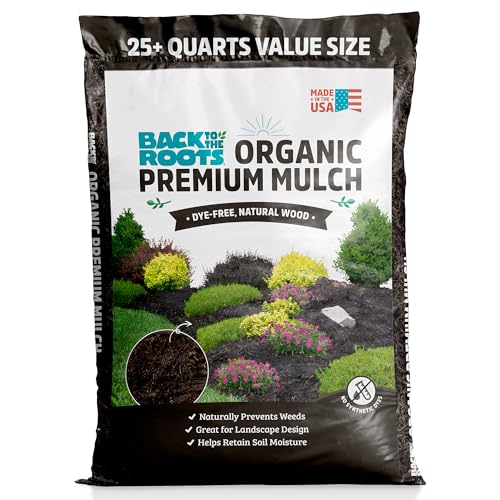
Mulch And Gravel
Mulch and gravel create a rough surface that animals dislike. They avoid walking on these materials.
Using mulch or gravel around plants helps keep animals away. It also stops weeds and keeps soil moist.
- Spread mulch or gravel thickly around plants
- Choose coarse mulch to deter small animals
- Refresh mulch regularly to maintain barrier
Using Sounds And Lights
Animals can damage your garden by eating plants or digging. You can stop them without building a fence. Sounds and lights can scare animals away.
These tools are easy to use and do not harm animals. They make your garden a less inviting place for unwanted visitors.
Ultrasonic Devices
Ultrasonic devices send out high-frequency sounds. Animals hear these sounds but humans usually do not. The noise bothers animals and keeps them away.
These devices work well for animals like rabbits, deer, and rodents. Place them near garden edges or areas with frequent animal visits.
- Safe for pets and people
- Requires batteries or power source
- Needs proper placement for best effect
Motion-activated Lights
Motion-activated lights turn on when animals move nearby. The sudden light can startle animals and make them leave. This works especially well at night.
These lights also save energy because they are off when no one is around. Place lights near garden paths or entry points to block animal access.
- Deters animals like deer and raccoons
- Easy to install and use
- Can help with garden security
Wind Chimes
Wind chimes create gentle sounds when the wind blows. These sounds can scare away some animals. The noise is natural but can be surprising for wildlife.
Hang wind chimes near plants or garden edges. They work best in windy areas and add a pleasant sound to your garden.
- Simple and natural animal deterrent
- No batteries or power needed
- Decorative and functional
Animal Behavior Techniques
Keeping animals out of your garden can protect your plants and flowers. You can use their natural behaviors to discourage them.
Simple methods work well without building fences. Using scare tactics, decoy animals, and garden care helps keep animals away.
Scare Tactics
Animals often avoid places that seem dangerous. You can use sounds, lights, or movements to scare them off.
- Place wind chimes to create noise
- Use flashing lights or reflective tape
- Install motion-activated sprinklers
- Move scarecrows or fake owls around
Decoy Animals
Some animals stay away if they think a predator is nearby. Using decoy animals can trick pests into leaving your garden.
| Decoy Animal | Purpose |
| Plastic owl | Scares away birds and small animals |
| Rubber snake | Keeps rabbits and squirrels away |
| Fake coyote | Deters deer and larger pests |
Regular Garden Maintenance
Keeping your garden clean makes it less attractive to animals. Remove things that invite pests to stay.
- Clear fallen fruit and nuts from the ground
- Trim overgrown bushes and weeds
- Remove hiding spots like piles of leaves or wood
- Water plants early in the day to avoid dampness at night
Credit: www.bobvila.com
Safe Trapping And Relocation
Keeping animals out of your garden can be done safely without fences. Using humane traps helps catch animals without harm. Relocating animals far from your garden stops them from coming back.
This guide explains how to trap animals carefully and move them legally and safely. It covers humane traps, tips for relocation, and important legal rules.
Humane Traps
Humane traps catch animals alive without hurting them. These traps close gently after the animal steps inside. They allow you to release the animal later without injury.
- Choose a trap size that fits the animal you want to catch.
- Place bait like fruits, nuts, or pet food inside the trap.
- Check traps often, at least twice a day, to avoid stress.
- Use gloves to handle traps and animals for safety and hygiene.
- Set traps in places where animals usually visit your garden.
Relocation Tips
Relocate animals to a safe place far from your garden. This helps prevent them from returning. Pick a spot with enough food and shelter for the animal.
| Tip | Description |
| Distance | Move animals at least 5 miles away from your garden |
| Habitat | Choose natural areas with trees and water |
| Time | Release animals during daylight for safety |
| Handling | Wear gloves and open traps carefully to avoid injury |
Legal Considerations
Laws about trapping and moving animals vary by location. Some animals need permits to trap or relocate. Check local rules before trapping any animal.
- Contact wildlife authorities for rules in your area.
- Do not trap protected or endangered species.
- Report trapped animals if required by law.
- Follow guidelines for safe and legal release.
Preventive Measures
Keeping animals out of your garden without a fence can be done with simple steps. These actions stop animals from coming near your plants.
Using preventive measures helps protect your garden and saves you from damage caused by animals.
Removing Attractants
Animals visit gardens looking for food, water, or shelter. Removing these attractants makes your garden less inviting.
Keep fruits, vegetables, and fallen plants picked up. Avoid leaving pet food or birdseed outside.
- Pick ripe fruits and vegetables quickly
- Clear fallen leaves and plant debris
- Remove standing water sources
- Store pet food indoors
- Clean bird feeders regularly
Proper Waste Management
Trash and compost piles can attract animals. Manage waste properly to keep animals away.
Use sealed bins for garbage and compost. Place bins far from your garden to reduce animal visits.
- Use animal-proof trash cans with tight lids
- Turn compost regularly to speed decomposition
- Keep compost bins closed at all times
- Dispose of food scraps properly
- Clean waste areas often to avoid smells
Timing Of Planting
Planting at the right time can reduce animal damage. Animals are less active in some seasons.
Choose planting times when animals look for food less often. Early or late season planting can help.
- Plant early in spring before animals are very active
- Avoid planting during peak animal feeding times
- Harvest crops quickly to avoid attraction
- Use fast-growing plants to reduce exposure time
Credit: www.bobvila.com
Credit: www.bobvila.com
Frequently Asked Questions
How To Deter Animals From Gardens Naturally?
To deter animals naturally, use strong-smelling plants like mint, rosemary, or marigolds. These scents can repel animals. Additionally, homemade sprays with garlic, pepper, or vinegar can be effective. Regularly switching repellents prevents animals from adapting to them. Combining several methods ensures better protection for your garden.
What Plants Repel Garden Animals Effectively?
Plants like lavender, marigolds, and mint are excellent at repelling garden animals. Their strong scents deter many pests. Incorporate these plants around the garden’s perimeter. Not only do they deter animals, but they also add beauty. Regularly maintaining these plants enhances their repelling effect.
Can Motion-activated Devices Protect Gardens?
Motion-activated devices, like sprinklers and lights, effectively scare away animals. These devices surprise intruders, making them flee. Place them strategically around the garden for maximum coverage. Regularly test and maintain them for consistent performance. They are a humane and eco-friendly solution for garden protection.
Are Homemade Animal Repellents Effective?
Homemade animal repellents can be quite effective. Mix ingredients like garlic, chili, and vinegar for a potent solution. Spray this around garden perimeters to deter intruders. Regular application and changing recipes can improve effectiveness. They’re a cost-effective and eco-friendly alternative to commercial products.
Conclusion
Keeping animals out of your garden without a fence is possible. Use natural repellents and barriers to protect plants. Choose plants that animals do not like. Create noise or movement to scare them away. Regularly check your garden for signs of intruders.
Simple methods can save your garden from damage. Protect your plants with patience and care. A healthy garden brings joy and fresh produce. Try these tips and enjoy a peaceful garden space.