


As winter approaches, your garden beds face harsh conditions that can damage your plants and soil. If you want to keep your garden healthy and ready for spring, you need to know how to cover your garden beds properly.
In this guide, you’ll discover simple and effective ways to protect your soil and plants from frost, cold, and moisture. By following these tips, you’ll save time and effort when the growing season returns. Ready to learn how to give your garden the best winter care?
Keep reading to find out!

Credit: soil3.com
Choosing The Right Covering
Covering garden beds for winter helps protect plants from cold and frost. Choosing the right covering keeps soil healthy and plants safe.
Different materials suit different needs. Some cover soil well, others protect from frost or hold moisture.
Types Of Mulch
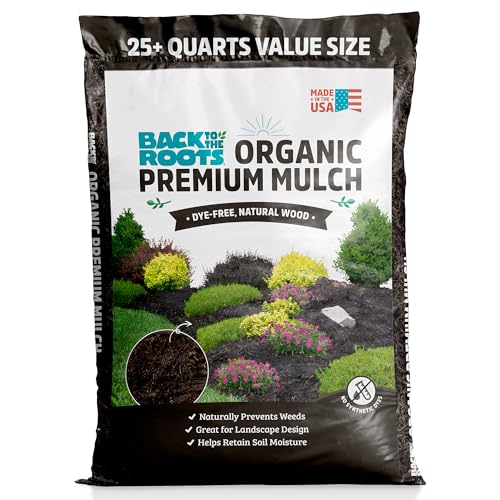
Mulch covers soil to keep it warm and moist. It also stops weeds from growing. Organic mulches break down and add nutrients to the soil.
- Straw or hay: Light and easy to spread. Good for vegetables.
- Leaves: Free and natural, but may mat down and block air.
- Wood chips or bark: Last longer but can tie up nitrogen in soil.
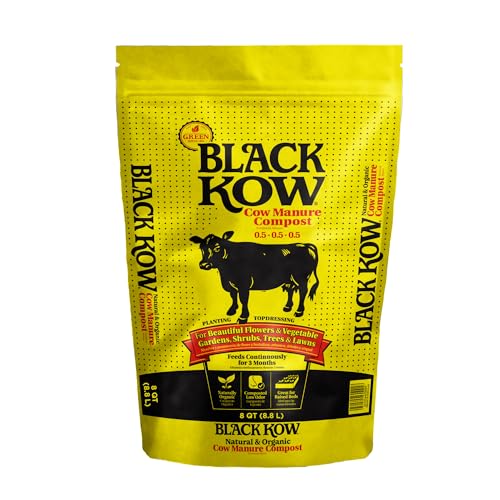
- Compost: Adds nutrients while covering soil.
Using Frost Cloths
Frost cloths are lightweight fabrics that protect plants from frost damage. They allow air and water to pass through but keep cold air out.
Use frost cloths to cover plants directly. Secure edges with soil or rocks to keep cloth in place during wind.
Plastic Covers And Tarps
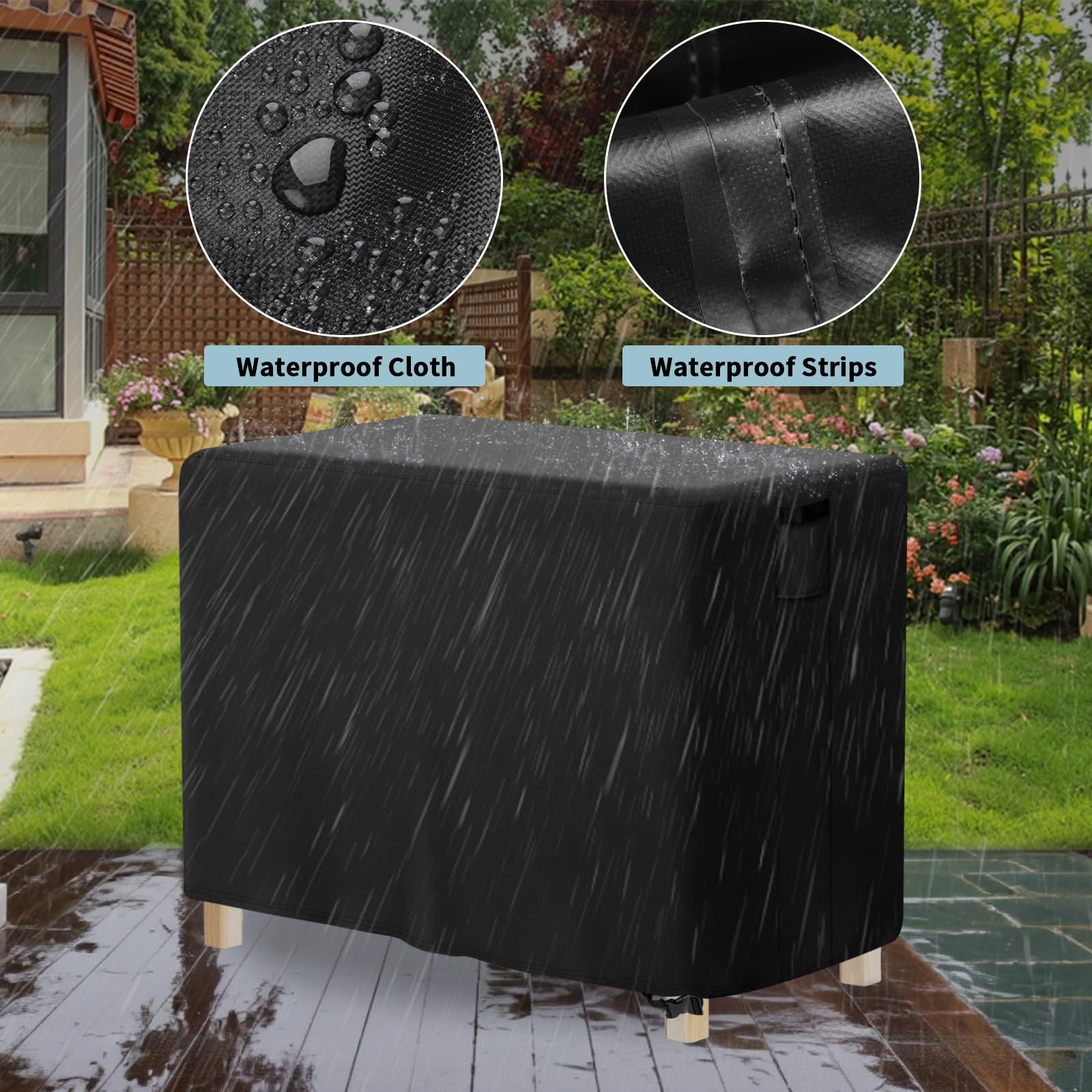
Plastic covers and tarps provide strong protection from cold and wet weather. They trap heat but can cause moisture buildup under the cover.
| Material | Benefits | Drawbacks |
| Clear plastic | Lets sunlight in, warms soil | Can overheat plants if too warm |
| Black plastic | Blocks light, controls weeds | Does not warm soil as much |
| Tarps | Strong and durable | Blocks air and water, may cause mold |

Credit: www.knowlenets.co.uk
Preparing Garden Beds
Covering garden beds for winter protects your plants and soil. Proper preparation helps your garden stay healthy until spring.
Follow these simple steps to prepare your garden beds for the cold season. Cleaning, pruning, and soil care are key tasks.
Cleaning Up Debris
Remove dead leaves, stems, and other debris from your garden beds. This reduces pests and diseases that can harm plants over winter.
- Rake fallen leaves and twigs
- Clear out old plant material
- Dispose of weeds and diseased plants
- Remove any fallen fruit or vegetables
Pruning Plants
Cut back dead or weak branches from shrubs and perennials. This helps plants use energy efficiently and stay strong through winter.
Prune carefully to avoid damaging healthy growth. Use clean, sharp tools for best results.
Soil Preparation Tips
Prepare the soil to keep it healthy and ready for next season. Adding nutrients and protecting soil structure are important tasks.
| Task | Purpose | How to Do It |
| Add Compost | Improves soil nutrients | Spread a 2-inch layer of compost over beds |
| Loosen Soil | Improves air and water flow | Use a garden fork to turn soil gently |
| Mulch | Protects soil from cold | Apply straw or shredded leaves 3 inches thick |
Applying Mulch Effectively
Mulching garden beds helps protect plants during winter. It keeps soil warm and moist. Proper mulch application prevents damage from cold weather.
Using the right technique and timing can improve your garden’s health. Learn how to apply mulch to cover your garden beds well.
Best Mulching Techniques
Spread mulch evenly over the soil surface. Avoid piling mulch against plant stems or tree trunks. This prevents rot and pest issues.
- Clear weeds and debris before applying mulch.
- Use organic materials like straw, leaves, or wood chips.
- Keep mulch loose to allow air and water to reach roots.
- Replenish mulch if it compresses or washes away.
Recommended Mulch Depth
Mulch depth affects soil temperature and moisture. Too thin mulch may not protect well. Too thick mulch can suffocate roots.
| Mulch Type | Recommended Depth |
| Straw or Hay | 3 to 4 inches (7.5 to 10 cm) |
| Wood Chips or Bark | 2 to 3 inches (5 to 7.5 cm) |
| Leaves | 2 to 3 inches (5 to 7.5 cm) |
| Compost | 1 to 2 inches (2.5 to 5 cm) |
Timing For Mulching
Apply mulch after the first hard frost. This timing helps lock in soil warmth. Mulching too early may cause pests or mold.
- Wait until soil temperature drops below 50°F (10°C).
- Remove mulch in early spring to allow new growth.
- Check mulch layer during winter for damage or thinning.
Protecting Delicate Plants
Delicate plants need extra care during winter. Cold temperatures can damage or kill them.
Covering garden beds helps keep plants safe and healthy until spring.
Using Cloches And Cold Frames
Cloches and cold frames create a small greenhouse effect. They trap heat and protect plants from frost.
Place cloches over individual plants. Use cold frames for larger groups of plants or garden beds.
- Cloches are clear covers made from glass or plastic.
- Cold frames have a transparent lid and wooden or metal sides.
- Both let sunlight in and keep cold wind out.
- Open lids on sunny days to avoid overheating.
Wrapping Shrubs And Trees
Wrap shrubs and small trees to protect them from cold winds and frost. Use breathable materials to avoid moisture buildup.
Secure burlap or frost cloth around the plants. Avoid using plastic directly on plants to prevent damage.
- Start wrapping from the base up to the branches.
- Use twine or soft ties to hold the wrap in place.
- Check wrapped plants regularly for signs of moisture or pests.
- Remove wraps in early spring to allow new growth.
Indoor Relocation Options
Some delicate plants do better indoors during winter. Moving pots inside protects them from freezing temperatures.
Choose a bright, cool spot inside your home. Avoid places with direct heat or drafts.
- Water plants less often in winter to prevent root rot.
- Keep plants away from heaters and cold windows.
- Use grow lights if natural light is low.
- Check plants regularly for pests and diseases.
Maintaining Covered Beds
Covering garden beds for winter protects plants from cold damage. Proper maintenance keeps the covers effective all season.
Check your covered beds regularly. Small problems can grow if not noticed early.
Monitoring Moisture Levels
Covered beds may trap moisture or dry out too fast. Check soil moisture at least once a week.
- Use a moisture meter or your finger to test soil dampness.
- If soil is too wet, slightly lift the cover to let air circulate.
- If soil is dry, water lightly under the cover to avoid overwatering.
Checking For Pest Issues
Pests can hide under covers and damage plants. Look for signs of insects or animal activity.
| Pest Type | Signs to Watch | Action |
| Aphids | Sticky leaves, curled foliage | Spray with water or insecticidal soap |
| Rodents | Chewed leaves, droppings | Set traps or remove cover briefly |
| Slugs | Slime trails, holes in leaves | Place slug bait or handpick |
Adjusting Covers During Warm Spells
Warm days can cause overheating under covers. Open or shift covers to cool plants.
- Partially lift covers in the morning to release heat.
- Secure covers again before night to keep warmth.
- Remove heavy snow from covers to prevent damage.
Credit: www.amazon.com
Frequently Asked Questions
Why Cover Garden Beds For Winter?
Covering garden beds helps protect plants from frost and harsh weather. It maintains soil warmth and prevents erosion. This process also helps retain moisture and reduces weed growth. Proper coverage ensures that your plants are healthy and ready for growth in spring.
What Materials Are Best For Winter Covering?
Straw, mulch, and burlap are excellent for covering garden beds. Straw insulates well and is biodegradable. Mulch helps retain moisture and adds nutrients to the soil. Burlap allows airflow while protecting plants from frost and wind damage.
How Do I Prepare Garden Beds Before Covering?
Remove weeds and debris from the garden beds. Cut back dead or diseased plant parts. Add a layer of compost to enrich the soil. Water the beds well before applying any covering material. This preparation ensures better plant health during winter.
Can I Use Plastic To Cover Garden Beds?
Plastic can be used but with caution. It provides excellent frost protection but may trap moisture and heat. Ensure proper ventilation to prevent mold and overheating. Use clear plastic for better sunlight penetration and remove it during warmer days.
Conclusion
Covering garden beds for winter helps protect plants from cold damage. Use mulch, leaves, or fabric to keep soil warm and moist. This care supports healthy growth when spring arrives. Don’t forget to check covers occasionally for damage or wetness.
Simple steps now save time and effort later. Your garden will thank you with strong, vibrant plants next season. Keep it cozy, and enjoy a beautiful garden year after year.