



Are you wondering what to grow in a winter garden that stays vibrant and alive even when it’s cold outside? You don’t have to put your gardening dreams on hold just because the seasons change.
Imagine stepping outside to fresh, homegrown greens and colorful blooms during winter—sounds amazing, right? You’ll discover easy and rewarding plants that thrive in chilly weather. Keep reading to find out how you can turn your winter garden into a lively, productive space all season long.
Choosing Crops For Winter
Winter gardens need special crops that can grow in cold weather. Not all plants survive frost or snow.
Pick plants that stay healthy despite low temperatures. This helps you get fresh food all winter.
Cold-hardy Vegetables
Cold-hardy vegetables can live through freezing nights. They grow slowly but stay strong in winter.
These vegetables include cabbage, Brussels sprouts, and kale. They keep producing even in frost.
- Cabbage
- Brussels sprouts
- Kale
- Broccoli
- Cauliflower
Root Crops That Thrive
Root crops grow underground where it is warmer. They store energy and taste sweeter after frost.
Carrots, turnips, and parsnips are good for winter gardens. They keep fresh in cold soil.
- Carrots
- Turnips
- Parsnips
- Beets
- Radishes
Leafy Greens For Frosty Days
Leafy greens grow fast and are easy to harvest. Many can survive light frost and cold winds.
Spinach, lettuce, and Swiss chard do well in winter. They add fresh leaves to your meals.
- Spinach
- Lettuce
- Swiss chard
- Arugula
- Mustard greens

Credit: www.hgtv.com
Preparing Your Winter Garden
Preparing your garden for winter helps plants survive cold weather. It also gives your crops a better chance to grow. Taking time to get the soil and protection ready is important.
Use simple steps to protect your plants and keep your garden healthy all season long. This guide covers soil preparation, mulch use, and setting up cold frames and cloches.
Soil Preparation Tips
Good soil helps plants get nutrients and stay strong in winter. Start by clearing old plants and weeds. Then add compost to improve soil quality. Turn the soil gently to mix in nutrients.
- Remove dead plants and weeds
- Add compost or well-rotted manure
- Turn soil to aerate and mix nutrients
- Check soil pH and adjust if needed
- Remove stones and debris
Using Mulch For Protection
Mulch keeps soil warm and stops moisture loss. It also blocks weeds and protects roots from frost. Use organic mulch like straw, leaves, or wood chips.
| Mulch Type | Benefits | Best For |
|---|---|---|
| Straw | Keeps soil warm and dry | Vegetables and root crops |
| Leaves | Adds nutrients when decomposed | Flower beds and shrubs |
| Wood chips | Good for long-term weed control | Perennial plants and pathways |
Setting Up Cold Frames And Cloches
Cold frames and cloches protect plants from frost and wind. They create a warmer microclimate for seedlings. Cold frames are like small boxes with a transparent lid. Cloches are small covers placed over plants.
- Place cold frames in sunny, sheltered spots
- Use clear plastic or glass lids to let light in
- Ventilate during warmer days to avoid overheating
- Cover young plants with cloches at night
- Remove covers during the day to prevent mold
Best Vegetables For Cold Seasons
Winter gardens can grow fresh vegetables even in cold weather. Some plants handle frost and low temperatures well.
Choosing the right vegetables helps you enjoy harvests during winter months. These crops stay healthy and tasty when it is cold.
Kale And Other Brassicas
Kale grows well in cold weather and often tastes sweeter after frost. Other brassicas like cabbage, broccoli, and Brussels sprouts are good too.
These vegetables stay hardy in winter and provide important nutrients. They need full sun and well-drained soil to thrive.
- Kale
- Cabbage
- Broccoli
- Brussels sprouts
Carrots And Parsnips
Carrots and parsnips develop a sweet flavor after cold weather. They grow underground, which protects them from frost.
Plant these root vegetables in loose soil to help roots grow straight. Harvest them before the ground freezes hard.
- Carrots
- Parsnips
Spinach And Swiss Chard
Spinach and Swiss chard grow fast and stay green in cold weather. They are rich in vitamins and easy to cook.
Both plants need some sunlight but tolerate shade. Water them regularly to keep leaves fresh and tender.
- Spinach
- Swiss chard
Herbs That Survive Winter
Winter gardens can still grow fresh herbs. Some herbs stay green and healthy in cold weather.
Choosing hardy herbs helps keep your garden lively through winter months.
Thyme And Sage
Thyme is a tough herb that can survive freezing temperatures. It grows low to the ground and stays green.
Sage has thick leaves that protect it from frost. It can grow well in cold and dry winter conditions.
Chives And Parsley
Chives die back in winter but come back early in spring. They can survive under light snow cover.
Parsley grows slowly in cold weather. It can handle frost and stay fresh if protected.
Winter-rosemary Varieties
Some rosemary types handle winter well. These varieties resist cold better than regular rosemary.
Winter-rosemary keeps leaves green and adds flavor to winter dishes. It needs good drainage in cold months.
Extending The Growing Season
Growing fresh vegetables in winter can be tough. Cold weather stops many plants from growing well. But you can use smart methods to keep your garden productive longer. These ways help you grow more food even in cold months.
Here are some easy ways to extend your garden’s growing season. They help you protect plants and plan your crops for year-round harvests.
Using Greenhouses And Hoop Houses
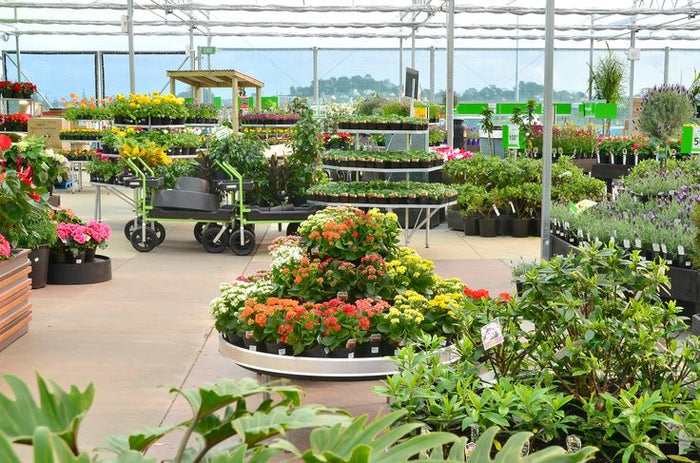
Greenhouses and hoop houses trap sunlight and keep the air warm. They protect plants from frost and wind. This lets you grow plants longer into the cold season. You can even start seeds earlier in spring inside these structures.
- Choose a sunny spot for your greenhouse or hoop house.
- Use plastic or glass covers to keep heat inside.
- Ventilate on warm days to prevent overheating.
- Add mulch or soil heating cables to keep roots warm.
- Grow cool-season crops like lettuce, spinach, and kale inside.
Seasonal Crop Rotation
Crop rotation means planting different crops in the same soil each season. This keeps the soil healthy and stops pests and diseases. Rotating crops helps plants grow better and longer through the year.
| Season | Crop Type | Examples |
| Fall | Leafy Greens | Spinach, Kale, Lettuce |
| Winter | Root Vegetables | Carrots, Beets, Turnips |
| Spring | Fruiting Plants | Tomatoes, Peppers, Beans |
| Summer | Heavy Feeders | Corn, Squash, Cucumbers |
Succession Planting Strategies
Succession planting means growing crops in a planned order. You plant new seeds after harvesting early crops. This keeps your garden producing fresh vegetables all season long.
- Plant quick-growing crops like radishes first.
- Follow with slower crops such as carrots or beans.
- Use leftover space for leafy greens between rows.
- Keep planting every few weeks for steady harvests.
- Use cold frames to protect late-season crops.
Credit: www.palmers.co.nz
Common Challenges In Winter Gardening
Winter gardening brings unique problems. Cold weather can harm plants and soil.
Gardeners must face frost, pests, and water issues. Knowing these helps keep plants healthy.
Dealing With Frost Damage
Frost can freeze plant cells and cause damage. Leaves may turn black or wilt.
Cover plants with cloth or plastic at night. Move potted plants indoors if possible.
- Use frost blankets or old sheets
- Water plants before frost to keep soil warm
- Avoid pruning late in the season
Pest Control In Cold Weather
Some pests stay active in winter. They hide under leaves or in soil.
Inspect plants regularly for signs of pests. Remove affected leaves or use safe sprays.
- Check for aphids and spider mites
- Use insecticidal soap if needed
- Encourage beneficial insects like ladybugs
Managing Water And Drainage
Water needs change in winter. Overwatering can harm roots and cause rot.
Ensure soil drains well. Water plants less but do not let soil dry out completely.
- Check pots for good drainage holes
- Water in the morning to avoid frozen soil
- Use mulch to keep moisture and protect roots

Credit: www.magnoliasyarden.com
Frequently Asked Questions
What Vegetables Grow Best In A Winter Garden?
Cold-hardy vegetables like kale, spinach, carrots, and Brussels sprouts thrive in winter gardens. These crops tolerate frost and require less sunlight, making them ideal for colder months. Growing them ensures fresh, nutritious produce throughout winter.
How Do I Protect Winter Plants From Frost?
Use mulch, row covers, or cold frames to shield plants from frost. These methods retain soil warmth and protect leaves. Watering plants before frost can also help by insulating roots and preventing damage.
Can Herbs Grow In A Winter Garden?
Yes, many herbs like rosemary, thyme, and parsley grow well in winter. They prefer cooler temperatures and can survive mild frost. Plant them in sheltered spots or containers for best results.
What Soil Is Best For Winter Gardening?
Well-draining, nutrient-rich soil with organic matter is ideal for winter gardening. It prevents waterlogging and promotes healthy root growth. Adding compost improves soil structure and fertility during colder months.
Conclusion
Growing a winter garden is rewarding and fun. It offers fresh produce during cold months. Choose hardy plants like kale, spinach, and carrots. They thrive in chilly weather. Use protective covers to shield them from frost. Proper planning ensures a successful winter harvest.
Enjoy the benefits of your efforts. Fresh veggies in winter enhance meals and health. Gardening in winter is simple and enjoyable. Anyone can do it with the right choices. Start small and learn as you go. Experience the joy of growing your own food all year round.
Happy gardening!