

Are you wondering if grass clippings can be a good mulch for your vegetable garden? You’re not alone.
Many gardeners ask this question because using what’s right in your backyard sounds easy and budget-friendly. But before you spread those fresh green clippings around your plants, it’s important to know how they affect your soil, moisture, and plant health.
Keep reading, and you’ll discover the surprising benefits—and some hidden risks—of using grass clippings as mulch. This way, you can make the best choice for your garden to thrive all season long.
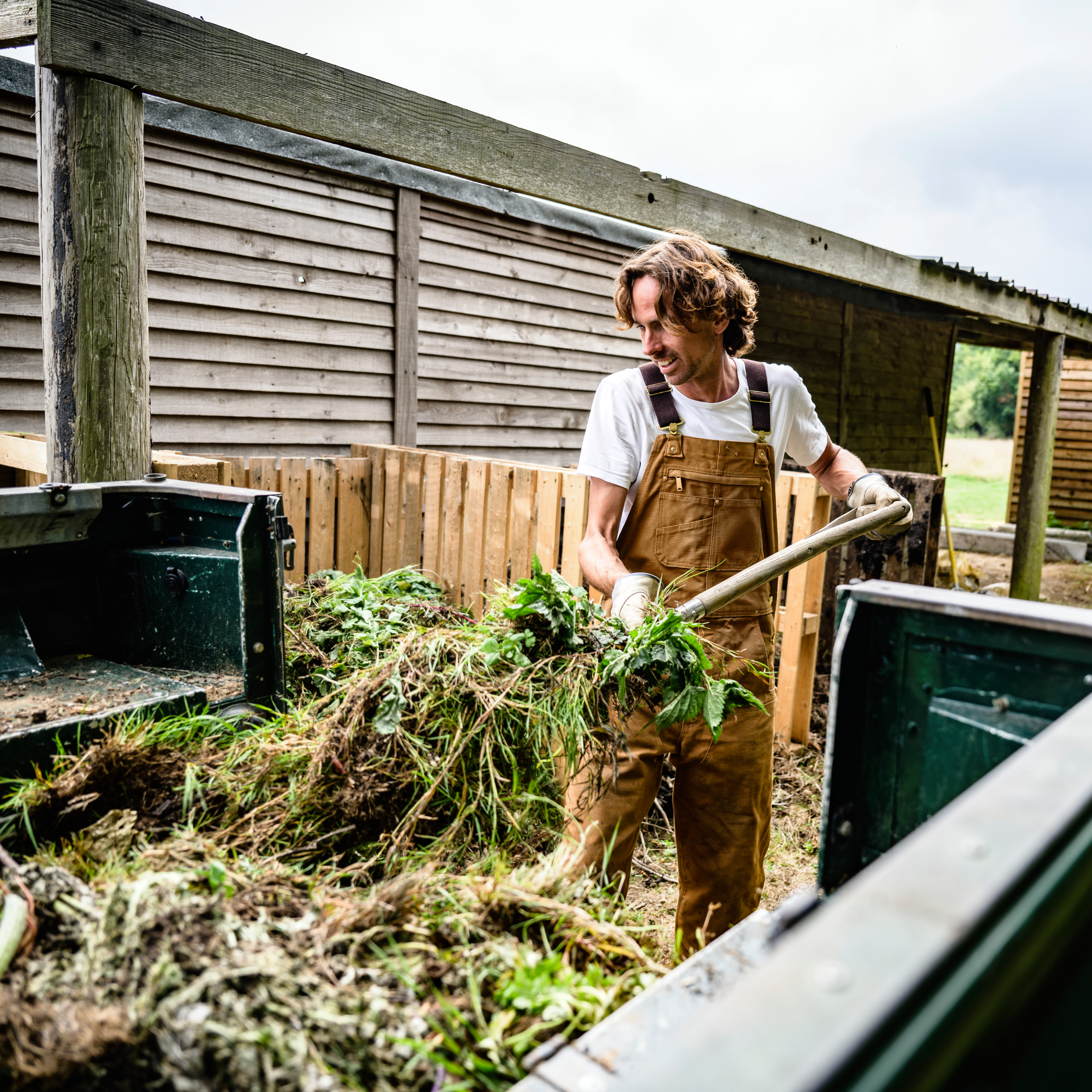
Credit: www.gardeningknowhow.com
Benefits Of Grass Clippings
Grass clippings make a natural mulch for vegetable gardens. They help improve soil and support healthy plant growth.
Using grass clippings is a simple way to add nutrients and protect your garden soil.
Nutrient Content And Soil Enrichment
Grass clippings contain key nutrients like nitrogen, potassium, and phosphorus. These nutrients feed your plants and help the soil stay healthy.
| Nutrient | Role in Soil | Effect on Plants |
|---|---|---|
| Nitrogen | Boosts soil fertility | Supports leafy growth |
| Potassium | Strengthens plant roots | Improves disease resistance |
| Phosphorus | Helps root and flower growth | Increases crop yield |
Moisture Retention Advantages
Grass clippings act as a cover on the soil surface. They keep moisture in the ground longer by reducing evaporation.
- Prevent soil from drying out fast
- Keep roots cooler in hot weather
- Reduce the need for frequent watering
Weed Suppression Effects
Grass clippings form a layer that blocks sunlight. This stops many weed seeds from growing in your vegetable garden.
Using grass clippings as mulch can reduce weeding time. It helps your plants get nutrients without competition.
Potential Risks Of Using Grass Clippings
Grass clippings are a common mulch choice for vegetable gardens. They can help retain moisture and add nutrients. Yet, using them has some risks that gardeners should know.
Understanding these risks will help you decide if grass clippings suit your garden needs. It also guides you on how to use them safely.
Risks Of Mold And Disease
Fresh grass clippings can hold moisture for a long time. This wetness can cause mold growth. Mold may harm plants by spreading diseases.
- Grass clippings may carry fungal spores from diseased grass.
- Thick layers of clippings block air flow and keep soil too wet.
- Mold can damage leaves and roots of vegetable plants.
- Using dry or thin layers reduces the chance of mold.
Impact Of Herbicides And Chemicals
Grass clippings might contain herbicides or chemicals from treated lawns. These chemicals can harm your vegetables. They may stunt growth or cause leaf damage.
| Source | Possible Effect on Vegetables |
| Herbicide-treated grass | Leaf burn, poor growth |
| Pesticide residues | Reduced plant health |
| Fertilizer chemicals | Soil nutrient imbalance |
Nitrogen Imbalance Concerns
Grass clippings contain a lot of nitrogen. This can be good for plants, but too much nitrogen can cause problems. Excess nitrogen may lead to lush leaves but weak roots.
Signs of nitrogen imbalance include:
- Dark green leaves with little fruit.
- Slow growth of roots and flowers.
- Higher chance of pests and diseases.
Best Practices For Applying Grass Clippings
Grass clippings can be a useful mulch for your vegetable garden. Using them the right way helps protect plants and keep soil moist. Follow these best practices for the best results.
Applying grass clippings incorrectly can cause problems. Learn how to prepare, layer, and time your mulch to keep your garden healthy.
Proper Drying And Preparation
Fresh grass clippings are wet and can form a dense mat. This stops air and water from reaching the soil. Always dry grass clippings before use to avoid this problem.
- Spread clippings in a thin layer on a dry surface.
- Let them dry in the sun for one to two days.
- Turn clippings occasionally to speed drying.
- Remove any weeds or seeds mixed in.
- Only use clippings from lawns not treated with chemicals.
Layering Techniques For Mulch
Applying grass clippings in the right layers helps protect plants and soil. Use thin layers and add other materials to keep balance.
| Layer | Description |
| Bottom Layer | Apply a thin 1–2 inch dry grass clipping layer directly on soil. |
| Middle Layer | Add a thin layer of leaves or straw to prevent clumping. |
| Top Layer | Finish with another thin layer of dry grass clippings to lock in moisture. |
Do not add thick layers at once. Thick layers can block air and cause rot.
Timing For Application
Timing mulch application is important to get the best benefits. Grass clippings work best when applied at certain times.
- Apply mulch after planting seedlings or seeds to protect soil.
- Use grass clippings in late spring or early summer for moisture retention.
- Avoid applying mulch when grass is wet or if rain is expected soon.
- Remove old mulch in fall before winter to prevent mold buildup.
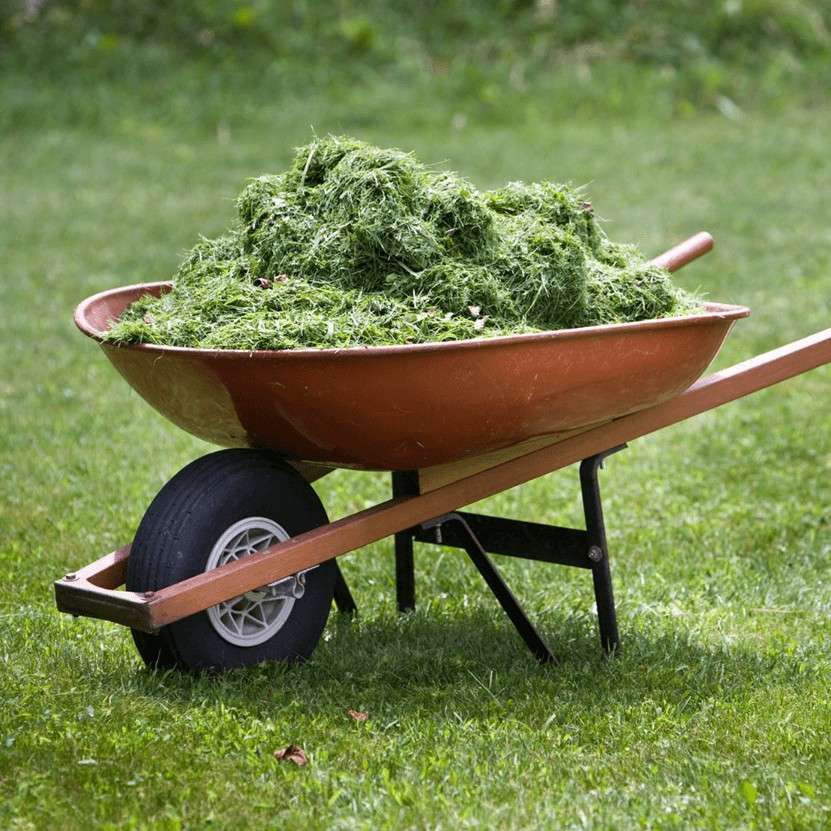
Credit: ezypeazy.co.nz
Alternatives To Grass Clippings
Grass clippings can be useful as mulch in a vegetable garden. Still, they might cause problems like matting or smell. Many gardeners look for other mulch options to keep their plants healthy and soil protected.
Using different mulches can help improve soil and control weeds. Here are some good alternatives to grass clippings for your vegetable garden.
Other Organic Mulches
Organic mulches come from natural materials that break down and add nutrients to the soil. They help keep the soil moist and stop weeds from growing. Examples include straw, shredded leaves, and wood chips.
- Straw: Light and easy to spread, good for vegetable rows.
- Shredded leaves: Cheap and nutrient-rich, but need to be shredded well.
- Wood chips: Last longer and control weeds but may tie up nitrogen as they decompose.
Compost As Mulch Option
Compost is broken-down organic matter full of nutrients. It works well as mulch by feeding plants and improving soil health. Spread a thin layer around vegetables to protect roots and keep moisture in.
Compost mulch breaks down faster than wood chips but adds valuable nutrients. It also helps beneficial microbes grow in your garden soil.
Synthetic Mulch Pros And Cons
Synthetic mulches are made from plastic or fabric materials. They stop weeds well and keep soil warm. Some gardeners use black plastic or landscape fabric as mulch.
- Pros: Control weeds, warm soil, and last a long time.
- Cons: Do not add nutrients, can harm soil life, and some types may cause water runoff.
Expert Tips For Healthy Vegetable Gardens
Using mulch in your vegetable garden helps keep soil moist and weeds down. Grass clippings are a common mulch choice. They break down fast and add nutrients to the soil.
Choosing the right mulch and applying it well supports healthy plant growth. Learn how to combine mulches, monitor soil, and mulch by season for a thriving garden.
Combining Mulch Types
Mixing different mulch types can improve your garden’s health. Grass clippings add nitrogen but can mat down. Pair them with dry mulches like straw or leaves to balance moisture and air flow.
- Use fresh grass clippings in thin layers to avoid clumping.
- Add dry mulch on top to keep clippings from packing too tightly.
- Combine organic mulches to feed soil and protect plants.
- Replace mulch layers each season for best results.
Monitoring Soil Health
Healthy soil supports strong vegetables. Check soil moisture and nutrients regularly. Grass clippings add nitrogen but can cause imbalance if used alone.
| Soil Test | What to Check | Why It Matters |
|---|---|---|
| pH Level | 6.0 to 7.0 | Ideal for most vegetables |
| Nitrogen | Moderate | Too much can burn plants |
| Moisture | Evenly moist | Prevents root stress |
| Organic Matter | 3% or higher | Improves soil structure |
Seasonal Mulching Strategies
Change mulch types and thickness with the seasons. Grass clippings work well in spring and summer but should be used carefully in fall and winter.
Seasonal Tips:
- Spring:Apply thin layers of fresh grass clippings to warm soil.
- Summer:Replenish mulch to keep moisture and cool roots.
- Fall:Add dry leaves or straw over grass clippings to protect soil.
- Winter:Use thicker dry mulch to insulate and prevent erosion.

Credit: www.rasnetwork.org
Frequently Asked Questions
Are Grass Clippings Safe For Vegetable Garden Mulch?
Yes, fresh grass clippings are safe if used thinly to avoid matting. They help retain moisture and add nutrients but avoid thick layers that cause mold or pests.
How Do Grass Clippings Benefit Vegetable Garden Soil?
Grass clippings add nitrogen and organic matter to soil. They improve soil structure, promote beneficial microbes, and reduce the need for synthetic fertilizers.
Can Grass Clippings Cause Weed Growth In Gardens?
Fresh grass clippings rarely introduce weeds if collected from a well-maintained lawn. Dry them before mulching to prevent seed germination and weed spread.
How Thick Should Grass Clippings Be Applied As Mulch?
Apply a thin layer, about 1-2 inches thick. Too thick layers can block air, cause odor, and encourage fungal growth in your vegetable garden.
Conclusion
Grass clippings make an excellent mulch for vegetable gardens. They keep soil moist and cool. This helps your plants grow better. Clippings also add nutrients as they break down. Use thin layers to avoid mold or compaction. Fresh clippings work well but let them dry first.
This reduces the chance of weed seeds sprouting. Mulching with grass is an easy and cost-effective method. It saves time and benefits your garden. Try it and see the difference in your vegetable yield. Your garden will thank you for it.
Happy gardening!