

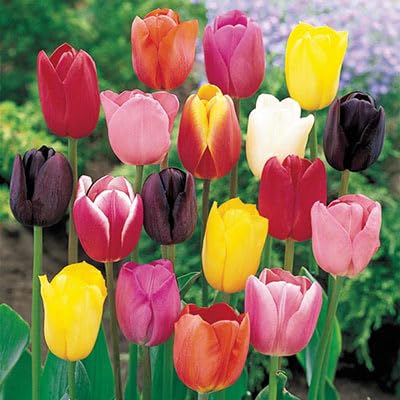

Imagine stepping into your own backyard and being greeted by colorful butterflies fluttering all around. Creating a butterfly garden isn’t just about planting flowers—it’s about bringing nature’s magic right to your doorstep.
If you want to attract these beautiful creatures and enjoy their gentle presence every day, you’re in the right place. In this guide, you’ll discover simple, practical steps to plant a butterfly garden that thrives. Ready to transform your outdoor space into a lively, buzzing haven?
Let’s get started!
Choosing The Right Location
Picking the best spot helps your butterfly garden thrive. Butterflies need certain conditions to stay healthy and visit often.
Look for a place that offers sunlight, shelter, and good soil. These factors make a big difference in your garden’s success.
Sunlight Requirements
Butterflies love warm places with plenty of sunlight. Most butterfly plants need at least six hours of direct sun each day.
- Choose a spot that gets morning and afternoon sun.
- Avoid shady areas under large trees or buildings.
- Sun helps flowers bloom and gives butterflies energy.
Shelter From Wind
Strong wind can harm butterflies and dry out plants. Find a location that blocks harsh winds but still allows air flow.
| Type of Shelter | Benefits |
| Hedges or Shrubs | Block strong wind and provide resting spots |
| Fences | Reduce wind speed around the garden |
| Natural Windbreaks | Use hills or buildings to shield garden |
Soil Conditions
Good soil helps plants grow strong and bloom well. Butterflies need flowers that produce nectar and host plants for caterpillars.
Check your soil by:
- Digging a small hole about 6 inches deep.
- Looking at soil texture: sandy, clay, or loamy.
- Testing moisture level: soil should drain well but hold water.
- Adding compost or organic matter if soil is poor.
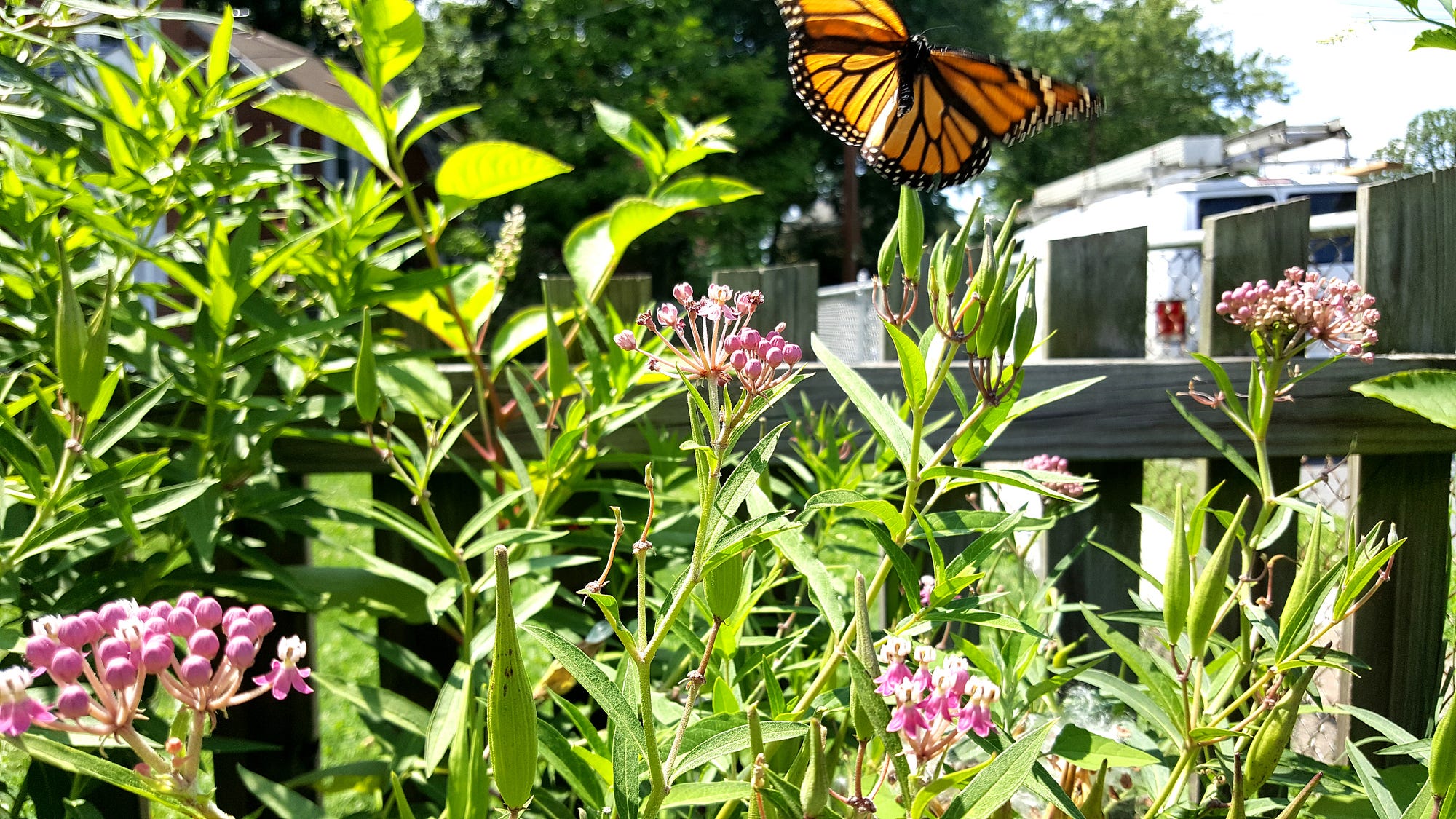
Credit: usfws.medium.com
Selecting Butterfly-friendly Plants
Choosing the right plants is key to attracting butterflies. Plants provide food and places for butterflies to live and grow.
Focus on plants that offer nectar and support caterpillars. Native plants often work best for local butterfly species.
Nectar-rich Flowers
Nectar feeds adult butterflies. Bright, open flowers make it easy for butterflies to drink nectar.
- Milkweed
- Butterfly bush
- Lantana
- Joe-Pye weed
- Black-eyed Susan
- Coneflower
Host Plants For Caterpillars
Caterpillars need specific plants to eat and grow. Plant these to support butterfly life cycles.
| Butterfly Species | Host Plant |
| Monarch | Milkweed |
| Swallowtail | Parsley, Dill, Fennel |
| Painted Lady | Thistle, Hollyhock |
| Red Admiral | NETTLE |
Native Plant Varieties
Native plants match local climate and soil. They attract native butterflies and need less care.
Common native plants to include:
- Asters
- Goldenrod
- Milkweed
- Wild Indigo
- Joe-Pye weed
Preparing The Garden Bed
Starting a butterfly garden needs good preparation. The garden bed must be ready to help plants grow well. Preparing the soil and space helps attract butterflies easily.
Focus on clearing the area, fixing the soil, and making sure water drains well. These steps create a healthy place for your butterfly plants.
Clearing Weeds And Debris
Remove all weeds, grass, and old plant debris from the garden bed. Weeds take nutrients and water from the plants you want to grow. Clearing the area gives your butterfly plants more space and food.
Soil Preparation Tips
Good soil helps plants grow strong and healthy. Test the soil to check its pH and nutrient levels. Most butterfly plants like soil that is slightly acidic to neutral.
- Loosen the soil to a depth of 12 inches using a garden fork or tiller.
- Mix in organic compost to add nutrients and improve texture.
- Remove large stones and roots that block plant roots from growing.
- Level the soil surface to make planting easier.
Improving Drainage
Butterfly plants need soil that drains well. Water should not stay on the surface or make the soil soggy. Poor drainage can hurt roots and stop plants from growing.
| Drainage Solution | How It Helps |
| Raised Beds | Keeps soil above water level |
| Adding Sand | Makes soil less dense and faster draining |
| Installing Drain Pipes | Moves excess water away |
| Adding Organic Matter | Improves soil texture and drainage |
Planting Techniques
Planting a butterfly garden needs some care and planning. Good planting helps butterflies find food and shelter easily.
Use the right techniques to make your garden healthy and full of life for butterflies.
Spacing And Arrangement
Give plants enough space to grow well. Crowded plants can block sunlight and make it hard for butterflies to move.
Arrange flowers by height and color. Place taller plants in the back and shorter ones in front.
- Space plants 12 to 18 inches apart for good airflow
- Group the same flowers together to attract more butterflies
- Mix nectar plants with host plants for caterpillars
Planting Depth And Timing
Plant each flower at the right depth to help roots grow strong. Too deep or too shallow can harm the plant.
Plant at the right time of year. Most butterfly plants grow best when planted in spring or early fall.
- Dig a hole twice as wide as the root ball
- Set the plant so its base is level with the soil surface
- Check local frost dates to decide planting time
Watering Strategies
Water plants right after planting to help them settle. Keep soil moist but not soggy for healthy roots.
Water early in the morning or late in the evening. This reduces water loss and helps plants absorb moisture.
- Check soil moisture before watering again
- Use drip irrigation or soaker hoses to save water
- Avoid wetting leaves to prevent disease
Maintaining Your Butterfly Garden
Keeping your butterfly garden healthy needs regular care. You must water, feed, prune, and manage pests well.
These tasks help flowers bloom and attract more butterflies to your garden.
Regular Watering And Feeding
Butterflies like fresh nectar, so keep your plants hydrated. Water early in the morning or late afternoon to save moisture.
- Water deeply once or twice a week, depending on the weather.
- Use mulch to keep soil moist longer.
- Add organic fertilizer to help plants grow strong.
- Choose nectar-rich flowers to feed the butterflies.
Pruning And Deadheading
Cut back old blooms and dead leaves to keep plants healthy. This also helps new flowers grow faster.
- Remove faded flowers by pinching or cutting the stem.
- Trim overgrown branches to keep plants tidy.
- Check plants regularly for dead or damaged parts.
- Use clean tools to avoid spreading diseases.
Pest Management
Some pests can harm your plants and scare away butterflies. Use safe methods to control bugs without chemicals.
| Pest | Natural Control | Notes |
| Aphids | Ladybugs, insecticidal soap | Spray early morning |
| Slugs | Beer traps, handpicking | Remove at night |
| Caterpillars | Check before damage | Only remove harmful types |
| Spider Mites | Water spray, predatory mites | Keep humidity up |

Credit: www.youtube.com
Attracting Butterflies Year-round
Creating a butterfly garden is a great way to enjoy nature all year. Butterflies need food, water, and safe places to live.
By planting the right flowers and offering shelter, you can see butterflies visit your garden every season.
Seasonal Planting Tips
Choose plants that bloom in different seasons to feed butterflies throughout the year. Include native plants to support local species.
- Spring: Plant milkweed and violets for early butterflies.
- Summer: Grow coneflowers and lantanas for nectar.
- Fall: Add asters and goldenrod to extend feeding.
- Winter: Use evergreen shrubs to provide shelter.
Providing Water And Shelter
Butterflies need water but cannot drink from deep pools. Shallow water sources and shelter from wind help them survive.
| Type | Details |
| Water Source | Use shallow dishes with wet sand or mud |
| Shelter | Plant shrubs and tall grasses for protection |
| Sunlight | Provide sunny spots for butterflies to warm up |
Avoiding Harmful Chemicals
Do not use pesticides or herbicides in your garden. These chemicals can kill butterflies and their caterpillars.
Here are safe practices to protect butterflies:
- Choose organic fertilizers and pest controls
- Handpick pests instead of spraying chemicals
- Encourage natural predators like ladybugs
Additional Features For Butterfly Gardens
Adding special features to your butterfly garden helps attract more butterflies. These features also create a welcoming space for them to rest and feed.
Simple additions like mud puddles, houses, and natural decorations make your garden lively and butterfly-friendly.
Creating Mud Puddles
Butterflies need moisture and minerals from wet soil. Small mud puddles provide these important nutrients.
Make shallow puddles in sunny spots using damp sand or soil. Keep them moist but not flooded.
- Choose a sunny spot in your garden
- Dig a shallow hole about 4 inches deep
- Fill with sand or fine soil
- Keep it damp by watering regularly
- Check often to prevent standing water
Adding Butterfly Houses
Butterfly houses offer safe resting places away from predators and bad weather. They attract butterflies to stay longer in your garden.
Place butterfly houses on poles or hang them near flowers. Make sure they face the sun and are protected from strong winds.
- Use wooden houses with small openings
- Mount houses 3 to 6 feet above ground
- Place near nectar-rich plants
- Keep houses clean and dry
Incorporating Rocks And Logs
Rocks and logs create warm spots for butterflies to bask and rest. They also add natural beauty to your garden.
Arrange flat rocks in sunny areas and place logs nearby. This gives butterflies places to warm up their wings and hide if needed.
- Use flat, smooth rocks for basking
- Place rocks where sun hits most of the day
- Add logs for shelter and resting spots
- Keep the area clean from pests
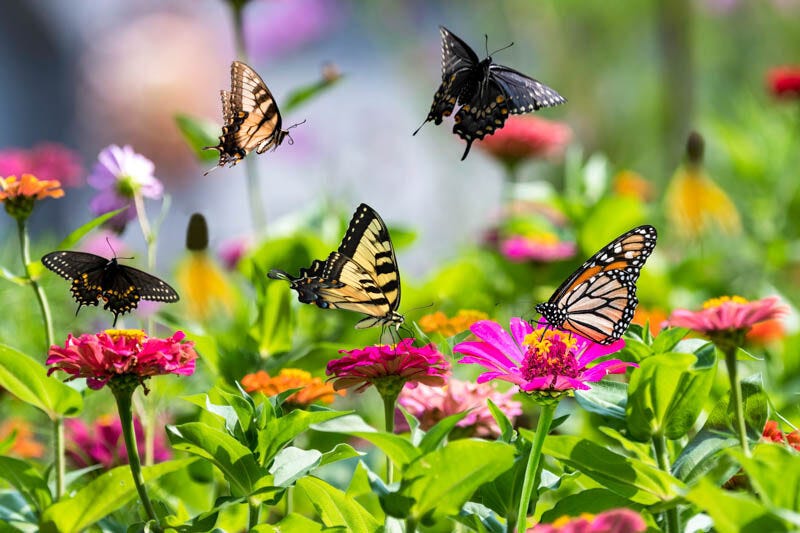
Credit: medium.com
Frequently Asked Questions
What Plants Attract Butterflies To My Garden?
Butterflies prefer nectar-rich flowers like milkweed, coneflowers, and lantana. Include host plants like parsley for caterpillars. Choose native plants for best results.
How Much Sunlight Does A Butterfly Garden Need?
Butterflies thrive in sunny areas. Your garden should get at least 6 hours of direct sunlight daily for optimal butterfly activity.
When Is The Best Time To Plant A Butterfly Garden?
Plant in early spring or late summer. This timing ensures plants establish before peak butterfly seasons in late spring and summer.
How Do I Maintain A Butterfly Garden Year-round?
Water regularly but avoid overwatering. Remove weeds and dead plants. Provide shelter and avoid pesticides to protect butterflies and caterpillars.
Conclusion
Creating a butterfly garden brings beauty and life to any space. Plant flowers that attract butterflies and provide food. Keep your garden safe from chemicals and pests. Watch as colorful butterflies visit and brighten your days. Gardening takes patience but offers great rewards.
Enjoy the peaceful moments spent outside with nature. Your butterfly garden will grow with care and time. Small steps lead to a vibrant, lively garden full of butterflies. Start planting today and enjoy the natural wonder soon.