

Have you ever wished you could grow more plants in less space? Stacking plants in your garden is a smart way to maximize your growing area while keeping everything healthy and thriving.
Imagine turning your small garden into a lush, green paradise without needing extra land. You’ll discover simple, effective methods to stack plants that save space, boost growth, and make your garden look amazing. Ready to transform your garden and get the most out of every inch?
Keep reading to find out how!
Credit: www.homesandgardens.com
Benefits Of Plant Stacking
Plant stacking means growing plants in layers or close together. This method uses space better in your garden.
Stacking plants helps your garden grow healthier and look nicer with less space needed.
Maximizing Limited Space
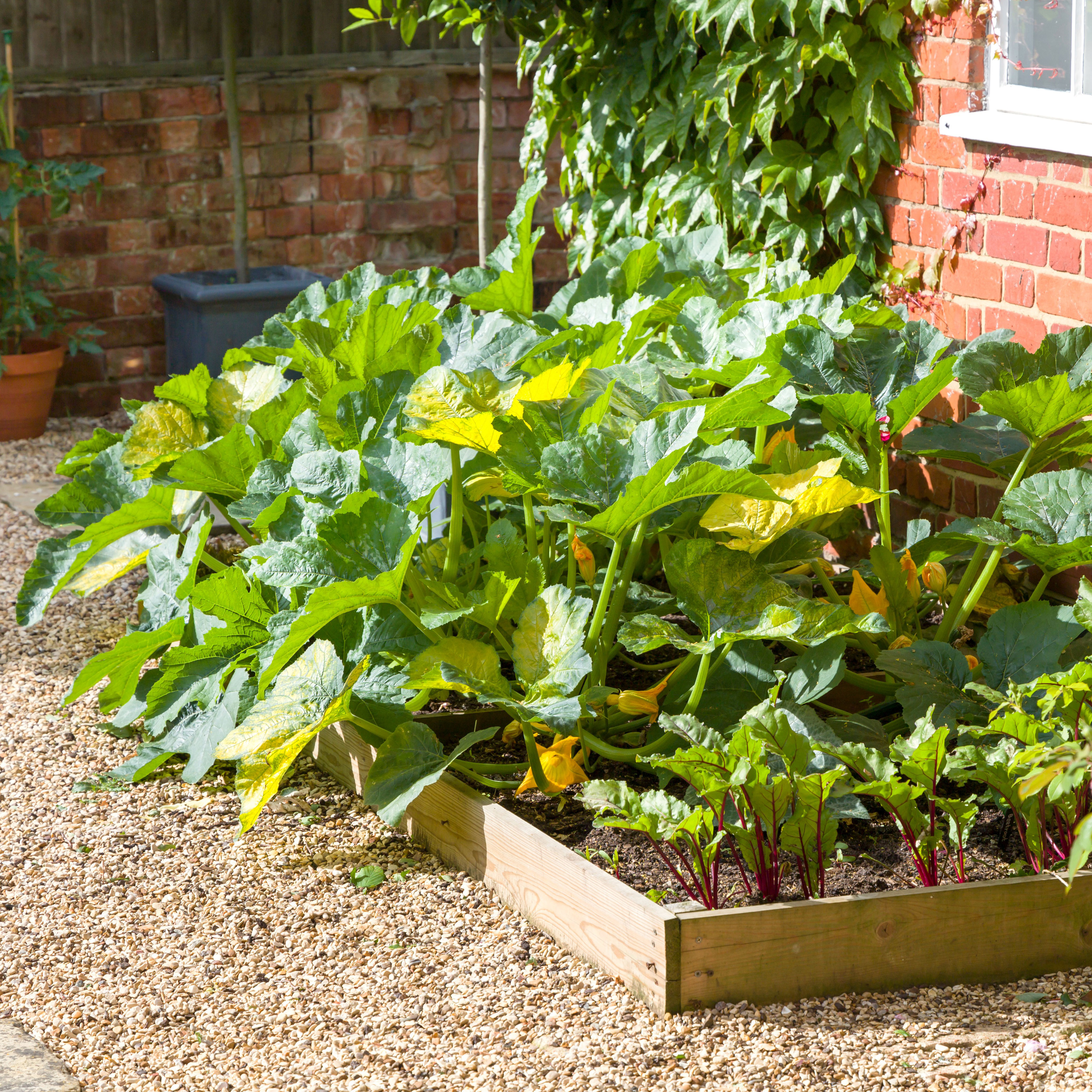
Plant stacking lets you grow more plants in small areas. It fits many plants in one spot.
This method is perfect for small gardens, balconies, or urban spaces where room is tight.
- Use vertical space by growing tall plants with small plants below
- Combine climbing plants with ground cover plants
- Grow plants with different root depths to avoid crowding
Enhancing Plant Growth
Stacking plants creates a better environment for growth. Plants protect each other from wind and sun.
Some plants improve soil or provide shade, helping their neighbors grow stronger and healthier.
- Tall plants give shade to shade-loving plants
- Legumes add nitrogen to the soil, helping others grow
- Dense planting keeps soil moist longer
Improving Garden Aesthetics
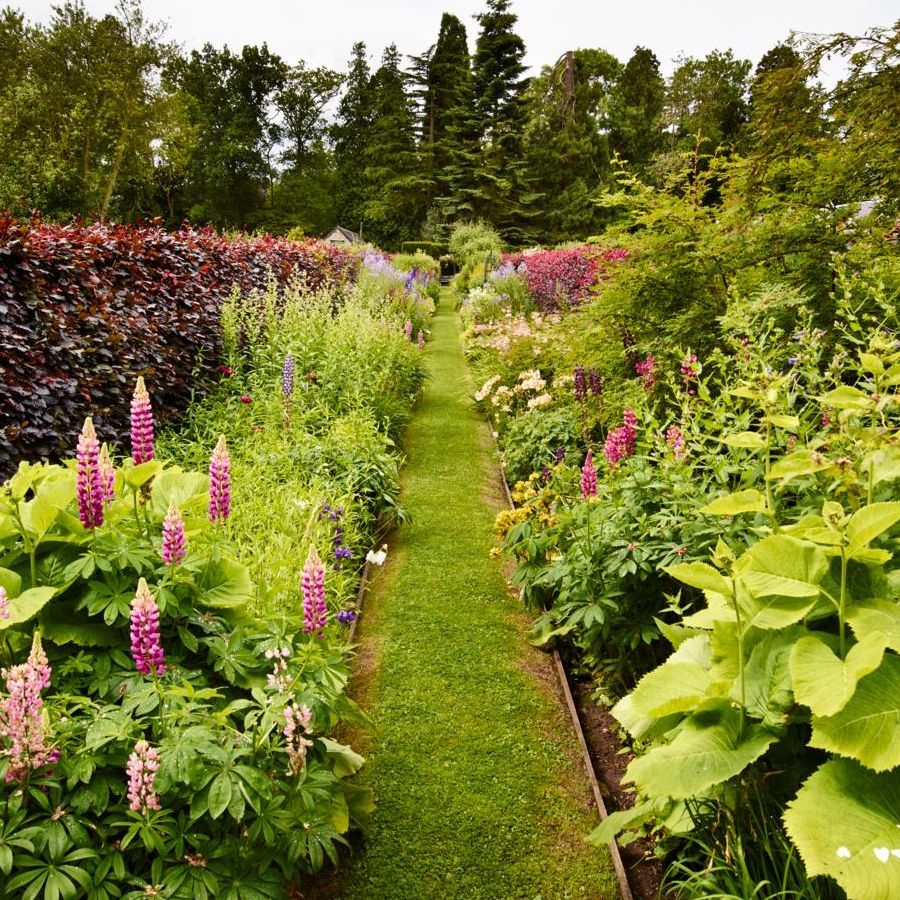
Stacked plants create a lush, full look in your garden. Layers add depth and interest.
Using different plant heights, colors, and textures makes your garden more beautiful and inviting.
- Mix tall flowering plants with low leafy plants
- Use trailing plants on edges for soft borders
- Choose plants with varied leaf shapes and colors
Choosing Plants For Stacking
Stacking plants in a garden saves space and creates a lush look. It needs careful choice of plants to grow well together.
Picking the right plants helps them share light, water, and nutrients without crowding each other.
Selecting Compatible Species
Choose species that can live side by side without harm. Some plants help each other by keeping pests away or improving soil.
- Pick plants that do not need the same nutrients.
- Avoid plants that attract the same pests.
- Mix herbs, flowers, and vegetables to support growth.
- Check if plants have similar soil needs.
Considering Growth Habits
Look at how tall and wide each plant grows. Use plants that grow at different heights to stack them nicely.
| Plant Type | Growth Habit | Stacking Use |
|---|---|---|
| Vining plants | Climb or spread | Grow upward or around others |
| Bushy plants | Medium height, wide | Fill middle layers |
| Low-growing plants | Short and ground-hugging | Cover soil and bottom layer |
Matching Light And Water Needs
Stack plants that like the same light and water levels. This keeps them healthy and reduces extra care.
- Group full sun plants together.
- Place shade-loving plants where taller plants block sun.
- Choose plants with similar water needs to avoid overwatering.
- Use soil that drains well for plants needing less water.
Techniques For Vertical Gardening
Vertical gardening saves space and adds beauty to small areas. It helps plants get more sunlight and air.
Using walls, shelves, and hanging tools, you can grow many plants in a small spot. Here are some easy ways to stack plants vertically.
Using Trellises And Supports
Trellises and supports guide climbing plants upward. They keep plants healthy and make picking fruits easier.
- Choose strong materials like wood or metal for trellises.
- Place trellises in sunny spots for best growth.
- Train vines and peas to climb by gently tying them.
- Use vertical cages for tomatoes and beans.
- Check supports regularly to avoid damage to plants.
Hanging Planters And Pocket Gardens
Hanging planters save ground space and add color at eye level. Pocket gardens use fabric or wood pockets to hold many plants on a wall.
| Type | Best Plants | Care Tips |
| Hanging Planters | Herbs, Ferns, Flowers | Water often, use lightweight soil |
| Pocket Gardens | Succulents, Lettuce, Strawberries | Check drainage, avoid overwatering |
Stacking Pots And Tiered Shelves
Stacking pots and tiered shelves create layers for plants. They let you grow many plants in a small space.
Place bigger pots at the bottom and smaller ones on top. Use shelves near windows or outdoors for sunlight.
- Choose sturdy shelves that hold weight well.
- Use pots with drainage holes to avoid water buildup.
- Arrange plants by height and sunlight needs.
- Water bottom pots carefully to avoid overflow.

Credit: www.youtube.com
Creating Layered Plant Arrangements
Stacking plants helps you use space well in your garden. Layered arrangements add depth and interest.
Plants of different heights and types look good together. This makes your garden lively and full.
Combining Tall And Low Plants
Tall plants create a backdrop in your garden. Low plants fill the front and add detail.
Use tall plants like sunflowers or hollyhocks. Add low plants like marigolds or pansies near paths.
- Place tall plants at the back or center
- Put medium plants in the middle space
- Set low plants at the front or edges
Incorporating Vines And Groundcovers
Vines climb up supports or tall plants. Groundcovers spread across soil to cover empty spots.
Use vines like clematis or morning glory. Groundcovers like creeping thyme or ivy work well below other plants.
- Train vines on trellises or fences
- Let groundcovers fill spaces at base
- Mix vines with tall plants for height
- Use groundcovers to keep soil moist
Balancing Color And Texture
Colors make your garden bright and fun. Texture adds feel and visual interest.
Mix smooth leaves with rough ones. Use bright flowers with soft green leaves for balance.
- Choose colors that look good together
- Mix leaf shapes and sizes
- Use different flower forms like spikes or balls
- Repeat colors for harmony
Soil And Watering Tips
Stacking plants in your garden saves space and creates a lush look. Good soil and watering help plants grow strong and healthy.
Learn how to pick the best soil and water your plants properly. This will keep your garden green and thriving.
Choosing The Right Soil Mix
Good soil holds water and lets air reach plant roots. Use a mix that drains well but stays moist.
Mix garden soil with compost and perlite or sand. This mix supports stacked plants and helps roots grow.
- Use compost to add nutrients
- Add perlite or sand for drainage
- Avoid heavy clay soils that hold too much water
- Check pH levels; most plants like neutral soil
Efficient Watering Methods
Water plants deeply but not too often. This helps roots grow strong and reach deeper for moisture.
Use drip irrigation or soaker hoses to save water and direct it to plant roots. Avoid wetting leaves too much.
- Water early in the morning or late in the evening
- Check soil moisture before watering
- Use mulch to keep soil moist longer
- Stack plants with similar water needs together
Preventing Overwatering And Drainage Issues
Too much water can harm roots and cause rot. Make sure containers or beds have good drainage holes.
Lift plants slightly or use raised beds to improve water flow. Remove excess water quickly after heavy rain.
- Check drainage holes are clear and open
- Use raised beds or pots with drainage layers
- Do not let plants sit in standing water
- Water only when top inch of soil feels dry
Lighting Solutions For Stacked Gardens
Stacked gardens save space but need smart lighting to help plants grow well. Good light reaches all layers.
This guide explains how to use natural and artificial light for stacked plants. Adjust light for each plant level.
Natural Light Optimization
Place your stacked garden near windows that get plenty of sunlight. South-facing windows usually give the best light.
Use reflective surfaces like mirrors or white walls to bounce light to lower plants. Keep plants clean for better light absorption.
Supplemental Grow Lights
Use grow lights to add light when natural light is not enough. Choose LED or fluorescent lights for energy efficiency.
- Place lights above the top layer of plants.
- Use adjustable light stands or arms to direct light where needed.
- Set timers to give plants 12 to 16 hours of light daily.
- Keep lights 6 to 12 inches from plants to avoid burning.
Adjusting Light For Different Plant Layers
| Plant Layer | Light Needs | Lighting Tips |
| Top Layer | High | Direct sunlight or strong grow lights |
| Middle Layer | Medium | Filtered light or adjustable grow lights |
| Bottom Layer | Low to medium | Reflective surfaces and low-intensity lights |
Adjust light intensity and position for each layer. Rotate plants regularly for even light exposure.
Maintenance And Care
Stacking plants in your garden saves space and creates a lush environment. Proper maintenance helps plants grow healthy and strong.
Regular care includes pruning, pest control, and adjusting to seasons. These steps keep your garden thriving all year.
Pruning And Training Plants
Pruning removes dead or crowded branches. Training guides plants to grow upward or outward, saving space.
- Cut back excess growth weekly
- Use ties or stakes to support tall plants
- Remove yellow or damaged leaves
- Pinch off flowers to encourage bushier growth
Pest And Disease Management
Watch plants for signs of pests or disease. Early action stops spread and keeps plants healthy.
| Common Pest | Control Method |
| Aphids | Spray with water or insecticidal soap |
| Spider Mites | Increase humidity, use neem oil |
| Fungal Disease | Remove infected leaves, apply fungicide |
Seasonal Adjustments
Change care routines as seasons shift. Adjust watering, light, and protection to match weather.
- Water more during hot, dry months
- Reduce watering in cooler seasons
- Protect plants from frost with covers
- Move sensitive plants indoors during winter
Credit: www.gardeningknowhow.com
Creative Space-saving Ideas
Stacking plants helps you grow more in less space. It works well for small gardens or balconies.
Using creative methods, you can save room and make your garden look nice. Try new ways to stack and arrange plants.
Repurposing Household Items
Old containers and items can hold plants and save space. Look around your home for useful things.
- Use old wooden crates as tiered plant shelves.
- Turn shoe organizers into hanging herb gardens.
- Stack empty cans or jars to create small planters.
- Recycle pallets to build vertical plant walls.
Diy Vertical Garden Projects
Vertical gardens use height instead of floor space. You can build them with simple materials.
| Project | Materials | Space Saved |
|---|---|---|
| Pallet Plant Wall | Wooden pallet, nails, pots | Up to 6 sq ft floor space |
| Hanging Bottle Garden | Plastic bottles, rope, hooks | No floor space needed |
| Stacked Wooden Boxes | Wooden boxes, screws, plants | Saves 50% floor space |
Incorporating Stacking In Small Spaces
Stack plants vertically in balconies or corners. Use shelves and hanging containers to fit many plants.
- Place sturdy shelves near sunlight.
- Use hanging pots to free floor area.
- Stack small pots on top of each other carefully.
- Group plants by size to avoid blocking light.
- Water plants from top to bottom to reduce mess.
Frequently Asked Questions
What Is Plant Stacking In Gardening?
Plant stacking is a method where you arrange plants vertically. This technique maximizes space, especially in small gardens. By stacking, you can grow more plants in a limited area. It also improves access to sunlight and can enhance the aesthetic appeal of your garden.
How Do You Stack Plants Effectively?
To stack plants effectively, use shelves, vertical planters, or tiered stands. Ensure each plant gets adequate sunlight and water. Select plants with similar care requirements. This method optimizes space and enhances growth. Regularly rotate plants for even sunlight exposure and check for any signs of overcrowding.
What Are The Benefits Of Stacking Plants?
Stacking plants saves space, making it ideal for small gardens. It enhances plant exposure to sunlight and air circulation. This method allows for a diverse range of plants in limited areas. Additionally, it creates an appealing visual display, making your garden more attractive and organized.
Which Plants Are Best For Stacking?
Choose plants that thrive in vertical settings, like succulents, herbs, and trailing plants. These plants adapt well to stacked arrangements. Herbs like basil and mint are great for stacking. Succulents require minimal care, making them perfect for vertical gardens. Trailing plants add a cascading effect, enhancing visual appeal.
Conclusion
Stacking plants in your garden saves space and boosts growth. Choose plants that grow well together and use vertical structures. Keep soil healthy and water regularly for best results. Watch your garden thrive with layered plants creating shade and support.
This method brings more life to small areas easily. Start small, learn, and enjoy your green space’s full potential. Gardening becomes simpler and more fun with smart stacking. Try it today and see your garden grow strong and full.