
Are you wondering if your garden beans need a trellis to grow strong and healthy? You might think beans can just sprawl on the ground, but giving them the right support can make a big difference.
Imagine harvesting plump, easy-to-pick beans without bending or struggling through tangled vines. You’ll discover why a trellis might be the secret tool your garden is missing. Keep reading to find out how this simple addition can boost your bean harvest and make your gardening experience easier and more enjoyable.
Types Of Garden Beans
Garden beans come in different types. Each type grows in its own way. Some beans need support to climb. Others grow close to the ground.
Knowing the types helps you decide if you need a trellis or not. Let’s look at two common types: bush beans and pole beans.
Bush Beans
Bush beans are short and grow in small bushes. They do not climb or need support. These beans grow quickly and are easy to care for.
- Grow up to 2 feet tall
- Do not require a trellis
- Produce all their beans at once
- Good for small gardens
Pole Beans
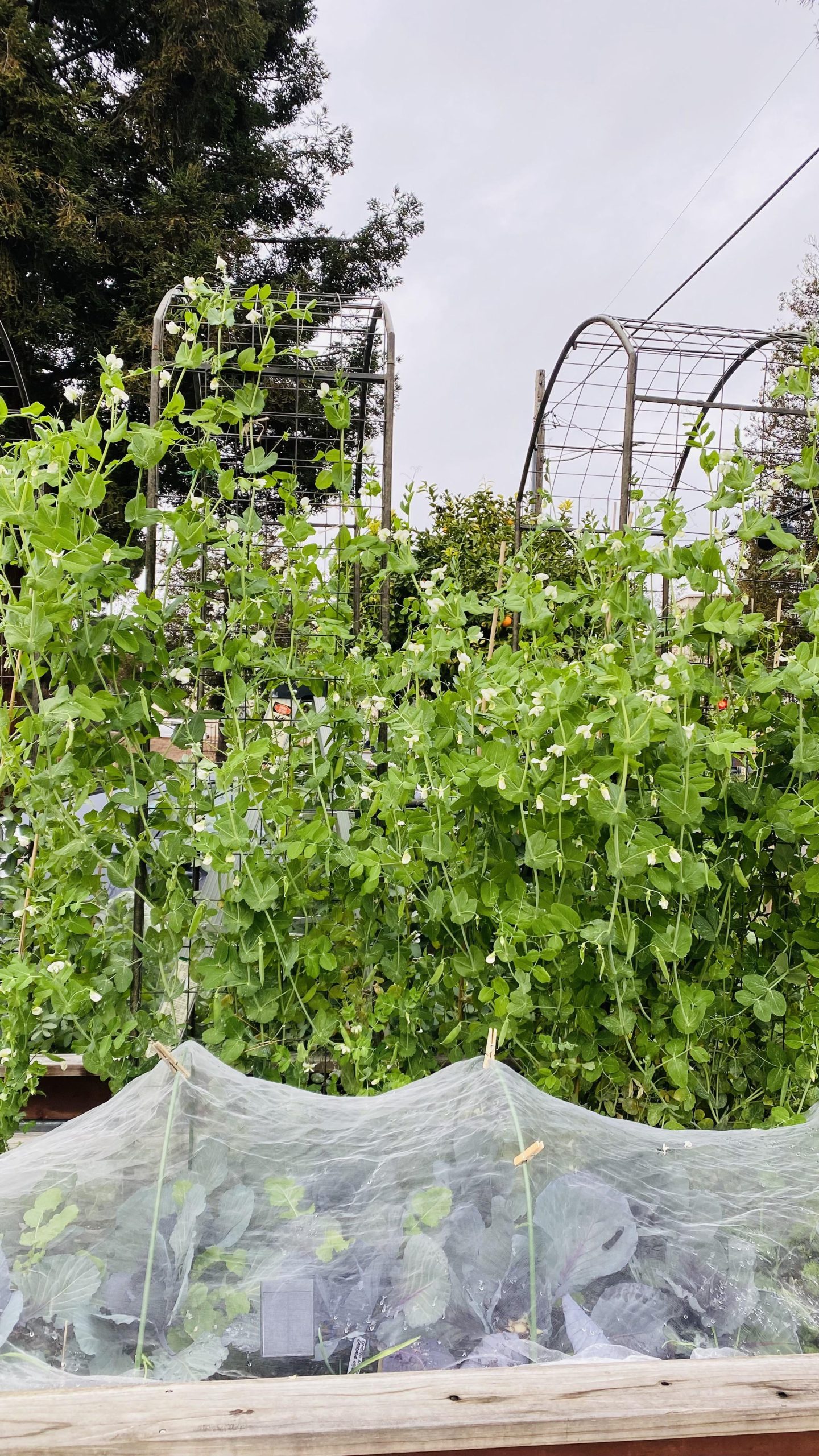
Pole beans are climbing plants. They need a trellis or support to grow tall. Without a trellis, they will sprawl on the ground and produce fewer beans.
| Feature | Bush Beans | Pole Beans |
| Height | 1 to 2 feet | 6 to 10 feet |
| Trellis Needed | No | Yes |
| Harvest Time | All at once | Over several weeks |
| Space Needed | Less | More |

Credit: savvygardening.com
Benefits Of Using A Trellis
Garden beans often grow as climbing plants. Using a trellis helps them grow well and stay healthy.
A trellis supports bean plants and offers many benefits. It makes growing easier and better.
Improved Air Circulation
When beans climb a trellis, air can move freely around the plants. This helps keep the leaves dry.
Good air flow reduces the chance of mold and diseases. Healthy plants grow stronger and produce more beans.
Easier Harvesting
Beans on a trellis are easier to see and pick. You do not have to bend down or search through the plants.
Harvesting is faster and less tiring. This helps you collect fresh beans quickly and easily.
Space Efficiency
A trellis saves garden space by growing beans upward instead of outward. This leaves room for other plants.
Vertical growth also helps beans get more sunlight. This supports healthy and strong plant growth.
When To Use A Trellis
Garden beans grow in two main types: bush and pole beans. Bush beans grow low to the ground. Pole beans need support to climb. A trellis helps pole beans grow upward. It saves space and makes harvesting easier.
Using a trellis depends on the bean type and garden space. Pole beans always need a trellis. Bush beans do not. The trellis also helps keep plants healthy. It improves air flow and sunlight exposure.
Growing Pole Beans
Pole beans grow tall and need support to climb. Without a trellis, they will sprawl on the ground. This can cause damage and reduce yields. A trellis guides the vines up, making them stronger.
Choose a sturdy trellis for pole beans. It can be made from wood, metal, or strong twine. Set it up before planting so vines can start climbing early.
- Supports plant growth upward
- Makes harvesting easier
- Saves garden space
- Prevents vine damage
Avoiding Disease
Using a trellis helps keep beans healthy. When plants climb, leaves and pods stay off the ground. This reduces contact with soil diseases and pests.
Good air circulation around plants lowers moisture. This helps prevent common bean diseases like mold and mildew. Clean trellises yearly to stop disease spread.
- Keeps plants dry and clean
- Reduces soil contact
- Improves air flow
- Helps detect problems early
Choosing The Right Trellis
Garden beans often need support to grow well. A trellis helps beans climb and stay healthy. Choosing the right trellis can improve your bean harvest.
Think about the material and design of the trellis. Also, consider its height and stability. These factors affect how well your beans grow and how easy the trellis is to use.
Materials And Design
Trellises come in many materials like wood, metal, and plastic. Each has its benefits and drawbacks. The design affects how the beans climb and how strong the support is.
- Wood:Natural look, easy to build, but may rot over time.
- Metal:Very strong and durable, but can get hot in the sun.
- Plastic:Lightweight and weather-resistant, but less sturdy.
- Design styles:Lattice, A-frame, teepee, or vertical poles.
- Open spaces:Allow good air flow and sunlight.
Height And Stability
Beans need a trellis tall enough to support their growth. Most beans grow between 4 and 8 feet tall. The trellis must stay stable during wind and rain.
| Height | Notes |
| 4 to 6 feet | Good for bush beans and short pole beans |
| 6 to 8 feet | Best for tall pole beans |
| Over 8 feet | May need extra support to stay stable |
Use strong stakes or posts to hold the trellis firmly in the ground. Check the trellis regularly to keep it steady and safe for your plants.
How To Install A Trellis
Garden beans often need support to grow well. Installing a trellis helps the plants climb and stay healthy.
This guide will show you how to set up a trellis and secure your bean plants properly.
Step-by-step Setup
Choose a location with good sunlight for your trellis. Make sure the soil is loose and fertile.
- Measure the area where you want to place the trellis.
- Select strong materials like wood or metal for the frame.
- Install posts firmly into the ground, at least 1 foot deep.
- Attach horizontal supports or netting between the posts.
- Check that the trellis is stable and upright before planting beans.
Securing Plants
After planting, help your beans climb by gently tying them to the trellis.
| Tool | Purpose | Tip |
|---|---|---|
| Soft garden ties | Hold vines without damage | Use loose loops around stems |
| Twine or string | Create extra support lines | Attach horizontally or diagonally |
| Cloth strips | Flexible ties for delicate plants | Replace when dirty or tight |
Check the ties regularly and adjust them as your plants grow. This keeps the beans safe and upright.

Credit: savvygardening.com
Alternative Support Methods
Garden beans often need support to grow well. A trellis is common, but other options work too.
Using different supports helps beans grow strong and makes harvesting easier.
Stakes And Cages
Stakes help beans climb by giving them a vertical surface. You can use wooden or metal stakes.
Cages are round or square frames that hold beans up as they grow. They keep plants upright and tidy.
- Place stakes 3-4 inches from the plant base
- Tie bean stems gently to stakes with soft ties
- Use cages for bush beans needing light support
- Space cages evenly to avoid crowding
Ground Cover Techniques
Ground cover lets beans spread across the soil instead of climbing. This works well for bush varieties.
Using mulch or low plants as ground cover helps keep beans healthy and stops weeds.
- Plant beans close to the ground for natural support
- Use straw or leaves as mulch to protect roots
- Cover soil with low-growing plants to reduce weeds
- Water regularly to keep ground cover moist
Common Mistakes To Avoid
Growing garden beans can be easy, but some mistakes can reduce your harvest. Avoiding these errors helps your plants grow strong and healthy.
Two common problems are overcrowding and poor trellis maintenance. Both affect the growth and yield of your beans.
Overcrowding
Planting beans too close makes them compete for sunlight, water, and nutrients. This can cause weak plants and fewer beans.
- Space plants at least 4 inches apart for bush beans.
- Leave 6 to 8 inches between pole bean plants.
- Thin seedlings if they grow too close together.
- Make sure air flows between plants to prevent disease.
Poor Trellis Maintenance
A trellis supports bean vines and keeps them off the ground. Neglecting trellis care can cause plants to fall and rot.
| Problem | Effect | Fix |
| Loose or broken trellis | Beans fall and get damaged | Tighten or repair supports regularly |
| Dirty trellis | Spreads disease to plants | Clean trellis before planting season |
| Weak materials | Trellis collapses under weight | Use strong wood or metal for support |

Credit: www.reddit.com
Frequently Asked Questions
Do All Types Of Garden Beans Need A Trellis?
Not all garden beans need a trellis. Pole beans require support, while bush beans grow compact and don’t need one. Trellising helps pole beans climb, improves air circulation, and eases harvesting. Choosing the right variety determines if a trellis is necessary for your garden beans.
How Does A Trellis Benefit Garden Bean Plants?
A trellis supports climbing beans, preventing them from sprawling on the ground. It improves sunlight exposure and air circulation, reducing disease risks. Trellising also makes harvesting easier and increases yield by promoting healthier growth. Overall, it enhances garden bean productivity and plant health.
Can Garden Beans Grow Without Any Support?
Bush beans grow well without support as they remain low and compact. However, pole beans grow tall and need a trellis or stakes for support. Without support, pole beans may tangle, suffer damage, or produce fewer pods. Support is key for climbing bean varieties.
What Materials Are Best For Garden Bean Trellises?
Wood, bamboo, metal, and sturdy plastic make excellent trellis materials. Choose durable, weather-resistant materials to support bean vines effectively. Simple frames, netting, or stakes also work well. Ensure the trellis is tall enough, typically 5 to 7 feet, to accommodate climbing beans.
Conclusion
Garden beans benefit from support. Trellises help them grow straight and tall. They allow better air circulation, reducing mold risk. Picking beans becomes easier with trellises. They save space in small gardens. Bush beans don’t always need support. Pole beans do best with trellises.
Choose based on your garden’s size and type. Healthy plants and more beans await. Happy gardening!