



Are you ready to transform your kitchen space into a fresh, green oasis? Knowing what to plant in a kitchen garden can make all the difference between a thriving patch and a disappointing one.
Imagine reaching out and picking vibrant herbs, crisp vegetables, or juicy fruits right from your own garden. It’s easier than you think, and the rewards go beyond taste – fresh ingredients, savings, and a satisfying hobby await you. You’ll discover the best plants to grow that fit perfectly in your kitchen garden, no matter the size or skill level.
Keep reading to unlock the secrets to a garden that truly nourishes your cooking and your soul.
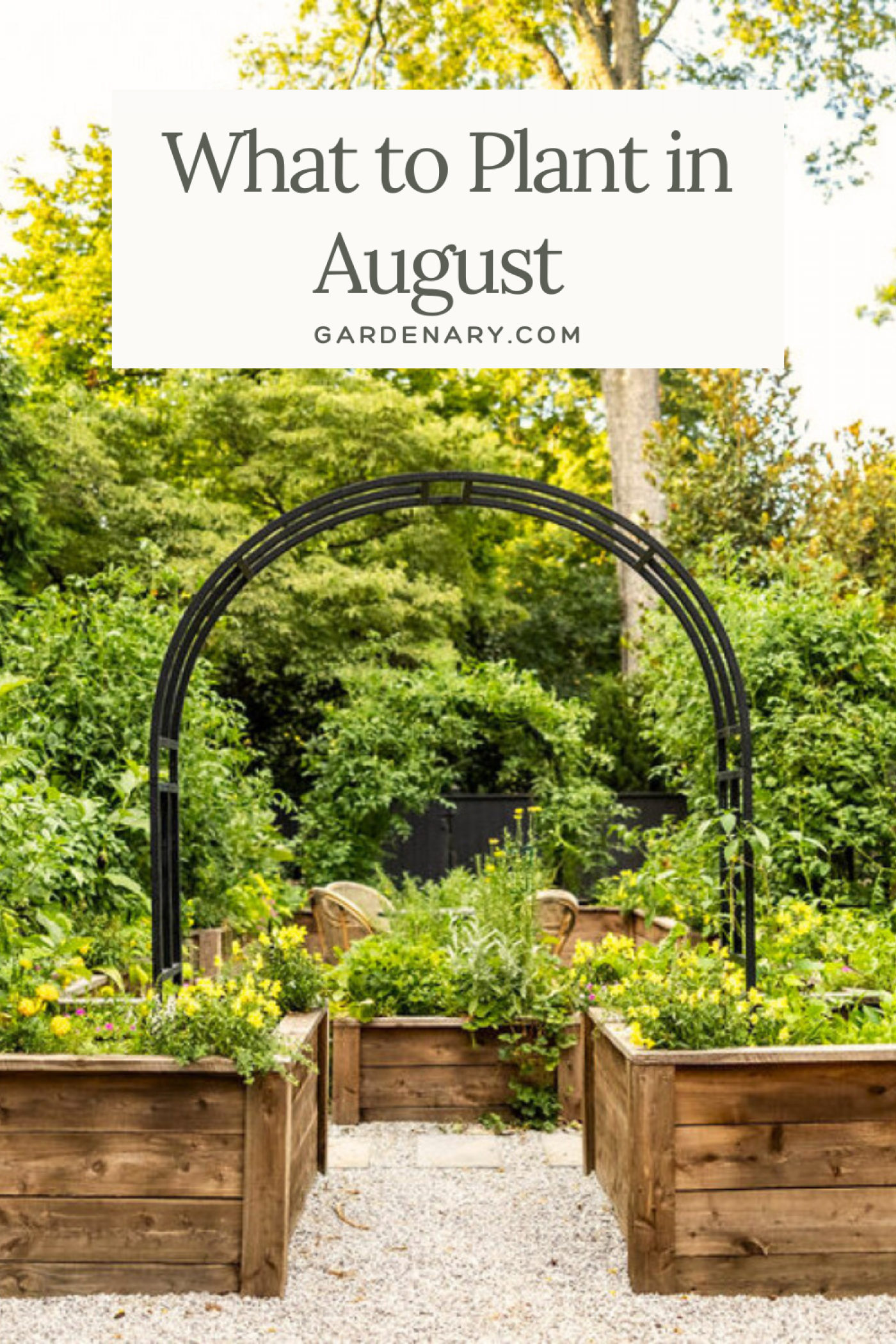
Credit: www.gardenary.com
Choosing Plants For Kitchen Gardens
Picking the right plants is key to a healthy kitchen garden. Your choices affect how well plants grow and what you can harvest.
Think about the conditions in your garden before planting. This helps you select plants that will thrive in your space.
Factors To Consider
Consider your garden’s size, available sunlight, and soil quality. These factors guide you in choosing plants that fit well.
Climate And Space
Climate affects which plants grow best. Warm climates suit heat-loving plants. Cool climates need hardy plants that tolerate cold.
- Check your area’s average temperature and frost dates.
- Choose plants that match your climate zone.
- Use space wisely; some plants need more room to grow.
- Consider vertical gardening to save ground space.
Soil And Sunlight Needs
Good soil and enough sunlight help plants grow strong. Different plants need different amounts of sun and soil types.
| Plant | Sunlight | Soil Type |
|---|---|---|
| Basil | Full sun | Well-drained, fertile |
| Lettuce | Partial shade | Moist, rich |
| Carrots | Full sun | Loose, sandy |
| Spinach | Partial shade | Well-drained, fertile |
Easy Herbs To Grow
Growing herbs in your kitchen garden is simple and rewarding. These herbs need little care and grow quickly.
They add fresh flavors to your meals and can be grown indoors or outdoors.
Basil And Mint
Basil grows well in warm, sunny spots. It needs regular watering but not too much.
Mint spreads fast and likes moist soil. It grows best in containers to control its size.
- Basil prefers full sun and well-drained soil
- Mint can grow in shade but loves water
- Pinch leaves regularly to encourage growth
Parsley And Cilantro
Parsley grows well in cool weather and needs partial sun. It takes a few weeks to sprout.
Cilantro grows best in cool weather too. It needs well-drained soil and moderate watering.
- Parsley can grow in full or partial sun
- Cilantro grows fast and should be harvested often
- Both herbs prefer loose, fertile soil
Chives And Thyme
Chives are easy to grow and like full sun. They need regular watering but not too wet soil.
Thyme grows well in dry, sunny places. It needs little water and well-drained soil.
- Chives have mild onion flavor, good for salads
- Thyme adds a strong aroma and flavor to dishes
- Both herbs can be grown in pots or garden beds
Tasty Vegetables For Beginners
Growing your own kitchen garden is fun and rewarding. You can enjoy fresh vegetables right at home. Some vegetables are easy to grow for beginners.
This guide covers tasty and simple vegetables you can plant. Start with these to have success and fresh produce.
Lettuce And Spinach
Lettuce and spinach grow quickly and need little care. They prefer cool weather and moist soil. You can harvest leaves multiple times.
- Choose loose-leaf lettuce for easy picking.
- Plant spinach in a shady spot during hot months.
- Water regularly to keep soil damp.
- Thin seedlings to give space for growth.
- Harvest leaves when they are big enough to eat.
Tomatoes And Peppers
Tomatoes and peppers need warm weather and lots of sun. They grow well in pots or garden beds. Support tomato plants with stakes or cages.
| Vegetable | Sunlight | Water Needs | Harvest Time |
| Tomatoes | 6-8 hours daily | Keep soil moist | 60-85 days |
| Peppers | 6-8 hours daily | Water deeply weekly | 60-90 days |
Carrots And Radishes
Carrots and radishes grow underground and like loose soil. They are fast-growing and good for small spaces. Radishes mature quicker than carrots.
- Prepare soil by removing stones.
- Sow seeds thinly in rows.
- Keep soil moist for steady growth.
- Thin seedlings to avoid crowding.
- Harvest radishes in about 3-4 weeks.
- Harvest carrots in about 2-3 months.

Credit: mylovelylittlelunchbox.com
Fruits Suitable For Small Gardens
Small gardens can grow many types of fruits. Choosing the right fruits helps use space well.
Some fruits need less room and still give a good harvest. These fruits work well in pots or small beds.
Strawberries
Strawberries grow well in small spaces like containers or hanging baskets. They need good sunlight and regular watering.
These fruits produce sweet berries that are easy to pick. They also spread runners, which can fill your garden quickly.
- Plant in well-drained soil
- Place in sunny spots
- Water regularly, but avoid waterlogging
- Harvest berries when fully red
Lemons And Limes
Lemons and limes can grow in small gardens using dwarf varieties. They fit well in pots and need warm weather.
These citrus trees give fresh fruit and add nice fragrance to your garden. They need plenty of sunlight and good drainage.
- Use large pots with drainage holes
- Place in full sun
- Water when topsoil feels dry
- Feed with citrus fertilizer
Cherry Tomatoes
Cherry tomatoes are perfect for small gardens. They grow well in containers or small garden beds.
These tomatoes produce many small fruits that ripen quickly. They need support like stakes or cages to grow upright.
- Plant in rich, well-drained soil
- Give at least six hours of sun daily
- Water regularly to keep soil moist
- Use stakes or cages for support
Companion Planting Tips
Companion planting helps plants grow better together. It uses the natural benefits of certain plants.
This technique can save space, control pests, and improve plant growth in your kitchen garden.
Maximizing Space
Planting certain crops side by side saves room. Tall plants can shade smaller ones that need less sun.
Use vertical space by growing climbing plants near shorter ones. This way, you get more plants in less space.
- Grow beans next to corn; beans climb the corn stalks.
- Plant lettuce under tomatoes; lettuce stays cool in shade.
- Combine carrots with onions; they use different soil levels.
Pest Control
Some plants repel pests that harm their neighbors. This reduces the need for chemicals.
Planting herbs and flowers near vegetables can keep bugs away naturally.
- Basil planted near tomatoes helps keep flies and mosquitoes away.
- Marigolds repel nematodes and beetles from many vegetables.
- Garlic planted near roses or beans can reduce aphids and spider mites.
Improving Growth
Certain plant pairs help each other grow stronger and healthier. They share nutrients or support each other.
Some plants fix nitrogen in the soil, feeding nearby plants naturally.
- Beans and peas add nitrogen that helps leafy greens like spinach.
- Carrots and onions grow well together because they do not compete for nutrients.
- Cabbage grows better near dill, which attracts beneficial insects.

Credit: mylovelylittlelunchbox.com
Maintaining Your Kitchen Garden
A kitchen garden needs regular care to stay healthy. Proper maintenance helps plants grow strong and produce well.
Simple habits like watering, feeding, and harvesting improve your garden’s yield and keep plants happy.
Watering Strategies
Water your kitchen garden early in the morning or late in the afternoon. This helps plants absorb water better and reduces evaporation.
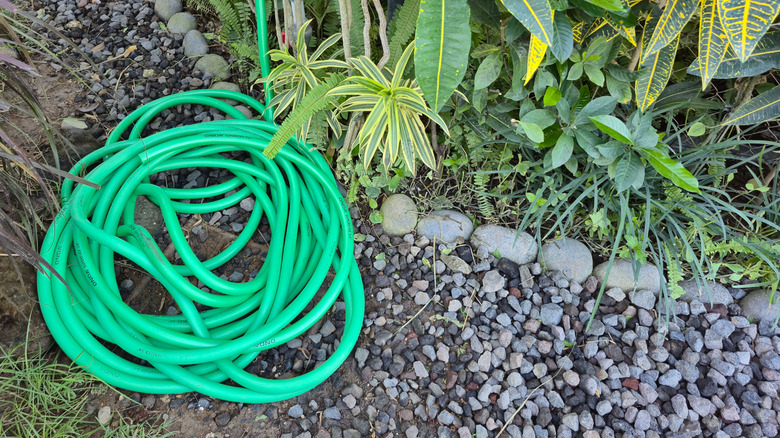
- Use drip irrigation or soaker hoses to save water.
- Avoid watering leaves; focus on the soil near roots.
- Check soil moisture before watering to prevent overwatering.
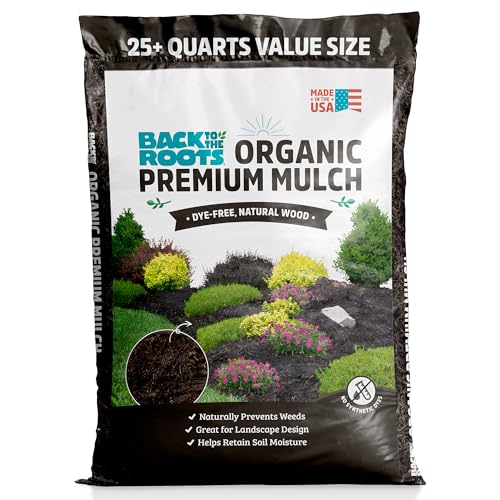
- Mulch around plants to keep soil moist longer.
Fertilizing Naturally
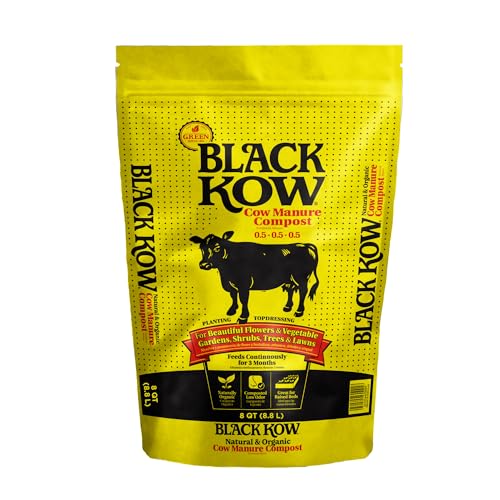
Natural fertilizers improve soil health and feed plants without chemicals. Compost and manure are great choices for kitchen gardens.
| Natural Fertilizer | Benefits |
| Compost | Improves soil texture and nutrients |
| Manure | Provides nitrogen and organic matter |
| Bone Meal | Supplies phosphorus for root growth |
| Wood Ash | Adds potassium and raises pH |
Harvesting Tips
Pick vegetables and herbs at the right time for best flavor and nutrition. Regular harvesting encourages more growth.
- Harvest leafy greens before they get too big or tough.
- Pick fruits and vegetables when they show full color and size.
- Use clean tools to avoid plant damage and disease.
- Harvest in the morning for freshest taste.
Frequently Asked Questions
What Are The Best Herbs For A Kitchen Garden?
The best herbs for a kitchen garden include basil, cilantro, parsley, and mint. These herbs are easy to grow and versatile. They thrive in various conditions and can enhance your dishes. Regular harvesting encourages more growth, ensuring a steady supply for your kitchen.
Which Vegetables Grow Well In A Kitchen Garden?
Tomatoes, lettuce, radishes, and peppers are great for a kitchen garden. They’re easy to grow and require minimal space. These vegetables provide fresh produce throughout the growing season. They also add vibrant colors and flavors to your meals.
How To Start A Kitchen Garden For Beginners?
Start small with easy-to-grow plants like herbs and leafy greens. Choose a sunny spot with good soil drainage. Use containers if space is limited. Water regularly and monitor for pests. Starting a garden is rewarding and provides fresh produce at your fingertips.
What Are The Benefits Of A Kitchen Garden?
A kitchen garden provides fresh, organic produce, reduces grocery bills, and enhances meals. It’s environmentally friendly and reduces carbon footprint. Gardening is also therapeutic, promoting mental well-being. It offers a sense of accomplishment and improves your culinary skills.
Conclusion
Planting a kitchen garden brings fresh flavors to your meals. Herbs like basil and parsley grow well in small spaces. Vegetables such as tomatoes and lettuce add color and taste. Choose easy-to-grow plants that match your climate. Regular care helps your garden stay healthy and productive.
Enjoy the joy of picking your own food daily. A kitchen garden makes cooking more fun and rewarding. Start small, and watch your garden grow step by step. Your kitchen garden can brighten both your meals and your day.