

Are you wondering what to use for mulch in your vegetable garden? Choosing the right mulch can make a big difference in how healthy and productive your plants become.
Mulch helps keep weeds away, retains moisture, and even improves your soil. But with so many options out there, how do you pick the best one for your garden? Keep reading, and you’ll discover simple, effective mulch choices that will boost your vegetable garden’s growth and make your gardening experience easier and more rewarding.
Benefits Of Mulching
Mulching is an easy way to help your vegetable garden grow better. It covers the soil with a layer of material.
Using mulch brings many benefits that improve plant health and garden productivity.
Moisture Retention
Mulch keeps the soil moist by reducing water evaporation. This helps plants get water longer after rain or watering.
Weed Control
Mulching blocks sunlight from reaching weed seeds. This stops many weeds from growing and competing with your vegetables.
- Reduces the need for pulling weeds
- Keeps garden beds neat and tidy
- Protects young plants from weed stress
Soil Temperature Regulation
Mulch helps keep soil temperatures steady. It cools the soil in hot weather and warms it in cool weather.
| Season | Mulch Effect |
| Summer | Keeps soil cooler, reduces plant stress |
| Winter | Keeps soil warmer, protects roots |
Improved Soil Health
Organic mulches break down and add nutrients to the soil. They also improve soil structure and help beneficial organisms.
Mulch benefits include:
- Adding organic matter
- Encouraging earthworms
- Preventing soil erosion
- Improving soil aeration

Credit: www.vegetableacademy.com
Choosing Organic Mulch
Organic mulch is a natural way to protect your vegetable garden. It helps keep soil moist and controls weeds.
Choosing the right organic mulch can improve plant health and garden yield. Let’s explore why organic mulch matters and what to think about.
Why Organic Matters
Organic mulch breaks down over time, adding nutrients to the soil. It supports beneficial insects and earthworms that improve soil health.
- Feeds the soil naturally as it decomposes
- Improves soil structure and water retention
- Supports a healthy garden ecosystem
- Reduces the need for chemical fertilizers
Factors To Consider
Choose mulch based on your garden’s needs and local climate. Consider how long it lasts and how it affects soil temperature.
| Factor | Details |
| Material Type | Leaves, straw, grass clippings, wood chips |
| Decomposition Rate | Faster for soft materials, slower for wood chips |
| Moisture Retention | Straw and grass clippings hold water well |
| Weed Control | Thicker layers block more weeds |
| Availability | Choose materials easy to find near you |
Straw And Hay
Straw and hay are popular mulch choices for vegetable gardens. They help keep soil moist and reduce weeds. Both come from grasses but differ in parts used.
Using straw or hay can improve garden health. It also adds organic matter to the soil as it breaks down.
Advantages
- Straw is clean and has fewer weed seeds.
- Hay provides nutrients as it decomposes.
- Both keep soil temperature stable.
- They reduce water evaporation from soil.
- Easy to spread and remove when needed.
Best Uses
Straw works well around vegetables that need dry soil. Hay suits plants needing extra nutrients.
| Mulch Type | Ideal Vegetables | Soil Condition |
| Straw | Carrots, Onions, Lettuce | Well-drained, dry soil |
| Hay | Tomatoes, Peppers, Beans | Soil needing nutrient boost |
Potential Drawbacks
Hay can contain weed seeds that sprout in your garden. Straw may be costly or hard to find in some areas.
Both can attract pests like rodents if left too thick. They also might hold too much moisture, causing root problems.
Grass Clippings
Grass clippings are a common and easy mulch choice for vegetable gardens. They come from freshly cut grass and are rich in nutrients.
Using grass clippings helps keep soil moist and cool. They also break down quickly, adding organic matter to the soil.
Benefits
Grass clippings improve soil health and protect plants. They add nitrogen, which plants need to grow strong.
- Keep soil moist by reducing evaporation
- Help control weeds by blocking sunlight
- Add nutrients like nitrogen to the soil
- Break down fast, enriching the soil quickly
- Improve soil structure and prevent erosion
Application Tips
Apply grass clippings in a thin layer to avoid clumping. Spread them evenly around your vegetables.
Use dry or slightly dry clippings to prevent mold. Let fresh clippings dry for a few hours before mulching.
- Spread a 1-2 inch layer around plants
- Dry clippings prevent bad smells and mold
- Avoid thick piles to let air reach the soil
- Replenish mulch as it breaks down over time
Precautions
Do not use clippings treated with herbicides or pesticides. Chemicals can harm your vegetables and soil life.
Avoid thick layers that trap moisture and cause rot. Remove clippings if you see mold or bad smells.
- Check if grass was sprayed with chemicals
- Use only fresh, untreated clippings
- Do not pile clippings too thickly
- Remove mulch if it smells or molds
Leaves
Leaves make excellent mulch for vegetable gardens. They help keep soil moist and cool.
Using leaves as mulch also adds nutrients back into the soil as they break down.
Types Of Leaves To Use
Choose leaves that break down easily and do not harm plants. Avoid leaves from toxic or allelopathic trees.
- Maple leaves – break down quickly and add nutrients
- Oak leaves – good for long-lasting mulch but break down slower
- Beech leaves – decompose well and enrich soil
- Birch leaves – light and easy to spread
- Avoid walnut leaves – they may harm some plants
Preparation Methods
Prepare leaves before using them to prevent matting and improve decomposition.
- Rake leaves and remove sticks or debris
- Shred leaves using a mower or leaf shredder
- Allow shredded leaves to dry if they are wet
- Spread a thin layer of shredded leaves around plants
- Replenish leaves mulch as it breaks down
Nutrient Contributions
| Leaf Type | Primary Nutrients Added | Decomposition Speed |
|---|---|---|
| Maple | Nitrogen, Potassium | Fast |
| Oak | Carbon, Calcium | Slow |
| Beech | Nitrogen, Phosphorus | Moderate |
| Birch | Nitrogen, Magnesium | Fast |
Credit: www.thunderbirddisco.com
Compost
Compost is a natural material made from decayed organic matter. It enriches the soil and helps plants grow better.
Using compost as mulch in your vegetable garden improves soil health and supports strong roots.
Enhancing Soil Fertility
Compost adds nutrients like nitrogen, phosphorus, and potassium to the soil. These nutrients feed your vegetables.
It also improves soil structure. This makes it easier for roots to grow and absorb water.
Application Techniques
Apply compost as mulch by spreading it evenly on the soil surface around your plants. Keep it about 2 to 3 inches thick.
- Remove weeds before adding compost
- Keep compost a few inches away from plant stems
- Replenish compost mulch every few months
- Water the compost layer to help nutrients reach roots
Balancing Moisture
| Moisture Aspect | Role of Compost Mulch |
|---|---|
| Water Retention | Compost holds water and reduces evaporation |
| Drainage | Improves soil drainage by loosening compacted soil |
| Temperature | Keeps soil cooler in summer and warmer in winter |
| Plant Health | Maintains steady moisture, reducing plant stress |
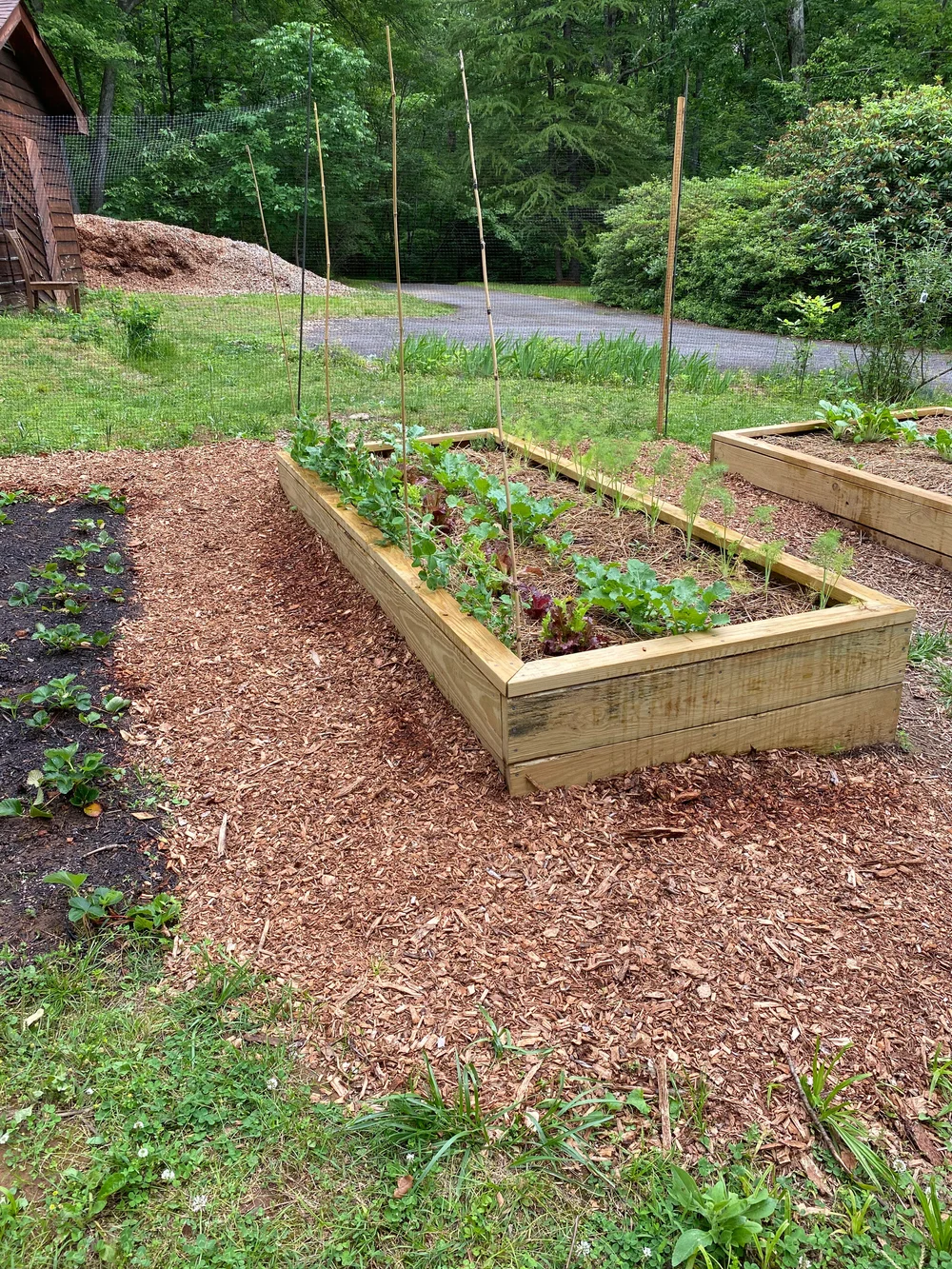
Wood Chips And Bark
Wood chips and bark are popular mulch choices for vegetable gardens. They help keep soil moist and reduce weeds. These mulches come from trees and break down over time.
Using wood chips and bark can improve soil health. They add organic matter as they decompose. Gardeners should know how to use them correctly for best results.
Suitability For Vegetable Gardens
Wood chips and bark work well in vegetable gardens. They protect soil from drying out. These mulches also block sunlight to stop weeds from growing.
Choose small or medium-sized wood chips. They break down faster and do not harm plants. Avoid very thick layers to allow air and water to reach roots.
- Keep mulch 2-3 inches thick
- Leave space around plant stems
- Use fresh or aged wood chips
- Avoid chips from treated wood
Decomposition Considerations
Wood chips and bark decompose slowly. They add nutrients to the soil over time. This process improves soil structure and fertility.
Fresh wood chips may use nitrogen as they break down. This can reduce nitrogen for plants. To avoid this, add nitrogen fertilizer or compost before mulching.
- Decomposition can take months to years
- Adding compost balances nitrogen use
- Turn mulch occasionally to speed breakdown
- Watch for mold or fungi growth
Sourcing Tips
Find wood chips and bark from local tree services or garden centers. Using local sources reduces cost and environmental impact. Make sure the mulch is free of chemicals.
Avoid wood chips from treated lumber or painted wood. These can harm plants and soil life. Look for hardwood chips for longer-lasting mulch or softwood for faster breakdown.
- Check for untreated, natural wood
- Ask if chips contain leaves or sticks
- Consider aged chips for less nitrogen use
- Get enough mulch to cover garden beds
Cover Crops As Living Mulch
Cover crops are plants grown to protect soil and help garden plants grow. They act as living mulch by covering the ground.
Using cover crops in a vegetable garden keeps soil moist, stops weeds, and adds nutrients. They improve garden health naturally.
Popular Cover Crops
Many plants work well as cover crops in vegetable gardens. Farmers and gardeners pick them based on climate and soil type.
- Crimson clover – fixes nitrogen in soil
- Hairy vetch – grows quickly and adds nitrogen
- Winter rye – controls erosion and weeds
- Buckwheat – attracts pollinators and breaks up soil
- Oats – protects soil and adds organic matter
Benefits To Vegetables
Cover crops protect vegetable plants by keeping soil cool and moist. They reduce weeds and improve soil health.
These plants add nutrients to the soil, especially nitrogen. They also help prevent soil erosion during rain.
- Keeps soil moist for vegetable roots
- Stops weeds from growing around vegetables
- Improves soil nutrients naturally
- Protects soil from erosion
- Supports beneficial insects and microbes
Management Practices
Plant cover crops early enough to let them grow before vegetables are planted. Mow or cut them before they set seed.
Incorporate the cover crops into the soil by tilling or turning them under. This adds organic matter and nutrients.
- Plant cover crops after harvesting vegetables
- Cut or mow cover crops before flowering
- Turn cover crops into soil 2-3 weeks before planting vegetables
- Use no-till methods if possible to protect soil structure
- Water and monitor cover crops for healthy growth
Common Mistakes To Avoid
Mulching helps vegetable gardens grow better. It keeps soil moist and stops weeds. But some mistakes can harm your plants.
Knowing what not to do with mulch saves time and plants. Avoid these common errors for a healthy garden.
Over-mulching
Adding too much mulch can stop water and air from reaching the soil. Plants need air and moisture to grow strong roots.
When mulch is too thick, it may cause root rot or slow plant growth. Keep mulch layers thin and even.
- Use about 2 to 3 inches of mulch only
- Keep mulch away from plant stems to avoid rot
- Check mulch thickness regularly and adjust
Using Treated Materials
Some mulches come from treated wood or other materials. These can release harmful chemicals into the soil.
Always choose natural, untreated mulch. It keeps your vegetables safe to eat and the soil healthy.
- Avoid colored or treated wood chips
- Choose straw, grass clippings, or leaves
- Check labels when buying mulch
Ignoring Pest Issues
Some mulches can attract pests like slugs, rodents, or insects. These pests can damage your vegetables.
Watch for signs of pests and change mulch type if needed. Clean up old mulch to reduce hiding spots.
- Use mulch that dries quickly, like straw or pine needles
- Remove mulch near plant bases to stop pests
- Inspect garden often for pest damage
Seasonal Mulching Tips
Mulching helps keep your vegetable garden healthy all year. It controls weeds, keeps soil moist, and adds nutrients.
Using the right mulch changes with the seasons. Different materials work best in spring, summer, fall, and winter.
Spring Strategies
In spring, use organic mulch like straw or shredded leaves. They warm the soil and protect young plants.
Apply mulch after planting seeds or seedlings. This keeps soil moist and stops weed growth.
- Straw: light and easy to spread
- Shredded leaves: add nutrients as they break down
- Grass clippings: use thin layers to avoid odors
Summer Maintenance
In summer, mulch helps keep soil cool and moist during hot days. Use thicker layers to reduce water loss.
Avoid mulches that attract pests or mold in hot weather. Keep mulch a few inches away from plant stems.
- Wood chips: good for moisture retention
- Compost: adds nutrients and keeps soil cool
- Hay: watch for seeds that can sprout weeds
Fall Preparation
In fall, use mulch to protect soil and add organic matter. This helps soil rest over winter.
Apply thicker mulch layers to prevent soil erosion and keep nutrients in place.
- Leaves: shred and spread to add nutrients
- Compost: enriches soil for next season
- Straw: insulates soil from cold
Winter Protection
Winter mulch protects roots from freezing and thawing cycles. Use thick, insulating materials.
Remove mulch in early spring to let soil warm and dry before planting.
- Straw or hay: keeps soil temperature stable
- Wood chips: slow to break down, good for long-term protection
- Leaves: use thick layers to shield roots

Credit: savvygardening.com
Frequently Asked Questions
What Is The Best Mulch For Vegetable Gardens?
Organic mulches like straw, wood chips, and grass clippings are ideal. They enrich the soil as they decompose. These mulches help retain soil moisture and suppress weeds effectively. They also improve soil structure over time, promoting healthy plant growth.
Can I Use Grass Clippings As Mulch?
Yes, grass clippings are an excellent mulch option. They decompose quickly and enrich the soil with nutrients. Ensure the grass is not treated with chemicals. Spread a thin layer to avoid compaction and allow for proper air circulation.
Is Straw A Good Mulch For Vegetables?
Straw is an excellent mulch for vegetable gardens. It helps retain moisture and suppresses weeds effectively. Straw also decomposes slowly, enriching the soil over time. Ensure it’s weed-free and use a layer about 2-3 inches thick for best results.
Can Wood Chips Be Used In Vegetable Gardens?
Yes, wood chips are suitable for pathways and around plants. They suppress weeds and retain moisture. As they decompose, they improve soil structure. Avoid mixing them directly into the soil, as they can temporarily deplete nitrogen levels.
Conclusion
Choosing the right mulch helps your vegetable garden grow strong. Mulch keeps soil moist and stops weeds from growing. Organic mulches like straw or leaves add nutrients to the soil. Inorganic mulches like plastic can keep soil warm and dry.
Think about what works best for your plants and climate. Using mulch saves time and helps plants stay healthy. Start mulching today to see better garden results soon. Simple steps make a big difference in your garden’s success.