
Are weeds taking over your garden and stealing the spotlight from your beautiful plants? You’re not alone, and the good news is, you can take control.
Imagine a garden where every flower and vegetable grows strong and healthy, free from pesky intruders. You’ll discover simple, effective ways to stop weeds before they start, so your garden can thrive like never before. Ready to transform your garden into a weed-free haven?
Let’s dive in and make it happen!
Credit: www.georgiaturfsolutions.com
Identify Common Garden Weeds
Weeds compete with your plants for water, sunlight, and nutrients. Knowing which weeds grow in your garden helps you control them better.
Some weeds grow fast and spread quickly. Others are hard to remove because of deep roots. Let’s look at some common garden weeds.
Dandelion
Dandelions have bright yellow flowers and jagged leaves. They grow from deep taproots. If you pull the top, the root stays and the weed grows back.
Dandelions spread seeds with the wind. They often appear in lawns and flower beds.
Crabgrass
Crabgrass is a fast-growing grass weed with wide, light green blades. It spreads low to the ground and forms thick mats.
This weed grows mostly in sunny, dry spots. It can crowd out grass and garden plants.
Bindweed
Bindweed has white or pink trumpet-shaped flowers. It climbs and wraps around other plants, blocking sunlight.
Its roots go deep and spread wide. Bindweed is hard to kill once it grows in your garden.
Chickweed
Chickweed is a low-growing weed with small white flowers. It forms dense patches in moist, shady areas.
This weed spreads quickly and can smother young plants in your garden.
Creeping Charlie
Creeping Charlie has round, scalloped leaves and small purple flowers. It grows close to the ground and spreads fast.
This weed thrives in shady, damp places and is tough to remove once established.
Prevent Weed Growth Early
Weeds can quickly take over your garden if you do not stop them early. Controlling weeds early makes gardening easier and helps plants grow better.
Taking simple steps before weeds grow can save time and effort later. Start with good planning and care for your garden soil.
Choose The Right Plants
Select plants that grow close together. They block sunlight and space, which weeds need to grow.
Use ground covers or dense plants to reduce empty soil areas. This helps stop weed seeds from sprouting.
- Pick fast-growing plants
- Use plants that spread wide
- Choose native plants for better growth
Prepare Soil Properly
Clear all weeds and old roots before planting. Good soil preparation stops weeds from coming back quickly.
Loosen the soil well and add mulch. Mulch blocks weed seeds from reaching sunlight and keeps soil moist for your plants.
- Remove weeds and roots by hand or tool
- Turn soil deeply to break weed roots
- Apply 2-3 inches of mulch around plants
Effective Manual Weed Removal
Weeds compete with garden plants for nutrients and water. Removing them by hand keeps your garden healthy without chemicals.
Manual weed removal is simple. It requires patience and the right techniques to work well.
Hand Pulling Techniques
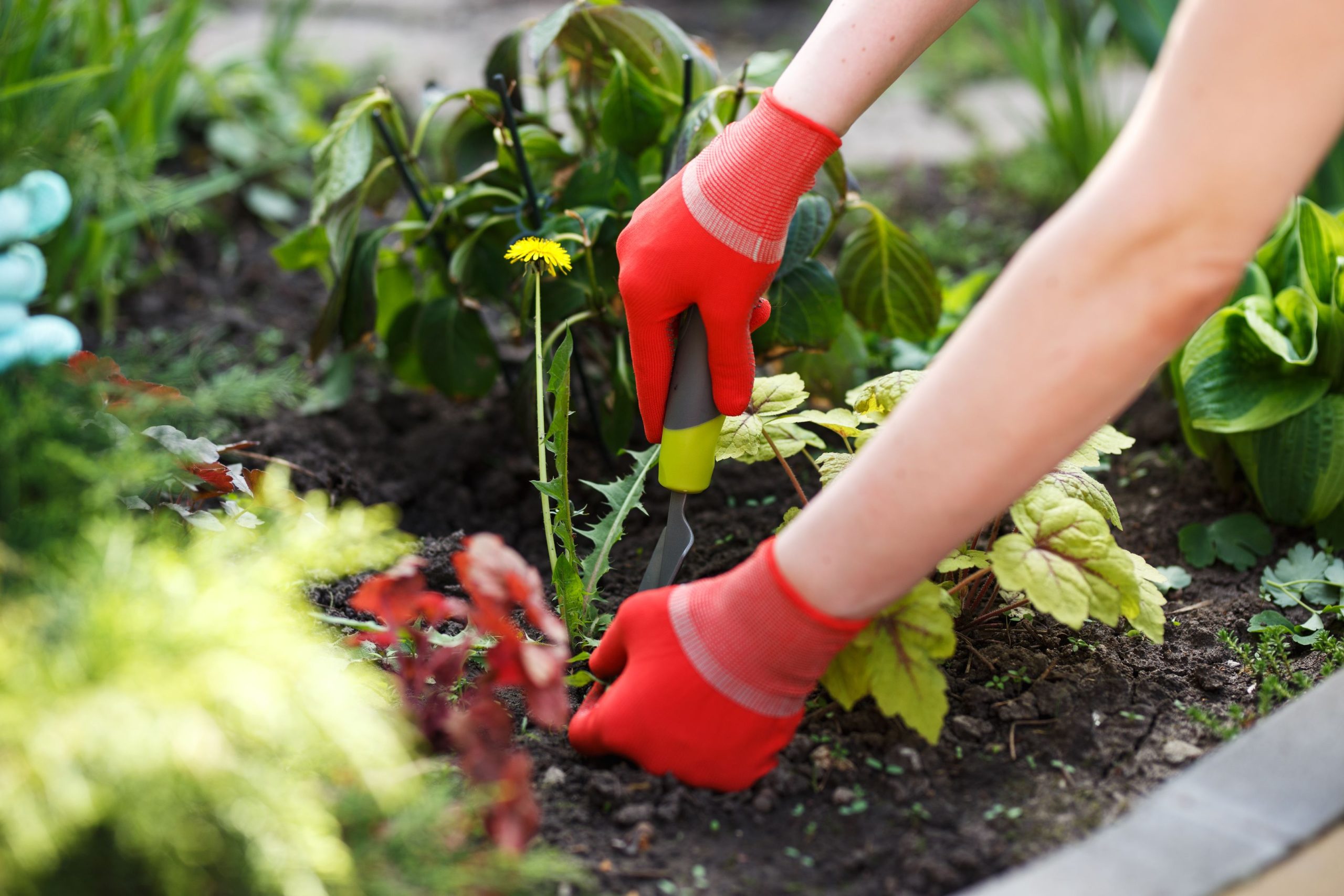
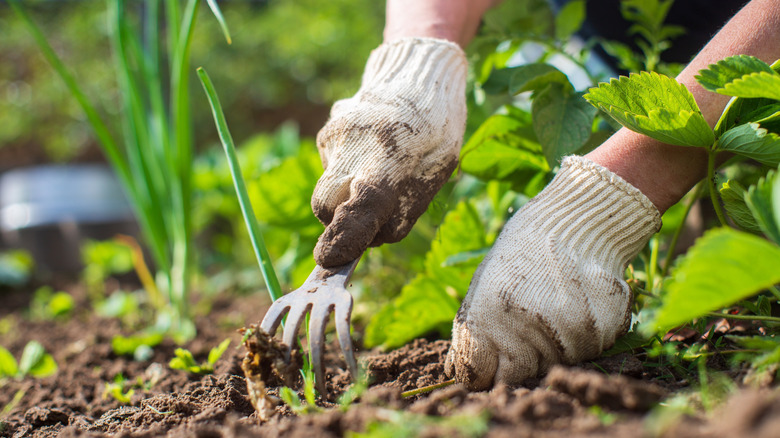
Hand pulling is the most direct way to remove weeds. It works best when the soil is moist and soft.
Grasp the weed close to the ground. Pull slowly to remove the entire root without breaking it.
- Pull weeds after rain or watering
- Wear gloves to protect your hands
- Pull small weeds before they grow larger
- Remove roots completely to prevent regrowth
Using Weeding Tools
Weeding tools help remove tough weeds and deep roots. They make the job easier and faster.
Common tools include hand forks, hoes, and weed pullers. Each tool works best for different weed types and soil conditions.
- Hand fork loosens soil around roots
- Hoe cuts weeds just below soil surface
- Weed puller grips and lifts deep roots
- Use tools gently to avoid harming plants
Mulching For Weed Control
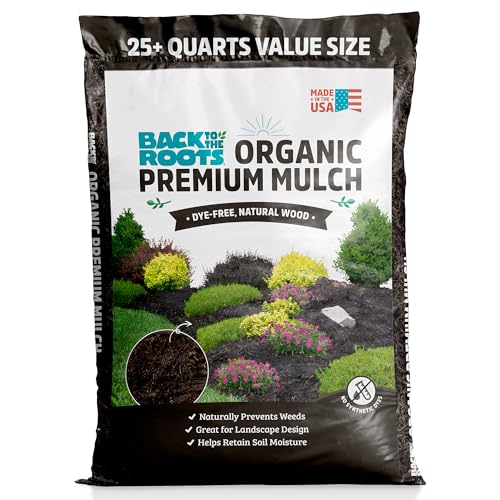
Mulching helps stop weeds from growing in your garden. It blocks sunlight, so weed seeds cannot sprout easily.
You can use many types of mulch. Choosing the right one helps keep your garden healthy and weed-free.
Types Of Mulch
There are many mulch types. Each works well for different garden needs. Organic mulches also add nutrients to the soil.
- Wood chips: slow to break down, good for paths and flower beds.
- Straw: light and easy to spread, best for vegetable gardens.
- Grass clippings: quick to decompose, add nitrogen to soil.
- Leaves: affordable and natural, break down to enrich soil.
- Compost: improves soil health while controlling weeds.
- Plastic mulch: blocks all light, ideal for vegetable rows.
Application Tips
Apply mulch carefully for best weed control. Follow these simple tips to protect your plants and soil.
| Tip | Reason |
| Clear weeds before mulching | Mulch works best on bare soil |
| Use 2 to 4 inches thick layer | Enough to block sunlight but not drown plants |
| Keep mulch away from plant stems | Prevents rot and pest problems |
| Refresh mulch yearly | Maintains weed barrier and soil health |
| Water soil before mulching | Helps plants and mulch settle well |
Natural Weed Control Methods
Weeds can take over your garden quickly. Using natural methods helps protect your plants and the earth.
These methods are safe and easy to use. They reduce the need for chemicals and keep your garden healthy.
Vinegar Solutions
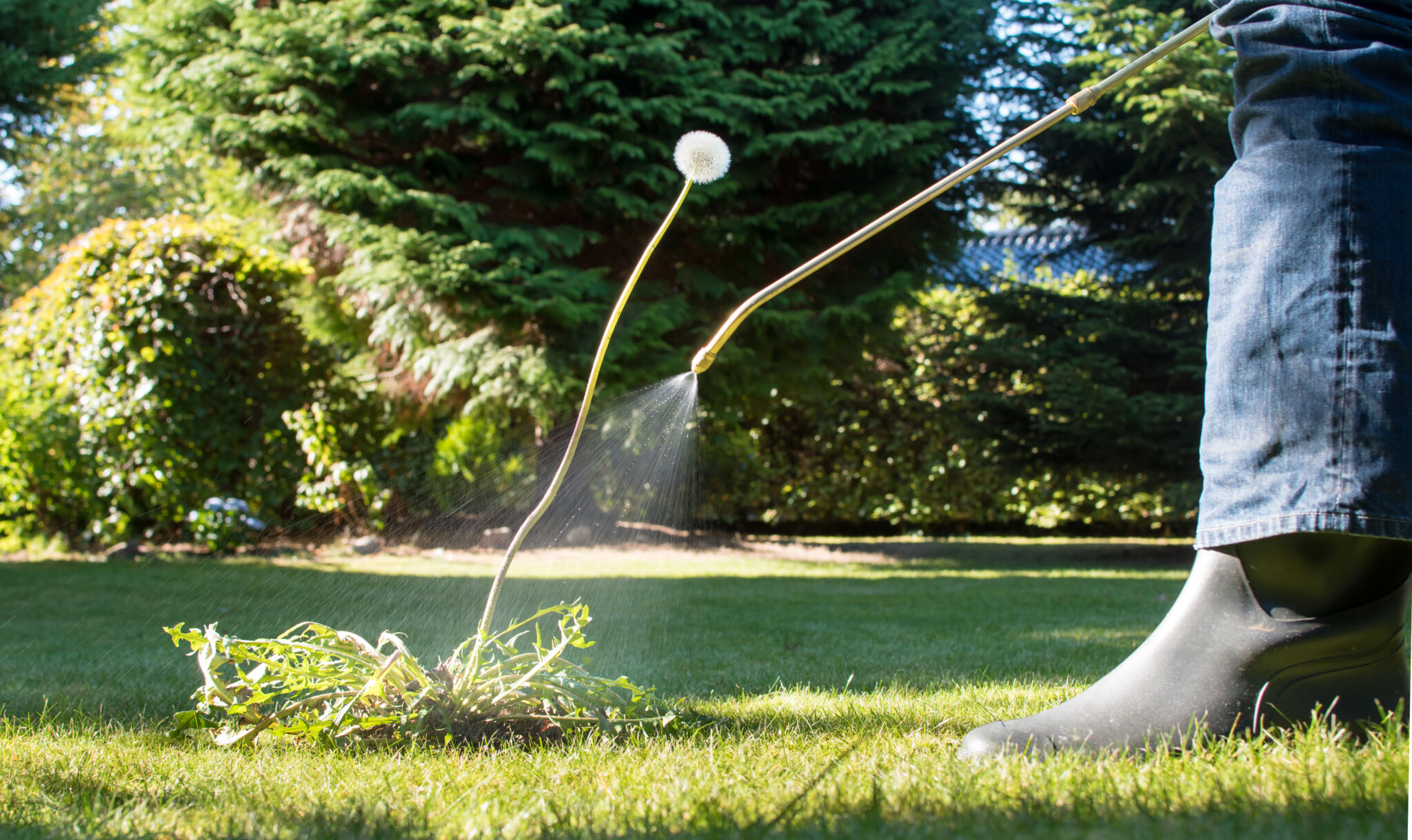
Vinegar is a natural weed killer. It works best on young, small weeds. Use white vinegar with 5% acetic acid for safety.
- Spray vinegar directly on the weed leaves in dry, sunny weather.
- Avoid spraying on plants you want to keep, as vinegar can harm them too.
- Repeat the application every few days for tough weeds.
Boiling Water
Pouring boiling water is a simple way to kill weeds. It destroys the weed’s cells and roots quickly.
This method works well for weeds growing in cracks or on paths. Be careful to avoid your garden plants.
| Advantages | Precautions |
|---|---|
| Kills weeds fast | Can harm nearby plants |
| No chemicals used | May need repeated treatments |
| Easy and free | Use caution to prevent burns |
Corn Gluten Meal
Corn gluten meal stops weed seeds from growing. It also adds nitrogen to the soil, helping your plants grow.
- Apply corn gluten meal in early spring or fall before weeds sprout.
- Spread evenly over bare soil or mulch areas.
- Water the area lightly after application.
- Do not use if you plan to plant seeds soon, as it can stop all seeds from growing.
Credit: www.housedigest.com
Chemical Weed Killers
Weeds can harm your garden plants by stealing nutrients and space. Chemical weed killers help control unwanted plants effectively.
Using herbicides can save time and effort compared to manual weeding. It is important to choose the right type and apply it safely.
Selective Vs Non-selective Herbicides
Selective herbicides kill specific weed types without harming garden plants. They target broadleaf or grassy weeds based on the formula.
Non-selective herbicides kill all plants they touch. Use them carefully to avoid damaging flowers or vegetables.
- Selective herbicides protect your plants while removing weeds.
- Non-selective herbicides work well on driveways or paths.
- Choose the herbicide based on the area and plants you want to keep.
Safe Application Practices
Always read the label before using any chemical weed killer. Follow the instructions to avoid harm to yourself and plants.
Wear gloves and protective clothes when applying herbicides. Keep children and pets away from treated areas until dry.
- Apply herbicides on a calm day to prevent drift.
- Use the correct amount to avoid overuse and pollution.
- Store chemicals in a safe, locked place away from children.
- Dispose of containers properly according to local rules.
Maintain A Weed-free Garden
Weeds can harm your plants by taking water and nutrients. Keeping your garden free of weeds helps plants grow strong.
Controlling weeds needs regular attention and good gardening habits. These tips help you keep weeds under control.
Regular Monitoring
Check your garden often for new weeds. Early removal stops weeds from spreading seeds.
Walk through your garden at least once a week. Pull out small weeds before they grow bigger.
- Look closely at flower beds and vegetable patches
- Use gloves to protect your hands
- Remove weeds carefully to avoid root damage
Proper Watering And Feeding
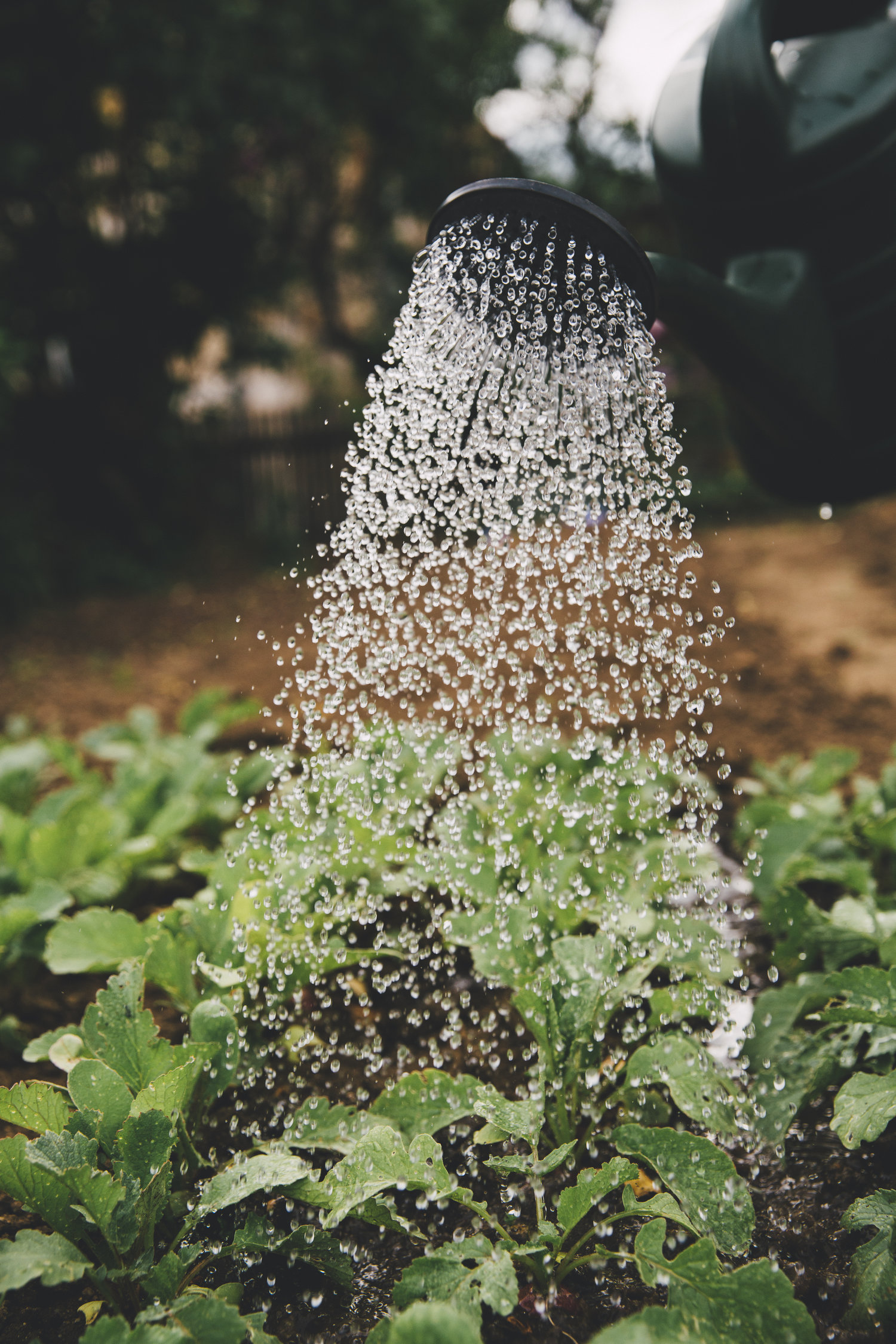
Water your plants deeply but avoid watering weeds. Good watering helps plants grow strong and crowd out weeds.
Feed your garden with the right fertilizer. Healthy plants take up space and resources, leaving less for weeds.
- Water early in the morning or late in the evening
- Use mulch to keep soil moist and block weed growth
- Choose balanced fertilizers for your plant types
Credit: www.bostontreepreservation.com
Frequently Asked Questions
What Are The Best Methods To Control Weeds?
To control weeds effectively, use mulching, hand-pulling, and applying pre-emergent herbicides. Mulching prevents sunlight from reaching weed seeds. Hand-pulling is ideal for small infestations. Pre-emergent herbicides stop weed seeds from germinating. Combining these methods ensures a weed-free garden.
How Often Should I Weed My Garden?
Regular weeding is essential for a healthy garden. Ideally, weed your garden every two weeks. This prevents weeds from taking over and competing with your plants. Early intervention makes weed removal easier and more effective.
Can Vinegar Kill Garden Weeds Effectively?
Yes, vinegar can kill garden weeds due to its acetic acid content. It’s a natural herbicide ideal for small weed patches. Apply it directly on weeds for best results. However, use it cautiously around desired plants, as it can harm them too.
Are There Eco-friendly Weed Control Options?
Yes, eco-friendly options include mulching, hand-pulling, and using boiling water. Mulching smothers weeds and conserves soil moisture. Hand-pulling is effective for small infestations. Boiling water is a non-toxic way to kill weeds. These methods are safe for the environment and your garden.
Conclusion
Controlling weeds keeps your garden healthy and neat. Pull weeds early before they spread seeds. Use mulch to stop weeds from growing fast. Water plants carefully to help them outgrow weeds. Regularly check your garden for new weed growth. Small efforts daily make a big difference over time.
Enjoy a beautiful garden free from unwanted plants. Keep these tips in mind for easier weed control. Your garden will thank you with strong, happy plants.