

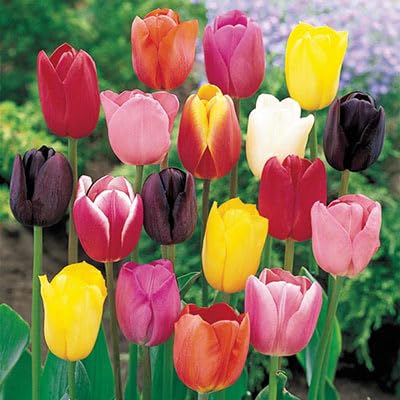

Are you ready to transform your outdoor space into a thriving garden? Cultivating a garden is easier than you might think, and it brings more than just beautiful plants.
Imagine stepping outside to fresh air, colorful flowers, and homegrown vegetables you nurtured yourself. In this guide, you’ll discover simple, practical steps to start and maintain your garden with confidence. Whether you have a small balcony or a backyard, this article will help you unlock the secrets to healthy soil, proper planting, and ongoing care.
Keep reading, and soon you’ll enjoy the satisfaction and peace that come with growing your own garden.
Choosing The Right Location
Picking the right spot for your garden is very important. The location affects how well your plants will grow.
You need to think about sunlight, soil, and water access to find the best place.
Assessing Sunlight And Shade
Most plants need sunlight to grow well. Check how many hours of sun the spot gets each day.
Some plants grow better with some shade. Make sure the location matches the needs of your plants.
- Full sun: 6 or more hours of direct sunlight
- Partial shade: 3 to 6 hours of sunlight
- Full shade: less than 3 hours of sunlight
Soil Quality And Preparation
Good soil helps plants get nutrients and water. Test the soil to see if it is healthy.
Remove rocks and weeds. Add compost or fertilizer to improve the soil before planting.
- Check soil texture: sandy, clay, or loam
- Test soil pH level for plant suitability
- Mix organic matter to improve soil health
Considering Water Access
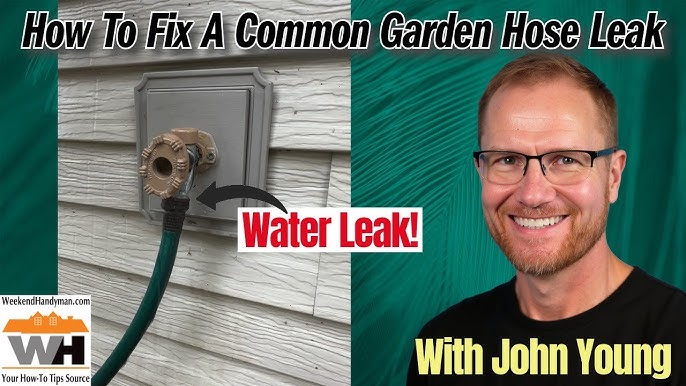
Your garden needs regular watering. Choose a spot close to a water source like a faucet or hose.
Good drainage is important. Avoid places where water pools after rain.
- Check how easy it is to water your plants
- Make sure the soil drains well
- Consider rainwater collection to save water
Selecting Plants For Success
Choosing the right plants is key to a healthy garden. Pick plants that grow well in your area.
Think about your soil, sunlight, and water before planting. This helps your garden thrive.
Matching Plants To Climate
Plants grow best in climates they suit. Check your area’s temperature and rainfall.
Choose plants that handle your weather well. This reduces plant stress and loss.
- Know your hardiness zone
- Pick drought-tolerant plants for dry areas
- Choose frost-resistant plants for cold zones
- Consider humidity and sunlight levels
Combining Perennials And Annuals
Use perennials for long-lasting plants that return yearly. Annuals add quick color.
Mixing both types keeps your garden lively all season. It also fills gaps fast.
- Plant perennials for structure and roots
- Add annuals for bright seasonal blooms
- Replace annuals each year for variety
- Use perennials as a garden base
Incorporating Native Species
Native plants suit local soil and weather. They need less water and care.
These plants support local wildlife like bees and birds. They help keep nature balanced.
- Choose plants that grow naturally nearby
- Support pollinators with native flowers
- Reduce garden pests with native plants
- Save water by using drought-tolerant natives
Planting Techniques
Planting techniques help your garden grow strong and healthy. Using the right methods improves plant growth and yield.
Good planting starts with understanding how to space, time, and care for your plants. These steps make a big difference in your garden’s success.
Proper Spacing And Depth
Plant your seeds or seedlings at the right depth. Too shallow or too deep can stop them from growing well. Also, give plants enough space to grow leaves and roots.
- Check seed packets for recommended planting depth.
- Leave enough space so plants do not crowd each other.
- Use a ruler or stick to plant seeds evenly.
- Thin seedlings if they grow too close.
Timing Your Planting
Plant at the right time to avoid frost or heat stress. Different plants have different seasons to start. Knowing the best time helps plants grow fast and healthy.
| Plant Type | Best Planting Time |
| Tomatoes | After last frost in spring |
| Lettuce | Early spring or fall |
| Carrots | Early spring |
| Beans | Late spring |
Using Mulch Effectively
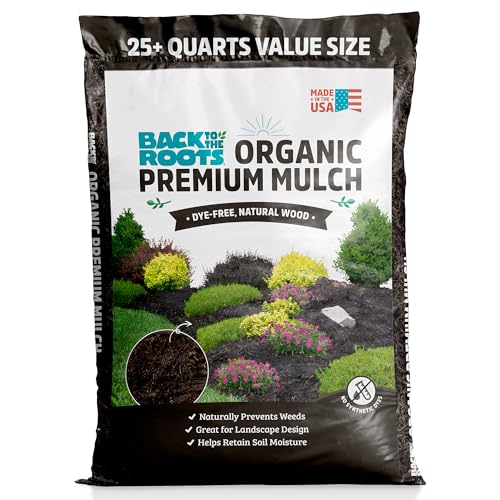
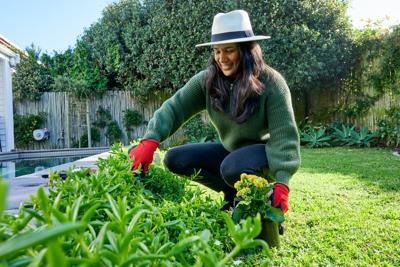
Mulch keeps soil moist and stops weeds from growing. It also adds nutrients to the soil as it breaks down. Use mulch around your plants to protect them.
- Apply 2-3 inches of mulch around plants.
- Keep mulch a few inches away from plant stems.
- Use organic mulch like straw, leaves, or wood chips.
- Replenish mulch each season for best results.
Credit: www.stgeorgeutah.com
Watering Strategies
Watering is key to growing a healthy garden. Using the right methods helps plants grow strong.
Good watering saves water and prevents plant problems like root rot or dryness.
Setting A Watering Schedule
Set a regular time to water your plants. Early morning is the best time.
Check soil moisture before watering. Dry soil needs water, but wet soil does not.
- Water most plants two to three times a week.
- Reduce watering in rainy weather.
- Increase watering during hot, dry days.
- Adjust schedule based on plant type and soil.
Techniques For Deep Watering
Deep watering helps roots grow deep into the soil. This makes plants stronger.
Water slowly at the base of the plant. Let the water soak into the ground.
| Deep Watering Methods | Description |
|---|---|
| Soaker Hose | Delivers water slowly along the hose length |
| Drip Irrigation | Releases water directly to plant roots |
| Hand Watering | Use a watering can or hose with a gentle spray |
Avoiding Overwatering
Overwatering can hurt plants by causing root rot and disease. Watch for signs.
- Yellow leaves can mean too much water.
- Soil that stays wet for days is a warning.
- Smell soil for sour or rotten odors.
- Water only when soil feels dry an inch below surface.
Nutrient Management
Nutrient management helps plants grow healthy and strong. It means giving plants the right food in the right amount.
Good nutrient care improves soil and makes your garden more productive. Knowing how to feed your plants is very important.
Choosing Fertilizers
Fertilizers add nutrients to the soil to help plants grow. Choose fertilizers based on your garden’s needs.
Look for fertilizers with nitrogen, phosphorus, and potassium. These are the main nutrients plants need.
- Nitrogen helps leaves grow green and strong
- Phosphorus supports root and flower development
- Potassium improves overall plant health
Organic Vs. Synthetic Options
Organic fertilizers come from natural sources like plants and animals. They improve soil health slowly over time.
Synthetic fertilizers are made with chemicals. They work faster but can harm soil if used too much.
- Organic fertilizers release nutrients slowly
- Synthetic fertilizers give quick results
- Organic options boost soil life and texture
- Synthetic options are easy to measure and apply
Composting Basics
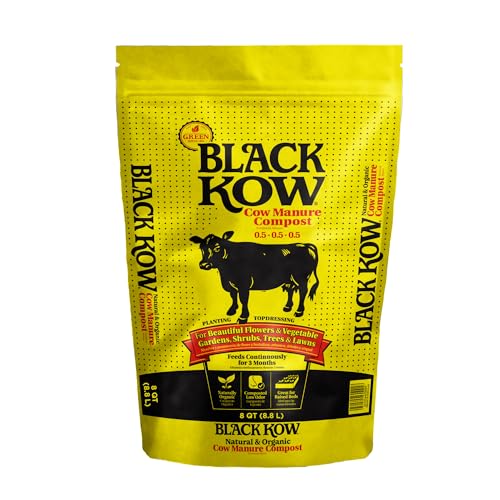
Composting turns kitchen scraps and garden waste into rich soil food. It is a natural way to feed your plants.
Good compost has a balance of green materials and brown materials. It helps plants get many nutrients.
- Green materials: vegetable scraps, grass clippings
- Brown materials: dry leaves, straw, paper
- Keep compost moist and turn it often
- Ready compost looks dark and smells earthy
Pest And Disease Control
Pests and diseases can harm your garden plants. Controlling them helps your garden grow strong. Learn to spot pests and stop diseases early.
Using natural methods keeps your garden healthy and safe. This guide covers pest identification, natural treatments, and disease prevention.
Identifying Common Pests
Look for signs like holes in leaves, sticky residue, or webs. Common pests include aphids, caterpillars, and beetles. Knowing them helps you act fast.
- Aphids:Small, green or black insects that suck plant sap.
- Caterpillars:Worm-like larvae that eat leaves.
- Beetles:Hard-bodied insects that chew on foliage.
- Spider Mites:Tiny spiders causing webbing and yellow spots.
Natural Pest Remedies
Use gentle solutions to protect plants without chemicals. Natural remedies keep pests under control and support good bugs.
- Spray water to wash off aphids.
- Use neem oil as a natural insect repellent.
- Plant marigolds to repel harmful insects.
- Introduce ladybugs that eat pest insects.
- Apply garlic spray to deter many pests.
Preventing Plant Diseases
Diseases spread quickly in wet or crowded gardens. Keep plants healthy by using good care practices and clean tools.
| Prevention Tip | How It Helps |
| Water plants early in the day | Leaves dry faster, reducing fungus |
| Space plants properly | Improves air flow and lowers moisture |
| Remove diseased leaves | Stops spread of infections |
| Use disease-resistant plant varieties | Plants resist common infections better |
| Sanitize gardening tools | Prevents moving diseases between plants |
Pruning And Maintenance
Pruning and maintenance keep your garden healthy and growing strong. Regular care helps plants bloom and stay tidy. Understanding when and how to prune is key for good results.
Proper deadheading and seasonal care also support plant health. These tasks remove dead parts and prepare your garden for new growth. Let’s explore these important steps.
When And How To Prune
Prune plants at the right time for each species. Spring-flowering shrubs need pruning after they bloom. Summer-flowering plants do best when pruned in late winter or early spring. Use clean, sharp tools to make cuts at a 45-degree angle. Remove dead or damaged branches first to improve air flow and light.
- Prune spring bloomers after flowering ends
- Cut summer bloomers in late winter or early spring
- Remove dead or weak branches
- Use sharp tools for clean cuts
- Make cuts at a 45-degree angle
Deadheading For Growth
Deadheading means removing faded flowers. This process helps plants focus energy on new blooms. It also keeps the garden looking neat. Use your fingers or scissors to pinch off the old flowers just above the first set of healthy leaves.
| Plant Type | Deadheading Frequency | Best Method |
|---|---|---|
| Roses | Every 1-2 weeks | Snip with sharp pruners |
| Marigolds | Weekly | Pinch off with fingers |
| Petunias | Every 7-10 days | Cut stems just below dead flower |
Seasonal Garden Care
Seasonal care changes with the weather. In spring, clean up winter debris and prepare soil. Summer needs regular watering and pest checks. Fall is good for cutting back perennials and adding mulch. Winter may require protecting plants from frost.
- Spring: Clear debris, enrich soil
- Summer: Water often, watch for pests
- Fall: Cut back perennials, add mulch
- Winter: Protect plants from frost

Credit: www.lowes.com
Creating Garden Features
Adding features to your garden makes it more interesting and enjoyable. These features can guide visitors and highlight plants.
Good garden features also help organize space and add beauty. You can create paths, borders, water elements, and seating areas.
Incorporating Paths And Borders
Paths help people walk through your garden without stepping on plants. Borders keep plants neat and separate different areas.
Use materials like stones, bricks, or wood for paths. Choose plants or small fences for borders.
- Stone paths are durable and natural-looking
- Brick paths add a classic style
- Wooden borders blend well with plants
- Plant borders like lavender provide color and scent
Adding Water Elements
Water features bring calm sounds and attract wildlife like birds and butterflies. Small ponds, fountains, or birdbaths work well.
Place water elements where you can see and hear them easily. Keep water clean to avoid mosquitoes.
- Fountains add movement and sound
- Birdbaths attract birds and help them stay healthy
- Ponds support frogs and aquatic plants
- Water bowls are simple and easy to maintain
Using Garden Furniture
Furniture creates spaces to rest and enjoy your garden. Benches, chairs, and tables invite people to stay longer.
Choose materials that match your garden style. Place furniture in shaded spots or near flowers for the best experience.
- Wooden benches add a warm, natural feel
- Metal chairs are strong and easy to clean
- Tables make outdoor meals possible
- Cushions increase comfort and color
Sustainable Gardening Practices
Sustainable gardening helps protect the environment. It uses natural methods to grow plants.
This way, gardens stay healthy without harming nature. It saves water, supports wildlife, and reduces chemicals.
Water Conservation Tips
Water is very important for plants. Using water wisely helps keep it available for everyone.
Water your garden early in the morning or late in the evening to reduce evaporation.
- Use drip irrigation or soaker hoses to water plants slowly
- Collect rainwater in barrels for garden use
- Mulch around plants to keep soil moist longer
- Group plants with similar water needs together
Encouraging Wildlife
Wildlife like birds and bees help gardens grow well. They pollinate flowers and eat pests.
Plant native flowers and provide safe places for animals to live. This supports local wildlife.
- Grow a variety of plants that bloom at different times
- Leave some areas with natural plants and leaves
- Build birdhouses or insect hotels
- Avoid removing all dead wood or leaves
Reducing Chemical Use
Using fewer chemicals protects soil, water, and animals. It keeps your garden safe and healthy.
Use natural ways to control pests and feed plants instead of harmful chemicals.
- Use compost or organic fertilizers
- Plant pest-repelling herbs like mint or basil
- Encourage beneficial insects like ladybugs
- Hand-pick pests or use natural sprays like neem oil

Credit: www.youtube.com
Frequently Asked Questions
What Are The Basic Steps To Start A Garden?
Starting a garden involves selecting a suitable location with ample sunlight. Prepare the soil by removing weeds and adding compost. Choose plants suitable for your climate and season. Plant seeds or seedlings with proper spacing and water them regularly. Lastly, monitor and maintain the garden for pests and growth.
How Often Should I Water My Garden?
The frequency of watering depends on your plants and climate. Generally, gardens need about 1 inch of water per week. Water deeply once or twice a week instead of daily, allowing the soil to dry slightly between waterings. This encourages deeper root growth and healthier plants.
What Tools Do I Need For Gardening?
Essential gardening tools include a spade, trowel, pruners, and a watering can. A rake and hoe are useful for soil preparation. Gloves protect your hands, while a wheelbarrow helps transport materials. Investing in quality tools makes gardening tasks easier and more efficient.
How Can I Prevent Pests In My Garden?
Prevent pests by practicing crop rotation and planting pest-resistant varieties. Encourage beneficial insects like ladybugs and use natural predators. Remove debris and weeds that harbor pests. For persistent issues, use organic solutions like neem oil or insecticidal soap to control harmful pests.
Conclusion
Gardening takes patience and care. Start small and learn as you go. Choose good soil and water your plants well. Watch your garden grow day by day. Enjoy the fresh air and quiet moments outside. Gardening brings joy and helps you relax.
Keep trying, and your garden will thrive. A little effort makes a big difference. Happy gardening!