


Weeds can quickly take over your garden, stealing nutrients and sunlight from the plants you worked hard to grow. If you’re tired of battling unwanted growth and want a healthier, more beautiful garden, you need effective ways to suppress those pesky weeds.
You’ll discover simple, practical methods that make it easier to keep your garden weed-free. Keep reading, and you’ll find out how to protect your plants and enjoy a lush, thriving garden all season long.
Common Garden Weeds
Weeds often grow quickly and take nutrients from your garden plants. They can make your garden look messy and unhealthy.
Knowing the common types of weeds helps you control them better. Understanding how they grow lets you stop them early.
Types Of Weeds
Weeds in gardens usually fall into three groups. These are broadleaf weeds, grassy weeds, and sedges. Each group has different shapes and growth habits.
- Broadleaf Weeds:These have wide leaves and often flower. Examples include dandelions and clover.
- Grassy Weeds:These look like grass. Crabgrass and quackgrass are common grassy weeds.
- Sedges:Sedges have triangular stems and grow in wet areas. Nutsedge is a common sedge weed.
Weed Growth Patterns
Weeds grow in different ways. Some spread by seeds, while others spread through roots or runners. Knowing this helps in choosing control methods.
- Seed Spread:Many weeds produce lots of seeds. These seeds spread by wind, water, or animals.
- Root Spread:Some weeds grow new plants from their roots. Examples are bindweed and creeping Charlie.
- Runner Spread:Some weeds send out runners that grow new plants. Bermuda grass spreads this way.

Credit: thegardenersworkshop.com
Preventing Weed Growth
Weeds can take nutrients and water from your garden plants. Stopping weeds early helps your garden grow strong.
This guide shows simple ways to keep weeds out before they start growing.
Soil Preparation
Good soil preparation stops weed seeds from growing. Remove old plants and roots from the soil.
- Till the soil deeply to break weed roots.
- Add compost to improve soil health.
- Use a rake to smooth the soil surface.
- Plant cover crops to block sunlight from weeds.
Mulching Benefits
Mulch covers the soil and stops weed seeds from getting light. It also keeps soil moist and cool.
| Mulch Type | Benefits |
| Wood Chips | Long-lasting and natural looking |
| Straw | Lightweight and easy to spread |
| Grass Clippings | Free and adds nitrogen to soil |
| Plastic Sheeting | Blocks all light and weeds |
Proper Watering Techniques
Water only where your plants grow. Avoid watering the whole garden surface.
Try these watering tips:
- Use drip irrigation to deliver water directly to roots.
- Water early in the morning to reduce evaporation.
- Avoid overwatering, which helps weeds grow.
Effective Weed Control Methods
Weeds can quickly take over your garden if left unchecked. Using good control methods helps keep your plants healthy and strong.
This guide covers three main ways to reduce weeds in your garden. You can remove them by hand, use chemicals carefully, or try natural solutions.
Manual Removal
Pulling weeds out by hand is a simple and effective way to control them. It works best when the soil is moist and the weeds are small.
- Wear gloves to protect your hands
- Use a hoe or weeding tool for deep roots
- Remove the entire root to stop regrowth
- Dispose of weeds away from the garden
Herbicide Options
Herbicides kill weeds but can harm other plants if used wrongly. Choose the right product and follow the instructions carefully.
| Herbicide Type | Target Weeds | Usage Tips |
| Selective | Only weeds, not grass | Apply on calm days |
| Non-selective | All plants in treated area | Use only on paths or driveways |
| Pre-emergent | Weeds before they sprout | Apply early in the season |
Natural Weed Killers
Natural weed killers use common kitchen ingredients or garden products to reduce weeds safely. They are a good choice for organic gardens.
- Vinegar sprays dry out weed leaves
- Boiling water kills weeds at the roots
- Mulching blocks sunlight and stops growth
- Corn gluten meal prevents seed germination

Credit: www.vegetableacademy.com
Using Mulch To Block Weeds
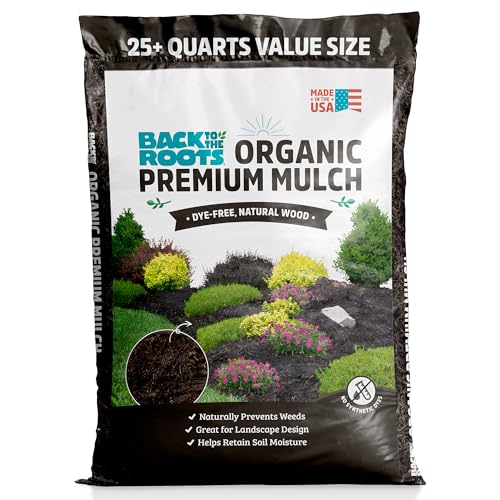
Mulch is a simple way to stop weeds from growing in your garden. It covers the soil and blocks sunlight, which weeds need to grow.
There are different kinds of mulch you can use. Some come from natural materials, and others are made from synthetic products.
Organic Mulches
Organic mulches come from plants or animals. They improve soil quality as they break down. Examples include bark, straw, and leaves.
- Bark chips keep moisture in the soil and look nice.
- Straw is light and easy to spread around plants.
- Leaves add nutrients back into the soil as they decay.
- Grass clippings are free and work well if dry.
Inorganic Mulches
Inorganic mulches do not break down easily. They last longer but do not add nutrients to the soil. Common types are plastic sheets and stones.
| Type | Benefits | Drawbacks |
| Plastic Sheets | Blocks weeds well, keeps moisture | Does not improve soil |
| Stones | Long-lasting, decorative | Can heat soil, heavy to move |
| Rubber Mulch | Durable, good drainage | Does not add nutrients |
Application Tips
Apply mulch correctly to get the best results. Follow these simple tips to block weeds well.
- Clear the area of existing weeds before spreading mulch.
- Lay mulch 2 to 4 inches thick for good coverage.
- Keep mulch a few inches away from plant stems to avoid rot.
- Replenish mulch every year as it breaks down or moves.
- Water the soil before and after applying mulch.
Planting Strategies To Outcompete Weeds
Weeds can take over a garden quickly if left unchecked. Using smart planting strategies helps reduce weed growth naturally. This guide covers ways to plant that keep weeds under control.
By choosing the right plants and planting methods, you can make your garden a tough place for weeds to grow. Here are three effective strategies.
Dense Planting
Planting crops close together fills the space quickly. Dense planting leaves little room for weeds to sprout. It also shades the soil, making it harder for weed seeds to grow.
- Choose plants that grow well in tight groups.
- Plant fast-growing varieties to cover ground quickly.
- Use multiple rows to block sunlight from reaching weeds.
- Thin plants only when necessary to maintain coverage.
Cover Crops
Cover crops are plants grown mainly to cover the soil. They protect the garden from weeds by competing for nutrients and space. Cover crops also improve soil health.
| Cover Crop | Benefits | Best Season |
| Clovers | Fix nitrogen, improve soil | Spring, Summer |
| Ryegrass | Suppress weeds, prevent erosion | Fall, Winter |
| Buckwheat | Fast growth, smothers weeds | Summer |
Ground Covers
Ground covers are low-growing plants that spread across the soil surface. They block sunlight and crowd out weeds. Ground covers keep soil moist and reduce erosion too.
Popular ground covers include:
- Vinca minor (periwinkle)
- Ajuga reptans (bugleweed)
- Creeping thyme
- Sweet woodruff
These plants are easy to grow and maintain. They form a thick mat that weeds cannot break through.

Credit: food52.com
Maintaining A Weed-free Yard
Weeds can take over a garden if left unchecked. Keeping your yard clear of weeds needs regular care and attention.
Using simple methods can help stop weeds from growing and spreading in your garden space.
Regular Monitoring
Check your garden often to catch weeds early. Pull them out before they spread seeds. Early action makes weed control easier and faster.
- Walk through your yard weekly
- Remove small weeds by hand
- Look for new sprouts after rain
- Use a hoe to cut weeds just below soil
Seasonal Cleanup
Clean your yard at the start and end of each growing season. Remove dead plants and debris to stop weed seeds from hiding.
| Season | Cleanup Tasks |
| Spring | Clear old mulch, rake leaves, remove dead plants |
| Fall | Trim back perennials, clear fallen leaves, prepare soil |
Lawn Care Practices
Healthy grass blocks weeds from growing. Proper lawn care keeps your yard strong and weed-free.
Follow these lawn care tips:
- Water deeply but less often to encourage strong roots
- Mow grass at the right height to shade out weeds
- Fertilize your lawn in spring and fall
- Aerate soil to improve root growth
Frequently Asked Questions
What Are Natural Methods To Suppress Weeds?
Natural methods include mulching with organic materials, using ground covers, and practicing crop rotation. These methods prevent sunlight from reaching weed seeds. Regular hand-pulling and hoeing also help. Encouraging healthy plant growth through proper spacing and soil health can naturally suppress weeds.
How Does Mulching Help In Weed Control?
Mulching creates a barrier that blocks sunlight, preventing weed seeds from germinating. It maintains soil moisture and temperature, which benefits plants. Organic mulches improve soil health as they decompose. This method reduces the need for chemical herbicides, making it an eco-friendly choice.
Can Cover Crops Prevent Weed Growth?
Yes, cover crops suppress weeds by shading and outcompeting them for nutrients and water. They improve soil structure and fertility. Some cover crops release natural herbicides, further deterring weed growth. Using cover crops is a sustainable way to manage weeds while enhancing garden soil health.
How Often Should I Weed My Garden?
Regular weeding, ideally once a week, is essential to prevent weeds from establishing. Early removal stops weeds from seeding and spreading. Consistent maintenance keeps your garden healthy and reduces competition for resources. Regular monitoring helps catch new weed growth before it becomes a problem.
Conclusion
Controlling weeds keeps your garden healthy and neat. Use mulch, pull weeds early, and water wisely. These small steps save time and effort later. Keep checking your garden often to spot new weeds. A little care helps plants grow strong and beautiful.
Enjoy your garden more with less weed trouble. Simple actions make a big difference every day. Stay patient and consistent for best results. Your garden will thank you with vibrant blooms and fresh veggies.