

Are you looking to boost the health and growth of your vegetable garden? Choosing the best mulch can make a huge difference in your garden’s success.
Mulch helps keep your soil moist, controls weeds, and even adds nutrients to your plants. But with so many options out there, how do you know which one is right for your garden? This guide will help you discover the best mulch that fits your needs and helps your vegetables thrive.
Keep reading to find out how the right mulch can transform your gardening experience.
Benefits Of Mulching
Mulching is a simple way to help your vegetable garden grow better. It covers the soil with a layer of material. This layer protects plants and soil in many ways.
Using mulch can save water, stop weeds, and keep plants healthy. It also helps keep the soil in good shape for a long time.
Soil Moisture Retention
Mulch holds water in the soil by reducing evaporation. This means your plants get more water for longer. It helps during dry days and lowers the need for frequent watering.
Weed Suppression
Weeds compete with vegetables for water and nutrients. Mulch blocks sunlight from reaching weed seeds. This stops many weeds from growing and saves your plants from stress.
- Reduces weed growth
- Makes garden weeding easier
- Prevents weed seed germination
Temperature Regulation
Mulch keeps soil cooler in hot weather and warmer in cold weather. This protects plant roots from stress. It creates a stable environment that helps plants grow well all season.
Soil Health Improvement
| Benefit | How Mulch Helps |
| Soil Structure | Prevents erosion and compaction |
| Soil Fertility | Adds nutrients as mulch breaks down |
| Microbial Life | Supports beneficial soil organisms |
| Organic Matter | Increases natural matter in soil |
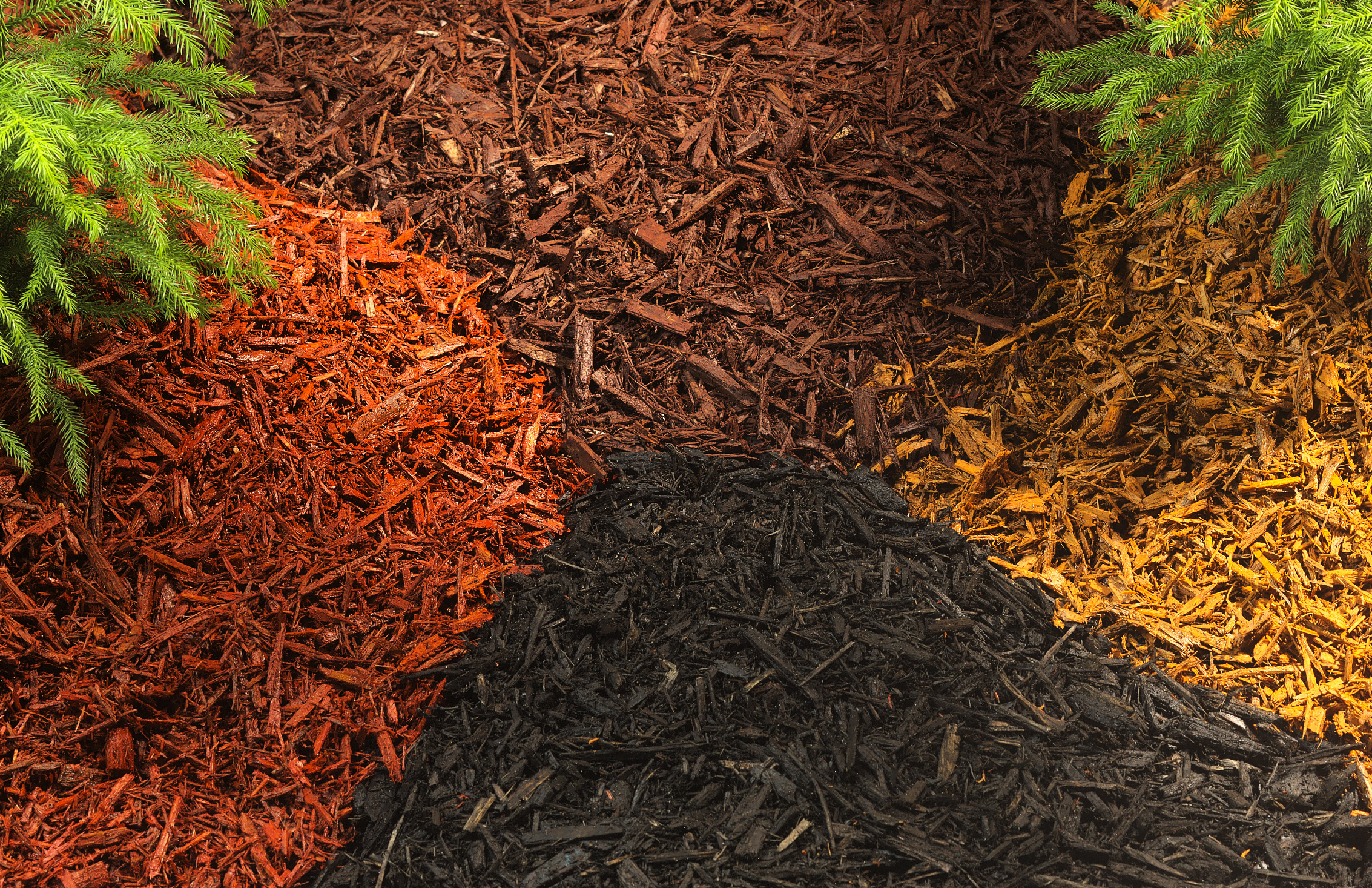
Credit: localgardener.net
Types Of Mulch For Vegetables
Mulch helps protect vegetable plants and keeps the soil healthy. It stops weeds, keeps moisture, and controls soil temperature.
You can use different types of mulch. These fall into two main groups: organic and inorganic. Each has its own benefits for your garden.
Organic Mulches
Organic mulches come from natural materials that break down over time. They add nutrients to the soil as they decompose.
Common organic mulches include straw, grass clippings, and wood chips. They improve soil health and help plants grow better.
- Straw:Keeps soil moist and stops weeds. It breaks down slowly.
- Grass Clippings:Add nitrogen to the soil. Use dry clippings to avoid mold.
- Wood Chips:Good for long-lasting mulch. They help keep soil cool.
- Leaves:Easy to find and good for soil structure.
- Compost:Adds rich nutrients and helps soil retain water.
Inorganic Mulches
Inorganic mulches are made from synthetic or non-living materials. They do not break down in the soil.
These mulches mainly control weeds and keep moisture. They often last longer than organic mulches but do not add nutrients.
- Plastic Mulch:Blocks weeds and warms soil. Use black or clear plastic sheets.
- Landscape Fabric:Allows water through but stops weeds well.
- Gravel or Stones:Good for drainage and weed control. They keep soil temperature steady.
Popular Organic Mulches
Organic mulches help keep vegetable gardens healthy. They protect the soil and keep moisture in.
These mulches break down over time and add nutrients to the soil. Many gardeners prefer organic options.
Straw And Hay
Straw and hay are common mulches for vegetable gardens. They help keep soil moist and cool.
Straw has fewer seeds, so it grows less unwanted plants. Hay may contain more weed seeds.
- Use clean straw to avoid weed problems
- Apply 2 to 3 inches thick for best results
- Renew mulch as it breaks down
Grass Clippings
Grass clippings are a good mulch if they come from untreated lawns. They add nitrogen to soil.
Spread thin layers to avoid matting. Thick layers can stop water and air from reaching roots.
- Use fresh grass clippings
- Let clippings dry before spreading
- Apply thin layers to prevent mold
Compost
Compost is rich in nutrients and improves soil texture. It helps plants grow strong and healthy.
Use finished compost as a mulch layer around vegetables. It also feeds beneficial soil life.
- Apply 1 to 2 inches thick
- Keep compost away from plant stems
- Replenish compost mulch regularly
Leaves And Bark
Leaves and bark mulch slow water loss and stop weeds. They break down slowly, feeding soil gradually.
Shredded leaves work better than whole leaves. Bark chips last longer and add structure to soil.
- Use shredded leaves for quick breakdown
- Bark chips last longer but add less nutrients
- Apply 2 to 4 inches thick
Cocoa Hulls
Cocoa hulls are a fine mulch made from chocolate shells. They look nice and smell good in gardens.
They improve soil texture and hold moisture well. Use with care around pets, as they can be toxic if eaten.
- Use 1 to 2 inches thick
- Keep away from pets and children
- Mix with other mulches for best results
Common Inorganic Mulches
Inorganic mulches are materials that do not break down quickly in the soil. They help control weeds and keep soil temperature steady.
These mulches are useful in vegetable gardens for long-lasting coverage. They often need less frequent replacement.
Plastic Mulch
Plastic mulch is a sheet of plastic placed on the soil surface. It blocks weeds and keeps moisture in the soil.
This mulch warms the soil, which helps plants grow faster in cool weather. It is easy to clean up at the end of the season.
Landscape Fabric
Landscape fabric is a woven or nonwoven cloth that lets water and air pass through. It stops weeds from growing by blocking sunlight.
This fabric is durable and can last for several years. You can cover it with other materials like gravel or bark for better looks.
Gravel And Stones
Gravel and stones are small rocks used as mulch. They do not break down and add weight to keep soil in place.
This mulch helps prevent weeds and improves drainage. It can also keep the soil cooler during hot days.
- Gravel sizes vary from fine to large pebbles
- Stones can last many years without change
- They add a decorative look to the garden
Choosing Mulch Based On Vegetable Type
Mulching helps keep soil moist and controls weeds in your vegetable garden. Different vegetables need different types of mulch.
Choosing the right mulch can improve plant health and increase your harvest. Here is how to pick mulch for various vegetable types.
Root Vegetables
Root vegetables like carrots and potatoes grow underground. They need mulch that keeps soil loose and moist.
Straw or shredded leaves work well. These mulches help the soil stay soft and prevent crusting.
- Use straw for good air flow
- Shredded leaves add nutrients
- Avoid heavy mulch that compacts soil
Leafy Greens
Leafy greens like lettuce and spinach grow close to the surface. They prefer mulch that keeps soil cool and moist.
Grass clippings and pine needles are good choices. These mulches help keep the soil temperature steady.
- Grass clippings break down quickly
- Pine needles allow water to pass through
- Keep mulch thin to avoid mold
Fruiting Plants
Fruiting plants like tomatoes and peppers need mulch that controls weeds and keeps fruits clean.
Black plastic or wood chips are often used. They warm the soil and prevent fruit from touching dirt.
- Black plastic warms soil early in spring
- Wood chips add organic matter slowly
- Keep mulch away from plant stems
How To Apply Mulch Correctly
Mulching helps keep your vegetable garden healthy and moist. It also controls weeds and adds nutrients to the soil.
Applying mulch properly ensures your plants grow well and stay protected.
Preparing The Soil
Before adding mulch, clear the soil of weeds and debris. This prevents competition for nutrients and water.
Loosen the soil surface gently to improve air and water flow to the roots.
Layer Thickness
Apply mulch in a thick enough layer to block weeds but not so thick that water cannot reach the soil.
- Use 2 to 3 inches of organic mulch like straw or shredded leaves
- Too thin layers do not control weeds well
- Too thick layers may trap moisture and cause rot
Avoiding Plant Stem Contact
Keep mulch a few inches away from the base of vegetable plants. This stops stems from rotting and pests from hiding.
Leave a small gap so air can circulate around the stems and roots.
Maintenance Tips
Check mulch regularly for compaction or decay. Fluff it up to keep air and water moving through.
Add more mulch as it breaks down or washes away. Remove any weeds that appear on top.
- Fluff mulch every few weeks
- Add fresh mulch in spring and mid-season
- Pull out weeds promptly
- Keep mulch dry near stems
Common Mulching Mistakes To Avoid
Mulching helps keep your vegetable garden healthy and moist. But some mistakes can hurt your plants instead of helping.
Avoid these common mulching errors to get the best results from your garden.
Over Mulching
Adding too much mulch can stop water and air from reaching the soil. This can cause roots to rot and plants to die.
Keep mulch layers about 2 to 3 inches thick. Too thick layers can also attract pests like slugs.
Using Weed-infested Mulch
Mulch with weeds or seeds can spread unwanted plants in your garden. These weeds compete with vegetables for nutrients.
Always use clean mulch from a trusted source. Check the mulch carefully before spreading it around your plants.
Ignoring Drainage Issues
Mulch can hold water, but too much moisture can harm vegetable roots. Poor drainage causes water to sit under the mulch.
Make sure your garden soil drains well before adding mulch. If water stays on the surface, it may cause root diseases.
Seasonal Mulching Tips
Mulching helps protect your vegetable garden all year long. It keeps soil moist, controls weeds, and adds nutrients.
Using the right mulch for each season can boost your garden’s health and growth.
Spring Mulching
In spring, use organic mulch like straw or shredded leaves. These help warm the soil and keep moisture in.
Apply mulch after the soil warms but before weeds grow. This helps young plants start strong.
Summer Mulching
Summer mulching keeps soil cool and stops water loss. Use thicker layers of mulch like grass clippings or wood chips.
- Water your garden before adding mulch.
- Keep mulch a few inches away from plant stems.
- Replenish mulch if it starts to thin out.
Fall And Winter Mulching
In fall, add a thick layer of mulch to protect roots from cold. Use leaves, straw, or compost.
| Season | Best Mulch Types | Purpose |
| Fall | Leaves, Straw, Compost | Protect roots, add nutrients |
| Winter | Straw, Pine Needles | Insulate soil, prevent frost |
Sustainable Mulching Practices
Mulching helps keep soil moist and healthy. It also reduces weeds and soil erosion.
Using sustainable mulching methods protects the environment. It supports long-term garden health.
Using Local Materials
Local materials reduce transport and pollution. They often fit well with your garden’s needs.
- Leaves and grass clippings from your yard
- Wood chips from nearby tree trimming
- Straw or hay from local farms
- Shredded bark from local garden centers
Composting Mulch
Composting turns kitchen scraps and yard waste into rich mulch. It feeds your soil naturally.
| Compost Material | Benefits |
| Vegetable peels | Adds nutrients |
| Coffee grounds | Improves soil structure |
| Eggshells | Supplies calcium |
| Leaves | Increases organic matter |
Reducing Plastic Use
Plastic mulches can harm the environment. Choose natural options to keep your garden safe.
Tips to avoid plastic mulch:
- Use biodegradable mulch mats
- Try newspaper layers under mulch
- Recycle old cardboard as a base
- Opt for natural mulches like straw or wood chips

Credit: www.youtube.com
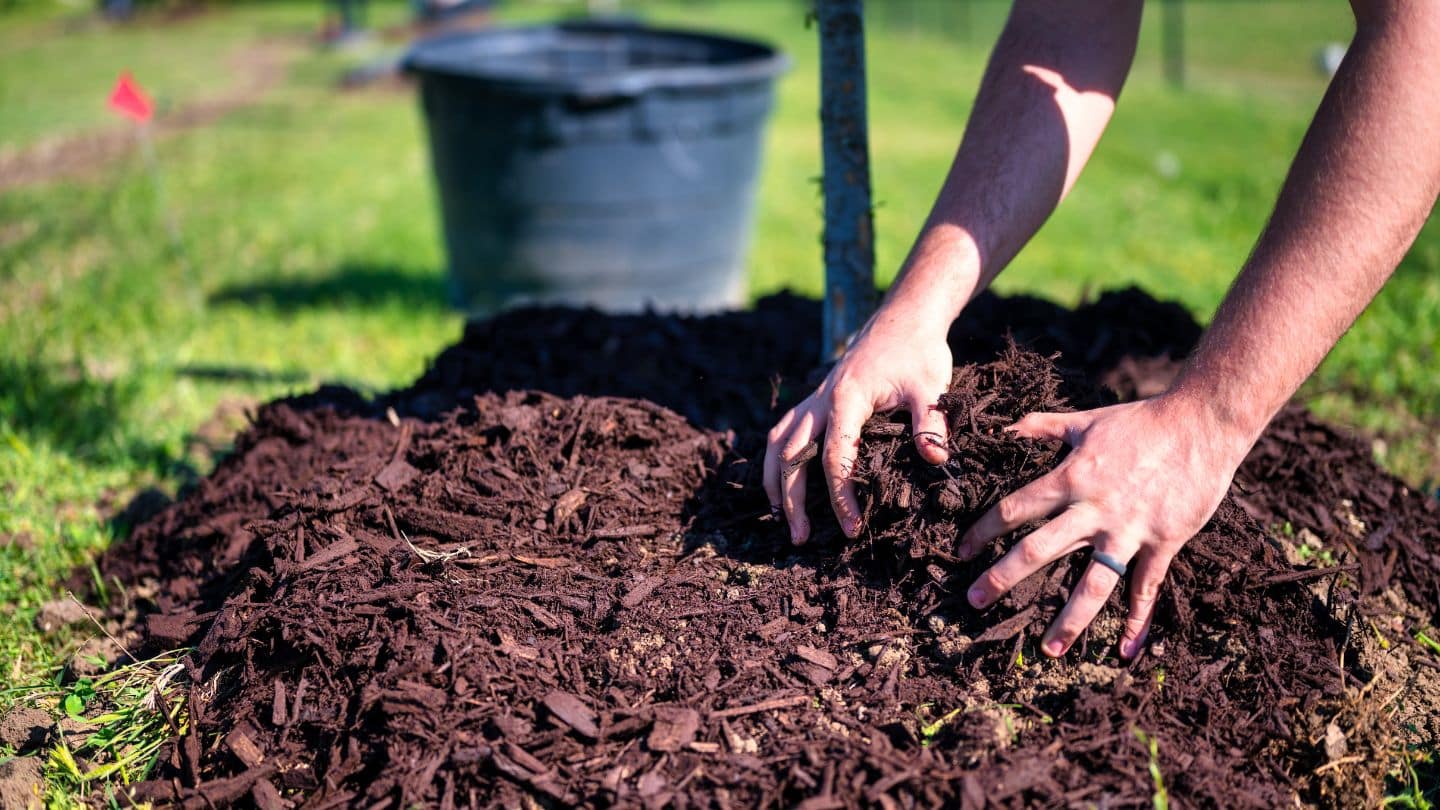
Credit: mulchpros.com
Frequently Asked Questions
What Type Of Mulch Is Best For Vegetable Gardens?
Organic mulches like straw, shredded leaves, and grass clippings work best. They improve soil quality and retain moisture effectively.
How Does Mulch Benefit Vegetable Garden Soil?
Mulch conserves soil moisture, regulates temperature, and suppresses weeds. It also adds nutrients as it decomposes, enhancing soil health.
Can Mulch Prevent Pests In Vegetable Gardens?
Yes, some mulches like cedar and pine bark naturally repel pests. Mulching also creates a barrier, reducing insect damage.
When Should I Apply Mulch In My Vegetable Garden?
Apply mulch after planting and soil warming in spring. This timing helps retain moisture and protect young plants from weeds.
Conclusion
Choosing the right mulch boosts your vegetable garden’s health and yield. Organic options like straw, grass clippings, or bark chips work well. They enrich the soil and help retain moisture. Mulch also controls weeds, saving you time and effort. Consider your garden’s needs and climate before deciding.
Remember, a little care goes a long way. The right mulch can make gardening easier and more productive. Experiment with different mulches to find what suits your garden best. Happy gardening!