


Is your garden looking more like a jungle of weeds than a peaceful green space? You’re not alone.
Weeds can quickly take over, making your garden hard to enjoy and even harder to manage. But don’t worry—cleaning up a garden full of weeds is easier than you think. With the right steps, you can reclaim your garden and watch your favorite plants thrive again.
Keep reading, and you’ll discover simple, effective ways to clear those weeds and bring life back to your outdoor space. Your garden deserves it!
Identifying Common Garden Weeds
Weeds can quickly take over your garden if you do not control them. Knowing how to identify common weeds helps you remove them early.
Recognizing weeds lets you protect your plants and keep your garden healthy. Many weeds look similar but have different growth habits.
Types Of Weeds To Watch For
Some weeds grow fast and spread easily. These weeds can choke your flowers and vegetables if left alone.
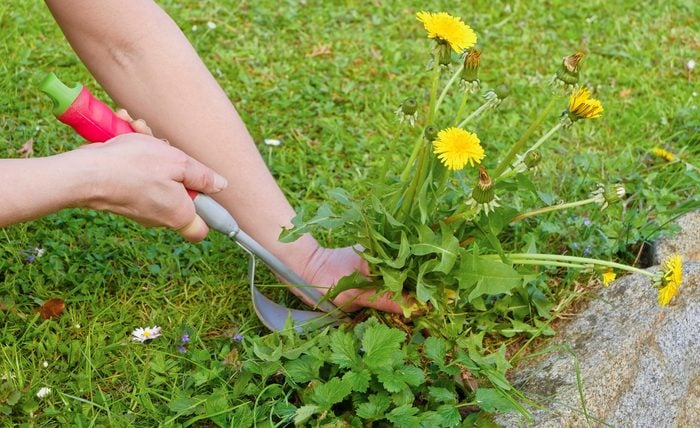
- Dandelions have bright yellow flowers and deep roots.
- Crabgrass spreads low with wide blades.
- Clover has small round leaves in groups of three.
- Chickweed grows close to the ground with tiny white flowers.
- Bindweed climbs and wraps around plants with white trumpet flowers.
Knowing these weeds helps you spot them early and pull them out before they spread.
Seasonal Weed Growth Patterns
Weeds grow differently depending on the season. Some grow in spring and summer, while others appear in fall and winter.
- Spring weeds like dandelions and chickweed start growing as the soil warms.
- Summer weeds such as crabgrass thrive in hot weather.
- Fall weeds like henbit and chickweed return as temperatures cool.
- Winter weeds often stay dormant but can grow in mild weather.
Understanding when weeds grow helps you plan your garden cleanup and stop them early.
Credit: www.familyhandyman.com
Preparing Your Garden For Weed Removal
Cleaning up a garden full of weeds takes preparation. You need the right tools and a clear space. This helps you work faster and safer.
Start by gathering everything you need. Then, clear your garden of any debris and clutter. This makes weed removal easier.
Gathering Essential Tools
Using the right tools makes weed removal simple. You don’t need many items, just the basics. Having these on hand saves time.
- Gloves to protect your hands
- Hand trowel for digging roots
- Hoe or garden fork to loosen soil
- Trash bags or buckets for weeds
- Pruning shears for thick stems
- Rake to gather debris
Clearing Debris And Clutter
Remove sticks, leaves, and trash from your garden first. This clears the area and stops weeds from hiding. It also gives you space to work safely.
| Type of Debris | How to Remove |
| Dry leaves | Rake into piles and bag |
| Broken branches | Pick up by hand or use shears |
| Old pots and tools | Move to storage area |
| Litter and trash | Collect and dispose properly |
Manual Weed Removal Techniques
Cleaning up a garden full of weeds takes patience and care. Manual removal helps protect your plants and soil.
These techniques remove weeds by hand or with simple tools. They work well for small to medium weed problems.
Hand Pulling And Digging Out Roots
Hand pulling is the easiest way to remove weeds. Grab the weed near the base and pull it out slowly.
Digging out roots stops weeds from growing back. Use a small trowel to dig around the root carefully.
- Pull weeds after watering when soil is soft
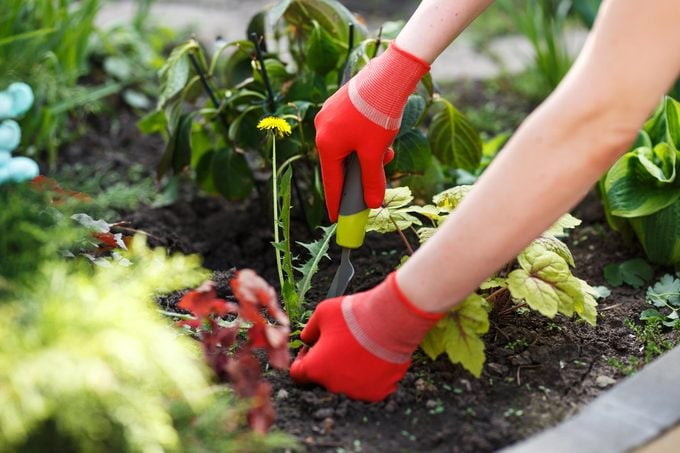
- Wear gloves to protect your hands
- Dig deep to remove all roots
- Dispose of weeds properly to prevent spreading
Using Weeding Tools Effectively
Weeding tools make the job easier and less tiring. Choose tools that fit your garden size and weed types.
Use tools like hoes, hand forks, and weed pullers to reach tough spots. Clean tools after use to keep them sharp.
- Hoe: good for large areas with small weeds
- Hand fork: loosens soil around roots
- Weed puller: removes deep roots easily
- Keep tools clean and dry to avoid rust
Natural Weed Control Methods
Weeds can quickly take over a garden if left unchecked. Using natural methods helps keep your garden healthy without chemicals.
Two effective ways to control weeds naturally are applying mulch and using vinegar-based homemade solutions.
Applying Mulch To Suppress Weeds
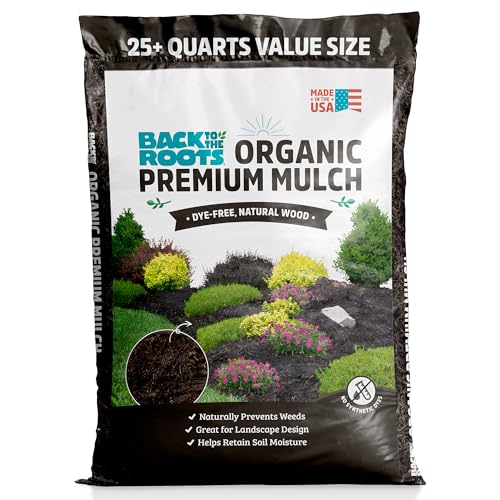
Mulch blocks sunlight, stopping weed seeds from growing. It also keeps soil moist and cool.
- Use organic mulches like wood chips, straw, or leaves.
- Spread mulch in a thick layer around plants and over bare soil.
- Renew mulch every few months to maintain its effectiveness.
- Keep mulch a few inches away from plant stems to avoid rot.
Using Vinegar And Homemade Solutions
Vinegar is a natural weed killer that burns leaves on contact. Mixing vinegar with other simple ingredients improves its power.
| Homemade Weed Killer Recipe | Ingredients | Instructions |
|---|---|---|
| Basic Vinegar Spray | 1 gallon white vinegar | Pour into spray bottle and apply on weeds. |
| Stronger Mix | 1 gallon vinegar, 1 cup salt, 1 tablespoon dish soap | Mix well, spray directly on weed leaves. |
| Soap Helps | Dish soap | Adds stickiness to keep spray on leaves longer. |
Apply these sprays on dry, sunny days for best results. Avoid spraying on plants you want to keep.
Chemical Weed Killers: Pros And Cons
Chemical weed killers can quickly remove unwanted plants in your garden. They save time compared to pulling weeds by hand.
Using these products has both benefits and risks. Knowing them helps you decide if chemical weed killers are right for your garden.
Choosing The Right Herbicide
Select an herbicide that targets the weeds in your garden. Some products kill all plants, while others only affect certain types.
Consider the safety for your lawn, flowers, and vegetables. Look for products labeled safe for the plants you want to keep.
- Use selective herbicides for specific weed types
- Choose non-selective herbicides for clearing large areas
- Check if the product is safe near pets and children
- Read the label carefully before buying
Safe Application Practices
Apply herbicides carefully to avoid harming other plants or the environment. Follow all instructions on the product label.
Wear protective gear like gloves and masks. Avoid spraying on windy days to stop drift onto nearby plants.
- Spray weeds directly, not surrounding plants
- Use only the amount recommended on the label
- Store chemicals in a safe place away from children
- Dispose of containers properly after use
Preventing Future Weed Growth
Cleaning up a garden full of weeds is just the start. Stopping weeds from growing again saves time and work. You need to take steps that keep weeds away.
Good garden care helps plants grow strong. Strong plants crowd out weeds naturally. Use smart ways to keep your garden healthy and weed-free.
Maintaining Healthy Soil
Healthy soil supports strong plants that fight weeds. Add compost to improve soil nutrition. Good soil holds water and helps plants grow well.
Avoid over-tilling the soil. Tilling can bring weed seeds to the surface. Water plants deeply but less often to strengthen roots.
- Add organic matter like compost or mulch
- Test soil pH and adjust if needed
- Water plants early in the day
- Reduce soil disturbance to keep weed seeds buried
Planting Ground Covers And Barriers
Ground covers are plants that spread and cover the soil. They block sunlight, so weeds cannot grow. Choose low-maintenance ground covers for best results.
Barriers like mulch or landscape fabric also stop weeds. Mulch keeps soil moist and cool. Fabric blocks weed seeds but lets water pass through.
- Use fast-growing ground covers like clover or creeping thyme
- Apply 2-3 inches of organic mulch around plants
- Lay landscape fabric under mulch in high-weed areas
- Replace mulch regularly to keep barrier effective
Regular Garden Maintenance Tips
Keeping a garden free from weeds requires regular care. Small efforts every week can prevent big problems later.
Consistent maintenance helps plants grow better and keeps the garden looking neat and healthy.
Routine Inspection And Early Removal
Check your garden often to spot weeds early. Removing them quickly stops them from spreading.
- Walk through your garden weekly.
- Pull out small weeds by hand before they grow.
- Use a hoe to clear weeds near plant roots carefully.
- Dispose of weeds away from the garden to avoid seeds spreading.
- Water plants early in the day to reduce weed growth.
Seasonal Cleanup Strategies
Clean your garden at the start and end of each season. This helps prepare plants for new growth.
| Season | Cleanup Tasks |
| Spring | Remove dead leaves, till soil, add mulch |
| Summer | Regular weeding, prune overgrowth, water deeply |
| Fall | Clear fallen leaves, plant cover crops, compost garden waste |
| Winter | Protect plants with mulch, plan next season’s garden |
Credit: www.rd.com

Credit: www.reddit.com
Frequently Asked Questions
What Tools Do I Need To Remove Weeds?
To remove weeds effectively, use a garden fork, hoe, and gloves. A trowel is useful for stubborn roots. A kneeling pad helps comfort. Manual removal is often the most precise. For larger areas, consider a weed puller or a hoe.
Regular maintenance prevents weed regrowth.
How Often Should I Weed My Garden?
Weed your garden every one to two weeks during growing season. Regular weeding prevents weed seeds from spreading. Consistency reduces the chance of weeds establishing. Monitor your garden regularly and remove weeds as soon as they appear. This minimizes labor in the long run.
Can I Use Mulch To Prevent Weeds?
Yes, mulch effectively prevents weed growth by blocking sunlight. Apply 2-3 inches of organic mulch, like bark or straw. This also retains soil moisture. Mulch helps maintain soil temperature and enriches the soil as it decomposes. Reapply mulch annually for continuous protection.
Are There Eco-friendly Weed Control Options?
Yes, consider vinegar, boiling water, or salt as natural solutions. These methods are non-toxic and effective in small areas. Hand-pulling is the most eco-friendly technique. Planting ground cover plants can also suppress weeds. Always test any solution on a small area first.
Conclusion
Cleaning a garden full of weeds takes patience and care. Remove weeds regularly to stop them from growing back. Use the right tools to make the job easier and quicker. Keep your soil healthy by adding mulch or compost. Watch your garden grow strong and beautiful with less weed trouble.
Small steps every day make a big difference. Enjoy your clean and tidy garden space. Gardening is simple when you stay consistent and mindful. Your hard work will soon show great results.