

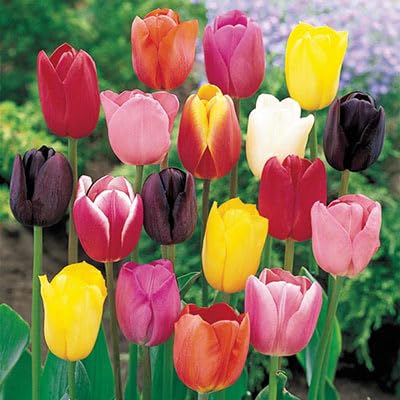

Are you wondering what you can plant in your garden this fall? You might think that gardening season ends when summer fades, but fall offers a unique chance to grow fresh, delicious vegetables and vibrant flowers.
Imagine harvesting crisp greens and colorful blooms as the air turns cooler. You’ll discover easy-to-grow plants perfect for your fall garden. Keep reading to unlock simple tips that will help your garden thrive even as the seasons change. Your fall garden can be just as rewarding—let’s find out how!
Benefits Of Fall Gardening
Fall gardening lets you grow fresh food when summer ends. It gives you more time to enjoy your garden.
Planting in the fall can save money and reduce waste. You get tasty vegetables and beautiful plants too.
Cooler Temperatures Help Plants
Many plants grow better in cooler weather. Fall gardens avoid the heat stress of summer.
Cool air helps seeds sprout and roots grow strong. Plants stay healthy and produce well.
Fewer Pests And Diseases
In fall, many pests become less active. This means fewer bugs harm your plants.
Disease spreads slower in cooler weather. Your plants face less risk of infections.
Better Soil Quality
After summer, soil is warm and moist in fall. This helps seeds and plants grow well.
Fall rains wash the soil gently. They help nutrients reach plant roots more easily.
Extended Harvest Season
Fall planting lets you harvest fresh food later in the year. You get more from your garden.
Some vegetables, like kale and carrots, taste better after cool weather. You enjoy fresh flavors longer.
Less Water Needed
Fall weather often means more rain. This lowers the need for watering your plants.
Cooler temperatures also reduce water loss from soil and plants. Your garden stays hydrated easily.
:max_bytes(150000):strip_icc()/GettyImages-sb10063671m-001-986c908082ca4dd09ad813e6db6492c2.jpg)
Credit: www.realsimple.com
Choosing Vegetables For Fall
Planting a fall garden means picking vegetables that grow well in cooler weather. These crops can handle lower temperatures and shorter days.
Choosing the right vegetables helps you enjoy fresh produce even as the season changes. Focus on plants that thrive in fall conditions.
Cool-season Crops
Cool-season crops grow best in mild temperatures. They can survive light frosts and keep producing through fall.
- Spinach
- Broccoli
- Carrots
- Cauliflower
- Brussels sprouts
- Lettuce
Frost-tolerant Varieties
Some vegetables can handle frost and even improve in flavor after a cold snap. These are good choices for late fall planting.
| Vegetable | Frost Tolerance | Notes |
| Kale | High | Leaves get sweeter after frost |
| Cabbage | High | Stays firm and grows slowly in cold |
| Turnips | Medium | Roots and greens both edible |
| Parsnips | High | Flavor improves with cold weather |
Quick-growing Options
Some fall vegetables mature fast. These are great if you want a harvest before winter fully arrives.
- Radishes – ready in about 4 weeks
- Leaf lettuce – harvest leaves as soon as 3 weeks
- Mustard greens – fast growing and flavorful
- Green onions – quick to grow and easy to use
Top Vegetables To Plant
Fall is a great time to grow many vegetables. Cooler weather helps some plants grow well.
Choosing the right vegetables for your fall garden gives you fresh food late in the year.
Leafy Greens
Leafy greens grow fast and like cool weather. They add fresh, healthy leaves to your meals.
- Spinach
- Kale
- Lettuce
- Swiss chard
- Arugula
Root Vegetables
Root vegetables grow underground and store energy in their roots. They taste better when grown in fall.
| Vegetable | Days to Harvest | Notes |
| Carrots | 60-80 | Choose loose, sandy soil |
| Beets | 50-70 | Thin seedlings for best growth |
| Radishes | 25-30 | Quick to mature, good for beginners |
| Turnips | 40-60 | Can be eaten as greens too |
Brassicas
Brassicas are cool-weather plants that include many common vegetables. They are rich in nutrients.
- Broccoli
- Cabbage
- Cauliflower
- Brussels sprouts
- Kohlrabi
Alliums
Alliums have a strong flavor and are easy to grow in fall. They include onions, garlic, and related plants.
| Allium | Planting Tips |
|---|---|
| Garlic | Plant cloves in fall for harvest next summer |
| Onions | Use sets or seeds; choose varieties for fall planting |
| Shallots | Plant in well-drained soil for best bulbs |
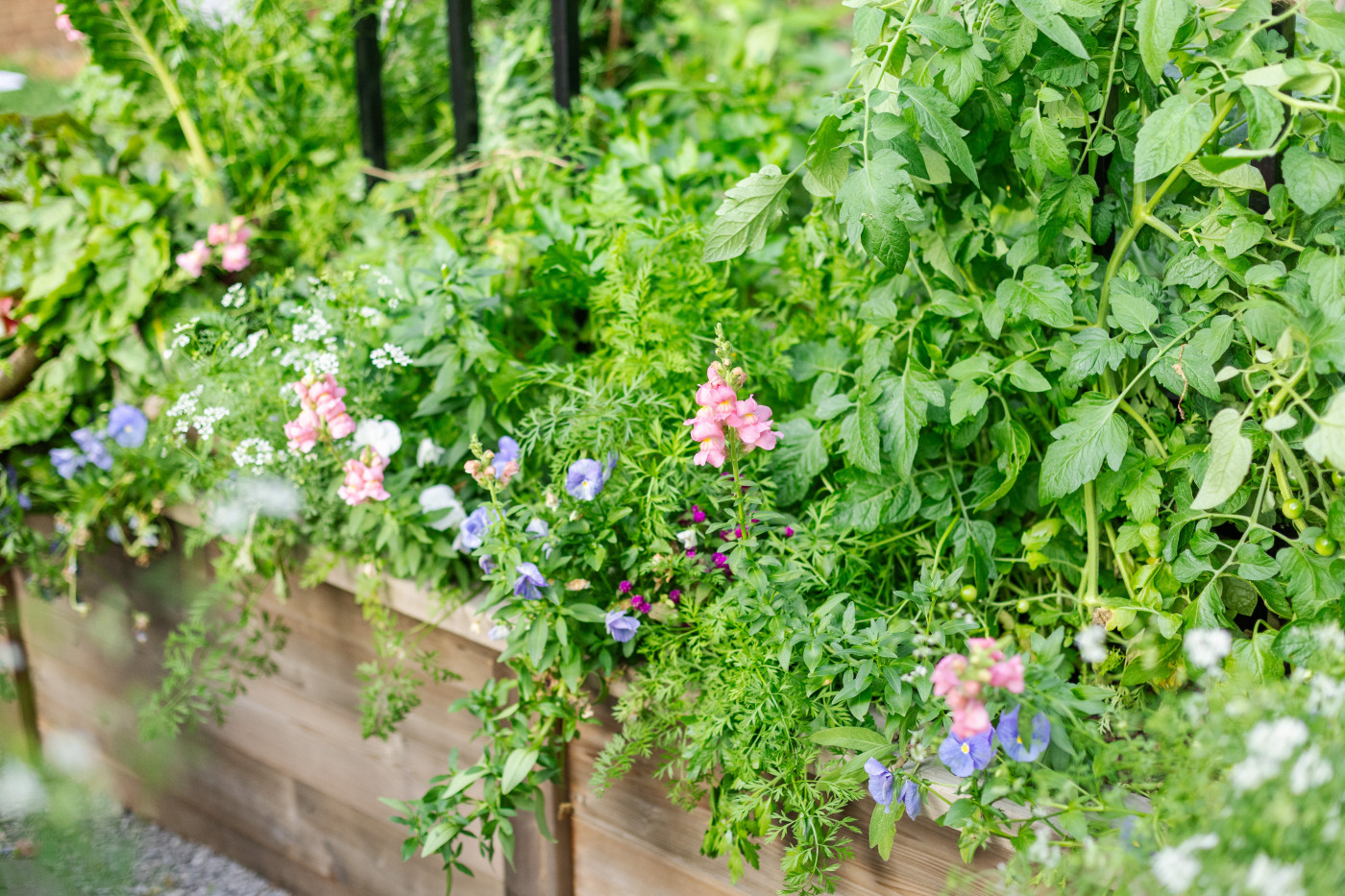
Credit: www.gardenary.com
Preparing Your Garden For Fall
Fall is a great time to grow cool-season vegetables and flowers. Preparing your garden well helps plants grow strong and healthy.
Good preparation includes getting the soil ready, planting at the right time, and protecting plants from cold weather.
Soil Preparation
Healthy soil is the key to a successful fall garden. Start by removing old plants and weeds. Loosen the soil with a garden fork or tiller to improve air and water flow.
- Add compost or well-rotted manure to enrich the soil.
- Check the soil pH; most fall plants like a pH between 6.0 and 7.0.
- Mix in a balanced fertilizer if needed to supply nutrients.
Timing Your Planting
Planting at the right time helps plants mature before frost. Different crops need different planting dates. Know when your first frost usually occurs.
| Crop | Days to Harvest | Planting Time Before Frost |
| Spinach | 40-50 days | 6-8 weeks |
| Carrots | 70-80 days | 10-12 weeks |
| Radishes | 25-30 days | 3-4 weeks |
| Broccoli | 60-70 days | 8-10 weeks |
Using Row Covers
Row covers protect plants from frost and pests. They create a warmer microclimate and help plants grow longer into the season.
- Place row covers early in the morning or late in the evening.
- Use lightweight fabric to allow light and water to pass through.
- Secure edges with soil or stakes to keep covers in place.
- Remove covers on sunny days to prevent overheating.
Care Tips For Fall Veggies
Growing vegetables in the fall requires special care to keep them healthy. The cooler weather changes how you water and protect your plants.
Knowing how to manage water, pests, and harvesting will help your fall garden succeed. Follow these simple tips for the best results.
Watering Needs
Fall vegetables need steady moisture but less water than summer plants. Water deeply to help roots grow strong. Avoid wetting leaves to stop diseases.
- Water early in the morning
- Check soil moisture before watering
- Use mulch to keep soil damp
- Reduce watering as temperatures drop
Pest Management
Falling temperatures slow many pests, but some can still harm your veggies. Watch for aphids, slugs, and caterpillars. Use natural methods to control them.
| Pest | Signs | Control Method |
| Aphids | Sticky leaves, curled edges | Spray water, introduce ladybugs |
| Slugs | Holes in leaves, slime trails | Use traps, handpick at night |
| Caterpillars | Chewed leaves, droppings | Pick off by hand, use neem oil |
Harvesting Tips
Harvest fall vegetables at the right time for best flavor and nutrition. Some veggies taste better after a light frost.
- Pick leafy greens before they get too big
- Harvest root vegetables when they reach desired size
- Use clean scissors or knives to avoid damage
- Store veggies in a cool, dry place after harvest
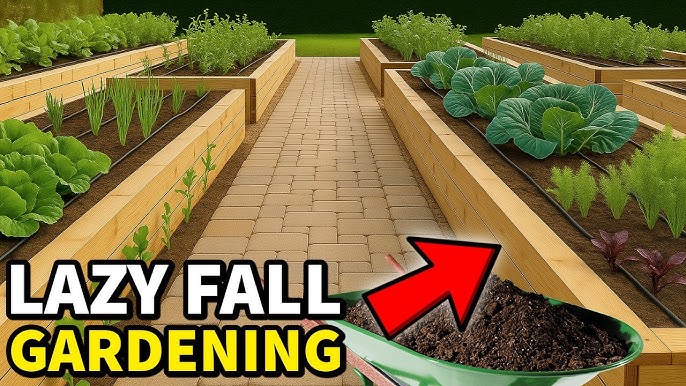
Credit: www.youtube.com
Extending The Fall Harvest
Fall is a great time to keep your garden producing fresh vegetables. You can plan carefully to have food ready even as the weather cools down.
Using smart growing techniques helps you enjoy fresh harvests longer. This guide explains ways to extend your fall garden.
Succession Planting
Succession planting means planting crops in stages. This way, you can harvest some while others grow.
Planting new seeds every two weeks can keep your garden full of fresh vegetables. Choose quick-growing plants for fall.
- Leafy greens like spinach and lettuce
- Root vegetables such as radishes and carrots
- Cold-tolerant herbs like parsley and cilantro
Using Cold Frames
Cold frames are simple structures that protect plants from frost. They trap heat and keep the soil warmer.
Using cold frames lets you grow vegetables later into the season. They work well for leafy greens and small root crops.
- Place cold frames where they get sunlight
- Ventilate during warm days to avoid overheating
- Check moisture and water plants as needed
Indoor Gardening Options
Indoor gardening lets you grow fresh herbs and vegetables all year. Use pots or small containers near windows.
Grow easy plants like lettuce, basil, and green onions inside. They need light and regular watering to thrive.
- Choose a sunny spot or use grow lights
- Use well-draining soil and clean containers
- Water when soil feels dry to the touch
Frequently Asked Questions
What Vegetables Grow Best In A Fall Garden?
Cool-season vegetables like kale, spinach, carrots, and broccoli thrive in fall. They tolerate cooler temperatures and shorter days, ensuring a healthy harvest.
Can I Plant Flowers In A Fall Garden?
Yes, hardy flowers like mums, pansies, and ornamental kale add color and withstand fall’s cooler weather beautifully.
How Do I Prepare Soil For Fall Planting?
Clear debris, add compost, and loosen soil. This boosts nutrients and improves drainage for strong fall plant growth.
When Is The Best Time To Plant Fall Crops?
Plant fall crops 6 to 8 weeks before the first frost. This timing ensures vegetables mature before cold sets in.
Conclusion
Planting in the fall garden brings many benefits. Cooler temperatures help plants grow. Choose crops like spinach, kale, and carrots. These thrive in cooler weather. Plant garlic and onions for spring harvest. Adding mulch helps retain soil moisture. It also protects plant roots.
Remember to water regularly. Fall gardens require less watering than summer ones. Enjoy fresh produce even in autumn months. Gardening in fall is simple and rewarding. A little effort yields tasty results. Embrace the season and happy planting!