


Are you thinking about growing tomatoes this season but wondering if a raised garden bed is the right choice? You’re not alone.
Many gardeners ask the same question because tomatoes need just the right conditions to thrive. The good news is, raised garden beds can offer those perfect conditions—if you know how to use them. You’ll discover why raised beds might be your tomato plants’ best friend and how to make sure your garden delivers juicy, healthy tomatoes all season long.
Ready to get started? Let’s dig in!
Benefits Of Raised Garden Beds
Raised garden beds offer many advantages for growing plants. They create a controlled environment for your garden.
Using raised beds can improve plant health and make gardening easier for everyone.
Improved Soil Drainage
Raised beds allow water to drain better than traditional garden soil. This helps prevent waterlogging around plant roots.
Good drainage reduces root diseases and promotes strong plant growth.
Better Soil Quality Control
You can fill raised beds with the exact soil mix your plants need. This control helps create a nutrient-rich environment.
- Use high-quality compost
- Add organic matter to improve texture
- Adjust pH levels for specific plants
- Keep soil free from weeds and pests
Ease Of Access And Maintenance
| Benefit | Description |
| Less bending | Raised beds are higher, reducing strain on your back. |
| Organized space | Plants are easier to reach and manage. |
| Weed control | Raised beds help keep weeds out more effectively. |
| Extended growing season | Soil warms faster in spring, allowing earlier planting. |
Choosing The Right Location
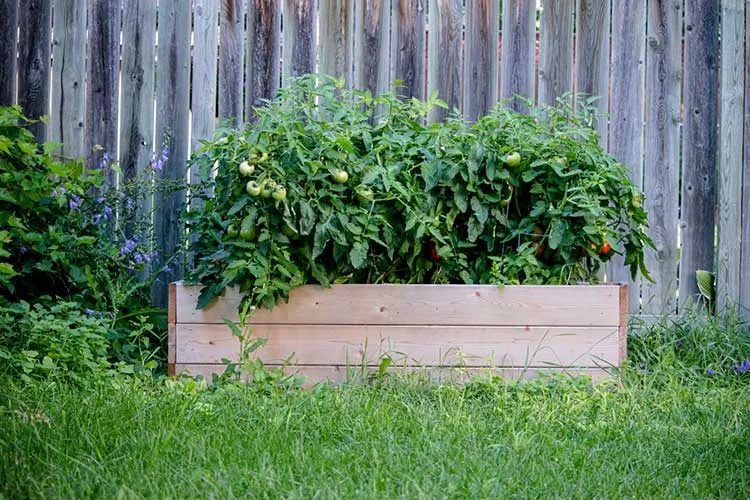
Planting tomatoes in a raised garden bed needs careful thought about location. The right spot helps your tomatoes grow strong and healthy.
Picking a good place affects sunlight, wind protection, and pest control. These factors improve your tomato plants’ chances of success.
Sunlight Requirements
Tomatoes need plenty of sunlight to grow well. Choose a place that gets at least six to eight hours of sun each day.
Too little sunlight makes plants weak and less productive. Make sure the raised bed is not shaded by trees or buildings.
- Full sun exposure helps fruits ripen faster
- Avoid shady spots to prevent slow growth
- Morning sun is especially beneficial for tomatoes
Protection From Wind And Pests
Strong winds can damage tomato plants and dry out the soil. Choose a spot with some natural wind protection like a fence or hedge.
Raised beds can attract pests, so pick a location that is easy to watch and care for. Keep the area clean and remove weeds often.
- Wind barriers help protect stems and leaves
- Check regularly for insects and remove them
- Good airflow prevents mold and diseases
Preparing The Soil Mix
Planting tomatoes in a raised garden bed needs good soil preparation. Healthy soil helps tomatoes grow strong and produce well.
Focus on the soil mix before planting. This guide explains the ideal soil and how to add nutrients.
Ideal Soil Composition
Tomatoes grow best in loose, well-drained soil. The soil should hold moisture but not stay soggy. A balanced mix helps roots get air and water.
- One part garden soil or topsoil
- One part compost for nutrients
- One part peat moss or coconut coir for moisture retention
- One part perlite or vermiculite for drainage
Adding Nutrients And Amendments
Tomatoes need nutrients like nitrogen, phosphorus, and potassium. Adding amendments improves soil health and plant growth.
| Amendment | Benefit | How to Use |
| Compost | Provides organic matter and nutrients | Mix in before planting |
| Bone Meal | Rich in phosphorus for root growth | Sprinkle lightly in soil |
| Wood Ash | Adds potassium and raises pH | Use sparingly to avoid high pH |
| Worm Castings | Improves soil texture and nutrients | Mix into soil surface |
Credit: www.dripworks.com
Selecting Tomato Varieties
Choosing the right tomato variety helps your raised garden bed thrive.
Some tomatoes grow differently and suit raised beds better than others.
Determinate Vs Indeterminate
Determinate tomatoes grow to a set size and stop. They produce fruit all at once.
Indeterminate tomatoes keep growing and producing fruit all season long.
- Determinate types are good for small spaces and raised beds.
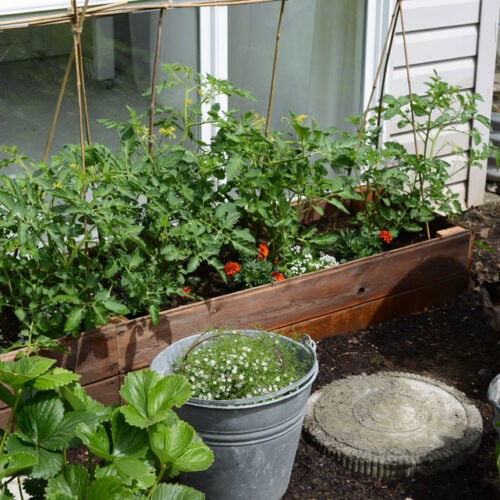
- Indeterminate types need more room and support like cages or stakes.
- Determinate plants are easier to manage for beginners.
- Indeterminate plants offer more harvest over time.
Best Varieties For Raised Beds
Some tomato varieties do well in raised beds because of their size and growth habits.
| Variety | Type | Notes |
|---|---|---|
| Celebrity | Determinate | Disease resistant, compact size |
| Patio | Determinate | Small plant, perfect for containers and raised beds |
| Sun Gold | Indeterminate | Sweet cherry tomato, needs staking |
| Sweet 100 | Indeterminate | Produces many small fruits, requires support |
Planting Techniques
Growing tomatoes in raised garden beds needs careful planning. Good techniques help plants grow strong and healthy.
This guide covers how to space and plant tomato seedlings. It also explains how to support them as they grow.
Proper Spacing And Depth
Tomato plants need enough room to spread their roots and leaves. Planting too close can cause diseases and reduce fruit.
- Space tomato plants 18 to 24 inches apart.
- Leave at least 36 inches between rows for air flow.
- Plant seedlings deep, burying two-thirds of the stem.
- Remove lower leaves before planting to prevent rot.
Using Supports And Stakes
Tomato plants grow tall and heavy with fruit. Supports help keep plants upright and prevent damage.
| Support Type | Best Use | Advantages |
| Wooden Stakes | Small to medium plants | Easy to install, inexpensive |
| Tomato Cages | Compact spaces | Supports branches evenly |
| Trellises | Large or indeterminate varieties | Maximizes vertical space |
Watering And Fertilizing
Growing tomatoes in a raised garden bed needs the right care. Watering and fertilizing are key to healthy plants.
Good water and nutrients help tomatoes grow strong and produce tasty fruit.
Watering Frequency And Methods
Tomatoes need regular watering to keep the soil moist. Water deeply to reach the roots.
Check soil moisture often. Water when the top inch feels dry to touch.
- Water in the morning to reduce evaporation.
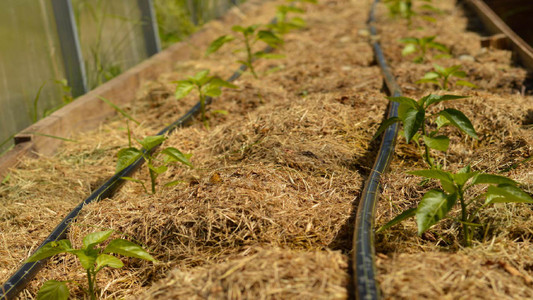
- Use a drip irrigation or soaker hose for steady watering.
- Avoid wetting leaves to prevent diseases.
- Water more during hot, dry weather.
Fertilizer Types And Schedules
Tomatoes need nutrients like nitrogen, phosphorus, and potassium. Use balanced fertilizers to feed plants.
Apply fertilizer before planting and during growth to support fruit development.
- Use compost or organic fertilizer to improve soil health.
- Apply a balanced fertilizer with equal N-P-K before planting.
- Feed tomatoes every 3-4 weeks during the growing season.
- Use a fertilizer higher in phosphorus once flowers appear.
Pest And Disease Management
Pests and diseases can harm tomato plants in raised garden beds. Managing them well helps plants grow healthy and produce more fruit.
Understanding common pests and how to prevent or treat problems keeps your tomato garden strong.
Common Tomato Pests
Tomato plants face many pests. Some of the most common include aphids, tomato hornworms, whiteflies, and spider mites. These insects feed on leaves and stems, causing damage and spreading diseases.
- Aphids:Small, soft-bodied insects that suck plant sap.
- Tomato Hornworms:Large green caterpillars that eat leaves.
- Whiteflies:Tiny white insects that gather on leaf undersides.
- Spider Mites:Tiny pests that cause leaf speckling and webbing.
Preventive Measures And Treatments
Prevent pests by keeping your raised bed clean and plants healthy. Remove weeds and dead leaves often. Good air flow helps stop diseases.
| Method | Description |
| Handpicking | Remove large pests like hornworms by hand. |
| Neem Oil | Use neem oil spray to control aphids and whiteflies. |
| Insecticidal Soap | Spray to kill soft-bodied insects safely. |
| Introduce Beneficial Insects | Ladybugs and lacewings eat aphids and mites. |
| Crop Rotation | Change plant locations yearly to reduce pests. |
Early action is key. Check plants often for signs of pests. Treat problems quickly to protect your tomato crop.
Credit: www.farmfreshchoice.com
Harvesting Tips
Growing tomatoes in a raised garden bed can give you a great harvest. Knowing when and how to pick tomatoes helps you get the best taste and more fruit.
Good harvesting habits keep your plants healthy. They also extend the time you can enjoy fresh tomatoes from your garden.
When To Pick Tomatoes
Tomatoes are ready to pick when they are fully colored. The color depends on the variety, such as red, yellow, or orange.
Gently squeeze the tomato. It should feel firm but slightly soft. If it feels very hard, wait a few more days before picking.
- Check the color for ripeness
- Feel the tomato’s firmness
- Pick tomatoes in dry weather
- Use scissors or twist gently to avoid damage
Extending The Harvest Season
You can pick tomatoes early to keep them ripening indoors. This helps you avoid pests and bad weather.
Removing old leaves and pruning small shoots helps the plant focus on fruit. This can give you tomatoes for a longer time.
- Pick tomatoes at the first sign of color
- Keep plants healthy by pruning
- Protect plants from frost with covers
- Harvest regularly to encourage more fruit
Credit: www.funkyjunkinteriors.net
Frequently Asked Questions
Can Tomatoes Thrive In Raised Garden Beds?
Yes, tomatoes can thrive in raised garden beds. These beds offer excellent drainage and control over soil quality. Raised beds also warm up faster in spring, promoting early growth. Ensure your bed receives plenty of sunlight and regular watering for the best results.
What Soil Is Best For Raised Bed Tomatoes?
A well-draining, nutrient-rich soil mix is ideal for tomatoes in raised beds. Use a combination of compost, peat moss, and vermiculite. This mix ensures excellent drainage and aeration. Adding organic matter like compost or well-rotted manure boosts nutrients. Regularly test soil pH for optimal growth conditions.
How Often Should I Water Tomatoes In Raised Beds?
Water tomatoes in raised beds deeply once or twice a week. The frequency depends on weather and soil conditions. Ensure the top inch of soil is dry before watering again. Overwatering can lead to root rot, while underwatering can stress the plants.
Consistent moisture is key for healthy growth.
Do Tomatoes Need Support In Raised Beds?
Yes, tomatoes need support to grow upright and healthy in raised beds. Use stakes, cages, or trellises to provide support. This keeps the fruit off the ground, reducing the risk of pests and diseases. Supporting plants also improves air circulation, promoting better growth.
Conclusion
Tomatoes grow well in raised garden beds. The soil drains quickly and warms fast. This helps plants stay healthy and strong. You can control soil quality better in raised beds. It also keeps weeds and pests away. Water your tomatoes regularly for the best results.
Choose a sunny spot to plant them. Raised beds make gardening easier and more fun. Give your tomatoes the care they need. Enjoy fresh, homegrown tomatoes all season long.