



Are you tired of digging through a messy tool chest every time you need a socket? Finding the right size quickly can save you time and frustration.
Imagine opening your tool chest and instantly spotting the socket you need, neatly arranged and ready to use. In this post, you’ll discover simple, effective ways to organize your sockets that anyone can follow. Whether you’re a weekend DIYer or a professional, these tips will help you keep your workspace tidy and boost your efficiency.
Keep reading to transform your tool chest into an organized, easy-to-navigate system.
Choosing The Right Tool Chest
Keeping sockets organized helps you work faster and find tools easily. Picking the right tool chest makes this job simple.
You want a chest that fits your space and holds all your sockets safely. Think about what size and style suit your needs best.
Size And Drawer Configuration
Choose a tool chest size that fits your workspace and tool collection. Too big or too small chests can cause problems.
Drawers should be deep and wide enough for your sockets. Multiple drawer sizes help store different socket types separately.
- Small drawers for small sockets and accessories
- Large drawers for bigger sockets and ratchets
- Adjustable drawers for flexible storage options
Material And Durability
Look for tool chests made of strong materials like steel or heavy-duty plastic. They protect your sockets from damage.
Durable chests last longer and can handle heavy use. Check for rust-resistant finishes to keep the chest looking good.
- Steel chests are sturdy and long-lasting
- Plastic chests are lightweight but less durable
- Powder-coated finishes prevent rust and scratches
Mobility And Accessibility
If you need to move your sockets, pick a tool chest with wheels. This makes transport easier around your workspace.
Drawers should open smoothly and fully. Easy access lets you find sockets quickly without hassle.
- Locking wheels keep the chest stable when needed
- Full-extension drawers show all contents at once
- Handles on the sides help with moving the chest
Sorting And Categorizing Sockets
Keeping sockets organized saves time and prevents frustration. A neat tool chest helps you find sockets quickly.
Sorting sockets by different features makes your workspace more efficient. You can arrange them in ways that suit your needs.
By Size And Type
Sorting sockets by size and type helps you pick the right tool fast. Group similar sizes together to avoid confusion.
Separate standard sockets from specialty ones like deep sockets. This keeps your chest tidy and easy to use.
- Arrange sockets in ascending order by size
- Keep deep sockets apart from shallow sockets
- Group impact sockets separately from regular sockets
By Drive Size
Drive size shows the square fitting part of a socket. Common sizes include 1/4″, 3/8″, and 1/2″.
Organize sockets by their drive size to match your ratchets quickly. This stops you from picking the wrong fit.
- Keep 1/4″ drive sockets in one section
- Store 3/8″ drive sockets in a separate spot
- Put 1/2″ drive sockets in their own area
By Metric And Sae
Metric sockets measure in millimeters. SAE sockets use inches. Mixing them can cause mistakes.
Sort sockets into metric and SAE groups. Label each group clearly to avoid confusion during work.
| Group | Measurement | Example Size |
|---|---|---|
| Metric | Millimeters (mm) | 10 mm, 13 mm |
| SAE | Inches | 1/2″, 3/4″ |
Using Socket Organizers
Organizing sockets in your tool chest keeps your workspace neat and efficient. Using socket organizers helps you find the right size quickly. It also protects sockets from damage and loss.
There are several types of socket organizers. Each type fits different needs and tool chest layouts. Below, you will learn about tray inserts, magnetic holders, and socket rails.
Tray Inserts And Foam Liners
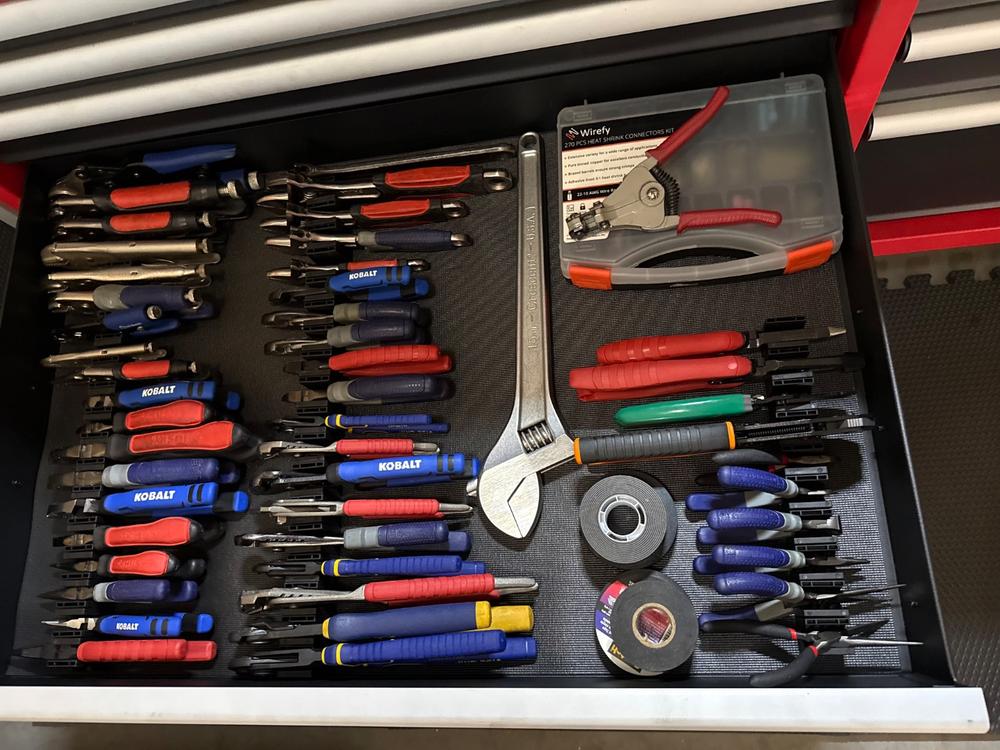
Tray inserts and foam liners fit inside your tool chest drawers. They hold sockets in place and stop them from moving around. Foam liners can be cut to match your socket sizes.
- Tray inserts come with molded slots for each socket size.
- Foam liners offer a soft cushion to prevent scratches.
- Both types help keep sockets visible and easy to access.
- You can customize foam liners to fit unusual socket shapes.
Magnetic Holders
Magnetic holders use strong magnets to hold sockets securely. They attach to metal surfaces inside your tool chest or on a wall. This option saves drawer space and keeps sockets upright.
| Advantages | Disadvantages |
| Easy to install | Magnets may lose strength over time |
| Keeps sockets visible | Not suitable for plastic tool chests |
| Saves drawer space | May not hold heavy sockets firmly |
Socket Rails And Clips
Socket rails and clips hold sockets in a row. They keep sockets organized by size and type. These organizers are portable and fit inside drawers or on workbenches.
- Match socket sizes to the correct clip for secure holding.
- Label each socket position for faster selection.
- Use rails that fit your drawer size to avoid clutter.
- Choose clips made of durable plastic or metal for long use.
Credit: toolboxwidget.ca
Maximizing Drawer Space
Organizing sockets in a tool chest saves time and keeps tools easy to find. Using smart methods helps fit more sockets in each drawer.
Good organization also protects your sockets from damage and loss. Here are some ways to arrange your sockets efficiently.
Layering Techniques
Layering sockets by size or type helps use vertical space inside drawers. Place larger sockets on the bottom and smaller ones on top. Use foam or rubber mats between layers to stop tools from sliding.
- Sort sockets by size or drive type
- Put larger sockets at the bottom layer
- Place smaller sockets on top layers
- Use non-slip mats between layers
- Label each layer for quick access
Vertical Storage Options
Standing sockets upright in vertical racks saves drawer depth space. You can use pegboards or magnetic strips inside the drawer for this purpose. Vertical storage keeps sockets visible and easy to grab.
| Storage Type | Benefits |
| Pegboards | Holds sockets upright, easy to see |
| Magnetic Strips | Secure and quick access |
| Vertical Racks | Saves drawer space, organized |
Custom Compartments
Creating compartments tailored to your sockets keeps them separated and prevents mixing. Use foam inserts, wooden dividers, or plastic trays cut to fit socket shapes. Custom compartments make your tool chest tidy and neat.
- Protect sockets from scratches
- Quickly find the right size
- Prevent sockets from rolling around
- Easier to keep the drawer clean
Labeling For Easy Access
Organizing sockets in your tool chest makes work faster. Labels help you find the right socket without searching.
Clear labeling saves time and keeps your tools neat. It reduces mistakes and keeps your workspace tidy.
Label Types And Materials
Use durable labels that last in your workshop. Choose labels that resist oil, dirt, and water.
Labels can be printed, written, or sticker types. Pick what fits your style and needs.
- Printed adhesive labels for clear text
- Writable vinyl labels for easy updates
- Engraved metal tags for durability
- Magnetic labels for flexible placement
Placement Tips
Place labels where you can see them easily. Put them near each socket size or group.
Keep labels flat and secure. Avoid placing them where they can peel off or get damaged.
- Attach labels on the drawer face or socket tray
- Use clear plastic covers to protect labels
- Position labels at eye level for quick spotting
- Group similar socket sizes with one label
Color Coding Systems
Colors help separate socket types quickly. Use different colors for metric and standard sockets.
Choose colors that stand out and stay visible under workshop lights.
- Red for metric sockets
- Blue for standard sockets
- Green for deep sockets
- Yellow for specialty sockets

Credit: www.amazon.ca
Maintaining Organization Over Time
Keeping sockets organized in your tool chest makes your work easier. It saves time and stops frustration.
Regular care helps you keep the order. This guide shows how to maintain socket organization over time.
Regular Cleanups
Clean your tool chest often to remove dust and dirt. This keeps sockets visible and easy to find.
- Remove all sockets and organizers.
- Wipe the chest inside and out with a dry cloth.
- Check for any rust or damage on sockets.
- Dry and replace sockets carefully in their spots.
Inventory Checks
Check your socket inventory regularly. This helps you know what you have and what you need.
| Task | Frequency | Purpose |
| Count all sockets | Monthly | Know what is available |
| Note missing sizes | Monthly | Plan replacements |
| Check socket condition | Monthly | Spot wear or damage |
| Update inventory list | Monthly | Keep records accurate |
Replacing Worn-out Organizers
Organizers get old and break. Replace worn-out parts to keep sockets secure and tidy.
Tips for replacing organizers:
- Check clips and holders for cracks.
- Buy organizers that fit your tool chest size.
- Choose durable materials like heavy-duty plastic or metal.
- Arrange sockets by size for easy access.
Additional Space-saving Tips
Organizing sockets in your tool chest can be tricky with limited space. Using smart storage ideas helps keep everything neat.
Try these space-saving tips to fit more sockets without cluttering your workspace.
Using Wall-mounted Storage
Wall-mounted storage clears space inside your tool chest. You can hang socket holders or magnetic strips on the wall.
This keeps sockets visible and easy to grab. It also stops them from mixing with other tools.
- Use magnetic strips for metal sockets
- Install pegboards with hooks for socket rails
- Mount small shelves for socket organizers
Stacking And Nesting Sockets
Stack sockets by size or type to save drawer space. Nest smaller sockets inside larger ones if they fit safely.
This method reduces empty space and makes it easier to find the right socket fast.
- Place large sockets at the bottom
- Stack medium sockets on top
- Keep tiny sockets inside bigger ones
- Label stacks for quick ID
Portable Socket Sets
Portable socket sets keep sockets organized and easy to carry. They fit well inside tool chests and save space.
These sets often come with cases that hold sockets securely, preventing spills and mess.
- Choose compact sets with molded trays
- Use cases with clear lids to see sockets
- Keep sets grouped by socket size
- Store portable sets in chest drawers

Credit: www.reddit.com
Frequently Asked Questions
How Do I Categorize Sockets Efficiently?
Categorize sockets by size, type, and frequency of use. Use labeled compartments or trays to keep them organized. Magnetic strips or socket holders can help keep them in place. Regularly check and adjust the organization to maintain efficiency.
What Tools Help In Socket Organization?
Use socket trays, magnetic strips, or pegboards for effective organization. Labeled drawer dividers can also be useful. Ensure each socket has a designated spot. These tools help in quickly locating the needed socket and maintaining a tidy tool chest.
Why Is Socket Organization Important?
Organizing sockets saves time and reduces frustration while working. It prevents loss and damage of tools. A well-organized tool chest improves workflow and efficiency. It ensures that the right socket is easily accessible, enhancing productivity in any project.
How Often Should I Reorganize My Sockets?
Reorganize sockets as needed or after every major project. Regular maintenance ensures your tool chest remains efficient. Consider reorganizing if you notice clutter or difficulty finding specific sockets. Keeping the organization updated enhances your workspace efficiency.
Conclusion
Organizing sockets in your tool chest saves time and reduces stress. Keep sockets sorted by size and type for easy access. Use trays or holders to prevent clutter and loss. Label each section to find tools quickly when needed. Regularly check and tidy your chest to maintain order.
A neat tool chest helps you work faster and stay focused. Small efforts make a big difference in tool management. Try these tips to keep your sockets in perfect order.