




Are you ready to enjoy fresh, crisp lettuce straight from your garden? Picking lettuce at the right time makes all the difference in taste and texture.
But how do you know when your lettuce is ready to harvest? And what’s the best way to pick it so it stays fresh longer? You’ll discover simple, practical tips that make harvesting your garden lettuce easy and rewarding. Keep reading to unlock the secrets to perfect lettuce picking that will make every salad you create taste amazing.

Credit: www.onehundreddollarsamonth.com
Choosing The Right Time
Picking lettuce at the right time is key to good taste. Lettuce can get bitter if left too long.
Knowing when to harvest helps you enjoy fresh and crunchy leaves from your garden.
Signs Lettuce Is Ready
Lettuce is ready when the leaves look full and firm. The head should feel dense but not hard.
Look for bright green leaves and no yellow or brown spots. Leaves that are soft or wilted mean it is past time.
- Leaves are bright and crisp
- Heads feel firm but not too hard
- No yellow or brown spots
- Leaves are not wilted or slimy
Best Harvesting Hours
Pick lettuce early in the morning for the best flavor. The leaves hold more water and taste fresh then.
Avoid harvesting in the heat of the day. Hot sun can make lettuce wilt and lose crunch.
- Harvest just after sunrise
- Choose cool, dry days if possible
- Do not pick during midday heat
Tools For Harvesting
Picking lettuce from your garden is easier with the right tools. Good tools help you cut cleanly and protect the plants.
Using proper tools also keeps your hands safe and makes harvesting faster. Let’s look at what tools you need and how to care for them.
Essential Garden Tools
You need sharp scissors or garden shears to cut lettuce stems. A small knife can also work if it is sharp and clean.
Some gardeners use gloves to protect their hands from dirt and small cuts. A basket or container helps carry the lettuce after picking.
- Sharp garden shears or scissors
- Small, clean knife
- Gardening gloves
- Basket or container
Maintaining Sharpness
Sharp tools make clean cuts that help lettuce stay fresh longer. Dull tools can crush stems and damage plants.
Clean your tools after each use and sharpen blades regularly. Use a sharpening stone or tool sharpener for the best results.
- Wipe tools with a dry cloth after use
- Remove dirt and sap before sharpening
- Use a sharpening stone or file
- Sharpen blades at a 20-degree angle
- Store tools in a dry place
Harvesting Techniques
Picking lettuce from your garden is easy with the right technique. Proper harvesting helps lettuce stay fresh longer.
Different ways to harvest lettuce affect how the plant grows back. Choose a method that fits your needs.
Cutting Vs. Pulling
Cutting lettuce means using scissors or a knife to cut the leaves. Pulling means taking the whole plant out from the ground.
Cutting lets the plant keep growing. Pulling removes the plant completely, so you need to plant new seeds.
- Cutting is less damaging to the plant
- Pulling is quick but ends the plant’s life
- Cutting can give multiple harvests from one plant
- Pulling is good for full heads of lettuce
Leaf-by-leaf Picking
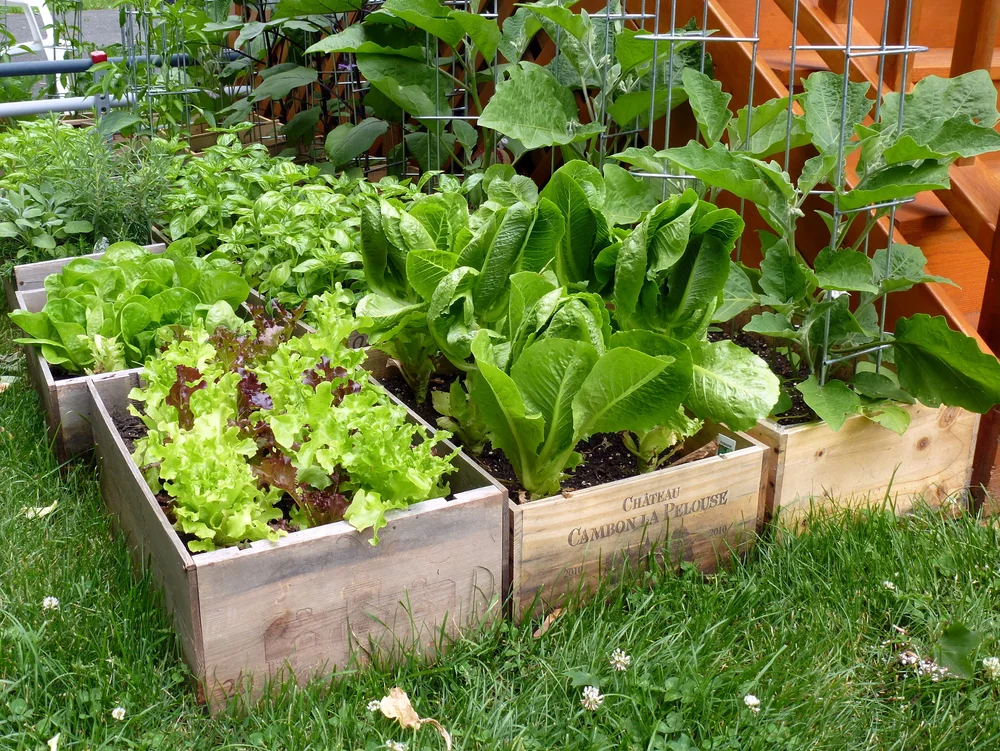
Leaf-by-leaf picking means taking outer leaves one by one. This method lets the inner leaves grow larger.
Pick only the big, healthy leaves to keep the plant strong. This way, you get fresh leaves over time.
- Pick leaves in the morning for best freshness
- Use clean scissors or hands to avoid damage
- Leave the center leaves to grow for later
- Regular picking helps the plant stay productive
Credit: www.wineboxgardener.com
Handling Lettuce Post-harvest
After picking lettuce from your garden, proper care helps keep it fresh. Handling lettuce carefully stops it from wilting or rotting quickly.
Cleaning and storing lettuce well can extend its shelf life. Follow simple methods to enjoy fresh lettuce longer.
Cleaning Methods
Clean lettuce gently to remove dirt and bugs. Avoid harsh washing to keep leaves crisp and healthy.
- Fill a large bowl with cold water.
- Submerge lettuce leaves and swish lightly.
- Lift leaves out to let dirt settle at the bottom.
- Repeat rinsing if needed with fresh water.
- Dry leaves using a salad spinner or pat with a towel.
Storage Tips For Freshness
Store lettuce in a cool, humid place to keep it fresh. Proper storage slows down wilting and browning.
| Storage Tip | Reason |
|---|---|
| Wrap leaves in a damp paper towel | Keeps moisture without making leaves soggy |
| Place wrapped leaves in a plastic bag | Maintains humidity and prevents drying out |
| Store in the refrigerator crisper drawer | Provides cool, stable temperature and humidity |
| Do not wash before storing | Moisture can cause faster decay |
Common Mistakes To Avoid
Picking lettuce from your garden needs care. Avoiding common mistakes helps plants stay healthy. This guide shows what to watch for.
Knowing what not to do saves your lettuce. It also improves your harvest quality and quantity.
Overharvesting Risks
Taking too much lettuce at once can hurt plants. Overharvesting leaves fewer leaves for growth. This weakens the plant and slows future harvests.
- Do not pick all leaves from one plant.
- Leave the inner leaves to keep growing.
- Harvest only mature outer leaves.
- Allow time between harvests for regrowth.
Damaging The Plant
Pulling or cutting lettuce incorrectly can harm the plant. Damage may cause disease or stop growth. Use clean, sharp tools for cutting.
| Common Damage | How to Avoid |
| Pulling the entire plant | Cut only outer leaves close to stem |
| Tearing leaves roughly | Use scissors or garden shears gently |
| Crushing stems | Handle plants carefully by the base |
| Using dirty tools | Clean tools before each use |

Credit: savvygardening.com
Encouraging Future Growth
Picking lettuce the right way helps the plant grow more leaves. This means you can enjoy fresh lettuce longer. Careful harvesting keeps your garden healthy and full.
Learning to prune and care for soil and water helps lettuce regrow fast. These steps keep your garden strong and productive all season.
Pruning For Regrowth
Cut lettuce leaves from the outside first. This lets the center keep growing new leaves. Use clean scissors or your fingers to avoid damaging the plant.
Do not cut the whole plant at once. Leave some leaves so the plant can make food and grow again. Regular pruning encourages fresh, healthy leaves to appear.
Soil And Water Care
Good soil keeps lettuce roots strong and healthy. Add compost or organic matter to keep soil loose and rich in nutrients. This helps lettuce grow fast after picking.
Water lettuce regularly but do not soak the soil. Keep the soil moist to help leaves stay fresh. Water early in the day to reduce disease risk and help roots absorb water well.
Frequently Asked Questions
How Do You Know When Lettuce Is Ready To Pick?
Lettuce is ready to harvest when leaves are full-sized and firm. The best time is usually in the morning. Leaves should be vibrant and crisp. For head lettuce, check if the head is tight. Avoid waiting too long as it can become bitter or bolt.
What Is The Best Way To Pick Lettuce?
To pick lettuce, use a sharp knife or scissors. Cut the leaves about an inch above the base. This encourages regrowth. For head lettuce, cut at the base. Handle gently to avoid bruising. Always choose healthy, mature leaves for the best taste.
Can You Harvest Lettuce Multiple Times?
Yes, many lettuce varieties allow multiple harvests. Use the “cut-and-come-again” method for loose-leaf types. Leave the base intact to encourage regrowth. Regularly harvesting outer leaves helps the plant to produce more. This method provides fresh lettuce over an extended period.
What Tools Do You Need To Pick Lettuce?
You need a sharp knife or garden scissors to harvest lettuce. They ensure a clean cut without damaging the plant. A basket or container is useful to collect the leaves. Avoid pulling the leaves by hand, as it can harm the plant’s growth.
Conclusion
Picking lettuce from your garden is easy and rewarding. Choose leaves that look fresh and green. Avoid damaged or yellow ones. Use clean scissors or hands to cut gently. Harvest in the morning for best taste. Keep lettuce cool after picking to stay fresh.
Regular harvesting helps plants grow more leaves. Enjoy your homegrown lettuce in salads or sandwiches. Simple steps lead to tasty, healthy greens every time. Happy gardening!