

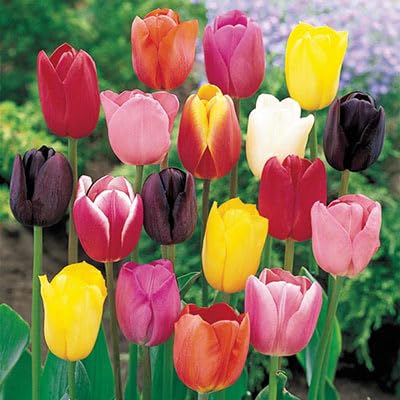

Are you tired of watching your garden plants struggle with pests and diseases? Imagine a natural solution that not only protects your plants but also keeps your garden healthy and thriving.
Neem oil is exactly that – a powerful, safe, and eco-friendly way to fight common garden problems. You’ll discover how neem oil works, why it’s perfect for your garden, and simple tips to use it effectively. Keep reading to unlock the secret to a flourishing garden without harmful chemicals.

Credit: www.amazon.com
Benefits Of Neem Oil
Neem oil is a natural product used in gardens. It helps plants stay healthy and free from pests.
This oil comes from the neem tree and works without harming the environment.
Natural Pest Repellent
Neem oil keeps many harmful insects away from plants. It stops pests from eating leaves and stems.
The oil works by disrupting the bugs’ life cycle. This prevents them from growing and laying eggs.
- Repels aphids, whiteflies, and spider mites
- Reduces damage to leaves and flowers
- Controls pests without chemicals
Fungicide Properties
Neem oil fights many fungal diseases that harm plants. It helps stop mold, mildew, and rust.
Applying neem oil can protect plants from infections. It keeps leaves and stems dry and healthy.
- Controls powdery mildew and black spot
- Prevents fungal growth on fruits and vegetables
- Supports plant health without harsh chemicals
Safe For Beneficial Insects
Neem oil does not harm helpful insects like bees and ladybugs. These insects protect the garden naturally.
Using neem oil helps keep a balanced garden ecosystem. It controls pests while supporting good bugs.
- Does not kill pollinators like bees
- Supports natural pest control by beneficial insects
- Safe for earthworms and other soil helpers
How Neem Oil Works
Neem oil is a natural solution for garden pests and diseases. It is extracted from the seeds of the neem tree and is effective in various ways.
Neem oil works by targeting the life cycles of pests and inhibiting fungal growth. It also deters pests from feeding and breeding on your plants.
Disrupting Pest Life Cycles
Neem oil disrupts the life cycles of many garden pests. It affects insects at various stages, from eggs to adults.
The oil contains azadirachtin, which stops pests from developing. It also prevents them from laying eggs, reducing their populations over time.
- Stops larvae from maturing
- Reduces egg-laying activity
- Prevents reproduction
Inhibiting Fungal Growth
Neem oil helps in controlling fungal infections on plants. It acts as a protective barrier against fungi.
By forming a layer on leaves, it prevents spores from spreading. This reduces the risk of diseases like powdery mildew.
- Prevents spore spread
- Reduces fungal infections
- Protects plant leaves
Deterring Feeding And Breeding
Neem oil makes plants less appetizing to pests. It deters them from feeding and breeding on treated plants.
Pests find the taste and smell of neem oil unpleasant. This helps in keeping them away from your garden.
- Unpleasant taste for pests
- Prevents pest infestation
- Protects plant health
Choosing The Right Neem Oil
Naturally protecting garden plants is easy with neem oil. It fights pests and diseases safely.
Choosing the right neem oil matters. Different types work better for different needs.
Cold-pressed Vs Refined Oil
Cold-pressed neem oil is made by crushing seeds without heat. This keeps more nutrients.
Refined neem oil uses heat and chemicals. It looks clearer but may lose some benefits.
- Cold-pressed oil has a strong smell and dark color
- Refined oil is lighter and less smelly
- Cold-pressed is better for plants needing extra care
Concentration And Purity
Neem oil concentration shows how strong it is. Pure oil works better against pests.
Some neem oils mix with other oils or water. This lowers their effectiveness on plants.
- Look for neem oil with at least 90% purity
- Check label for added ingredients or fillers
- Higher concentration needs careful use to avoid plant damage
Organic Certification
Organic neem oil is made without synthetic chemicals. It is safer for your garden.
Certification shows that neem oil meets organic farming standards. It helps you trust the product.
- Certified organic neem oil is eco-friendly
- It supports healthy soil and beneficial insects
- Look for labels like USDA Organic or similar
Preparing Neem Oil Spray
Neem oil spray is a natural way to protect your garden plants. It helps control pests and diseases without harsh chemicals.
To make an effective spray, you need to mix the right amount of neem oil with water and other ingredients. Proper preparation is important for good results.
Mixing Ratios
Use the correct neem oil to water ratio for safe and effective use. Too much oil can harm plants. Too little will not work well.
| Neem Oil | Water | Recommended Use |
| 1 tablespoon | 1 quart | For small plants and seedlings |
| 2 tablespoons | 1 quart | For medium-sized plants |
| 3 tablespoons | 1 quart | For large plants or heavy infestation |
Adding Emulsifiers
Neem oil does not mix well with water. Add an emulsifier to blend the oil evenly into the spray.
- Use mild liquid soap as an emulsifier.
- Add 1 teaspoon of soap per quart of water.
- Mix soap with water before adding neem oil.
- Stir the mixture well to create a uniform spray.
Storage Tips
Store neem oil spray properly to keep it effective. Fresh spray works best for pest control.
- Keep the spray in a cool, dark place.
- Use a sealed container to avoid contamination.
- Shake the spray before each use.
- Prepare fresh spray every 7 to 10 days for best results.
Applying Neem Oil To Plants
Neem oil is a natural option to protect your garden plants. It helps control many pests safely. Proper application improves its effectiveness.
Learn the best way to apply neem oil. This guide covers time, pests, and how often to spray.
Best Time Of Day
Apply neem oil early in the morning or late in the evening. This avoids direct sunlight which can harm the leaves. Cooler times help neem oil stick to the plants better.
Targeting Specific Pests
Neem oil works well against many pests. It affects insects like aphids, whiteflies, and spider mites. Spray the oil on both sides of the leaves where pests hide.
- Aphids: Spray affected areas thoroughly.
- Whiteflies: Focus on undersides of leaves.
- Spider mites: Cover all leaf surfaces evenly.
Frequency And Coverage
Use neem oil regularly for best results. Spray every 7 to 14 days. Cover the whole plant, not just the visible parts. This stops pests from returning quickly.
| Frequency | Coverage |
| Every 7-14 days | All plant parts, top and bottom of leaves |
| After rain | Reapply to washed areas |
| When pests appear | Spot spray affected spots |
Neem Oil Safety Tips
Neem oil is a natural product used to protect garden plants from pests. It is safe if used correctly. Knowing safety tips helps you use it well.
This guide covers how to protect yourself, avoid plant damage, and care for the environment when using neem oil.
Protecting Yourself
Neem oil can irritate skin and eyes. Always wear gloves and eye protection when handling it. Avoid breathing in sprays or mist.
- Wear long sleeves and gloves
- Use eye protection like goggles
- Apply neem oil in well-ventilated areas
- Wash hands and skin after use
- Keep neem oil away from children and pets
Avoiding Plant Damage
Neem oil can harm plants if used too much or at the wrong time. Test a small area first. Avoid spraying in strong sunlight or very hot weather.
| Condition | Neem Oil Use Advice |
| New plants | Use diluted oil to prevent burning |
| Flowering plants | Spray early morning or late evening only |
| Hot sunny days | Avoid spraying to reduce leaf damage |
| Fruiting plants | Do not spray directly on fruit |
Environmental Considerations
Neem oil breaks down quickly in the environment. Use it carefully to protect beneficial insects and nearby water sources.
- Do not spray on flowers visited by bees
- Avoid spraying near ponds or streams
- Apply only when pests are present
- Use the lowest effective dose
- Store neem oil properly to prevent leaks
Common Pests Controlled By Neem Oil
Neem oil is a natural solution to control many garden pests. It is safe for plants and helps keep gardens healthy.
Using neem oil can reduce pest damage without harmful chemicals. It works on pests that suck plant juices and those that feed on leaves.
Aphids And Whiteflies
Aphids and whiteflies are small insects that feed on plant sap. They cause leaves to curl and turn yellow.
Neem oil disrupts their feeding and stops them from growing. It also reduces their ability to lay eggs.
- Aphids suck juices from stems and leaves
- Whiteflies live on the underside of leaves
- Both spread plant diseases
- Neem oil blocks their growth and reproduction
Spider Mites
Spider mites are tiny pests that cause yellow spots on leaves. They spin fine webs on plants.
Neem oil stops spider mites from feeding and laying eggs. It also reduces their population over time.
- Spider mites damage leaves by sucking plant juices
- They produce webs that cover leaves
- Neem oil breaks their life cycle
- Regular use keeps spider mites under control
Mealybugs And Scale
Mealybugs and scale insects stick to stems and leaves. They feed on plant sap and weaken plants.
Neem oil kills these pests by disrupting their feeding and growth. It helps protect plants from damage.
- Mealybugs look like small cottony clusters
- Scale insects appear as small bumps on plants
- Both reduce plant vigor by sucking sap
- Neem oil controls their numbers effectively
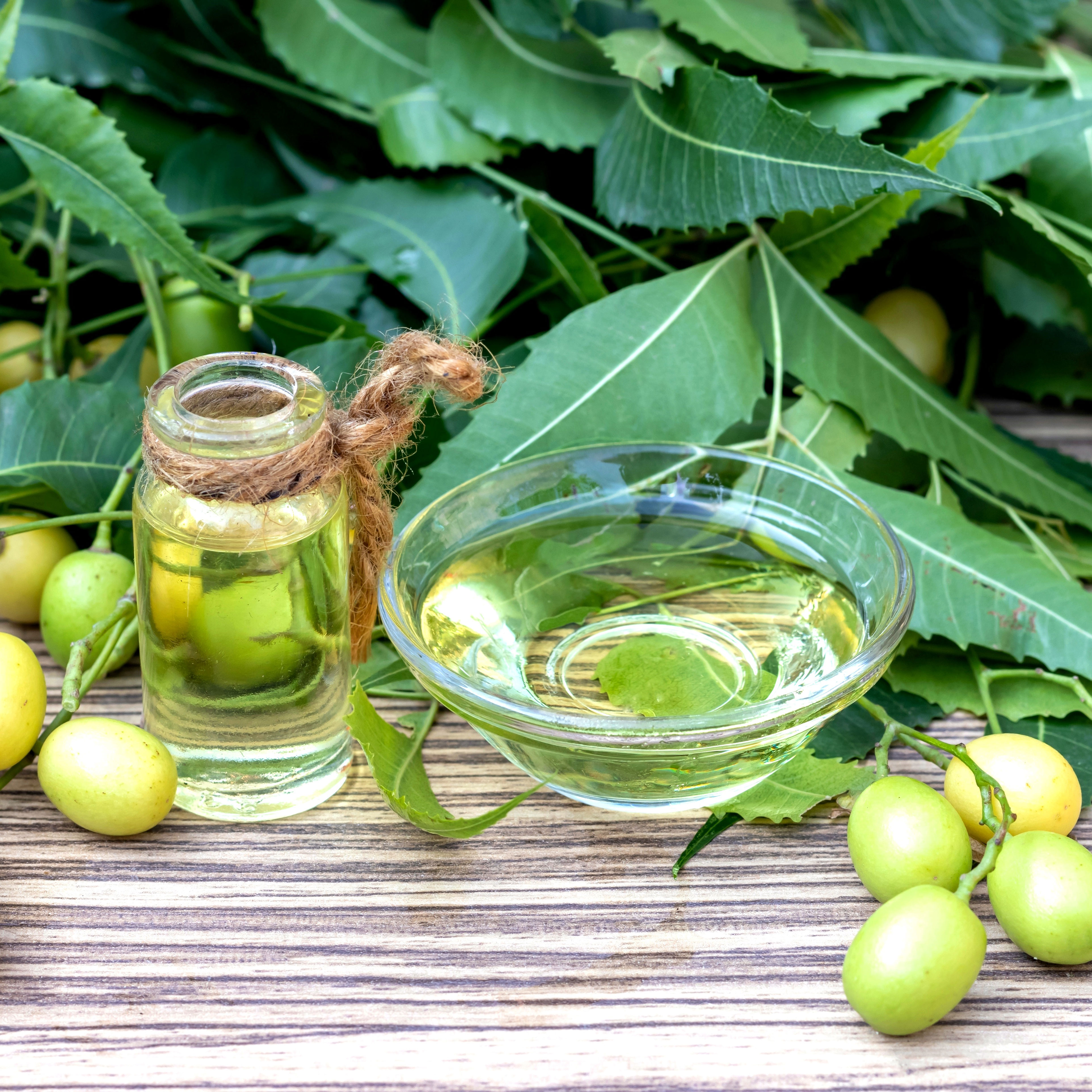
Credit: www.gardeningknowhow.com
Combining Neem Oil With Other Methods
Naturally protecting garden plants works best with many tools. Neem oil can help fight pests and diseases. Using it with other ways keeps plants healthy and strong.
Mixing neem oil with smart garden care lowers the need for chemicals. It supports the garden’s natural balance and helps plants grow well.
Integrated Pest Management
Integrated Pest Management (IPM) uses many tools to control pests safely. Neem oil fits well as a natural option in IPM plans. It reduces pest damage without harming helpful insects.
IPM steps include monitoring pests, identifying them, and choosing the best control ways. Using neem oil sprays only when needed keeps pests low and plants healthy.
- Check plants often for pest signs
- Use neem oil as a spray or soil drench
- Combine with physical pest removal
- Keep plants strong with good watering and feeding
Companion Planting
Companion planting means growing certain plants together to help each other. Some plants keep pests away or attract beneficial bugs. Using neem oil with companion planting gives extra pest control.
For example, planting marigolds near vegetables can repel insects. Spray neem oil on plants that need more pest protection. This combination reduces pest problems safely.
- Plant marigolds to repel nematodes and aphids
- Grow basil near tomatoes to improve flavor and deter pests
- Use neem oil spray on plants attacked by pests
- Avoid mixing neem oil with plants sensitive to oils
Using Beneficial Insects
Beneficial insects eat harmful pests in the garden. Ladybugs, lacewings, and parasitic wasps protect plants naturally. Neem oil is safe for these insects if used carefully.
Spray neem oil early in the morning or late in the evening to avoid harming good bugs. This way, neem oil helps control pests while keeping friendly insects alive.
- Release ladybugs to eat aphids
- Use neem oil spray during low insect activity times
- Plant flowers to attract beneficial insects
- Monitor pest and beneficial insect levels regularly
Troubleshooting Neem Oil Issues
Neem oil is a natural way to protect garden plants. Sometimes, problems happen with its use. You can fix these problems easily.
This guide helps you solve common neem oil issues. Follow simple tips for healthy plants and good pest control.
Leaf Burn Solutions
Leaf burn happens when neem oil is too strong or used in hot sun. This can hurt your plants. Use these tips to avoid leaf burn.
Spray neem oil early in the morning or late in the evening. Do not apply in direct sunlight. Dilute neem oil well before use.
- Use a weak neem oil mix to reduce risk
- Test on a small leaf first
- Water plants before spraying
- Avoid spraying during hot, sunny days
Ineffective Pest Control
If neem oil does not control pests, check if you used it correctly. Pests may be resistant or the oil may be old.
Spray neem oil every 7 to 14 days for best results. Make sure to cover all plant parts. Clean leaves before spraying.
- Use fresh neem oil for better effect
- Spray on both sides of leaves
- Repeat treatment regularly
- Use neem oil as part of a pest control plan
Storage And Shelf Life
Neem oil can lose its power if stored wrong. Keep it in a cool, dark place. Avoid heat and sunlight.
Use neem oil within one year. Check the smell and color before using. If it smells bad or looks thick, do not use it.
- Store in a sealed container
- Keep away from direct sunlight
- Do not freeze neem oil
- Label the bottle with the purchase date
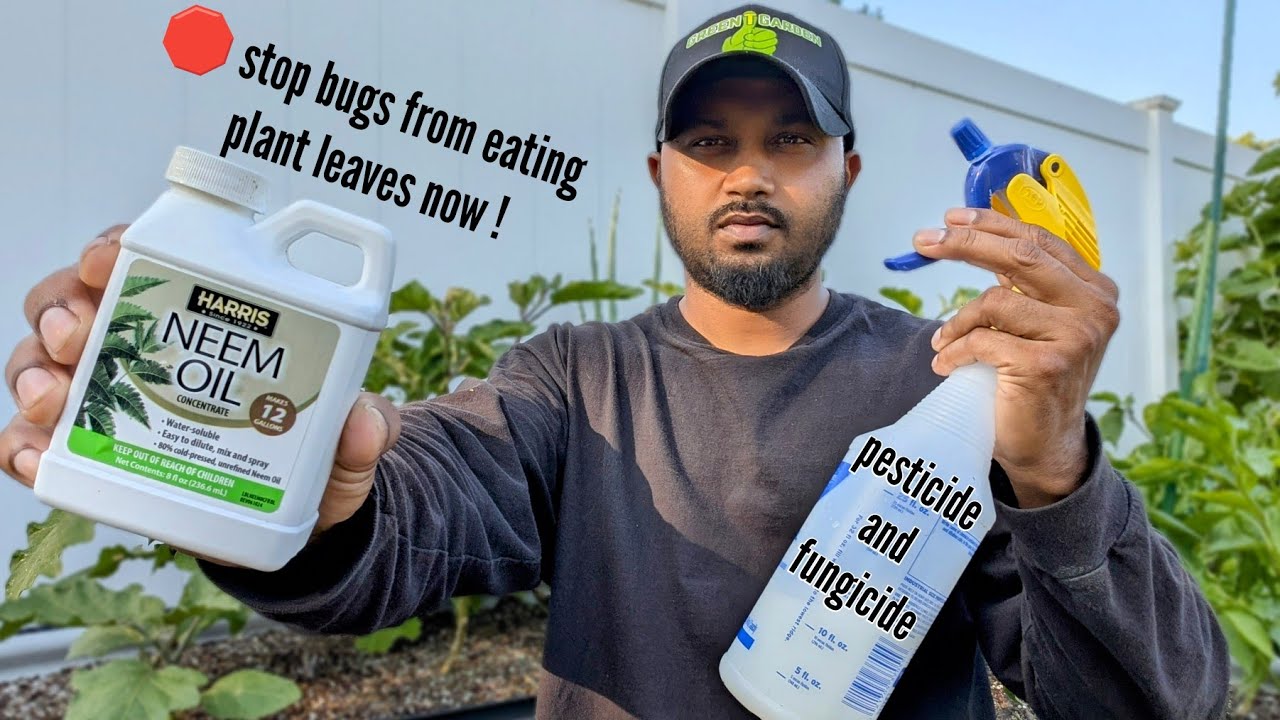
Credit: www.youtube.com
Frequently Asked Questions
What Is Neem Oil Used For In Garden Plants?
Neem oil acts as a natural pesticide and fungicide. It controls pests like aphids, mites, and whiteflies. It also prevents fungal diseases such as powdery mildew. Neem oil is safe for most garden plants and promotes healthy growth.
How Do I Apply Neem Oil To Plants?
Mix neem oil with water and a mild soap as an emulsifier. Spray the solution evenly on leaves, stems, and soil. Apply in early morning or late afternoon to avoid sunburn. Repeat every 7-14 days for best results.
Is Neem Oil Safe For Beneficial Insects?
Neem oil is generally safe for beneficial insects like bees and ladybugs. It targets harmful pests by disrupting their feeding and reproduction. Use neem oil in the evening to minimize exposure to pollinators. Always apply it responsibly.
Can Neem Oil Replace Chemical Pesticides?
Yes, neem oil is an eco-friendly alternative to chemical pesticides. It provides broad-spectrum pest control without harmful residues. Neem oil supports sustainable gardening and protects beneficial insects. Regular use can reduce dependency on synthetic chemicals.
Conclusion
Neem oil keeps garden plants healthy and pest-free. It works gently and is safe for many plants. Regular use can stop bugs and diseases early. Applying neem oil is simple and saves money. Gardeners enjoy greener leaves and stronger plants.
Try neem oil to care for your garden naturally. Watch your plants grow with less damage. A small step that makes a big difference. Give neem oil a chance in your garden today.