


Weeds can quickly take over your garden if left unchecked. Identifying them early helps protect your plants and keep your garden healthy.
Gardens often face a mix of unwanted plants called weeds. These intruders compete for water, sunlight, and nutrients. Some look harmless but grow fast and spread easily. Knowing common weed types in your region makes removal easier. Different areas have unique weeds, from the Northwest to the Northeast.
Some weeds even have edible or useful qualities. Recognizing these plants helps gardeners decide which to remove and which to keep. Using simple guides and observation, anyone can learn to spot weeds. This knowledge saves time and effort while keeping gardens neat and productive. Start by learning local weed names and features. That way, your garden stays strong and vibrant all season long.
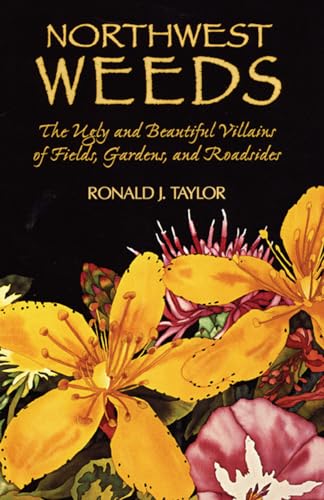
Northwest Weeds

Ideal for botany enthusiasts, gardeners, and nature lovers, Northwest Weeds: The Ugly and Beautiful Villains of Fields, Gardens, and Roadsides offers an insightful look into the diverse and often misunderstood world of weeds. This book is perfect for those seeking to identify and understand the complex roles these plants play in various ecosystems.
Pros:
- Comprehensive coverage of weeds found in the Northwest region
- Published by reputable Mountain Press with detailed scientific insights
- Compact size (8.5 x 0.5 x 5.5 inches) making it easy to carry in the field
- Contains 183 pages filled with useful descriptions and illustrations
- First Edition with authentic and original content
Cons:
- Publication date (1990) may mean some information is outdated
- Limited to the Northwest region, less useful for other areas
- Weight of approximately 0.75 pounds might be slightly heavy for some users
Northwest Weeds delves into the dual nature of weeds, portraying them as both “ugly” invaders and “beautiful” components of natural habitats. The book’s detailed descriptions help readers identify various species commonly found along roadsides, fields, and gardens. By understanding these plants, users can better manage their gardens or appreciate the ecological balance these weeds contribute to.
The compact dimensions and durable format make it an excellent companion for field trips or casual reading. Additionally, the publication by Mountain Press ensures reliable and well-researched content, making it a valuable reference for both amateurs and professionals. Although some information may be dated, the book remains a foundational resource for anyone interested in regional plant life and weed identification.
Common Backyard Weeds Of The Upper Midwest

Ideal for gardeners, landscapers, and anyone living in the Upper Midwest looking to identify and manage common backyard weeds, this guide is a must-have for those who want to maintain a healthy and beautiful outdoor space. Whether you’re a beginner or an experienced plant enthusiast, this book offers clear, practical information to help you recognize and control invasive and unwanted plants.
Pros:
- Comprehensive coverage of 216 pages filled with detailed descriptions and images
- Compact size with dimensions of 7.0 inches in height and 5.0 inches in length for easy portability
- Published by the reputable Adventure Publications, ensuring reliable and accurate content
- Helps users quickly identify and differentiate between various weed species common in the region
- Enhances garden maintenance by providing practical tips on weed control and management
Cons:
- Focuses solely on the Upper Midwest, limiting its usefulness outside this geographic area
- Some readers may prefer a more digital or interactive format rather than a physical book
- Publication date of 2017 means some newer weed species or control methods might not be included
The Common Backyard Weeds of the Upper Midwest is designed to be both informative and user-friendly. Its detailed botanical descriptions and high-quality photographs make it easy for users to identify weeds accurately, which is crucial for effective garden care. The compact and lightweight design ensures you can carry it outdoors while working in your garden or yard.
Beyond identification, the book also provides practical advice on weed management, helping readers to maintain a healthy lawn and garden environment. This resource empowers users to take proactive steps in controlling invasive species, ultimately supporting the health of their plants and the overall ecosystem. With its thorough content and trusted publisher, this guide is a valuable addition to any gardener’s collection.
Weeds Of The Northeast

The ideal customer for Weeds of the Northeast is anyone who is passionate about gardening, botany, or landscaping in the northeastern region of the United States. This book is a must-have for gardeners, farmers, and land managers who need a comprehensive guide to identify and manage common weeds in this area. Whether you’re a professional or a hobbyist, this book provides valuable insights into the diverse plant life that can impact your landscape.
Pros:
- Comprehensive guide to over 300 species of weeds
- High-quality photographs for accurate identification
- Detailed descriptions of each species’ characteristics and growth habits
Cons:
- 1997 publication date may mean some information is outdated
- Focused specifically on the Northeast, limiting its usefulness in other regions
The features of “Weeds of the Northeast” include its detailed descriptions and high-quality photographs of over 300 species. Each entry provides essential information on the identification and growth habits of weeds, making it easier for users to manage their landscapes effectively. The book is structured to offer a practical approach to weed management, with user-friendly language and organization that makes it accessible to both novices and experts.
One of the most significant benefits of this book is its focus on the Northeast region, providing targeted information for those specific environmental conditions. This localized approach ensures that users get relevant and applicable advice for their particular geographical area. Additionally, the durable binding and compact size make it a practical choice for field use, allowing it to withstand the rigors of outdoor reference. Despite its publication date, the foundational information remains a valuable resource for understanding and managing weed populations.
Snake Plant

The book What is that Plant? is ideal for plant enthusiasts, beginner gardeners, and anyone curious about identifying and understanding various plants. If you want to expand your botanical knowledge or need a reliable guide to recognize plants in your environment, this book is a perfect choice.
Pros:
- Comprehensive with 228 pages filled with detailed plant descriptions.
- Published by the reputable White Owl publisher, ensuring quality content.
- Includes clear illustrations and easy-to-understand identification tips.
- Recent publication date (2024-10-01) means up-to-date botanical information.
Cons:
- May be overwhelming for casual readers due to detailed scientific terminology.
- Limited to the plants covered within the book, so some rare species might not be included.
What is that Plant? offers a thorough exploration of plant identification, making it an excellent resource for those keen to learn more about flora. The book’s extensive content covers a wide range of species, helping users confidently recognize and categorize plants in different environments. Its clear layout and practical tips enhance the learning experience, especially for beginners.
Additionally, the book’s recent publication date ensures that readers receive the latest insights into plant taxonomy and identification techniques. Whether you’re a hobbyist or a student of botany, this guide provides valuable knowledge that can improve your gardening skills and deepen your appreciation for nature.
Winter Weed Finder

The Winter Weed Finder: Identifying Dry Plants of Central and Eastern North America is perfect for nature enthusiasts, botanists, and outdoor educators who want to expand their knowledge of plant identification during the colder months. If you are someone who enjoys winter hikes, environmental studies, or teaching about native flora, this guide will help you recognize and understand dry plants that are often overlooked in the off-season.
Pros:
- Compact and lightweight, making it easy to carry during outdoor excursions.
- Comprehensive identification guide for dry plants specific to Central and Eastern North America.
- 64 pages filled with detailed illustrations and descriptions for accurate plant recognition.
- Updated 2nd edition, ensuring current and reliable information.
- Published by Nature Study Guild, a trusted source for nature education materials.
Cons:
- Limited to dry plants, so it may not cover all types of winter flora.
- Small size may make detailed illustrations harder to see for some users.
- Focused on a specific geographic region, so less useful outside Central and Eastern North America.
This guide’s small dimensions (4.0 inches height, 0.2 inches width, 5.88 inches length) and lightweight design make it exceptionally portable, ideal for fieldwork during winter months. Despite its size, the 64-page content is packed with valuable information that helps users identify dry plants that are often difficult to recognize without a proper reference. The detailed descriptions and illustrations enable users to deepen their understanding of plant characteristics and their roles in the ecosystem during winter.
As the 2nd edition published by the reputable Nature Study Guild, this guide benefits from updated research and improved clarity, making it a reliable companion for anyone interested in botany or natural history. Whether you are a student, educator, or nature lover, the Winter Weed Finder enhances your ability to appreciate and study plant life even when the landscape appears dormant, providing both educational value and practical utility.
The Wild Wisdom Of Weeds

The Wild Wisdom of Weeds: 13 Essential Plants for Human Survival is ideal for survivalists, outdoor enthusiasts, gardeners, and anyone interested in learning about edible and medicinal plants that grow in the wild. If you want to deepen your knowledge of sustainable living or prepare for emergency situations, this book offers practical and valuable insights.
Pros:
- Comprehensive guide featuring 13 essential edible and medicinal plants.
- Detailed descriptions with practical identification tips and uses.
- Published by a reputable brand, Chelsea Green Publishing.
- Compact size (9.93 x 6.99 x 0.83 inches) and manageable weight (2.31 pounds) for easy portability.
- Well-structured content across 384 pages, making it thorough yet accessible.
- Multicolor illustrations enhance understanding and plant recognition.
Cons:
- Focuses on only 13 plants, which may limit the scope for some users.
- Publication date from 2014 might mean some newer research or discoveries are not included.
- The book’s detailed botanical content may be challenging for complete beginners without prior plant knowledge.
This book offers an in-depth look at 13 resilient and widely available plants that can be used for food, medicine, and survival. Each plant is described with clear identification features, habitat information, and practical uses, empowering readers to confidently forage in the wild. The vivid multicolor illustrations serve as an excellent visual aid to complement the detailed text, making it easier to recognize plants in nature. Its compact dimensions make it a convenient companion for fieldwork or outdoor adventures.
Authored by Chelsea Green Publishing, this guide combines scientific knowledge with practical survival wisdom. Readers benefit from understanding how to incorporate these versatile plants into their diet or emergency preparedness plans. The book not only promotes sustainable living but also fosters a deeper connection with the environment, encouraging mindful interaction with the natural world.
The Weeder’s Digest

The ideal customer for The Weeder’s Digest: Identifying and enjoying edible weeds is anyone interested in foraging, sustainable living, or expanding their knowledge of natural, wild foods. Whether you are a beginner eager to learn how to safely identify edible plants or an experienced forager looking to deepen your understanding, this book offers practical guidance and valuable insights. Gardeners, outdoor enthusiasts, and eco-conscious individuals will find this book especially useful for turning common weeds into nutritious, enjoyable meals.
Pros:
- Comprehensive guide with clear identification tips for edible weeds.
- Offers practical advice on harvesting and preparing wild plants.
- Published by Green Books, a reputable source in environmental literature.
- Contains 192 pages packed with detailed information and illustrations.
- Encourages sustainable foraging practices and promotes healthy eating.
Cons:
- Publication date is from 2012, so some information might not include the latest research.
- May require prior basic knowledge of plants for best use.
- Focused mainly on weeds found in certain geographic regions, limiting universal applicability.
This book excels in providing readers with the tools they need to confidently identify a wide variety of edible weeds. The detailed descriptions and illustrations help reduce the risk of misidentification, making foraging a safer and more enjoyable experience. By learning to recognize and utilize these often-overlooked plants, users can enhance their diet with fresh, natural ingredients while reducing their ecological footprint.
Additionally, The Weeder’s Digest offers practical tips on how to harvest and prepare these plants, turning what many consider nuisances into delicious and nutritious food sources. The book’s emphasis on sustainability and environmental respect aligns well with the values of eco-conscious readers, promoting responsible foraging that supports local ecosystems. Overall, it is a valuable resource for anyone eager to explore the benefits of edible weeds in their daily life.
Good Weed Bad Weed

Ideal for gardeners, landscaping enthusiasts, and anyone interested in understanding the diverse roles of weeds in their yard, Good Weed Bad Weed: Who’s Who, What to Do, and Why Some Deserve a Second Chance is a must-have guide. This book is perfect for those seeking to distinguish between harmful and beneficial plants, making informed decisions about lawn care and garden maintenance.
Pros:
- Clear identification of various weeds and their impact on your yard
- Easy-to-understand guidance on which weeds deserve a second chance
- Compact size with 104 informative pages
- Published by a reputable brand, St. Lynn’s Press
- Provides practical advice for both beginners and experienced gardeners
Cons:
- Limited to 104 pages, which may feel brief for advanced readers
- Focused primarily on common yard weeds, less coverage on exotic species
- Publication date (2011) means some information might be slightly outdated
This book features a detailed yet concise approach to understanding the often misunderstood world of weeds. With its manageable size and clear structure, it allows readers to quickly identify which plants in their yard are detrimental and which might actually benefit the garden ecosystem. The guide’s practical tips empower users to take effective action, whether it’s removing invasive species or nurturing beneficial ones.
Additionally, the publication by St. Lynn’s Press ensures high-quality content backed by horticultural expertise. The book’s focus on why some weeds deserve a second chance encourages a more environmentally conscious approach to lawn care, promoting biodiversity and healthier gardens. Overall, this guide is an invaluable resource for anyone looking to improve their outdoor space thoughtfully and sustainably.
Weeds
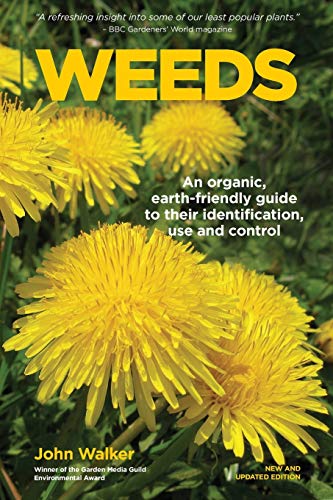
Ideal for gardeners, environmental enthusiasts, and anyone interested in sustainable living, “Weeds: An Organic, Earth-friendly Guide to Their Identification, Use and Control” is perfect for those who want to understand and manage weeds in an eco-conscious way. This guide is especially useful for people seeking to embrace organic gardening techniques and reduce reliance on harmful chemicals.
Pros:
- Comprehensive identification guide for common weeds
- Focuses on organic, earth-friendly methods of weed control
- Includes practical advice on the usefulness of weeds in ecosystems
- Compact and lightweight with 142 pages for easy reference
- Updated Revised Edition with a new introduction for modern insights
Cons:
- May be too detailed for casual readers looking for quick tips
- Limited to organic methods, which may not suit all gardening needs
- Smaller size (9.0 x 6.0 x 0.34 inches) might make some illustrations less visible
This guidebook provides readers with a thorough understanding of how to identify weeds and their roles within the environment, going beyond mere removal to explore their potential uses and benefits. By promoting earth-friendly control methods, the book encourages a healthier approach to gardening that protects soil and biodiversity. Readers will appreciate how the book balances practical advice with ecological awareness, making it a valuable resource for sustainable gardeners.
With its clear layout and updated content, this edition helps users make informed decisions about weed management while embracing organic principles. The book’s manageable size and weight make it convenient to carry around the garden, ensuring that essential information is always at hand. Overall, it offers a unique perspective that transforms the perception of weeds from nuisances to valuable components of a balanced ecosystem.
Seed To Weed

The book Seed To Weed: The Essential Guide To Identifying And Germinating Marijuana Seeds is perfect for beginners and hobbyists who want to start their own marijuana cultivation journey with confidence. Ideal customers include those new to growing cannabis, home growers looking to improve their seed selection and germination techniques, and anyone interested in understanding the fundamentals of marijuana seed identification and care.
Pros:
- Concise and easy-to-understand guide, ideal for beginners
- Compact size with 25 pages, making it quick to read and reference
- Published recently in 2023, ensuring up-to-date information
- Focuses specifically on seed identification and germination techniques
- Independently published, offering unique and practical insights
Cons:
- Limited in scope, focusing only on seeds and germination
- Short length may not cover advanced cultivation topics
- Physical dimensions may be too small for some readers who prefer larger print
This guide offers detailed explanations on how to accurately identify various marijuana seeds, helping growers avoid common mistakes before starting their cultivation. The clear instructions on germination methods provide readers with practical steps to ensure higher success rates when sprouting seeds, ultimately leading to healthier plants.
With its compact format and straightforward presentation, Seed To Weed serves as a handy reference book that can be easily carried or stored. The book’s focus on essential techniques means that readers gain targeted knowledge that directly impacts their growing results, making it a valuable tool for anyone looking to cultivate marijuana from seed.
Frequently Asked Questions
What Are Common Weeds Found In Northwest Gardens?
Northwest gardens often have invasive species like blackberry, dandelion, and bindweed. These weeds thrive in moist, temperate climates. Identifying them early helps prevent spread and damage to native plants. Regular monitoring and removal keep gardens healthy and attractive.
How To Identify Backyard Weeds In The Upper Midwest?
Upper Midwest weeds include crabgrass, pigweed, and lamb’s quarters. Look for distinctive leaf shapes and growth patterns. Crabgrass has wide, flat blades, while pigweed has reddish stems. Recognizing these weeds helps manage them effectively and protect garden plants.
Which Weeds Grow In The Northeastern U.s. Gardens?
Northeastern gardens commonly face weeds like chickweed, purslane, and Canada thistle. Chickweed has small, star-shaped flowers, while purslane shows fleshy leaves. Identifying these weeds early ensures timely removal and reduces competition with desired plants.
Can Dry Plants Be Winter Weeds In Central North America?
Yes, many dry plants act as winter weeds in Central and Eastern North America. They survive cold months and re-sprout in spring. Identifying these helps gardeners plan early weed control and maintain garden health year-round.
Are Some Weeds Edible And Beneficial To Humans?
Some weeds, like dandelion and purslane, are edible and nutritious. They offer vitamins and minerals and can be used in salads or teas. Knowing edible weeds adds value and reduces waste in gardening and foraging.
How To Differentiate Good Weeds From Bad Weeds In Your Yard?
Good weeds support soil health and biodiversity, while bad weeds compete with crops. Identifying them involves observing growth habits and impact. Managing bad weeds helps maintain garden balance, while some good weeds can be left to benefit the ecosystem.
Conclusion
Knowing how to identify weeds helps keep your garden healthy and neat. Weeds can be tricky because some look like useful plants. Spotting them early stops them from taking over your garden space. Learning about common weeds in different regions, like the Northwest or Northeast, makes identification easier.
Remember, not all weeds are bad—some even have uses you might not expect. Using simple guides and observing your plants regularly improves your weed-finding skills. This way, you protect your garden without harming helpful plants. Taking care of weeds also means less work later.
Stay patient and keep practicing. Soon, you will recognize many weeds by sight and feel more confident managing your garden. A tidy, weed-free garden is possible with the right knowledge and care. Keep exploring and enjoy your gardening journey!