

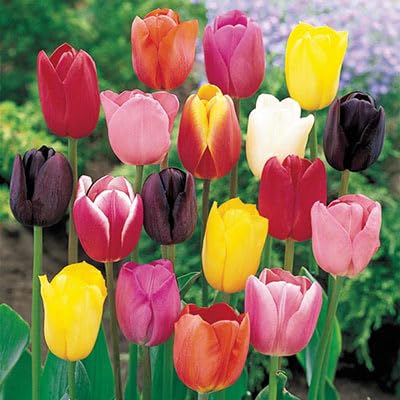

Imagine walking through your garden and feeling every step guided by a beautiful path beneath your feet. Garden paths and stepping stones do more than just lead the way—they create a sense of calm, invite exploration, and add charm to your outdoor space.
Whether you want to brighten up a dull yard or create a cozy nook, the right path can transform your garden into a personal retreat. Ready to discover how to make your garden more inviting and stylish? Keep reading, and you’ll learn simple ideas that can change the look and feel of your garden instantly.

Credit: www.hgtv.com
Choosing Materials
Selecting the right material for garden paths and stepping stones is key for durability and style. Different materials suit various garden designs and budgets.
Consider how each material looks, feels, and handles weather. This guide covers popular options to help you decide.
Natural Stone Options
Natural stones like slate, flagstone, and granite add a timeless look. They are strong and can last many years with little care.
- Slate offers a smooth surface with varied colors.
- Flagstone is flat and easy to arrange in patterns.
- Granite is hard and resists cracks and chips.
- Sandstone has a warm, earthy tone but may need sealing.
Concrete And Pavers
Concrete and pavers provide a budget-friendly path option. They come in many shapes and colors, allowing creative layouts.
| Material | Advantages | Maintenance |
| Concrete | Durable and customizable | Sealing helps prevent stains |
| Clay Pavers | Classic red color, good grip | Occasional cleaning and weed control |
| Concrete Pavers | Variety of colors and shapes | Easy to replace if damaged |
Wood And Mulch
Wood and mulch give a natural, soft look to garden paths. Wood lasts longer but needs more care than mulch.
- Wooden planks or logs create rustic paths.
- Mulch is easy to spread and good for casual areas.
- Both materials improve drainage and blend with plants.
- Regular treatment or replacement keeps wood safe from rot.
Recycled Materials
Recycled materials are eco-friendly and unique. They often cost less and reduce waste.
| Recycled Material | Benefit | Notes |
|---|---|---|
| Reclaimed bricks | Vintage look, sturdy | May need cleaning before use |
| Broken concrete pieces | Good for informal paths | Uneven surface, consider safety |
| Glass chips | Colorful and decorative | Use in combination with other materials |
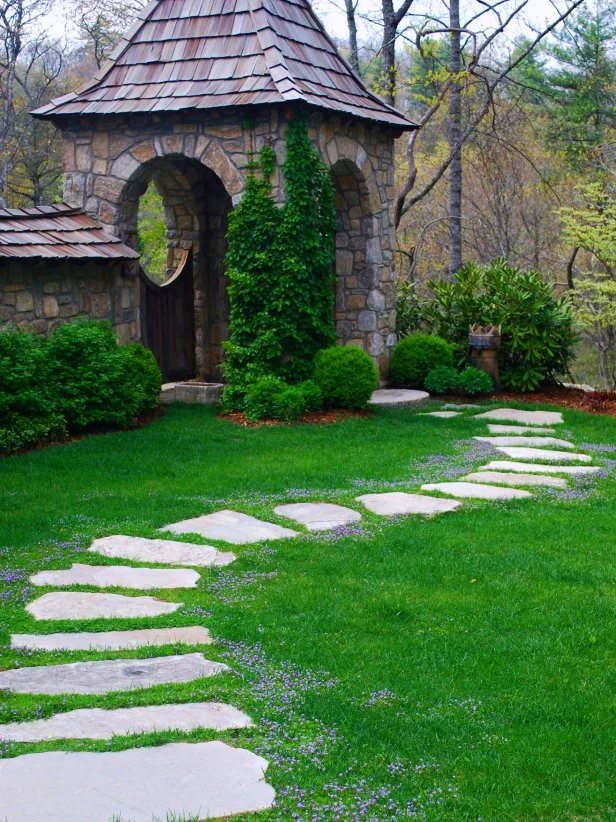
Credit: www.hgtv.com
Design Styles
Garden paths and stepping stones add charm to any yard. They guide visitors and protect plants from foot traffic.
Choosing the right design style is important. It sets the mood and complements your garden’s look.
Curved Vs. Straight Paths
Curved paths create a natural feel. They mimic the flow of rivers and streams.
Straight paths give a modern look. They guide eyes directly to a focal point.
- Curved paths feel relaxed and gentle
- Straight paths look formal and structured
Formal Vs. Informal Layouts
Formal layouts use symmetry. They fit well with traditional gardens.
Informal layouts are more relaxed. They suit cottage and wild gardens.
- Formal paths are neat and tidy
- Informal paths blend with nature
Themed Pathways
Themed pathways add personality. They can reflect a culture or favorite color.
Consider themes like Zen, tropical, or rustic. Each offers a unique feel.
Mixing Textures And Colors
Mixing textures adds interest. Use stones, wood, and gravel for variety.
Colors influence mood. Light colors make spaces feel open, while dark colors add depth.
- Combine smooth stones with rough gravel
- Use contrasting colors for a vibrant look
Installation Tips
Garden paths and stepping stones add charm and function to your yard. Proper installation ensures they last long and look great.
Follow simple steps to plan, prepare, lay, and maintain your stones for a sturdy path.
Planning Your Route
Choose a path that fits your garden’s shape and flow. Think about where people walk most often.
- Mark the path with spray paint or string
- Avoid steep slopes for safety
- Consider sunlight and shade areas
- Plan for a width comfortable for walking
- Include gentle curves for a natural look
Preparing The Ground
Clear the area by removing grass, weeds, and debris. The ground should be firm and level.
| Task | Details |
| Clear surface | Remove grass and plants 6-8 inches deep |
| Level ground | Use a rake or shovel to smooth soil |
| Compact soil | Press down soil to prevent stones from sinking |
| Add base layer | Spread crushed stone or gravel for drainage |
Laying And Securing Stones
Place stones firmly on the prepared base. Space them evenly and check alignment as you go.
- Lay stones starting at one end of the path
- Tap each stone down with a rubber mallet
- Fill gaps between stones with sand or small gravel
- Check stones are level and stable
- Add soil or mulch around edges to hold stones in place
Maintaining Stability
Keep your path solid by checking stones regularly and fixing any loose ones.
Tips for stability:
- Replace sand or gravel between stones yearly
- Remove weeds that grow through gaps
- Re-level stones that shift or tilt
- Add edging to prevent soil erosion
Creative Enhancements
Garden paths and stepping stones add charm to any outdoor space. Creative touches can make these features stand out.
Using lighting, plants, decorations, and water can improve the look and feel of your paths.
Incorporating Lighting
Lighting along garden paths creates a warm glow at night. It also guides visitors safely through the garden.
- Use solar-powered lights to save energy.
- Place lights low to highlight stepping stones.
- Try string lights for a whimsical look.
- Install motion sensors for automatic lighting.
Adding Plant Borders
Plant borders soften hard edges of paths. They add color and texture to the garden design.
| Plant Type | Height | Color |
| Lavender | 1-2 feet | Purple |
| Boxwood | 2-3 feet | Green |
| Hosta | 1-2 feet | Varied |
| Marigolds | 1 foot | Yellow/Orange |
Using Decorative Accents
Decorative accents add personality to paths. Choose items that match your garden’s style.
- Garden statues and figurines
- Colorful mosaic stepping stones
- Rustic wooden signs or markers
- Decorative gravel or mulch patterns
Water Features Along Paths
Water features add a peaceful sound and cool atmosphere. Small fountains or ponds work well near paths.
- Place a small fountain beside the path.
- Use a shallow pond with floating plants.
- Add a birdbath to attract wildlife.
- Install a trickling stream with stones.
Functional Benefits
Garden paths and stepping stones add more than beauty to your yard. They serve practical purposes that improve your outdoor space.
These features guide movement, protect your landscape, and encourage spending time outside.
Improving Yard Accessibility
Paths and stepping stones create clear walkways across your garden. They help people avoid muddy or uneven ground.
They make your yard easier to navigate for children, elderly, and guests.
Erosion Control Solutions
Stepping stones help reduce soil erosion by directing foot traffic to specific areas. This prevents damage to plants and soil.
- Protect delicate plants from being stepped on
- Keep soil in place during rain
- Reduce mud and dirt tracked into the house
Defining Outdoor Spaces
Garden paths create clear boundaries between different areas of your yard. This adds structure and order to your outdoor design.
| Area | Purpose |
| Flower beds | Separate from walking zones |
| Seating areas | Mark cozy spots for rest |
| Vegetable patches | Keep paths clear for harvesting |
Encouraging Outdoor Activity
Paths invite people to explore the garden and spend more time outdoors. They make walking and playing safer and more enjoyable.
Benefits of garden paths for outdoor activity:
- Encourage daily walks and exercise
- Create safe routes for children
- Make gardening tasks easier to reach
Budget-friendly Ideas
Creating garden paths and stepping stones can enhance your outdoor space without spending much. Simple ideas can add charm and function.
Use affordable materials and easy techniques to build paths that fit your budget and style.
Diy Stepping Stones
Making your own stepping stones is a fun and cheap way to add character to your garden. You only need a few basic supplies.
You can customize stones by adding patterns, colors, or small decorations like leaves or glass pieces.
- Use quick-setting concrete mix
- Make molds from old containers or trays
- Press natural objects into wet concrete for texture
- Paint stones with outdoor-safe paints
Affordable Material Choices
Choose materials that cost less but look great. Many natural and recycled items work well for garden paths.
- Gravel or crushed stone
- Wood chips or bark mulch
- Concrete pavers
- Brick pieces
- Sandstone or flagstone
These materials are easy to find and can fit many garden styles without heavy costs.
Upcycling Yard Finds
Use items from your yard or home to create unique paths. Upcycling saves money and adds a personal touch.
- Old bricks or broken tiles can form a mosaic path
- Flat stones from your garden make natural stepping stones
- Wood scraps can be cut into stepping boards
- Broken concrete chunks can fill gaps between stones
Look around for materials that can be reused instead of buying new ones.
Simple Maintenance Hacks
Keep your garden paths neat with easy and low-cost care tips. Good maintenance helps paths last longer.
- Remove weeds regularly to keep paths clear
- Add fresh gravel or mulch yearly to fill holes
- Clean stepping stones with a brush and water
- Fix loose stones by resetting them in sand or soil
Simple maintenance saves money by avoiding costly repairs later.
Credit: livingstonfarm.com
Frequently Asked Questions
What Materials Are Best For Garden Paths And Stepping Stones?
Popular materials include natural stone, concrete, gravel, and brick. Choose based on durability, style, and budget. Natural stone offers a classic look, while concrete allows versatile shapes. Gravel is affordable and good for drainage. Brick provides a charming, traditional feel.
How Do I Design A Safe Garden Path?
Ensure paths are wide enough for comfortable walking, typically 3 feet. Use slip-resistant materials and keep surfaces even. Add edging to prevent stones from shifting. Proper lighting improves safety during nighttime use. Regular maintenance avoids tripping hazards.
Can Stepping Stones Improve Garden Aesthetics?
Yes, stepping stones create focal points and guide visitors. They break large garden spaces into inviting sections. Their textures and colors add visual interest. Stepping stones also protect plants by directing foot traffic. This enhances overall garden harmony and charm.
How To Maintain Garden Paths And Stepping Stones?
Regularly remove weeds and debris to keep paths clean. Repair or replace cracked or loose stones promptly. Apply sealant to stone surfaces to prevent weather damage. Check for uneven areas and fix them to avoid accidents. Maintenance prolongs path life and appearance.
Conclusion
Garden paths and stepping stones add charm and function to any yard. They guide your steps and protect plants from being crushed. Choose materials that match your garden style and climate. Keep paths clear and well-maintained for safety and beauty.
Small changes can make a big difference outdoors. Enjoy creating a peaceful space to walk and relax. Your garden will feel more inviting and cared for. Simple steps bring lasting joy to your outdoor space.