

Are you looking to add charm and personality to your garden? Garden stepping stones are a simple, creative way to transform your outdoor space.
Whether you want a practical path or a decorative touch, the right stepping stones can make your garden inviting and unique. You’ll discover easy and inspiring garden stepping stone ideas that fit your style and budget. Get ready to turn your garden into a place you’ll love to walk through every day!
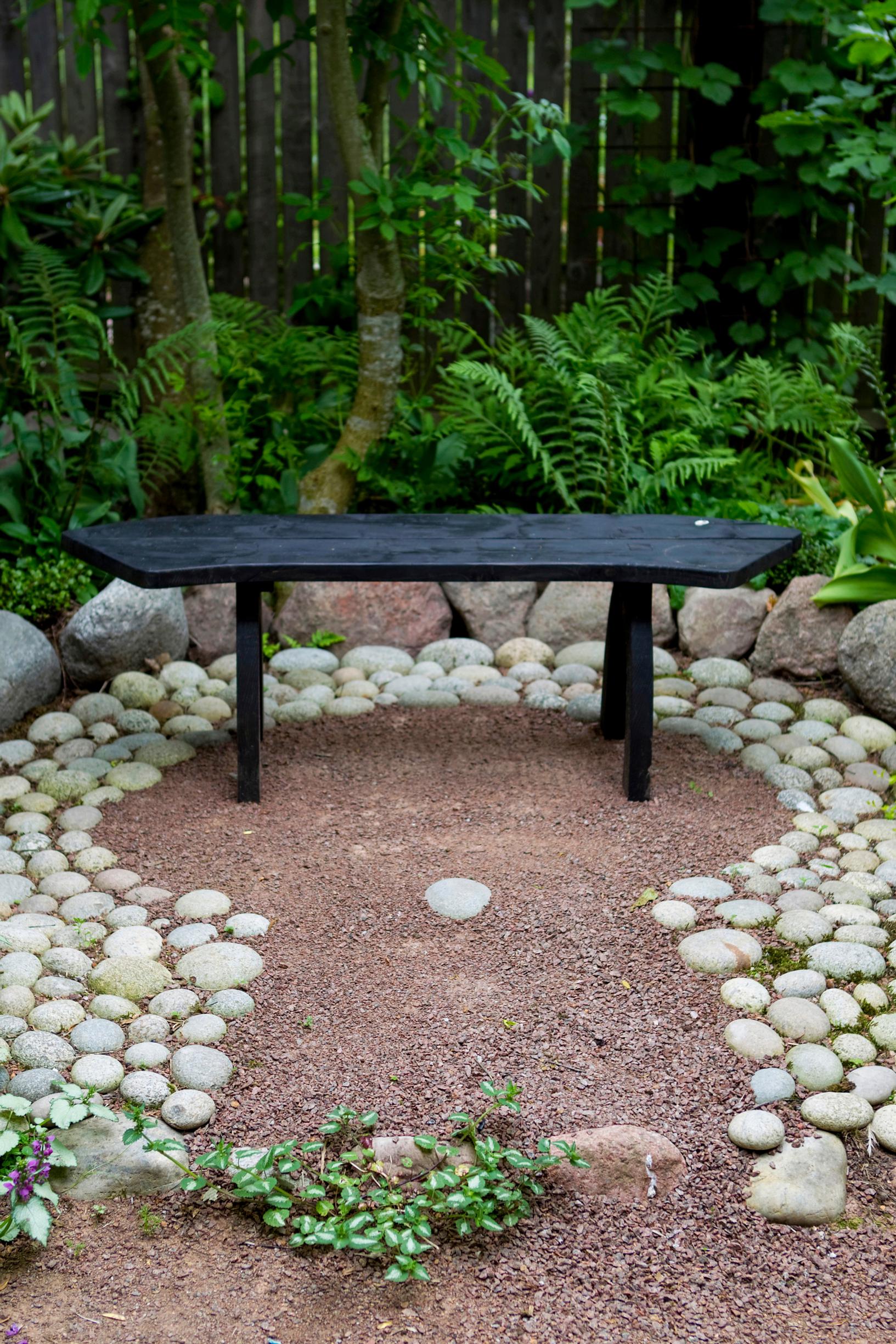
Credit: www.kotona.com
Choosing Materials
Picking the right material for garden stepping stones is important. It affects how the stones look and last.
Materials vary in cost, strength, and style. Choose one that fits your garden’s needs.
Natural Stone Options
Natural stones like slate, granite, and flagstone add a classic touch. They blend well with plants and soil.
These stones are strong and weather well. Each piece has unique colors and patterns for a natural look.
- Slate is smooth and easy to walk on
- Granite is very durable and hard
- Flagstone has flat, wide surfaces
Concrete And Cement Choices
Concrete stones are affordable and come in many shapes. You can paint or stamp patterns on them.
They are heavy and last a long time. Concrete can look modern or rustic depending on the finish.
- Plain concrete is simple and strong
- Stamped concrete mimics natural stone
- Colored concrete adds personality
Recycled And Upcycled Materials
Recycled materials help the environment. You can use broken tiles, old bricks, or glass pieces.
These materials create unique stepping stones with character. They also reduce waste.
- Broken tiles add color and texture
- Old bricks provide a rustic feel
- Glass pieces can sparkle in sunlight
Wood And Composite Stones
Wood stepping stones give a warm, natural look. Use treated wood to resist moisture and rot.
Composite stones mix wood and plastic. They last longer and need less care than pure wood.
- Wood works well in shaded, dry areas
- Composite stones are weather-resistant
- Both add a soft touch to gardens
Design Styles
Garden stepping stones add charm and function to outdoor spaces. Choosing a design style helps create a unique look.
Different styles suit various garden themes. Explore ideas to find the perfect stepping stones for your path.
Rustic And Natural Paths
Rustic stepping stones blend with nature. They often use rough edges and natural stone materials.
This style works well in gardens with wood, plants, and earthy colors. It feels peaceful and organic.
- Use stones with uneven shapes
- Choose colors like brown, gray, and green
- Add moss or small plants between stones
- Place stones irregularly for a natural look
Modern Geometric Patterns
Modern stones feature clean shapes and sharp lines. Circles, squares, and hexagons are common.
This style fits well in minimalist or urban gardens. It gives a neat and organized feel.
- Use uniform sizes and shapes
- Space stones evenly for pattern clarity
- Opt for neutral or monochrome colors
- Combine materials like concrete and metal
Whimsical And Artistic Stones
Whimsical stones show fun shapes and bright colors. They often feature creative designs or themes.
This style adds personality and charm. It works well in playful or themed gardens.
- Choose stones shaped like animals or flowers
- Paint stones with vibrant colors
- Mix different sizes and shapes freely
- Use hand-painted or carved designs
Mosaic And Colorful Designs
Mosaic stones use small pieces of tile, glass, or stone. They create colorful patterns and pictures.
This style brightens gardens and adds artistic flair. It fits well in creative and lively spaces.
- Combine different colors and textures
- Create patterns like flowers, shapes, or abstracts
- Use grout to hold mosaic pieces together
- Seal stones for durability in weather
Placement Tips
Garden stepping stones add beauty and functionality to your outdoor space. Proper placement ensures both safety and aesthetics.
Consider terrain and garden layout when positioning stones. This guides foot traffic and highlights garden features.
Creating Functional Walkways
Walkways should lead visitors through your garden. They connect different areas and provide access to key features.
- Plan the path direction and end points.
- Ensure stones are level for safe walking.
- Space stones evenly for a natural stride.
Highlighting Garden Features
Stepping stones can draw attention to specific garden areas. Use them to frame features like fountains or flower beds.
| Feature | Placement Tip |
| Fountain | Place stones in a circle around it |
| Flower Bed | Use stones to create an edge |
| Pond | Position stones to lead to the water |
Spacing And Layout Ideas
Proper spacing and layout enhance the garden’s appearance. They also make walking paths comfortable and inviting.

Visualize the path with a layout sketch before placing stones.
Integrating With Plants And Lighting
Blending stones with plants and lighting creates a cohesive look. Use low plants or ground covers between stones for texture.
- Install solar lights along the path for evening use.
- Choose plants that won’t overgrow and obstruct the path.
- Consider stone color that complements garden greenery.
Diy Stepping Stones
Creating your own garden stepping stones is a fun and easy project. You can add charm and personality to your outdoor space.
DIY stepping stones let you customize shapes, colors, and designs. This guide shares simple ideas and tips for making your own stones.
Basic Casting Techniques
Start by choosing a mold for your stepping stone. You can use plastic containers, old pans, or buy special molds.
Mix concrete or cement with water until you get a thick but pourable mix. Pour the mix into the mold and smooth the surface.
- Prepare your mold by greasing it lightly
- Pour concrete evenly to avoid air bubbles
- Tap the mold to release trapped air
- Let it dry for 24-48 hours before removing
Adding Personal Touches
Personalize your stones with items like glass beads, shells, or small tiles. Press them gently into the wet concrete.
You can also carve names, dates, or simple designs with a stick or tool before the stone dries.
- Use natural objects for a rustic look
- Write messages for a custom gift
- Mix small stones or gravel for texture
- Place metal or wooden shapes for patterns
Using Molds And Stencils
Molds shape your stepping stones easily. You can buy plastic or silicone molds in many designs.
Stencils help add patterns or letters. Place them on dry stones and paint over to create clear shapes.
- Choose molds in fun shapes like leaves or animals
- Use cardboard or plastic to make your own molds
- Secure stencils firmly to avoid paint bleeding
- Try layering stencils for complex designs
Painting And Sealing Tips
Use outdoor acrylic paints to decorate your stones. Let each color dry before adding another layer.
Seal your stones with a waterproof sealant. This protects colors and helps stones last longer outside.
- Choose bright colors for eye-catching stones
- Use small brushes for detailed work
- Apply two coats of sealant for better protection
- Let stones dry fully before placing in your garden
Maintenance And Care
Garden stepping stones add charm and function to your outdoor space. Proper care keeps them safe and looking good. Regular maintenance stops damage and wear.
Simple steps like cleaning and checking stones can extend their life. You can also prevent common problems like weeds and cracks.
Cleaning And Repairing Stones
Clean stepping stones often to avoid dirt build-up. Use a stiff brush and water for most stones. Avoid harsh chemicals that may damage them.
- Remove leaves and debris regularly
- Scrub moss or algae with a mix of water and mild soap
- Rinse stones well after cleaning
- For cracks, use outdoor stone filler or epoxy
- Replace stones that are severely damaged
Preventing Weed Growth
Weeds can grow between stones and cause them to shift. Stop weeds early to keep your path neat and safe.
| Method | Description |
| Mulching | Apply mulch between stones to block weed seeds |
| Weed Barrier Fabric | Lay fabric under stones to stop weed roots |
| Hand Pulling | Remove small weeds by hand regularly |
| Natural Herbicides | Use vinegar-based sprays carefully on weeds |
Seasonal Upkeep Advice
Seasonal changes affect your stones differently. Prepare them for weather shifts to avoid damage.
Follow this seasonal care guide:
- Spring:Clean stones and check for winter damage.
- Summer:Water nearby plants but avoid pooling water on stones.
- Fall:Clear fallen leaves and debris often.
- Winter:Avoid using salt for ice. Use sand for traction instead.

Credit: www.hgtv.com
Inspiration From Nature
Garden stepping stones add charm and personality to outdoor spaces. Nature offers many ideas to create unique and beautiful designs. Using natural elements can make stones blend well with the garden.
From leaves to animals, nature inspires many creative patterns. These ideas help you decorate stones with simple materials found around you.
Leaf And Flower Impressions
Leaves and flowers create lovely patterns on stepping stones. Press leaves or flowers into wet cement to leave natural impressions. Choose shapes with clear veins for best results.
- Use large leaves like maple or oak for bold designs
- Try small flowers for delicate, detailed patterns
- Mix different leaves and petals for variety
- Paint impressions with soft colors to highlight details
Incorporating Pebbles And Shells
Pebbles and shells add texture and color to garden stones. Place them on wet cement in patterns or random styles. These materials last long and suit beach or rock garden themes.
| Material | Best Use | Color Options |
| Pebbles | Paths and borders | Gray, white, black, brown |
| Shells | Coastal or tropical designs | White, cream, pastel shades |
| Mixed Pebbles and Shells | Creative mosaics | Varied natural tones |
Animal And Insect Motifs
Animal and insect shapes add charm and personality. Use stamps or hand-carve simple outlines into cement. Popular motifs include butterflies, bees, frogs, and birds.
- Choose creatures common in your garden
- Keep shapes simple for easy carving or stamping
- Use paint to add bright colors and details
- Combine motifs for a lively stepping stone path

Credit: www.therustyshovel.ca
Frequently Asked Questions
What Materials Are Best For Garden Stepping Stones?
Concrete, natural stone, and resin are popular materials for garden stepping stones. Concrete is durable and customizable. Natural stones like slate or flagstone blend well with outdoor spaces. Resin offers lightweight and decorative options. Choose based on style, durability, and budget preferences.
How Do I Install Garden Stepping Stones Correctly?
Prepare the ground by leveling and removing debris. Lay a sand or gravel base for stability. Place stones evenly with gaps for plant growth. Press stones firmly into the base. Fill gaps with soil or mulch to secure them.
Can Garden Stepping Stones Prevent Soil Erosion?
Yes, stepping stones reduce foot traffic on soil, minimizing compaction. They help direct water flow, preventing runoff. Proper placement stabilizes soil and protects plants. Using stepping stones is an effective way to control erosion in garden paths.
How Do I Decorate Plain Garden Stepping Stones?
Use paint, mosaics, or stamps to add designs. Incorporate natural elements like pebbles or shells. Seal painted stones to protect from weather. Personalize stones with names, quotes, or patterns for a unique look.
Conclusion
Garden stepping stones bring charm and function to any yard. They create clear paths and add style easily. Choose shapes and colors that match your space. Use stones to guide visitors through flower beds or grassy areas. Simple designs work well for most gardens.
Personal touches make your garden feel special and inviting. Enjoy crafting a path that suits your taste and needs. Stepping stones make outdoor spaces more beautiful and practical. Start planning your garden path today and watch it come alive.