




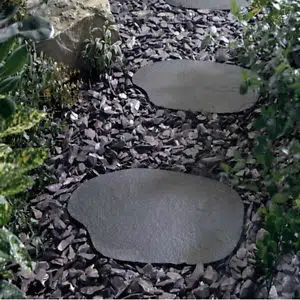
Are you looking to add charm and functionality to your garden? Stone stepping stones for garden paths could be the perfect solution.
They not only make walking through your garden easier but also create a beautiful, natural look that invites you to explore every corner. Imagine stepping from one stone to the next, feeling connected to nature while protecting your grass and plants.
You’ll discover how to choose the right stones, design your path, and bring a fresh, stylish touch to your outdoor space. Keep reading, and soon your garden will become a place you love to walk through every day.
Credit: paveworld.ca
Choosing The Right Stone
Stone stepping stones add beauty and function to garden paths. Picking the right stone helps your path last longer and look great.
Think about stone types, how strong they are, and their colors and textures before buying.
Types Of Stones
Different stones have different looks and uses. Some are flat and smooth, others are rough and natural.
- Slate: Thin and smooth, easy to walk on
- Limestone: Light color, soft texture
- Sandstone: Grainy feel, warm tones
- Granite: Hard and durable, many colors
- Flagstone: Large, flat, natural shapes
Durability And Weather Resistance
Choose stones that stand up to rain, sun, and cold. Some stones crack or fade over time.
Granite and slate are very strong and last many years. Limestone and sandstone may wear faster in wet places.
- Granite: Very durable, resists weather well
- Slate: Durable, handles moisture
- Limestone: Softer, can erode in heavy rain
- Sandstone: Can break down in harsh weather
- Flagstone: Varies by type, usually good
Color And Texture Options
Stone colors and textures change how your garden path looks. Pick colors that fit your garden style.
Textures can be smooth or rough. Rough stones give a natural feel. Smooth stones are easy to clean.
- Colors: Gray, brown, red, green, and tan
- Textures: Smooth, grainy, rough, layered
- Mix colors for a natural, varied look
- Match textures to your garden design
Design Ideas For Garden Paths
Stone stepping stones can transform your garden path into a beautiful journey. They offer a natural look and feel, blending seamlessly with the landscape.
Choose designs that fit your garden’s theme and your personal style. Here are some ideas to inspire your path creation.
Curved Vs Straight Paths
Curved paths create a sense of mystery and exploration. They lead the eye and encourage slow, thoughtful walking.
Straight paths offer a direct route and a formal look. They can make small gardens appear longer and more structured.
- Curved paths are best for relaxed, informal gardens
- Straight paths suit formal, geometric garden designs
- Mix both styles for a balanced look
Combining Stones With Plants
Using plants alongside stepping stones adds life and color to your paths. It helps the stones blend into the garden naturally.
Consider plants that are low-growing and won’t cover the stones. This keeps the path clear and easy to walk on.
- Use moss for a soft, green touch
- Plant thyme for a fragrant path
- Choose succulents for a drought-tolerant option
Creating Patterns And Layouts
Patterns and layouts add interest to your garden path. They can be simple or complex, depending on your taste.
Try different shapes and sizes of stones to create unique designs. Patterns can be regular or random, each offering a different look.
| Pattern Type | Effect |
| Checkerboard | Formal and structured |
| Random | Natural and relaxed |
| Spiral | Intriguing and artistic |
Preparing Your Garden Path
Creating a beautiful garden path with stone stepping stones starts with good preparation. Taking time to prepare the path ensures a smooth and lasting walkway.
Follow simple steps to measure, mark, and prepare the soil before placing your stones.
Measuring And Marking The Path
Measure the length and width of the path where you want to place the stepping stones. Use a tape measure to get accurate dimensions.
Mark the path edges with spray paint or stakes and string. This helps guide where to place the stones.
- Use a tape measure for exact length and width
- Mark edges clearly with paint or stakes
- Keep the path wide enough for easy walking
- Plan the stone spacing for comfort
Soil Preparation
Clear the path area of grass, weeds, and debris. This makes a clean base for your stones.
Loosen the soil to a depth of about 4 to 6 inches. This helps the stones settle evenly.
- Remove all plants and roots from the path
- Dig and loosen soil 4 to 6 inches deep
- Add a layer of sand or gravel for drainage
- Level the surface to avoid uneven stones
Tools And Materials Needed
Gather the right tools and materials before starting. This helps the work go smoothly.
- Tape measure to measure the path
- Spray paint or stakes and string for marking
- Shovel and garden fork to clear and loosen soil
- Level to check flatness of the path
- Sand or gravel for a stable base
- Stone stepping stones of your choice
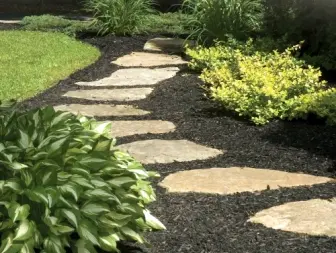
Credit: livingstonfarm.com
Installing Stone Stepping Stones
Stone stepping stones add charm and function to garden paths. They guide you through the garden and protect plants from foot traffic.
Installing these stones correctly helps keep them stable and safe. Follow simple steps to create a strong, lasting path.
Laying A Solid Base
Start by digging shallow holes where each stone will go. The holes should be slightly bigger than the stones.
Add a layer of gravel or sand at the bottom. This helps with drainage and keeps the stones from shifting.
- Dig holes about 2-3 inches deep
- Fill with 1-2 inches of gravel or sand
- Compact the base layer firmly
Positioning The Stones
Place the stones on the prepared base. Arrange them so they feel natural and comfortable to walk on.
Space the stones so your steps fit well. The distance depends on your stride length and path design.
- Test the stone positions by walking on them
- Adjust spacing to match your step size
- Keep the path visually balanced and easy to follow
Leveling And Securing
Check each stone’s level with a small spirit level or by eye. Make sure stones sit flat and steady.
Add or remove base material under stones to fix height or tilt. Press stones down firmly to lock them in place.
- Use a rubber mallet to tap stones down
- Fill gaps around stones with soil or sand
- Water the area to settle the base
Maintenance Tips
Stone stepping stones add charm to garden paths. Regular care keeps them looking good and safe.
Simple maintenance helps stones last longer and prevents damage.
Cleaning Techniques
Clean stones often to remove dirt and moss. Use gentle tools and water for best results.
A soft brush and mild soap can clear tough stains without harming the stone.
- Rinse stones with water first
- Scrub gently with a soft brush
- Use mild soap if needed
- Rinse off soap completely
- Let stones dry before use
Repairing Damaged Stones
Check stones for cracks or chips regularly. Fix small damage to avoid bigger problems.
Use stone filler or epoxy for small cracks. Replace stones if damage is severe.
- Clean the damaged area
- Apply stone filler carefully
- Let filler dry fully
- Sand smooth if needed
- Replace stones that are unsafe
Preventing Weed Growth
Weeds can grow between stones and spoil the path. Stop weeds early for easier care.
Use barriers or natural weed killers to keep weeds away from stones.
- Lay landscape fabric under stones
- Fill gaps with gravel or sand
- Pull weeds as soon as they appear
- Apply natural vinegar solution to weeds
- Avoid harsh chemicals near plants

Credit: najga.org
Enhancing Your Pathway
Frequently Asked Questions
What Are Stone Stepping Stones For Garden Paths?
Stone stepping stones are flat, durable stones used to create walkways in gardens. They add natural beauty and guide foot traffic while protecting plants and soil from damage.
How To Choose The Best Stone For Garden Stepping Stones?
Choose stones that are sturdy, slip-resistant, and fit your garden’s style. Common options include flagstone, slate, and granite, which offer durability and aesthetic appeal.
How To Install Stone Stepping Stones In A Garden Path?
Place stones on leveled ground, ensuring even spacing. Dig shallow holes, set stones firmly, and fill gaps with soil or gravel for stability and a natural look.
Can Stone Stepping Stones Prevent Garden Soil Erosion?
Yes, stepping stones reduce soil erosion by directing foot traffic and minimizing soil disturbance. They protect delicate plants and maintain garden structure during wet conditions.
Conclusion
Stone stepping stones add charm and function to any garden path. They guide your steps and protect plants from being crushed. Choose stones that match your garden style and space. Place them evenly for easy walking and a neat look.
With care, they last many seasons and need little upkeep. Simple, natural, and practical—stone stepping stones make your garden inviting and easy to explore. Try them to enjoy a lovely, safe path every day.