




Are you tired of struggling with heavy, awkward garden tools that make your work harder than it should be? The Sling Blade Garden Tool could be the game-changer your garden needs.
Designed to make cutting through thick grass, weeds, and brush easier, this tool puts power and precision right in your hands. Imagine finishing your yard work faster, with less effort, and even enjoying the process. Keep reading to discover how the Sling Blade can transform your gardening experience and become your new favorite tool.
Credit: medium.com
Sling Blade Design
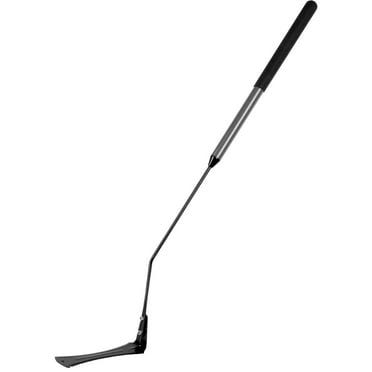
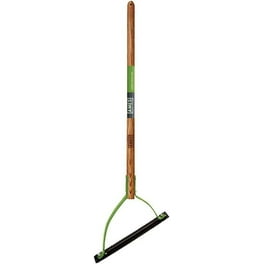
The sling blade is a garden tool used to cut grass and brush. It has a unique design that makes it effective for clearing thick vegetation.
The design focuses on the blade shape, handle construction, and how well the tool balances. Each part helps the user work with less effort.
Blade Shape And Material
The blade of a sling blade is usually curved and sharp on one or both edges. This shape helps to cut through thick grass and brush smoothly.
Most blades are made of strong, durable steel. This material stays sharp longer and can handle rough use in the garden or field.
- Curved blade for effective cutting
- Sharp edges on one or both sides
- Made from high-quality steel
- Durable and resistant to wear
Handle Construction
The handle is usually made from wood or fiberglass. It is long to give the user good reach and control during cutting.
Wood handles offer a natural grip and are easy to replace. Fiberglass handles are light and more resistant to damage.
- Long handles improve reach
- Wood handles provide a firm grip
- Fiberglass handles are lightweight
- Handles designed for comfort and control
Weight And Balance
Good weight and balance make the sling blade easier to use. The tool must not feel too heavy or awkward in the hand.
A well-balanced sling blade helps reduce user fatigue. The weight is often centered near the blade for better control and cutting power.
- Balanced weight for better control
- Not too heavy to avoid fatigue
- Weight usually centered near the blade
- Helps deliver powerful, smooth cuts
Credit: www.walmart.com
Uses In Yard Work
The sling blade garden tool is versatile for yard work. It helps in clearing dense vegetation effectively.
Learn how to use it for different tasks like cutting brush, clearing grass, and trimming branches.
Cutting Thick Brush
The sling blade is excellent for cutting thick brush. Its sharp blade cuts through dense shrubs easily.
- Hold the tool firmly with both hands.
- Use a swinging motion to cut the brush at the base.
- Clear small areas at a time for best results.
Clearing Tall Grass
For tall grass, the sling blade offers precision. It cuts grass quickly, leaving a clean area.
| Task | Recommended Action |
| Dense Grass | Use a back-and-forth motion |
| Sparse Areas | Focus on individual clumps |
| Edges | Trim carefully along borders |
Trimming Small Branches
Trimming small branches is simple with a sling blade. It slices through thin branches efficiently.
Efficiency Benefits
The Sling Blade garden tool helps you work faster and easier in the yard. It improves your gardening tasks by saving time and effort.
Using the right tool can make a big difference in how well and how quickly you finish your work.
Time-saving Features
The Sling Blade cuts through grass and weeds quickly. Its sharp blade and long handle let you cover more ground fast.
This tool lets you work without bending over much. It helps you finish tasks in less time than hand tools.
- Sharp blade for fast cutting
- Long handle for wide reach
- Easy to swing and use
Reduced Physical Strain
The Sling Blade reduces back and arm pain by letting you stand while cutting. It lowers the need to bend or squat.
Its balanced weight and design make it easier to control. You feel less tired after working in the garden.
- Stand upright while working
- Less bending and squatting
- Balanced design reduces effort
Versatility In Tasks
The Sling Blade works well for many garden jobs. You can cut grass, clear weeds, and trim small branches.
This tool suits different yard types and plants. It handles thick and thin vegetation with ease.
- Cut grass and weeds
- Trim small branches
- Use in different garden areas

Credit: www.amazon.ca
Safety Tips
Using a Sling Blade garden tool requires care to avoid injury. Follow safety tips to protect yourself and others.
Understanding how to handle the tool, wear the right gear, and maintain it can keep your work safe and easy.
Proper Handling Techniques
Hold the Sling Blade firmly with both hands. Keep a steady grip to control the tool while cutting.
Use smooth, controlled swings. Avoid overreaching or swinging wildly to prevent accidents.
- Stand with feet shoulder-width apart for balance
- Always cut away from your body
- Keep others at a safe distance
- Do not use the tool if you feel tired or distracted
Protective Gear Recommendations
Wear gloves to protect your hands from blisters and cuts. Choose gloves with good grip.
Eye protection is important. Use safety glasses to guard against flying debris.
- Wear long sleeves and long pants to avoid scratches
- Use closed-toe shoes with good traction
- Consider ear protection if working near loud equipment
Maintenance For Safe Use
Keep the Sling Blade blade sharp and clean for safe cutting. Dull blades cause accidents.
Check the handle for cracks or loose parts. Replace or fix any damage before use.
- Clean the blade after each use to prevent rust
- Oil moving parts to keep them working smoothly
- Store the tool in a dry place out of reach of children
Comparison With Other Tools
The Sling Blade is a popular garden tool used for cutting thick grass and brush. It works well for outdoor cleanup and yard work. There are other tools that gardeners use for similar jobs.
Comparing the Sling Blade with other tools helps you choose the right one for your needs. We look at how it stands against the machete and hedge trimmer. We also check its cost and durability.
Sling Blade Vs. Machete
The Sling Blade has a long, curved blade with a handle for swinging wide cuts. The machete has a straight blade and is lighter to carry. Both cut brush but work in different ways.
The Sling Blade cuts thick grass and small branches more easily. The machete is better for chopping through thinner plants and vines. It is easier to control for detailed work.
- Sling Blade: Good for broad, sweeping cuts
- Machete: Good for precise chopping and slicing
- Sling Blade: Heavier and stronger
- Machete: Lightweight and easier to carry
Sling Blade Vs. Hedge Trimmer
The Sling Blade is a manual tool that cuts brush by swinging. A hedge trimmer uses powered blades to cut hedges quickly. Each tool suits different gardening jobs.
The Sling Blade works well for rough areas with thick brush. The hedge trimmer is best for shaping bushes and trimming small branches. The trimmer needs power or batteries.
- Sling Blade: Manual, no power needed
- Hedge Trimmer: Powered, faster cutting
- Sling Blade: Good for rough, thick brush
- Hedge Trimmer: Best for neat trimming
Cost And Durability
The Sling Blade is usually less expensive than powered tools like hedge trimmers. It has few parts that can break. This makes it last a long time with care.
Hedge trimmers cost more and need maintenance like charging or gas. Machetes are often cheaper but can wear out faster depending on use. Sling Blades are strong and built for heavy work.
| Tool | Cost | Durability |
|---|---|---|
| Sling Blade | Low to moderate | High, lasts many years |
| Machete | Low | Moderate, may dull fast |
| Hedge Trimmer | High | Moderate, needs upkeep |
Maintenance And Care
Taking care of your Sling Blade garden tool helps it last longer. Proper maintenance keeps the blade sharp and safe to use.
Regular cleaning, sharpening, and storing in the right way protect the tool from damage. This guide shows simple care steps.
Cleaning The Blade
Clean the blade after each use to remove dirt and sap. This stops rust and keeps the blade sharp.
Use a cloth or brush with warm, soapy water. Dry the blade well to avoid moisture buildup.
- Wear gloves to protect your hands
- Use a stiff brush for stuck dirt
- Wipe blade dry with a clean cloth
- Apply light oil to prevent rust
Sharpening Techniques
Keep the Sling Blade sharp for easier cutting. Dull blades make work harder and less safe.
Use a flat file or sharpening stone to sharpen the blade. Follow the blade’s edge angle to maintain shape.
- Secure the blade before sharpening
- File in one direction along the edge
- Check sharpness by feeling the edge carefully
- Clean the blade after sharpening
Storage Suggestions
Store the Sling Blade in a dry place to stop rust and damage. Avoid leaving it outside or on the ground.
Hang the tool or keep it in a toolbox with the blade covered. This keeps it safe and ready for use.
- Use a blade guard or sheath if available
- Keep the tool away from moisture
- Store out of reach of children
- Check tool regularly for damage
Choosing The Right Sling Blade
A sling blade is a useful garden tool for cutting thick grass and small branches. Picking the right one helps you work better and safer.
Consider size, brand, and budget before buying a sling blade. These factors affect how well the tool fits your needs.
Size Options
Sling blades come in different sizes for various tasks. Choose a size based on your garden work and comfort.
- Short blades (12-16 inches) are easier to handle and good for light trimming.
- Medium blades (16-20 inches) offer a balance for cutting thick grass and small branches.
- Long blades (20+ inches) give more reach and power but can be harder to control.
Brand Recommendations
Some brands are known for making strong and reliable sling blades. Choosing a trusted brand ensures good quality and safety.
- Brands with sharp, durable blades last longer and cut better.
- Look for brands offering comfortable handles to reduce hand strain.
- Check if the brand provides replacement parts or warranties for peace of mind.
Budget Considerations
Sling blades come in a range of prices. Think about how often you will use it and what features you need.
- Lower-cost options work well for occasional use and light jobs.
- Mid-range blades balance price and durability for regular garden work.
- High-end blades may offer better materials and comfort for heavy use.
Frequently Asked Questions
What Is A Sling Blade Garden Tool Used For?
A Sling Blade is used to cut thick grass, weeds, and small brush. It works well for clearing overgrown areas and maintaining gardens. Its sharp, curved blade allows for efficient slashing motions, making yard work faster and easier.
How Do I Safely Use A Sling Blade?
Hold the Sling Blade firmly with both hands. Swing it in a controlled, sweeping motion to cut vegetation. Always wear gloves and eye protection. Keep your footing stable and clear the area of obstacles before starting work.
What Materials Is A Sling Blade Made From?
Sling Blades typically have a high-carbon steel blade for sharpness and durability. The handle is usually made of wood or fiberglass for a comfortable grip. This combination ensures strength and long-lasting performance in outdoor tasks.
Can A Sling Blade Replace A Lawn Mower?
No, a Sling Blade is not a lawn mower substitute. It is better for clearing thick brush and tall grass in rough terrain. Lawn mowers are ideal for regular, even grass cutting on smooth lawns.
Conclusion
The Sling Blade Garden Tool makes yard work easier and faster. It cuts through thick brush and small trees with ease. You can handle tough garden jobs without much effort. Its simple design helps you work safely and comfortably. Many gardeners trust this tool for clearing land and trimming.
Choose the Sling Blade for reliable and strong performance. It is a helpful tool for any garden or yard. Try it to see how it improves your outdoor work. A good tool saves time and energy. The Sling Blade fits that need well.