




Are you ready to grow a thriving vegetable garden but unsure if your soil is up to the task? The secret to a bountiful harvest starts right beneath your feet.
A soil test kit for your vegetable garden can reveal exactly what your soil needs to help your plants flourish. Imagine knowing the perfect balance of nutrients and pH levels tailored just for your garden. This simple step can save you time, money, and frustration while boosting your crop yield.
Keep reading to discover how a soil test kit can transform your garden and make your veggies healthier and more abundant than ever before.
Why Soil Testing Matters
Testing soil in your vegetable garden helps you know what it needs. It shows the nutrients and pH level of the soil.
Good soil gives plants the right food to grow strong and healthy. Without testing, you might miss important problems.
Impact On Vegetable Growth
Soil testing helps you give plants the right nutrients. Plants grow better if they get the right balance of minerals.
Healthy soil means bigger vegetables and more harvest. You can avoid wasting time and money on wrong fertilizers.
Common Soil Problems
Soil can have problems like low nutrients, wrong pH, or poor drainage. These problems hurt plant growth.
- Low nitrogen causes yellow leaves and slow growth
- Too much acid or alkaline soil stops nutrient absorption
- Poor drainage makes roots rot and plants weak
- High salt levels can burn young plants
Types Of Soil Test Kits
Understanding soil health is vital for a thriving vegetable garden. Soil test kits help determine nutrients and pH levels.
Different types of soil test kits are available. Each offers unique methods and benefits for gardeners.
Chemical Test Kits
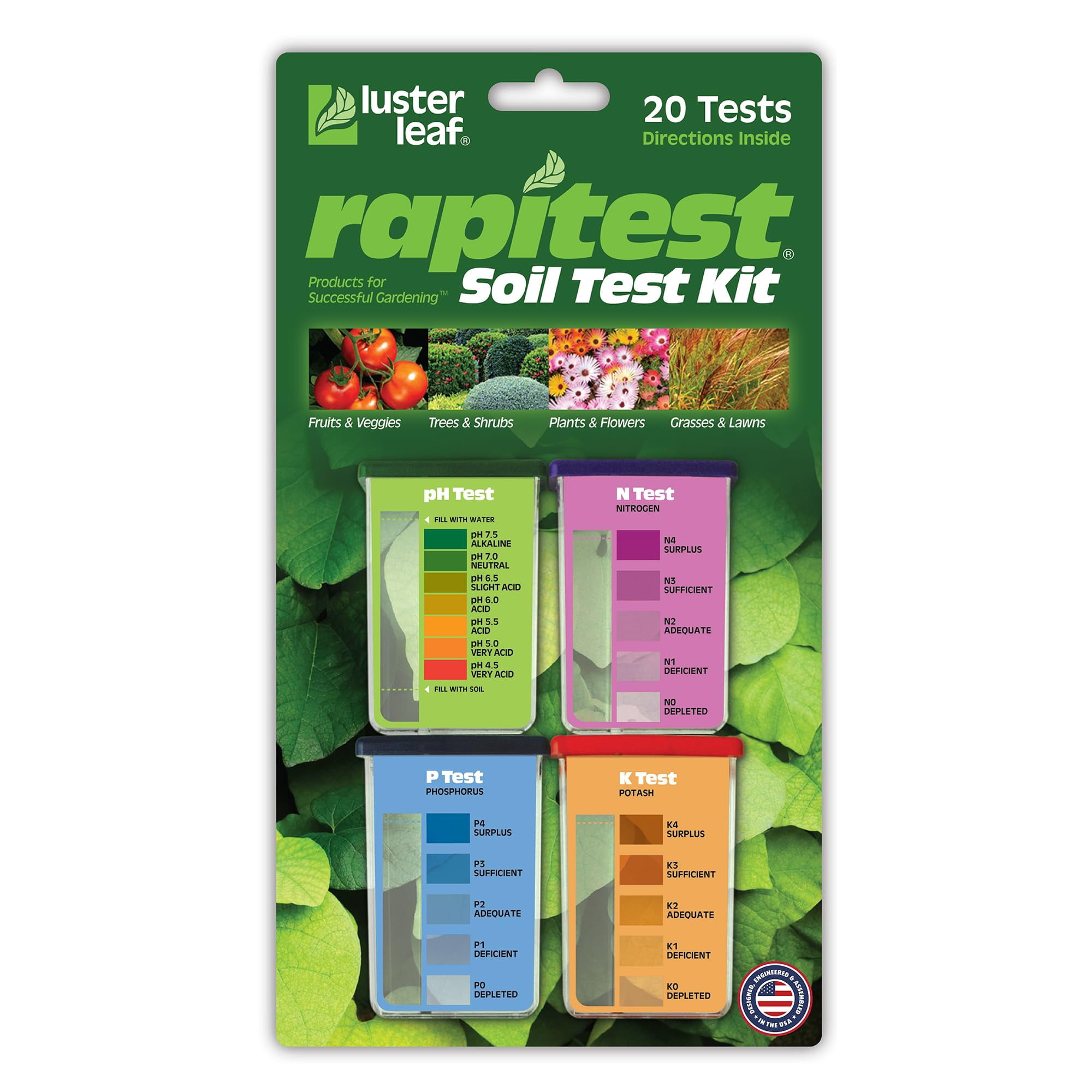
Chemical test kits are popular for their affordability and ease of use. These kits use color-changing chemicals to show results.
- Simple to use with clear instructions
- Test results are visible through color changes
- Ideal for testing pH, nitrogen, phosphorus, and potassium
Digital Soil Testers
Digital soil testers offer quick and accurate readings. They use sensors to measure moisture, pH, and other factors.
| Feature | Benefit |
| Instant Readout | No waiting for results |
| Portable | Easy to carry in the garden |
| Multi-functionality | Measures various factors |
Professional Lab Testing
Professional lab testing provides detailed soil analysis. It is suitable for those seeking comprehensive insights into soil health.
Sample Collection Tips:
- Collect soil from multiple spots in your garden.
- Ensure samples are dry before sending to the lab.
- Label samples with location and date for reference.
Choosing The Right Kit
Testing your garden soil helps grow healthy vegetables. A soil test kit shows what your soil needs. Choosing the right kit saves time and money.
There are many kits available. It is important to pick one that fits your garden and goals. Think about what matters most before buying.
Factors To Consider
Look for these key points when choosing a soil test kit:
- Types of nutrients tested
- Ease of use
- Speed of results
- Kit reviews and reliability
- Support and instructions
Budget And Accuracy
Soil test kits vary in price and precision. Some kits cost less but give basic data. Others cost more and provide detailed results.
| Price Range | What You Get | Best For |
|---|---|---|
| Under $20 | Basic nutrient levels, pH | Small gardens, quick checks |
| $20 – $50 | More nutrients, color charts | Home gardeners, moderate detail |
| Over $50 | Detailed analysis, lab-quality | Large gardens, serious growers |

Credit: www.amazon.ca
How To Use A Soil Test Kit
Testing soil helps you understand its health for your vegetable garden.
A soil test kit shows nutrient levels and pH balance. This guide explains how to use it.
Collecting Soil Samples
Collect soil samples from different garden spots to get an average reading.
- Use a clean trowel or shovel to dig 4-6 inches deep.
- Take soil from 5-10 locations in the garden.
- Mix samples in a clean container.
- Remove roots, stones, and debris.
- Allow soil to dry if it is wet before testing.
Performing The Test
Follow the kit instructions carefully to get accurate results.
- Fill the test container with the mixed soil sample.
- Add the testing solution or tablets as directed.
- Shake or stir the mixture to combine well.
- Wait the recommended time for the reaction.
- Compare the color or reading with the kit chart.
Interpreting Results
Use the chart to understand soil pH and nutrient levels.
| Soil Property | Low | Optimal | High |
| pH Level | Below 6.0 | 6.0 – 7.0 | Above 7.0 |
| Nitrogen | Less than 10 ppm | 10 – 50 ppm | More than 50 ppm |
| Phosphorus | Less than 15 ppm | 15 – 40 ppm | More than 40 ppm |
| Potassium | Less than 100 ppm | 100 – 200 ppm | More than 200 ppm |
Adjust your soil care based on these results for better vegetable growth.
Key Soil Nutrients For Vegetables
Healthy soil is essential for growing strong vegetables. Testing your soil helps you know what it needs.
Key nutrients affect how well your plants grow and produce food. Learn about the main soil nutrients below.
Nitrogen
Nitrogen helps plants grow leaves and stems. It is important for leafy vegetables like lettuce and spinach.
Phosphorus
Phosphorus supports root growth and flower development. It helps vegetables produce fruits and seeds.
Potassium
Potassium strengthens plants and helps resist disease. It also improves the taste and quality of vegetables.
- Improves water use
- Boosts plant immunity
- Enhances fruit quality
Ph Levels
Soil pH measures how acidic or alkaline the soil is. Most vegetables grow best in a pH range of 6 to 7.
| pH Level | Effect on Vegetables |
| Below 6 | Soil is acidic; some nutrients become less available |
| 6 to 7 | Ideal for most vegetables; nutrients are easy to absorb |
| Above 7 | Soil is alkaline; some nutrients may be locked up |
Micronutrients
Micronutrients like iron, zinc, and manganese are needed in small amounts. They help plants stay healthy and grow well.
Micronutrients support:
- Enzyme function
- Chlorophyll production
- Plant metabolism

Credit: www.amazon.ca
Improving Soil Based On Test Results
Testing your soil helps you learn what it needs. You can add the right things to help your vegetables grow well.
Use your soil test results to make smart changes. This keeps your garden healthy and productive.
Adjusting Ph
Soil pH affects how plants get nutrients. Most vegetables grow best with a pH between 6.0 and 7.0.
If your soil is too acidic, add lime. If it is too alkaline, add sulfur to lower the pH.
- Test soil pH first with your kit.
- Add lime to raise pH for acidic soil.
- Add sulfur to lower pH for alkaline soil.
- Retest after a few weeks to check changes.
Adding Fertilizers And Amendments
Soil tests show nutrient levels like nitrogen, phosphorus, and potassium. These are key for plant growth.
Add fertilizers or organic matter to fix nutrient gaps. This helps plants grow strong and healthy.
- Use nitrogen for leafy growth.
- Add phosphorus for root and flower development.
- Apply potassium for fruit quality and disease resistance.
- Mix compost or manure to improve soil texture.
Organic Vs. Synthetic Options
You can choose organic or synthetic products to improve your soil. Both have benefits and drawbacks.
Organic options improve soil life and structure. Synthetic fertilizers act faster but may harm soil health over time.
- Organic: compost, manure, bone meal, kelp.
- Synthetic: chemical NPK fertilizers, lime, sulfur.
- Organic improves soil slowly and lasts longer.
- Synthetic gives quick nutrient boosts.
- Choose based on your garden needs and values.
Maintaining Healthy Soil
Healthy soil is key for growing strong vegetables. It provides nutrients and support for plants.
Using a soil test kit helps you understand your soil’s needs. This way, you can keep it balanced and fertile.
Regular Testing Schedule
Test your soil before planting each season. This shows what nutrients are low or high.
Check pH levels and nutrient content regularly. This helps prevent problems early on.
- Test soil in early spring and late fall
- Repeat tests every 1-2 years
- Adjust fertilizer use based on results
Crop Rotation And Cover Crops
Change where you plant vegetables each year. This stops pests and diseases from building up.
Plant cover crops in empty beds. They protect soil and add nutrients back.
- Rotate crops by family to reduce pests
- Use legumes as cover crops to add nitrogen
- Cover crops prevent soil erosion and weeds
Mulching And Composting
Mulch keeps soil moist and cool. It also stops weeds from growing.
Compost adds organic matter and nutrients. It improves soil texture and health.
- Use straw, leaves, or grass clippings for mulch
- Apply mulch 2-3 inches thick around plants
- Add compost yearly to enrich the soil
Common Mistakes To Avoid
Using a soil test kit for your vegetable garden can help you grow healthy plants. Many gardeners make mistakes that stop them from getting the best results.
Knowing what to avoid will save time and effort. Here are common errors to watch out for when testing your soil.
Ignoring Test Results
Some gardeners do the soil test but ignore the results. This mistake wastes the effort spent collecting and sending samples.
Test results tell you what nutrients your soil needs and its pH level. Ignoring these details can lead to poor plant growth.
Over-fertilizing
Adding too much fertilizer is a common error after seeing low nutrient levels. Over-fertilizing can harm plants and soil life.
- Too much nitrogen can burn plant roots.
- Excess phosphorus may cause nutrient imbalance.
- Overuse of fertilizers pollutes water and soil.
Poor Sampling Techniques
Taking soil samples incorrectly gives wrong results. Good sampling is key for an accurate soil test.
| Sampling Mistake | Effect on Test |
|---|---|
| Taking samples from only one spot | Does not represent whole garden soil |
| Using dirty tools | Contaminates the sample |
| Mixing soil from different depths | Skews nutrient readings |
| Not removing debris or stones | Leads to inaccurate analysis |
Credit: www.walmart.com
Frequently Asked Questions
What Is A Soil Test Kit For Vegetable Gardens?
A soil test kit helps measure nutrient levels and pH in garden soil. It guides proper fertilization and improves vegetable growth. Testing ensures soil has the right balance for healthy plants and higher yields.
How Do I Use A Soil Test Kit Correctly?
Collect soil samples from different garden spots. Mix them and follow the kit instructions to test pH and nutrients. Use the results to adjust soil nutrients or pH as needed for optimal vegetable growth.
Why Is Soil Testing Important For Vegetable Gardens?
Soil testing identifies nutrient deficiencies and pH imbalances. This helps prevent poor plant growth and low yields. It ensures vegetables get the right nutrients for healthy roots, leaves, and fruits.
How Often Should I Test Soil In My Garden?
Test your soil at least once a year, preferably before planting season. Regular testing helps track nutrient changes and soil health. It allows timely adjustments to support strong vegetable growth.
Conclusion
Testing your soil helps your vegetables grow healthy and strong. A soil test kit shows what nutrients your garden needs. It saves time and money by guiding your care. Knowing your soil’s condition avoids common gardening mistakes. Healthy soil means better plants and more tasty vegetables.
Start testing today to see your garden thrive. Simple steps bring great results. Soil testing is a smart choice for every gardener.