

Are you ready to grow your own fresh veggies but don’t know where to start? A Veggie Garden Starter Kit can make planting easy and fun, even if you’ve never gardened before.
Imagine picking ripe tomatoes, crunchy carrots, or sweet peppers right from your backyard or balcony. This kit gives you everything you need to turn that dream into reality. Keep reading to discover how you can create a thriving veggie garden with simple steps and the right tools—your green thumb is closer than you think!
Choosing The Right Location
Picking the right spot for your veggie garden starter kit is key for plant growth. The location affects sunlight, soil, and space.
Good location helps plants grow healthy and produce more vegetables. Think about sunlight, soil quality, and space before planting.
Sunlight Requirements
Most vegetables need at least six hours of direct sunlight daily. Sunlight helps plants make food and grow strong.
Choose a spot with full sun if possible. Avoid shady areas near trees or buildings that block light.
- Full sun: 6 to 8 hours of direct light
- Partial sun: 3 to 6 hours of light
- Shade: Less than 3 hours of sun
Soil Quality And Preparation
Healthy soil helps plants get water and nutrients. Good soil drains well and feels loose, not hard.
Test soil by digging a small hole. Add compost or organic matter to improve soil if needed.
- Check soil pH: Most veggies like 6.0 to 7.0
- Mix in compost for better nutrients
- Remove rocks and weeds before planting
Space Considerations
Give plants enough space to grow leaves and roots. Crowded plants compete for water and nutrients.
Follow the spacing guide on your veggie kit. Leave room between rows for air and easy care.
- Small plants: 6 to 12 inches apart
- Larger plants: 18 to 24 inches apart
- Leave 2 to 3 feet between rows

Credit: www.amazon.com
Essential Tools And Supplies
Starting a veggie garden is exciting. You need the right tools and supplies. With the proper equipment, you can grow healthy plants.
This guide will help you gather the essentials. Let’s explore the tools and supplies needed for a successful veggie garden.
Basic Gardening Tools
Basic gardening tools are necessary for planting and maintaining your garden. They help with digging, pruning, and harvesting.
- Shovel
- Rake
- Pruning shears
- Garden gloves
- Hand trowel
Containers And Raised Beds
Containers and raised beds are perfect for growing veggies in small spaces. They provide good soil drainage and keep pests away.
| Type | Benefits |
| Containers | Portable and space-saving |
| Raised Beds | Better soil control |
Watering Equipment
Watering equipment ensures your plants receive the right amount of water. Consistent watering helps plants grow strong and healthy.
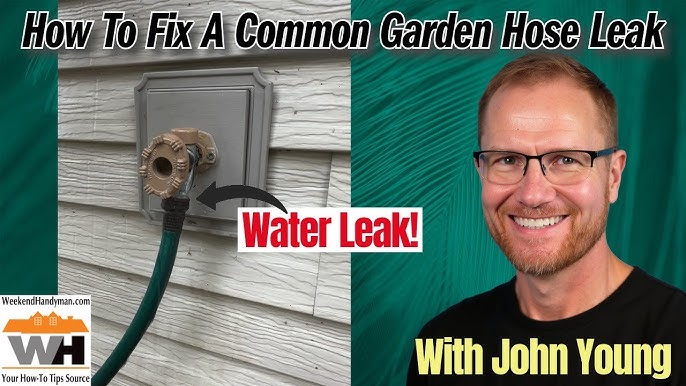
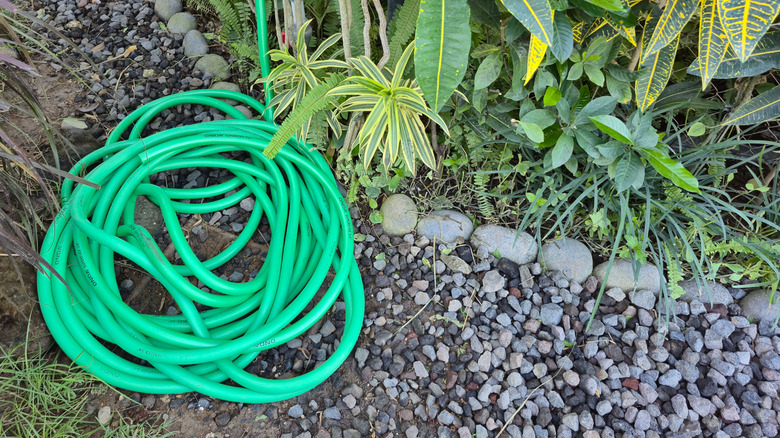
Consider using a soaker hoseor drip irrigation systemfor efficient watering.
Selecting Easy-to-grow Vegetables
Starting a veggie garden can be fun and rewarding. Choose vegetables that grow well with little care.
Easy-to-grow vegetables help beginners enjoy success and learn gardening basics.
Best Veggies For Beginners
Pick vegetables that sprout quickly and need less attention. They will build your confidence.
- Lettuce grows fast and can be harvested multiple times.
- Radishes mature in about a month and are very easy.
- Green beans climb and produce many pods.
- Zucchini grows quickly and gives large yields.
- Carrots need loose soil but are simple to grow.
Seasonal Planting Guide
Plant vegetables in the right season for better growth. Some veggies like cool weather, others like warmth.
Follow this simple guide to plant at the best time in your garden.
| Season | Vegetables to Plant |
|---|---|
| Spring | Lettuce, Radishes, Carrots |
| Summer | Zucchini, Green Beans, Tomatoes |
| Fall | Spinach, Kale, Broccoli |
Companion Planting Tips
Plant certain vegetables near each other to help them grow better. Some plants protect or feed others.
Use companion planting to reduce pests and improve soil health.
- Tomatoes grow well with basil and marigolds.
- Carrots and onions keep pests away from each other.
- Beans add nitrogen to soil, helping leafy greens.
- Radishes can protect cucumbers from pests.
Planting Techniques
Starting a veggie garden requires some simple planting skills. Knowing how to plant seeds and care for seedlings helps plants grow strong.
Good planting techniques ensure your vegetables get enough space, light, and nutrients to thrive.
Seed Starting Methods
You can start seeds indoors or directly in the garden soil. Indoor starting protects seeds from weather and pests.
Use seed trays or small pots with good drainage. Keep soil moist but not soggy for best germination.
- Fill trays with seed-starting mix
- Plant seeds at the right depth (check seed packet)
- Cover seeds lightly with soil
- Keep soil warm and moist
- Place trays in a bright spot or under grow lights
Transplanting Seedlings
Move seedlings outdoors when they have a few true leaves. Harden them off first by placing them outside for a few hours daily.
Plant seedlings gently to avoid root damage. Water well after transplanting to help them settle in.
- Choose a cool, cloudy day for transplanting
- Dig holes big enough for roots
- Place seedlings carefully in holes
- Fill soil around roots and press gently
- Water the seedlings immediately
Spacing And Depth Guidelines
Give plants enough space to grow. Crowded plants do not get enough light or air, which harms growth.
Plant seeds at the depth shown on the seed packet. Planting too deep or shallow can stop germination.
| Vegetable | Seed Spacing | Plant Spacing | Planting Depth |
|---|---|---|---|
| Carrots | 2 inches | 3 inches | ¼ inch |
| Tomatoes | Not applicable | 24 inches | 1 inch (seedling) |
| Lettuce | 1 inch | 8 inches | ¼ inch |
| Beans | 4 inches | 6 inches | 1-1.5 inches |
Watering And Fertilizing
Starting a veggie garden needs good watering and fertilizing habits. These help plants grow healthy and strong.
Water and nutrients work together to keep your garden thriving. It is important to learn how to do both right.
Optimal Watering Practices
Water your veggies early in the morning to reduce evaporation. Use a gentle flow to avoid washing soil away.
Check the soil before watering. Water deeply so roots grow strong and reach moisture below the surface.
- Water when the top inch of soil feels dry
- Use drip irrigation or soaker hoses for even watering
- Avoid watering leaves to reduce disease risk
Organic Fertilizer Options
Organic fertilizers improve soil naturally and feed plants slowly. They keep your garden healthy for a long time.
Common choices include compost, worm castings, and manure. These add nutrients and help soil keep water well.
- Compost adds many nutrients and improves soil texture
- Worm castings boost beneficial microbes in the soil
- Manure enriches soil but must be well-aged before use
Signs Of Over Or Under Watering
Too much water can make leaves yellow and soft. Too little water causes leaves to wilt and dry out.
Watch for these signs to adjust your watering schedule. Healthy plants have firm, green leaves and steady growth.
- Overwatering: yellow leaves, soggy soil, root rot
- Underwatering: dry soil, wilted leaves, brown edges
- Check soil moisture often to avoid these problems

Credit: www.pestrol.com.au
Pest And Disease Management
Growing vegetables can face problems from pests and diseases. Managing them well helps plants stay healthy and produce well.
Using natural methods is best for keeping your veggie garden safe and strong. Learn how to spot pests and stop diseases early.
Common Garden Pests
Some pests often damage vegetable gardens. Knowing these pests helps you watch for them and protect your plants.
- Aphids: Small, soft insects that suck sap from leaves.
- Tomato Hornworms: Large green caterpillars that eat tomato leaves.
- Whiteflies: Tiny flying insects that feed on plant juices.
- Slugs and Snails: Mollusks that chew holes in leaves and fruits.
- Spider Mites: Tiny pests that cause yellow spots and webbing on leaves.
Natural Pest Control Methods
Use natural ways to keep pests away without harming plants or soil. These methods help keep your garden balanced.
- Introduce ladybugs to eat aphids and other small insects.
- Spray plants with soapy water to remove soft-bodied pests.
- Use neem oil to repel many common garden insects.
- Plant herbs like basil and mint to deter pests naturally.
- Set beer traps to catch slugs and snails.
Preventing And Treating Diseases
Diseases can stop plants from growing well. Prevention is the best way to keep plants healthy.
| Prevention Tips | Treatment Options |
| Water plants early in the day to dry leaves fast. | Use copper fungicide for fungal infections. |
| Remove dead or infected leaves quickly. | Apply baking soda spray to reduce mildew. |
| Space plants well to improve air flow. | Use neem oil to treat mild infections. |
| Rotate crops yearly to avoid soil diseases. | Discard heavily infected plants to stop spread. |
Harvesting And Storage
Growing your own vegetables is exciting and rewarding. Knowing when and how to harvest helps keep your veggies fresh and tasty.
Proper storage keeps your harvest fresh longer. This guide will help you enjoy your veggie garden to the fullest.
When To Harvest
Harvest vegetables at their peak ripeness for the best flavor and nutrition. Different plants have different signs to watch for.
- Look for firm, bright colors on fruits and veggies
- Pick leaves before they turn yellow or wilt
- Harvest early morning for the freshest taste
- Check seed packets for specific harvest times
Proper Harvesting Techniques
Use clean scissors or garden shears to avoid damaging plants. Handle vegetables gently to prevent bruising.
Cut vegetables with a small stem or leave a bit of the plant attached to help them stay fresh longer.
- Hold the vegetable firmly but gently
- Cut with sharp tools to make clean cuts
- Avoid pulling or twisting to protect the plant
- Harvest regularly to encourage more growth
Storing Fresh Vegetables
Store vegetables in a cool, dry place or in the refrigerator to keep them fresh. Some vegetables last longer outside the fridge.
Use breathable containers or perforated bags to reduce moisture buildup and prevent mold.
- Leafy greens: Wrap in paper towels and refrigerate
- Root vegetables: Store in a cool, dark place
- Tomatoes: Keep at room temperature away from sunlight
- Peppers and cucumbers: Refrigerate in vegetable drawers

Credit: www.homehardware.ca
Troubleshooting Common Issues
Starting a veggie garden can bring many rewards. Sometimes plants face problems that slow their growth. Knowing how to spot issues early helps keep your garden healthy.
This guide covers common problems like yellowing leaves, poor growth, and pest damage. You will learn simple ways to identify and fix these problems.
Yellowing Leaves
Yellow leaves often mean your plants need help. It can be caused by too much water, not enough nutrients, or poor sunlight.
- Check soil moisture to avoid overwatering.
- Ensure plants get at least 6 hours of sunlight.
- Add balanced fertilizer to improve nutrient levels.
- Remove yellow leaves to help the plant focus on healthy growth.
Poor Growth
Plants that grow slowly may lack nutrients or have root problems. Soil quality and weather also affect growth.
| Cause | Signs | Solution |
| Poor soil | Thin stems, small leaves | Mix compost or organic matter into soil |
| Root damage | Wilting, stunted growth | Be gentle when planting and avoid root disturbance |
| Too little sunlight | Leggy plants, pale leaves | Move plants to sunnier spot |
Pest Damage Identification
Pests can harm your plants by eating leaves or spreading disease. Spotting pests early helps protect your garden.
- Aphids:Small green or black bugs on new growth.
- Slugs:Slimy trails and holes in leaves.
- Caterpillars:Chewed edges on leaves.
- Spider mites:Tiny webs and speckled leaves.
Treat pests by handpicking, spraying water, or using natural insecticidal soap.
Frequently Asked Questions
What Is Included In A Veggie Garden Starter Kit?
A Veggie Garden Starter Kit typically includes seeds, soil pellets, plant markers, and a planting guide. These kits help beginners grow fresh vegetables easily and successfully at home.
How Do I Choose The Right Veggie Garden Starter Kit?
Choose a kit based on your climate, available space, and vegetable preferences. Look for kits with easy-to-grow seeds and clear instructions for best results.
Can I Grow A Veggie Garden Starter Kit Indoors?
Yes, many kits are designed for indoor gardening. Ensure they get enough sunlight or use grow lights to support healthy plant growth.
How Long Does It Take To Grow Vegetables From The Kit?
Most vegetables in starter kits take 30 to 60 days to mature. Growth time depends on the type of vegetable and care provided.
Conclusion
Starting a veggie garden is simple and fun with the right tools. A starter kit helps you grow fresh vegetables at home. It saves time and makes gardening less confusing. You can enjoy healthy food and learn new skills. Small steps lead to big rewards in your garden.
Give it a try and watch your plants grow strong. Gardening brings joy and fresh flavors to your table. Begin today and enjoy the benefits of your own veggie garden.