

Winter is coming, and your garden needs your help to stay healthy and ready for spring. If you want to protect your plants, save time on cleanup, and enjoy a vibrant garden next year, you can’t afford to wait.
Getting your garden ready for winter is easier than you think. You’ll discover simple, effective steps that anyone can follow to shield your garden from cold weather damage. Keep reading to find out how to give your garden the best care before the frost hits.

Credit: www.searshomeservices.com
Assessing Your Garden
Getting your garden ready for winter starts with a good assessment. Checking plants, soil, and tools helps protect your garden during cold months.
By assessing your garden now, you can fix problems and prepare for spring growth.
Inspecting Plants And Soil
Look closely at your plants for signs of disease or damage. Remove dead leaves and trim weak branches.
Check the soil for moisture and texture. Add compost or mulch if the soil looks dry or poor.
- Cut back perennials to stop decay
- Clear fallen leaves to avoid mold
- Test soil pH for balance
- Apply mulch to protect roots
Checking Garden Tools
Clean your tools to remove dirt and sap. Dry them well to stop rust from forming during winter.
Sharpen blades and oil moving parts. Store tools in a dry place to keep them ready for spring.
- Wash and dry all tools
- Sharpen shears and pruners
- Oil hinges and blades
- Store tools off the ground
Cleaning Up The Garden
Cleaning your garden before winter helps plants stay healthy. It also keeps pests away and prepares soil for spring.
Removing dead plants and clearing leaves are key tasks to finish before the cold weather arrives.
Removing Dead Plants And Debris
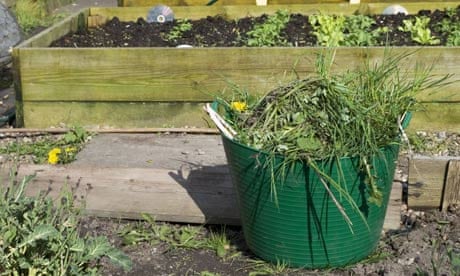
Pull out dead plants and cut back dying stems. This prevents disease and pests from spreading.
- Use gloves to protect your hands.
- Remove roots to stop regrowth of unwanted plants.
- Dispose of plant debris in compost or green waste bins.
- Check for signs of disease on plants before discarding.
Clearing Fallen Leaves
Raking fallen leaves helps prevent mold and keeps the garden tidy. Leaves left on the ground can smother grass and plants.
| Why Remove Leaves? | How to Remove Leaves |
| Stops fungus growth | Use a rake or leaf blower |
| Improves lawn health | Collect leaves in bags or compost |
| Prevents pest hiding spots | Clear leaves from flower beds and paths |
Protecting Plants From Cold
Cold weather can harm your garden plants. Protecting them helps them survive winter.
There are simple ways to keep plants safe from frost and freezing temperatures.
Mulching Techniques
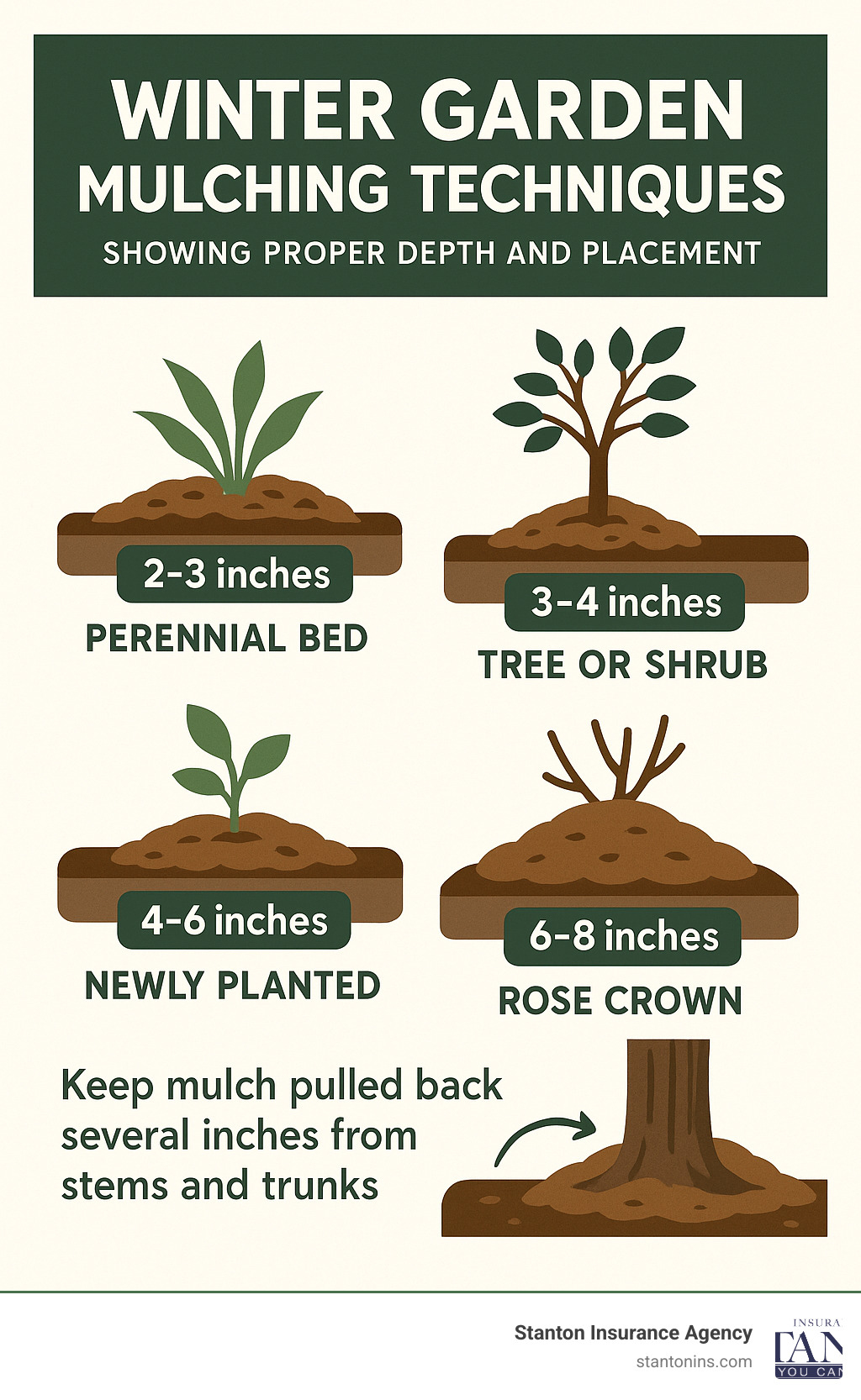
Mulching adds a layer of material around plants. It keeps soil warm and moist.
Use natural materials like straw, leaves, or wood chips. Spread mulch thickly around the plant base.
- Mulch slows heat loss from the soil
- It protects roots from freezing temperatures
- Mulch helps keep soil moisture during cold months
- Renew mulch layer as needed throughout winter
Using Frost Covers And Cloches
Frost covers and cloches shield plants from frost and cold winds. They create a small warm space.
Use lightweight fabrics or plastic covers. Place them over plants before frost starts.
- Frost covers are breathable and protect from frost damage
- Cloches are small, clear domes that trap heat around plants
- Remove covers during the day if it gets warm
- Secure covers well to prevent wind from blowing them away
Preparing Soil For Winter
Getting your garden soil ready for winter helps plants grow better in spring. Good soil care stops damage from cold weather.
Proper soil preparation keeps nutrients and improves soil health. It also helps water drain well during winter months.
Adding Compost And Fertilizers
Adding compost enriches soil with nutrients and organic matter. It helps soil stay loose and hold moisture during winter.
Use natural fertilizers to feed the soil without harming plants. Apply compost or fertilizers evenly over the garden bed.
- Spread a 2-3 inch layer of compost over soil
- Choose slow-release fertilizers for long-term feeding
- Mix compost gently into the topsoil
- Avoid over-fertilizing to prevent nutrient runoff
Tilling And Aerating Soil
Tilling breaks up hard soil and mixes in compost well. It improves air flow and helps roots grow strong in spring.
Aerating soil creates small holes that let water and air reach plant roots. It reduces soil compaction caused by heavy rain or foot traffic.
- Use a garden fork or tiller to loosen soil
- Do not till too deep to protect soil structure
- Aerate by poking holes 4-6 inches apart
- Work soil when it is moist, not wet or dry
Caring For Garden Tools
Getting your garden ready for winter means taking care of your tools. Clean tools work better and last longer. Proper care helps avoid rust and damage.
Take time to clean and store your tools correctly. This keeps them ready for spring gardening tasks.
Cleaning And Sharpening
After your last garden work, remove dirt and sap from your tools. Use a wire brush or cloth to clean blades and handles. Dry tools well to stop rust.
Sharpen blades on hoes, pruners, and shears. Sharp tools cut plants easily and reduce effort. Use a sharpening stone or file for best results.
- Wash tools with soapy water
- Remove rust with steel wool or sandpaper
- Sharpen cutting edges carefully
- Oil metal parts to prevent rust
Proper Storage Tips
Store garden tools in a dry, sheltered place. Avoid leaving them outside where moisture can cause rust and wood decay. Hang tools or keep them off the ground.
Use racks, hooks, or shelves to organize tools. Keep sharp tools away from children and pets. Cover tools with cloth or place in a toolbox if possible.
- Keep tools dry and indoors
- Hang tools to prevent blade damage
- Store sharp tools safely
- Check tools regularly for damage

Credit: m.youtube.com
Planning For Spring
Getting your garden ready for winter helps you have a great spring. Planning now saves time and effort later.
Think about what you want to grow and how to prepare your garden space. This way, plants will grow well next season.
Planting Bulbs
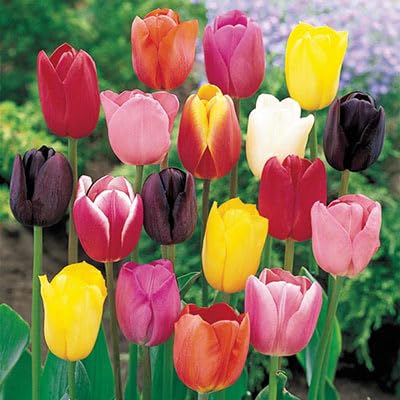
Planting bulbs in fall lets flowers bloom beautifully in spring. Choose healthy bulbs and plant them at the right depth.
Pick a spot with good sunlight and well-drained soil. Water the bulbs after planting to help them settle.
- Plant bulbs 2-3 times deeper than their size
- Space bulbs according to the package instructions
- Use mulch to protect bulbs from frost
Organizing Garden Layout
Plan your garden layout to make the best use of space. Group plants by their sunlight and water needs.
Draw a simple map of your garden to place plants where they will grow best. This helps you avoid crowding and saves time.
- Place taller plants at the back or center
- Put sun-loving plants where they get full sun
- Arrange plants with similar water needs together
- Leave paths for easy access and maintenance
Credit: www.theguardian.com
Frequently Asked Questions
How Do I Prepare My Garden For Winter?
To prepare your garden for winter, start by cleaning up dead plants and debris. Mulch your garden beds to insulate the soil. Protect sensitive plants with frost covers. Trim perennials and trees, and clean and store garden tools. Consider planting winter-hardy vegetables for a year-round harvest.
What Vegetables Can I Grow In Winter?
Winter-hardy vegetables include kale, Brussels sprouts, and spinach. These can withstand cold temperatures. Root vegetables like carrots and parsnips also thrive in cooler weather. Planting these in late fall will ensure a harvest throughout winter. Always check your local climate to choose the best options.
When Should I Mulch My Garden For Winter?
Mulch your garden before the first hard frost sets in. This typically occurs in late fall. Mulching helps insulate the soil, preserving moisture and temperature. It also prevents soil erosion and suppresses weeds. Use organic materials like straw or wood chips for the best results.
How Can I Protect Plants From Frost?
To protect plants from frost, cover them with frost cloths or old bedsheets. This traps heat and prevents frost damage. Move potted plants indoors or into a sheltered spot. Watering plants in the morning can also help as damp soil retains heat better than dry soil.
Conclusion
Preparing your garden for winter protects plants and soil. Clean up leaves and remove dead plants. Mulch helps keep roots warm and moist. Cover sensitive plants to shield from frost. Store tools and pots in a dry place. These steps save time and effort in spring.
Your garden will stay healthy and ready to grow. Simple care now leads to a beautiful garden later. Take action today for a strong garden tomorrow.