






Are you struggling with messy wires or tough cables that just won’t cut easily? Knowing how to use a wire cutter tool can save you time, effort, and frustration.
Whether you’re fixing electronics, working on a DIY project, or just tidying up your space, mastering this simple tool can make all the difference. In this guide, you’ll learn clear, step-by-step tips to handle your wire cutter like a pro and get the clean cuts you need every time.
Ready to make your work easier and safer? Keep reading, and you’ll be cutting wires with confidence in no time.
Choosing The Right Wire Cutter
Using the right wire cutter makes cutting wires easier and safer. Different cutters fit different wires and jobs.
Choosing the right one helps you work well and avoid damage to wires or tools.
Types Of Wire Cutters
There are many wire cutters designed for specific tasks. Picking the right type depends on the wire and use.
- Diagonal Cutters: Cut wires cleanly at an angle, good for electrical work.
- End Cutters: Cut wires close to surfaces, useful for nails and bolts.
- Linemen’s Pliers: Combine cutting with gripping and twisting wires.
- Needle-Nose Cutters: Cut small wires in tight spaces.
- Heavy-Duty Cutters: Cut thick wires and cables.
Materials And Sizes
Wire cutters come in different materials. Strong materials last longer and cut better.
- Steel: Common and durable for most wire cutting tasks.
- Carbon Steel: Harder than regular steel, good for tough wires.
- Stainless Steel: Resists rust, ideal for outdoor work.
Sizes vary from small cutters for thin wires to large ones for thick cables. Choose size based on your wire thickness.
Safety Features To Look For
Safety is important when using wire cutters. Look for features that protect your hands and eyes.
- Insulated Handles: Protect against electric shocks.
- Non-Slip Grips: Help hold the tool firmly.
- Spring-Loaded Handles: Reduce hand strain by opening the tool automatically.
- Locking Mechanism: Keeps cutters closed when not in use.
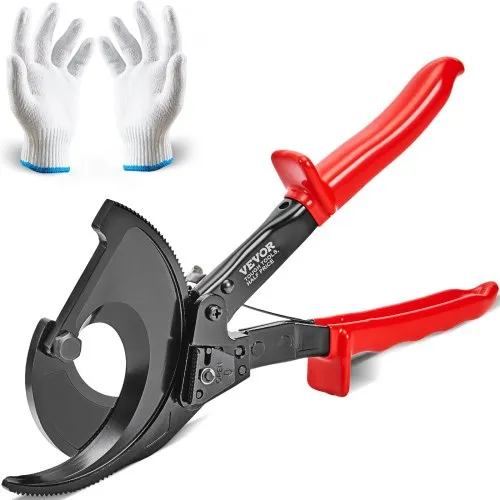
Credit: www.vevor.ca
Preparing For The Cut
Using a wire cutter tool safely starts with good preparation. You need to get ready before making any cuts to avoid accidents.
Preparing well helps you work faster and keeps you safe. Follow these steps to prepare for cutting wire.
Gathering Necessary Tools
Before cutting, collect all the tools you will need. This makes the work easier and prevents delays.
- Wire cutter tool in good condition
- Measuring tape or ruler
- Marker to mark cutting points
- Wire stripper (if needed)
- Container to hold cut wire pieces
Inspecting The Wire
Check the wire before cutting to know what you are working with. Look for damage or special features.
| Inspection Point | What to Check |
| Wire Type | Is it copper, steel, or aluminum? |
| Wire Thickness | Choose the right cutter size for the thickness |
| Damages | Look for cracks, rust, or bends |
| Insulation | Check if the wire is insulated or bare |
Wearing Protective Gear
Protect yourself by wearing safety gear. This reduces the risk of injury from wire or tool slips.
Wear these items before you start cutting:
- Safety glasses to protect your eyes
- Work gloves to protect your hands
- Long sleeves to protect your arms
- Closed-toe shoes for foot safety
Step-by-step Cutting Process
Using a wire cutter tool is simple if you follow the right steps. This guide shows how to cut wire safely and accurately.
Each step helps you make a clean cut without damaging the wire or the tool. Let’s start with how to position the wire cutter.
Positioning The Wire Cutter
Hold the wire cutter so the blades align with the wire you want to cut. Position the wire between the blades near the pivot point.
Keep the wire straight and steady. This ensures the cut will be clean and even.
- Open the wire cutter handles wide
- Place the wire between the blades near the pivot
- Hold the wire steady without bending it
Applying The Correct Pressure
Use steady pressure on the handles to cut the wire. Avoid squeezing too fast or too hard, which can damage the tool or wire.
Apply even force until the blades close fully around the wire and cut through it.
- Grip the handles firmly but not too tight
- Press slowly and evenly
- Stop once the wire is cut
Making The Cut Clean And Precise
After cutting, check the wire ends. They should be smooth and free of sharp edges.
If the cut is rough, use a file or sandpaper to smooth the edges. This prevents injuries and ensures a better fit for your project.
- Inspect cut ends for sharp points
- Smooth edges with a file if needed
- Clean the tool after use to keep blades sharp
Handling Different Wire Types
Wire cutters are useful tools for many projects. You need to know how to cut different wire types safely and cleanly.
Each wire type needs a different approach. Using the right technique helps prevent damage to the wire and tool.
Cutting Soft Wire
Soft wire is easy to cut because it bends and snaps quickly. Use a gentle squeeze on the handles.
Hold the wire close to the cutting blades. This gives a clean cut without crushing the wire.
- Use light pressure to avoid bending the wire too much
- Keep the wire steady to make a straight cut
- Check the blades for sharpness to ensure clean cuts
Cutting Hard Wire
Hard wire is tougher and needs more force to cut. Use a wire cutter designed for hard wire types.
Place the wire deep into the cutter jaws. Squeeze the handles firmly and steadily for a clean break.
- Do not twist the cutter while cutting
- Apply even pressure for a smooth cut
- If the cutter struggles, try cutting a smaller section
Dealing With Insulated Wire
Insulated wire has a protective cover around the metal inside. Cut carefully to avoid damaging the insulation.
Place the wire cutter so the blades touch only the metal core. Avoid squeezing too hard on the insulation.
- Score the insulation gently before cutting
- Use wire strippers for removing insulation after cutting
- Check for clean cuts to keep wires safe
Maintaining Your Wire Cutter
Taking care of your wire cutter keeps it working well for a long time. Regular maintenance prevents damage and ensures clean cuts.
Simple steps like cleaning, sharpening, and storing properly help your tool stay reliable.
Cleaning After Use
Remove any dirt or wire pieces after each use. This stops rust and keeps the blades smooth.
Use a dry cloth or brush to clean the blades and handles. Avoid using water directly on the tool.
- Wipe blades with a dry cloth
- Use a small brush for tight spots
- Remove any stuck wire bits
- Apply a little oil to prevent rust
Sharpening The Blades
Dull blades make cutting hard and damage wires. Sharpen blades regularly to keep them sharp and efficient.
Use a fine file or sharpening stone. Move the tool carefully to avoid changing the blade shape.
- Secure the wire cutter in a clamp
- File along the blade edge gently
- Keep the original blade angle
- Check sharpness by cutting a test wire
Storing Properly
Store your wire cutter in a dry place to avoid rust. Keep it away from moisture and dust.
Use a tool pouch or box to protect the blades and handles. This prevents damage and keeps your cutter ready to use.
- Keep in a dry, cool place
- Use a protective case or pouch
- Avoid dropping or heavy pressure
- Check tool before each use
Common Mistakes To Avoid
Using a wire cutter tool seems easy, but many people make mistakes. These mistakes can cause damage or injury.
Learn what to avoid to use your wire cutter safely and correctly every time.
Using The Wrong Cutter
Different wire cutters are made for different tasks. Using the wrong cutter can damage the tool or wire.
For example, using a small cutter on thick wire can break the blades. Using a large cutter on thin wire may cause poor cuts.
- Check the cutter’s size and type before use.
- Use insulated cutters for electrical wires only.
- Choose cutters designed for the wire thickness.
Cutting At The Wrong Angle
Cutting wire at the wrong angle makes the cut rough or incomplete. It can also damage the wire’s end.
Always hold the cutter blades perpendicular to the wire. This gives a clean, straight cut.
- Keep the wire steady before cutting.
- Do not twist the cutter while cutting.
- Make the cut in one smooth motion.
Ignoring Safety Precautions
Wire cutters can be dangerous if safety is ignored. Flying wire pieces can cause eye injury.
Wear safety glasses and gloves before cutting. Always cut away from your body and others.
- Wear eye protection to catch flying pieces.
- Keep fingers away from cutting blades.
- Store cutters safely after use.
Tips For Perfect Cuts Every Time
Using a wire cutter tool correctly helps you get clean cuts. This guide shares simple tips for better results.
Follow these ideas to improve your cutting technique and avoid mistakes that waste wire or cause damage.
Steady Hand Techniques
Keep your hand steady while cutting to get a smooth edge. Hold the wire cutter firmly but without too much force.
- Grip the handles close to the pivot point
- Support the wire with your other hand
- Cut in a single, clean motion
- Practice on scrap wire to improve control
Choosing The Right Wire Length
Cutting the correct wire length saves time and material. Measure twice before making the cut.
| Wire Type | Recommended Length |
| Electrical Wire | Allow 2 inches extra |
| Jewelry Wire | Exact length needed |
| Garden Wire | Allow 4 inches extra |
Double-checking Before Cutting
Always verify your measurements and the wire position before cutting. Double-checking prevents mistakes.
Here is a simple checklist to use before you cut:
- Confirm wire length with a tape measure
- Mark the cutting point clearly
- Ensure the wire is free from twists
- Check that the cutter blades are sharp and clean

Credit: www.milwaukeetool.ca

Credit: www.youtube.com
Frequently Asked Questions
What Is A Wire Cutter Tool Used For?
A wire cutter tool is used for cutting and trimming wires. It’s essential for electricians, DIY enthusiasts, and hobbyists. The tool provides clean cuts on various wire types, ensuring safety and precision. Wire cutters can handle electrical wires, cables, and even thin metal rods effectively.
How Do You Safely Use A Wire Cutter?
To safely use a wire cutter, ensure the tool is in good condition. Grip the wire securely, then squeeze the handles firmly to cut. Always wear safety goggles to protect your eyes. It’s important to cut wires at a right angle for clean results.
Keep fingers clear from the cutting edge.
Can A Wire Cutter Cut Through All Wire Types?
Wire cutters can cut most wire types, but not all. They are ideal for electrical wires, cables, and thin metal wires. However, for thick cables or hardened wires, specialized cutters are required. Always choose the right cutter for the wire type to ensure efficiency and safety.
How To Maintain A Wire Cutter Tool?
Maintain a wire cutter by cleaning it after use. Remove any debris or residue from the blades. Regularly oil the pivot joint for smooth operation. Store in a dry place to prevent rust. Inspect for any damage and replace if necessary to ensure consistent performance.
Conclusion
Using a wire cutter tool is simple and helpful. Always hold the tool firmly for safety. Cut the wire close to the joint for a clean finish. Practice on scrap wires to build confidence. Keep your tool sharp and clean for best results.
With time, your cuts will be neat and precise. Small steps make big improvements. Enjoy working with your wire cutter tool!