

Are you wondering which mulch is best for your vegetable garden? Choosing the right mulch can make a huge difference in how healthy and productive your plants become.
The right mulch helps keep weeds away, retains moisture, and even improves your soil. But with so many options out there, how do you pick the one that fits your garden’s needs perfectly? Keep reading to discover the top mulching choices that will help your vegetables thrive all season long.
Your garden will thank you!
Credit: www.homesandgardens.com
Benefits Of Mulching
Mulching is a simple way to help your vegetable garden grow better. It covers the soil around your plants.
Using mulch brings many benefits. It saves water, stops weeds, and keeps soil healthy.
Soil Moisture Retention
Mulch holds water in the soil by slowing evaporation. This means plants stay hydrated longer.
Less watering is needed, which saves time and water. Mulch also helps soil absorb rain better.
Weed Suppression
Mulch blocks sunlight from reaching weed seeds. This stops many weeds from growing.
With fewer weeds, your vegetables get more space and nutrients. Mulching reduces the work of pulling weeds.
Temperature Regulation
Mulch keeps soil cooler in hot weather and warmer in cold weather. This protects plant roots.
Stable soil temperature helps plants grow steady and healthy. Mulch acts like a blanket for the soil.
Soil Fertility Improvement
Organic mulch breaks down over time and adds nutrients to the soil. This improves soil quality.
Better soil fertility helps your vegetables grow strong. Mulch also supports helpful soil organisms.
Types Of Mulch For Vegetables
Mulch helps keep soil moist and controls weeds in vegetable gardens. It also adds nutrients to the soil as it breaks down.
You can choose from organic and inorganic mulches. Each type has its own benefits for growing vegetables.
Organic Mulches
Organic mulches come from natural materials. They improve soil quality by adding nutrients as they decay.
- Straw: Light and easy to spread, keeps soil cool and moist.
- Grass clippings: Readily available and rich in nitrogen.
- Leaves: Good for moisture retention and soil improvement.
- Wood chips: Last longer and reduce weed growth well.
- Compost: Adds nutrients and improves soil texture.
Inorganic Mulches
Inorganic mulches are made from synthetic or natural materials that do not break down quickly. They mainly help with weed control and moisture retention.
| Mulch Type | Advantages | Disadvantages |
| Black plastic | Warms soil, blocks weeds | Does not add nutrients, can overheat soil |
| Landscape fabric | Allows water through, blocks weeds | Needs to be covered, can degrade over time |
| Gravel or stones | Long-lasting, good for drainage | Does not improve soil, can heat soil |
Popular Organic Mulches
Organic mulches help protect vegetable gardens by keeping soil moist and cool. They also stop weeds and add nutrients to the soil.
Many gardeners use natural materials for mulch. These materials break down and improve soil health over time.
Straw And Hay
Straw and hay are common mulches made from dried plants. Straw is cleaner and has fewer seeds than hay.
They keep soil moist and stop weeds from growing. Straw and hay also protect plants from cold weather.
- Use straw for a cleaner look
- Hay may contain weed seeds
- Apply 2-4 inches thick
- Replace yearly for best results
Grass Clippings
Grass clippings are easy to get and free if you mow your lawn. They add nitrogen to the soil as they break down.
Use dry clippings to avoid matting and bad smells. Spread thin layers and let them dry before adding more.
- Use fresh, dry clippings
- Avoid clippings from treated lawns
- Apply in thin layers to prevent rotting
- Good for quick nitrogen boost
Leaves
Leaves make great mulch when shredded. They hold moisture and improve soil texture as they decay.
Use dry leaves to prevent clumping. They also help keep soil temperature stable in the garden.
- Shred leaves before use
- Apply 2-3 inches thick
- Good for winter mulch
- Break down slowly to enrich soil
Compost
Compost is rich in nutrients and helps plants grow strong. It improves soil structure and water retention.
Use compost as mulch around vegetables to feed the soil. Apply a thin layer to avoid smothering plants.
- Use finished compost only
- Apply 1-2 inches thick
- Feeds plants and soil microbes
- Reduces need for chemical fertilizers
Wood Chips And Bark
Wood chips and bark come from tree trimmings. They last long and help keep soil cool and moist.
These mulches break down slowly and add organic matter to the soil over time. Avoid using fresh wood chips near young plants.
- Use aged wood chips
- Apply 2-4 inches thick
- Good for paths and garden edges
- Slow to decompose, lasts longer

Credit: savvygardening.com
Common Inorganic Mulches
Inorganic mulches are materials that do not come from plants. They can help control weeds and keep soil moist. These mulches last a long time in your vegetable garden.
Below are three common types of inorganic mulches. Each has different uses and benefits for vegetable gardens.
Plastic Mulch
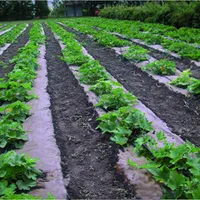
Plastic mulch is a thin sheet of plastic laid over the soil. It warms the soil and blocks weeds from growing. Black plastic is popular because it absorbs sunlight well.
Plastic mulch helps keep soil moist by reducing evaporation. It also protects plants from soil-borne diseases. But it does not break down and must be removed after the season.
Landscape Fabric
Landscape fabric is a woven cloth that blocks weeds but lets water and air pass through. It is strong and can last several seasons if cared for well.
- Allows water to reach plant roots
- Prevents most weeds from growing
- Does not add nutrients to soil
- Needs to be covered with mulch or stones for best results
It is easy to cut landscape fabric to fit around plants. This fabric is reusable but may tear if moved often.
Gravel And Stones
Gravel and stones are natural-looking mulches that do not decompose. They keep soil cool in summer and warm in winter. They also stop soil erosion during heavy rain.
| Type | Benefits | Considerations |
| Small Gravel | Good drainage, easy to walk on | Can scatter outside garden |
| Larger Stones | Long lasting, decorative | Hard to move, may heat soil |
| Pea Gravel | Comfortable for paths, lets water through | May need edging to stay in place |
Choosing Mulch Based On Vegetable Type
Mulch helps protect your vegetable garden by keeping soil moist and weeds down. Different vegetables need different types of mulch for best growth.
Picking the right mulch improves vegetable health and makes harvesting easier. Learn which mulch suits your plants.
Root Vegetables
Root vegetables like carrots, potatoes, and beets grow underground. Use mulch that keeps soil cool and moist but does not block air.
Straw or shredded leaves work well. They prevent soil from drying and help roots grow straight without obstacles.
- Straw mulch keeps soil loose and moist
- Shredded leaves add nutrients as they decompose
- Avoid thick plastic mulch that can overheat roots
Leafy Greens
Leafy greens like lettuce, spinach, and kale prefer mulch that keeps soil cool and moist. Mulch also reduces weeds that compete for nutrients.
Use grass clippings or straw mulch. These mulches help maintain steady soil temperature and add organic matter.
- Fresh grass clippings add nitrogen to soil
- Straw mulch reduces weed growth
- Keep mulch thin to avoid mold growth
Fruiting Vegetables
Fruiting vegetables like tomatoes, peppers, and cucumbers need mulch that controls moisture and prevents fruit rot. Mulch also helps keep fruit clean.
Black plastic mulch warms the soil and reduces weeds. Organic mulches like straw also work but may need replacing more often.
- Black plastic mulch warms soil early in season
- Straw mulch keeps fruit off wet soil
- Keep mulch away from plant stems to avoid rot
How To Apply Mulch Correctly
Mulching helps keep soil moist and controls weeds in a vegetable garden. Applying mulch the right way improves plant health and growth.
Follow simple steps to prepare the soil, spread mulch at the right depth, and choose the best time for mulching.
Preparing The Soil
Clear the garden bed of weeds and debris before adding mulch. This helps mulch work better and stops weeds from growing.
Water the soil well before spreading mulch. Moist soil holds nutrients and supports plant roots under the mulch layer.
Mulch Depth And Coverage
Spread mulch evenly around your plants to cover the soil. The mulch layer should be thick enough to block sunlight from weeds.
Use about 2 to 3 inches of mulch. Too little mulch lets weeds grow. Too much can stop water from reaching roots.
- Keep mulch 2-3 inches deep
- Leave space around plant stems to avoid rot
- Cover all bare soil areas
Timing For Mulching
Apply mulch after planting and watering your vegetable seeds or seedlings. This keeps soil moist and protects young plants.
Add more mulch during dry periods to save water and keep soil cool. Avoid mulching too early in spring to let soil warm up.
Maintaining Mulch In The Garden
Mulch helps keep your vegetable garden healthy. It keeps moisture in and stops weeds. But mulch needs care to work well.
Taking care of mulch means adding more, watching for pests, and stopping mold growth. These tasks keep plants safe and soil rich.
Replenishing Mulch
Mulch breaks down over time and needs topping up. Add fresh mulch to keep a thick layer. A good depth is about two to three inches.
- Check mulch every few weeks in warm seasons.
- Add new mulch to cover bare spots.
- Spread mulch evenly to protect roots.
- Avoid piling mulch against plant stems.
Dealing With Pests
Mulch can attract pests like slugs, snails, and insects. Watch your garden often to spot pest problems early.
| Pest | Signs | Action |
|---|---|---|
| Slugs and Snails | Holes in leaves, slime trails | Handpick at night, use barriers |
| Aphids | Sticky leaves, curled foliage | Spray water, introduce ladybugs |
| Fungus Gnats | Small flies, wilting plants | Let soil dry, use yellow traps |
Preventing Mold And Fungus
Mold and fungus grow in mulch if it stays too wet. They can harm plants and soil health. Keep mulch dry enough to stop mold.
- Water plants early to let mulch dry in sun.
- Turn mulch occasionally for air flow.
- Remove moldy or slimy mulch quickly.
- Use mulch that drains well like straw or wood chips.
Common Mulching Mistakes To Avoid
Mulching helps vegetable gardens grow healthy and strong. It keeps moisture in and weeds out. But some mistakes can harm your plants.
Learn what to avoid to make your mulch work well for your garden.
Over Mulching
Adding too much mulch can hurt your plants. Thick layers stop water and air from reaching the soil. This can cause roots to rot.
Keep mulch at about 2 to 3 inches thick. This amount protects soil without blocking water or air.
- Too thick mulch holds too much moisture
- Roots may not get enough oxygen
- Increased risk of pests and diseases
Using The Wrong Material
Not all mulch is good for vegetable gardens. Some materials can bring weeds or pests. Others may change soil nutrients in bad ways.
Choose mulch that breaks down slowly and does not add harmful chemicals. Avoid fresh grass clippings and dyed wood chips.
- Use straw, shredded leaves, or composted bark
- Avoid fresh grass clippings that can grow weeds
- Stay away from colored or treated wood chips
Ignoring Soil Conditions
Soil type affects how mulch works. Heavy clay soil needs mulch to help drainage. Sandy soil needs mulch to keep moisture.
Check your soil before mulching. Adjust mulch type and amount to fit your soil’s needs.
- Clay soil: use coarse mulch for airflow
- Sandy soil: use thicker mulch to hold water
- Test soil moisture regularly after mulching

Credit: www.rasnetwork.org
Frequently Asked Questions
What Is The Best Mulch For Vegetable Gardens?
Organic mulches like straw, grass clippings, and shredded leaves are best. They enrich the soil as they decompose. These mulches retain moisture, suppress weeds, and improve soil structure. Choose organic options for a sustainable garden.
Can I Use Wood Chips In Vegetable Gardens?
Yes, wood chips can be used but with caution. They are best for pathways, not directly on beds. Wood chips may deplete nitrogen from the soil. Use them as a top layer or in pathways to suppress weeds.
Is Straw Mulch Good For Vegetable Gardens?
Straw mulch is excellent for vegetable gardens. It retains moisture, suppresses weeds, and adds organic matter. Choose clean, weed-free straw to prevent introducing weed seeds. It’s an affordable and effective mulch option for home gardens.
Do Grass Clippings Make A Good Mulch?
Yes, grass clippings are a great mulch option. They retain moisture, suppress weeds, and add nutrients. Ensure clippings are free of pesticides. Use them in thin layers to avoid matting, which can hinder water penetration.
Conclusion
Choosing the right mulch helps your vegetable garden grow strong. Mulch keeps soil moist and stops weeds from growing. Organic mulches add nutrients as they break down. Inorganic mulches save time and last longer. Think about your garden’s needs and climate.
Try different mulches to find what works best. Healthy soil means healthy plants and better harvests. Mulching is a simple step with big rewards. Start mulching today and watch your garden thrive.