




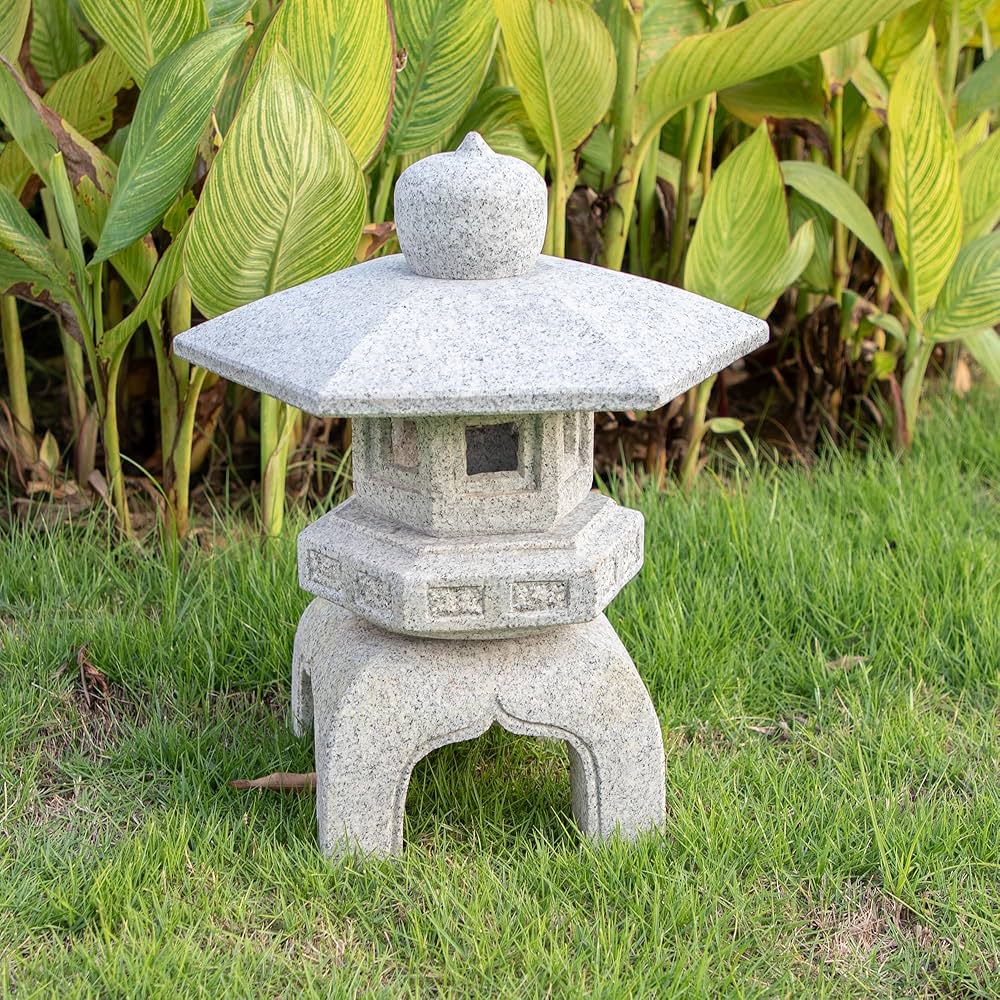
Are you looking to add a touch of peace and beauty to your garden? Japanese garden stone lanterns could be just what you need.
These timeless pieces bring more than just light—they create a calm, inviting space right outside your door. Imagine how a simple lantern can transform your garden into a serene retreat where you can relax and unwind. You’ll discover why these lanterns are so special, how to choose the perfect one for your space, and easy ways to place them for maximum effect.
Keep reading to find out how you can bring this peaceful charm into your own garden.
History Of Stone Lanterns
Stone lanterns are common features in Japanese gardens. They add beauty and light to outdoor spaces. These lanterns have a long history rooted in Japan’s culture and traditions.
Originally, stone lanterns were used to light paths and temple grounds. Over time, they became important decorative elements in gardens and tea ceremonies.
Origins In Japan
Stone lanterns first appeared in Japan during the Nara period (710–794). They were influenced by similar lanterns from China and Korea. At first, they were mainly used in Buddhist temples.
These lanterns helped light temple grounds at night. Made from stone, they were strong and lasted a long time. They also symbolized light guiding the way.
Evolution Over Centuries
Over the centuries, stone lanterns changed in style and use. During the Heian period (794–1185), they began appearing in Shinto shrines and private gardens. Their designs became more artistic.
In the Edo period (1603–1868), stone lanterns became popular in tea gardens. Different types were created for various garden settings. They were often placed near water or along paths.
- Tōrō: Traditional temple lanterns
- Kasuga-dōrō: Used in shrines and gardens
- Yukimi-dōrō: “Snow viewing” lanterns near water
Cultural Significance
Stone lanterns hold deep meaning in Japanese culture. They represent light that guides people spiritually and physically. Lanterns are also linked to nature and seasons.
They are important in tea ceremonies, symbolizing purity and calm. Stone lanterns connect people to tradition and the peaceful garden atmosphere.
Types Of Stone Lanterns
Japanese garden stone lanterns add beauty and tranquility. They come in different styles, each with unique features.
Discover the different types of stone lanterns found in traditional Japanese gardens. Learn about their designs and purposes.
Kasuga Lantern
The Kasuga Lantern is a classic design. It is tall with a pagoda-like top. Often seen in shrines, it symbolizes protection.
| Feature | Description |
| Height | Tall and slender |
| Location | Commonly found in shrines |
| Design | Pagoda-like structure |
Yukimi Lantern
The Yukimi Lantern is known as the “snow-viewing” lantern. It has a wide roof to catch snow, creating a picturesque view.
- Wide roof for catching snow
- Shorter stature, often placed near water
- Symbolizes peace and tranquility
Tachidoro Lantern
The Tachidoro Lantern stands tall and proud. It is often used to light pathways in gardens. Its simple design is elegant and functional.
Design Elements
Japanese garden stone lanterns add beauty and meaning to outdoor spaces. Their design blends natural materials with cultural symbolism.
Each lantern fits carefully into the garden’s overall layout. This creates peace and harmony for visitors.
Materials And Craftsmanship
Stone lanterns use natural materials such as granite, sandstone, and basalt. Craftsmen shape each piece by hand with great care.
- Granite offers durability and a rough texture
- Sandstone provides a soft, weathered look
- Basalt is dark and smooth, adding contrast
- Hand carving shows unique patterns and details
- Traditional tools keep the design authentic
Symbolic Features
Stone lanterns include parts that carry special meanings. Each piece represents nature and spiritual ideas.
| Part | Symbolism |
| Roof | Protection and shelter |
| Light Chamber | Illumination and wisdom |
| Base | Stability and earth |
| Post | Connection between earth and sky |
Integration With Garden Layout
Stone lanterns are placed to balance the garden’s shapes and paths. They guide visitors and highlight key spots.
- Near water features for reflection effects
- Along winding paths to mark the way
- Close to plants for contrast and texture
- In quiet corners to invite rest and thought

Credit: najga.org
Role In Garden Serenity
Japanese garden stone lanterns bring calm and peace to outdoor spaces. They add a timeless charm that invites quiet reflection.
These lanterns create a gentle atmosphere that enhances the garden’s serene feeling.
Creating Ambiance
Stone lanterns softly light pathways and corners, guiding visitors through the garden. Their warm glow creates a peaceful mood at dusk.
- Provides soft lighting for evening walks
- Creates focal points with gentle illumination
- Adds a historic and cultural touch
Enhancing Natural Beauty
Stone lanterns blend with plants, stones, and water features. They highlight natural elements without overpowering them.
| Garden Element | Effect of Lantern |
| Water | Reflects soft light |
| Plants | Draws attention to textures |
| Rocks | Adds balance and contrast |
Spiritual And Meditative Aspects
Stone lanterns hold spiritual meaning in Japanese gardens. They symbolize light that guides the mind toward stillness and clarity.
Common spiritual meanings include:
- Illumination of the path to enlightenment
- Harmony between nature and human spirit
- Encouragement of mindfulness and meditation
Placement Tips
Japanese garden stone lanterns add charm and serenity. Their placement affects the garden’s mood and flow.
Consider light, plants, and water to create a balanced and natural look.
Choosing The Right Spot
Place stone lanterns where they can be seen but do not block paths. Choose areas with natural interest.
- Near garden entrances to welcome visitors
- Along walkways to guide the path
- Beside large rocks for contrast
- Close to seating areas for calm views
Balancing Light And Shadow
Stone lanterns work best with soft light and gentle shadows. Position them where sunlight filters through leaves.
| Time of Day | Lighting Effect |
| Morning | Soft light, long shadows |
| Afternoon | Bright light, strong shadows |
| Evening | Faded light, subtle shadows |
Complementing Plants And Water Features
Stone lanterns look beautiful near water or plants. Match the size and style to the surroundings.
- Place lanterns near bamboo or moss for a natural feel
- Set lanterns beside ponds or streams for reflection effects
- Use smaller lanterns with low plants to keep balance
- Position taller lanterns near trees or shrubs for height contrast

Credit: najga.org
Maintenance And Care
Japanese garden stone lanterns add beauty and calm to outdoor spaces. Proper care keeps them looking their best for years. Regular maintenance prevents damage and preserves their charm.
These lanterns face weather changes and natural wear. Cleaning and protecting the stone are key parts of their upkeep. Follow simple steps to maintain their appearance.
Cleaning Techniques
Clean your stone lantern gently to avoid scratching or damaging the surface. Use soft tools and mild cleaners to remove dirt and moss.
- Brush off loose dirt with a soft-bristle brush.
- Rinse with clean water, avoiding strong sprays.
- Use a mild soap mixed with water for tough stains.
- Avoid harsh chemicals that can erode the stone.
- Dry the lantern with a soft cloth to prevent water spots.
Preserving Stone Quality
Stone lanterns can crack or erode if not cared for properly. Applying a sealant protects the stone from moisture and weather damage.
| Care Tip | Purpose |
| Apply stone sealant yearly | Protects against water absorption |
| Inspect for cracks regularly | Prevents small cracks from growing |
| Keep lanterns off wet soil | Reduces moisture damage |
| Use gentle cleaning methods | Maintains surface texture |
Seasonal Considerations
Seasonal changes affect stone lanterns in different ways. Prepare your lantern for winter and summer to avoid damage.
Winter Care:Move lanterns to a sheltered spot if possible. Ice and frost can cause cracks.
Summer Care:Avoid placing lanterns in direct sunlight all day. Heat can cause stone to expand and crack.
Incorporating Lanterns In Modern Gardens
Japanese garden stone lanterns add calm and charm to outdoor spaces. They bring a peaceful glow that fits well in modern garden designs. These lanterns create a bridge between old and new styles.
Using lanterns in your garden can highlight paths, plants, and water features. They offer soft lighting that helps you enjoy your garden after sunset. Let’s explore how to blend tradition with modern style.
Blending Tradition With Contemporary Style
Stone lanterns bring a classic Japanese look to gardens. You can place them near minimalist plants or sleek furniture. This mix of styles creates a balanced and unique garden space.
- Choose lanterns with simple, clean lines for modern gardens
- Combine stone textures with metal or wood elements
- Place lanterns near water or rock features for harmony
- Use lanterns as focal points or subtle accents
Lighting Innovations
Modern lighting technology helps improve stone lantern use. LED bulbs and solar power make lanterns eco-friendly and easy to maintain. You can find lanterns with adjustable brightness and color options.
| Lighting Feature | Benefit |
| Solar-powered LEDs | Save energy and no wiring needed |
| Adjustable brightness | Set mood lighting day or night |
| Color-changing bulbs | Match garden themes and seasons |
| Motion sensors | Light turns on only when needed |
Customizing For Personal Spaces
Personalizing lanterns makes your garden feel special. You can select sizes, shapes, and finishes that suit your style. Custom lanterns fit well in small or large gardens.
Consider these ideas for custom lanterns:
- Engrave meaningful symbols or names on the stone
- Use unique paint colors to match your garden decor
- Combine lanterns with plants that reflect your personality
- Create a grouping of lanterns for visual interest
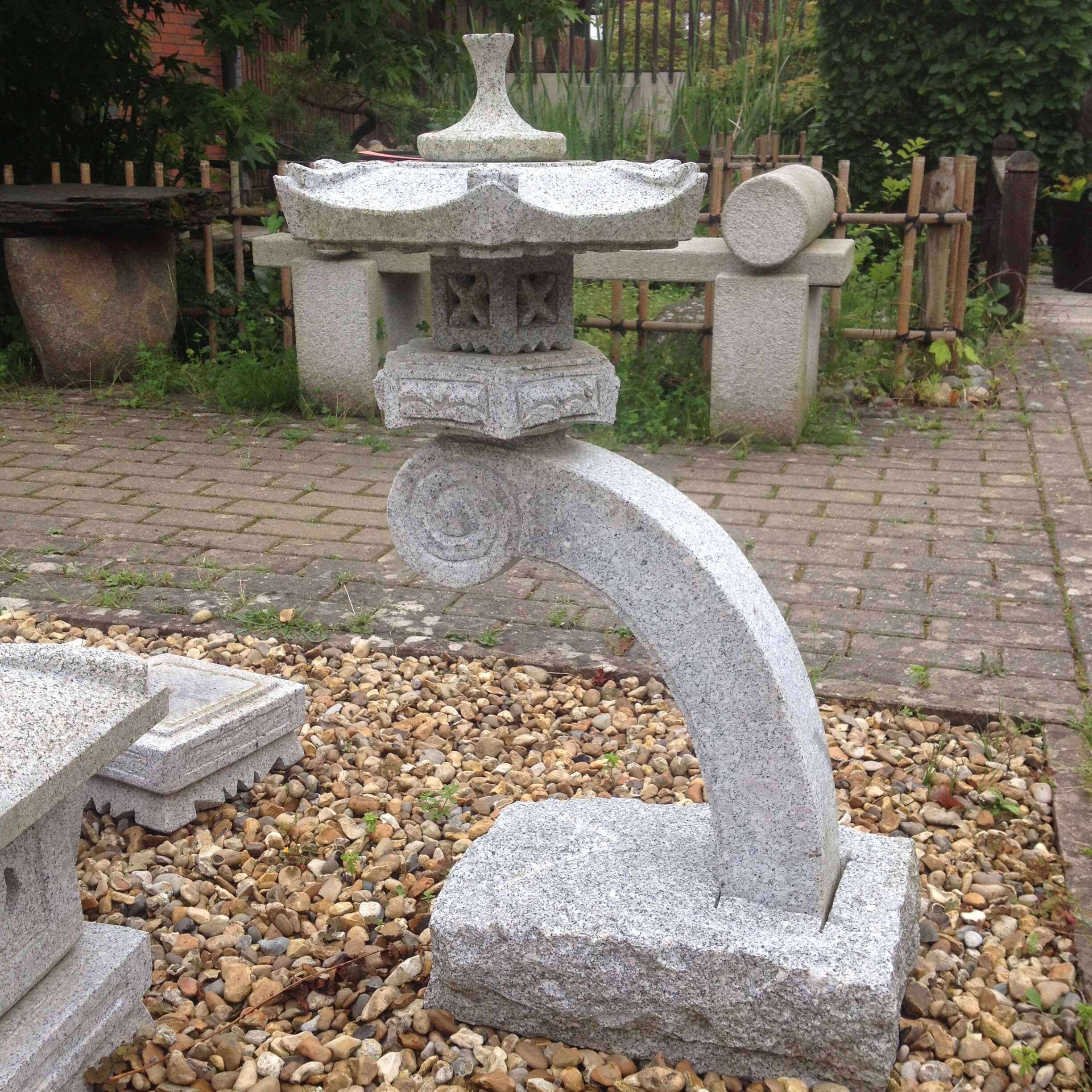
Credit: www.buildajapanesegarden.com
Frequently Asked Questions
What Are Japanese Garden Stone Lanterns Used For?
Japanese garden stone lanterns traditionally light paths and create serene ambiance. They also symbolize enlightenment and add cultural beauty to gardens.
How To Choose The Right Stone Lantern For Gardens?
Select lantern size based on garden scale. Consider style, material quality, and placement for harmony. Choose lanterns that complement your garden’s theme.
What Materials Are Japanese Garden Stone Lanterns Made From?
Most stone lanterns are carved from granite or other durable stones. These materials withstand weather and provide natural aesthetics for outdoor gardens.
Where Should Stone Lanterns Be Placed In Japanese Gardens?
Place lanterns near water features, pathways, or entrances. Position them to enhance visual flow and balance natural elements in the garden.
Conclusion
Japanese garden stone lanterns add calm and charm to any space. They bring a sense of tradition and beauty. These lanterns fit well with plants, water, and rocks. Their soft glow creates a peaceful mood at night. Choose a style that matches your garden’s feel.
Place them thoughtfully to enhance nature’s flow. Enjoy the quiet moments these lanterns inspire. A simple stone lantern can change your garden’s look. Small details like this make outdoor spaces special. Try adding one and see the difference yourself.