

Summer heat can quickly turn your vibrant garden into a dry, struggling patch if you don’t water it right. But how often should you water your garden when the sun is blazing and the soil feels like a desert?
Getting this balance wrong can waste water or leave your plants thirsty and weak. You’ll discover simple, practical tips to keep your garden healthy and thriving all summer long. Ready to become a watering pro and see your garden flourish?
Keep reading—you won’t want to miss these easy steps!
:max_bytes(150000):strip_icc()/GettyImages-1412417514-bc693cbaf94142c39ba8c235f182cde8.jpg)
Credit: www.southernliving.com
Factors Influencing Watering Frequency
Watering your garden in summer depends on many factors. Knowing these helps you water plants properly.
Too much or too little water can harm plants. Learn what affects how often you should water.
Soil Type And Drainage
Soil type changes how water stays in the ground. Sandy soil drains fast and dries quickly.
Clay soil holds water longer but can get too wet. Good drainage helps prevent root problems.
| Soil Type | Watering Frequency |
| Sandy Soil | Water daily or every other day |
| Loamy Soil | Water every 2 to 3 days |
| Clay Soil | Water every 3 to 5 days |
Plant Varieties
Different plants need different water amounts. Some use lots of water; others need less.
- Succulents need water once a week or less
- Vegetables often need daily watering in summer
- Flowers vary; check specific needs for best results
Weather Conditions
Hot and dry weather makes soil dry fast. Wind also dries plants quickly.
Rain reduces the need to water. In cooler or humid weather, water less often.
- Water early morning or late evening to reduce evaporation.
- Adjust watering after heavy rains.
- Check soil moisture before watering again.
Credit: www.kgw.com
Signs Your Garden Needs Water
Water is vital for a healthy garden, especially in summer heat. Knowing when to water helps plants grow strong.
Look for clear signs in your plants and soil to decide if your garden needs watering today.
Wilting Leaves
Leaves that droop or curl often mean plants lack water. Wilting stops when plants get enough moisture.
Check these leaf signs:
- Soft, limp leaves
- Leaves folding inward
- Leaves turning dry or brittle
Dry Soil Check
Dry soil means plants cannot absorb water well. Test soil moisture by touching or using a tool.
| Soil Test | What to Look For |
| Finger Test | Soil feels dry 2 inches deep |
| Moisture Meter | Reading below 30% moisture |
| Color Check | Soil looks pale or dusty |
Color Changes In Plants
Leaves and stems change color when thirsty. Watch for fading or yellowing as a warning.
Common color signs of water need:
- Yellow leaves on lower branches
- Brown edges on leaf tips
- Leaves losing their bright green color
Best Time To Water
Watering your garden at the right time helps plants grow strong. It saves water and keeps soil healthy.
Summer heat makes watering important. Choosing the best time helps water reach plant roots effectively.
Early Morning Benefits
Watering in the early morning cools plants before the day heats up. It reduces water loss from evaporation.
Morning watering helps plants drink water fully. It also stops leaf diseases by drying leaves fast.
- Soil absorbs water well
- Plants stay hydrated all day
- Less water waste
- Prevents fungus growth
Evening Watering Tips
Watering in the evening cools the garden after hot sun. It helps plants recover from heat stress.
Water plants deeply in the evening. Avoid wetting leaves too much to prevent fungus and pests.
- Use drip irrigation or soaker hoses
- Water the base of plants only
- Check soil moisture before watering
- Water early enough to dry leaves overnight

Credit: lawnlove.com
Watering Techniques For Efficiency
Watering your garden efficiently saves water and helps plants grow strong. Using the right techniques can reduce waste and keep soil moist longer.
Choose a watering method that fits your garden size and plant types. Proper timing and tools make a big difference in summer care.
Drip Irrigation
Drip irrigation delivers water directly to plant roots. It uses tubes with small holes to drip water slowly. This method cuts water waste and avoids wetting leaves.
Drip systems work well for vegetable gardens and flower beds. They keep soil moist without overwatering. You can set timers for regular watering times.
Soaker Hoses
Soaker hoses release water along their length. They lay on the soil surface or under mulch. Water seeps out slowly to soak the ground evenly.
- Place hoses near plant roots
- Cover with mulch to reduce evaporation
- Run hoses for 30 minutes to 1 hour
- Use a timer for consistent watering
Hand Watering Tips
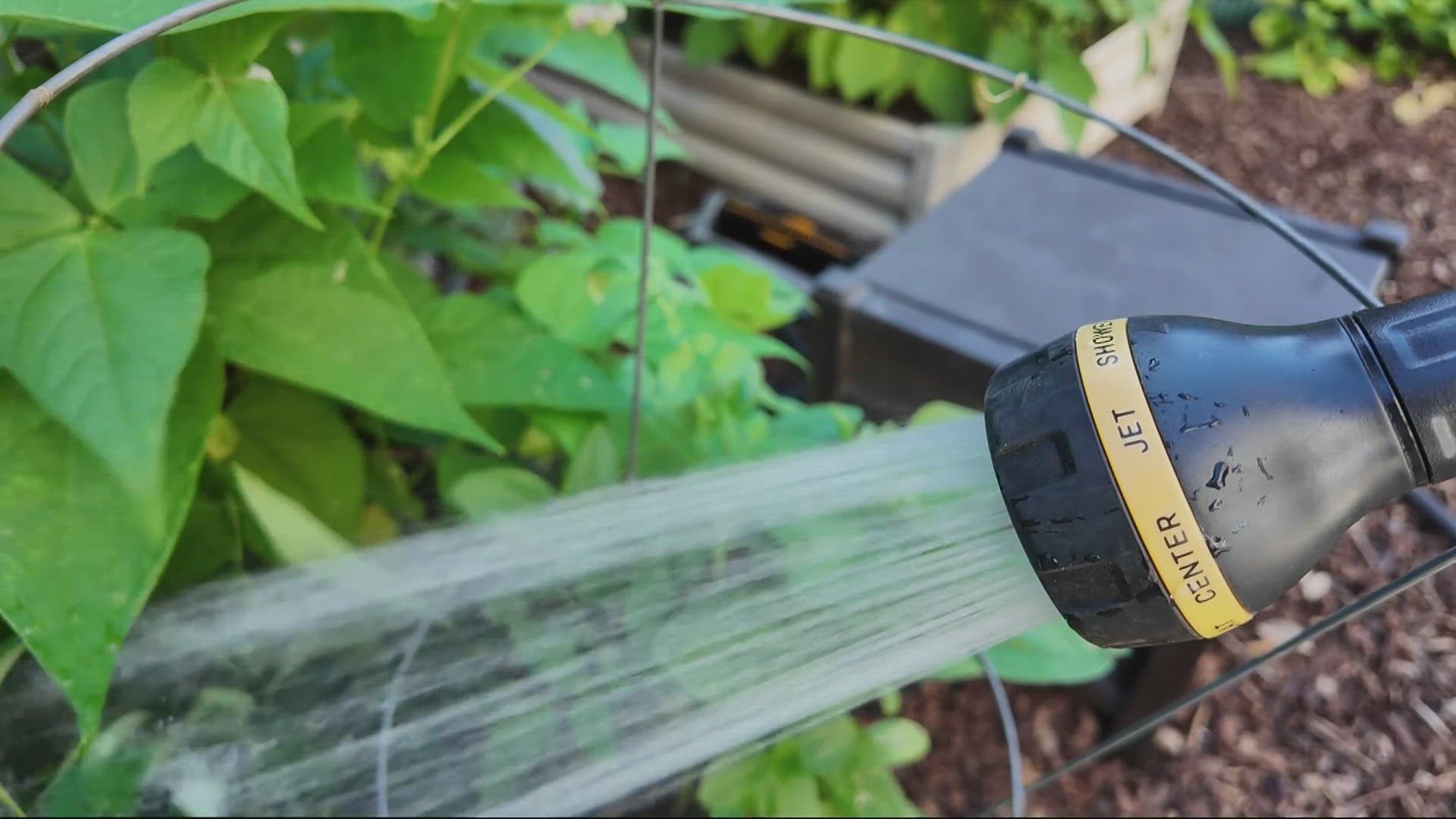
Hand watering allows control and checks on plant health. Use a watering can or hose with a spray nozzle. Water slowly at the base of plants.
| Hand Watering Tips | Reason |
| Water early in the morning | Reduces evaporation and fungal growth |
| Use a gentle spray | Prevents soil erosion |
| Focus on roots, not leaves | Helps plants absorb water better |
| Water deeply but less often | Encourages strong root growth |
Adjusting Watering During Heatwaves
Summer heatwaves can stress your garden plants. They need more water to stay healthy.
Adjusting how often you water helps plants survive hot weather. Watch your garden closely.
Increasing Frequency
During heatwaves, water your garden more often than usual. The soil dries out quickly in hot weather.
- Water early in the morning to reduce evaporation.
- Check soil moisture daily to know if plants need water.
- Water deeply to reach roots and encourage strong growth.
- Avoid shallow watering, which can harm plants.
- Adjust watering times if the heat lasts several days.
Mulching To Retain Moisture
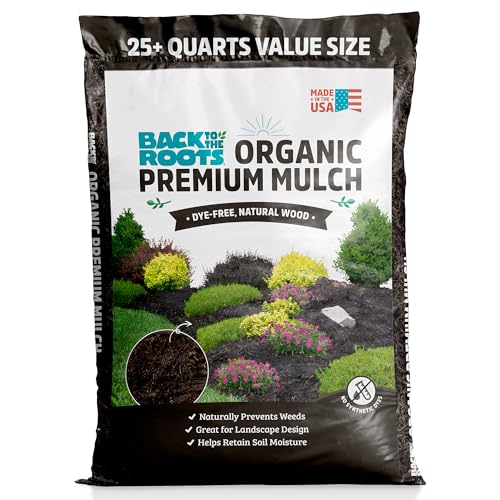
Mulching helps keep soil moist and cool during hot weather. It reduces how often you must water.
| Mulch Type | Benefits | Best Use |
|---|---|---|
| Straw | Lightweight, keeps soil cool | Vegetable gardens |
| Wood chips | Long-lasting, improves soil | Flower beds and shrubs |
| Grass clippings | Rich in nitrogen, breaks down fast | Annual plants |
| Leaves | Free, adds nutrients | Perennials and trees |
Common Watering Mistakes To Avoid
Watering your garden in summer is important but tricky. Too much or too little water can harm plants.
Knowing the right amount and timing helps your garden stay healthy and strong.
Overwatering Risks
Giving plants too much water can cause root problems. Roots may rot and stop taking nutrients.
- Soil stays soggy and stops letting air reach roots
- Fungal diseases grow in wet soil
- Plant leaves may yellow or drop
- Water waste can harm the environment
Underwatering Consequences
Not enough water makes plants weak. They can dry out and stop growing well.
| Effect | Signs on Plants |
| Wilting | Leaves droop and curl |
| Slow Growth | Smaller leaves and fewer flowers |
| Leaf Drop | Leaves fall off early |
| Death | Plants dry up and die |
Using Rainwater For Garden Care
Watering your garden in summer is important to keep plants healthy. Rainwater is a natural and gentle way to water plants.
Using rainwater helps save tap water and supports plant growth. It is easy to collect and use in your garden.
Collecting And Storing Rainwater
You can collect rainwater using barrels or containers placed under roof gutters. This water can be stored for dry days.
Keep your storage containers clean and covered to stop bugs and dirt. Use a tap or hose to water plants easily.
- Place barrels near downspouts
- Use a screen to filter leaves
- Store water in a shaded place
- Check containers for leaks
Benefits For Plants
Rainwater is free from chemicals found in tap water. Plants absorb it better and grow stronger.
It helps keep the soil healthy and reduces the risk of plant diseases. Using rainwater saves money and water.
- Rainwater is soft and pure
- Improves soil moisture
- Reduces chemical buildup in soil
- Supports healthy root development
Frequently Asked Questions
How Often Should I Water My Garden In Summer?
In summer, water your garden 2-3 times a week. Adjust based on plant type and weather conditions. Ensure soil is moist but not waterlogged. Early morning watering is best to reduce evaporation.
Is Morning Or Evening Watering Better For Gardens?
Morning watering is better for gardens in summer. It reduces evaporation and allows plants to absorb moisture. Evening watering can lead to fungal growth due to prolonged dampness.
Can Overwatering Harm My Garden Plants?
Yes, overwatering can harm garden plants. It leads to root rot and deprives roots of oxygen. Ensure soil has good drainage and only water when the top inch is dry.
How Do I Know If My Garden Needs Water?
Check soil moisture by inserting a finger 1-2 inches deep. If dry, it’s time to water. Wilting or yellowing leaves also indicate the need for water.
Conclusion
Water your garden early in the morning or late in the evening. This helps plants absorb water better. Check soil moisture often to avoid overwatering or underwatering. Different plants need different amounts of water. Keep an eye on weather changes too.
A healthy garden needs regular care and attention. Water smartly to keep your plants strong and green. Small efforts make a big difference in summer. Keep your garden happy and thriving all season long.