



Have you ever wondered if drill bits and cut out tool bits are actually the same? If you’re working on a project and debating which one to use, understanding the difference can save you time, money, and frustration.
Choosing the wrong tool bit could damage your material or slow down your work. You’ll discover what sets these two apart and how to pick the right one for your needs. Keep reading to make sure your next project goes smoothly and efficiently.
Drill Bits Basics
Drill bits are tools used to make round holes in materials. They fit into drills and spin fast to cut through wood, metal, or plastic.
Cut out tool bits are different. They shape or carve materials by removing parts, not just making holes. This article explains drill bits and their uses.
Purpose And Use
Drill bits make holes for screws, bolts, or pipes. They work by spinning and cutting material away. Each drill bit suits a specific material and hole size.
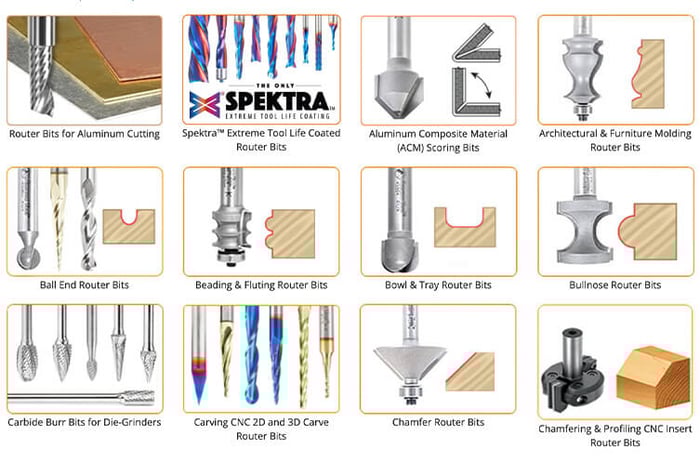
Cut out tool bits carve shapes or slots. They do not create simple holes. They are used in machines like routers or milling tools.
Common Types
Drill bits come in many types, each for a special job. Some bits work well on wood, others on metal or plastic. The shape and tip design change how they cut.
- Twist bits: Most common, used for wood, metal, plastic
- Spade bits: Flat, make large holes in wood
- Masonry bits: Made for drilling into brick or stone
- Countersink bits: Create space for screw heads
Cut Out Tool Bits Overview
Cut out tool bits are important in metalworking and woodworking. They help shape materials by cutting away unwanted parts.
These bits differ from drill bits as they focus on shaping rather than making holes.
Function And Applications
Cut out tool bits are used to remove material from a workpiece. They create grooves, slots, or shapes by cutting sideways or at angles.
- Used in lathes and milling machines
- Shape metal, wood, or plastic
- Create detailed patterns or smooth surfaces
- Useful in manufacturing and repair work
Popular Variants
There are several types of cut out tool bits. Each type suits different tasks and materials.
| Variant | Description | Common Use |
| Square Nose | Flat cutting edge | General purpose cutting |
| Round Nose | Curved cutting edge | Grooving and rounding |
| Diamond Nose | Pointed edge | Fine detail work |
| Threading Bit | Special shape for threads | Cutting screw threads |
Material And Design Differences
Drill bits and cut out tool bits look similar but have different materials and shapes. These differences help them do their jobs well.
Understanding these differences helps you pick the right tool for your work.
Construction Materials
Drill bits often use strong metals like high-speed steel or carbide. These materials last long and stay sharp when drilling hard surfaces.
Cut out tool bits also use tough materials but focus more on wear resistance. They can be made of carbide or coated metals to handle cutting and shaping tasks.
- Drill bits: high-speed steel, carbide
- Cut out tool bits: carbide, coated metals
- Both need hardness and durability
Shape And Cutting Edges
Drill bits have a pointed tip with spiral grooves. The spirals remove material as the bit drills into the surface.
Cut out tool bits usually have flat or curved edges. Their shapes suit cutting, carving, or shaping materials rather than drilling holes.
- Drill bits: pointed tip, spiral grooves
- Cut out tool bits: flat or curved edges
- Shapes match their specific cutting tasks
Credit: toolstoday.com
Performance And Efficiency
Drill bits and cut out tool bits serve different purposes in cutting and shaping materials. Their performance varies based on design and application.
Understanding their cutting speed and precision helps choose the right tool for your project and improve efficiency.
Cutting Speed
Drill bits are designed to cut quickly into materials by rotating and removing material in a circular motion. Cut out tool bits use a scraping or slicing action and usually operate at slower speeds.
- Drill bits work best at high rotational speeds.
- Cut out tool bits require slower speeds to prevent damage.
- Faster cutting speeds with drill bits reduce work time.
- Cut out bits offer more control but at slower speeds.
Precision And Finish
Cut out tool bits provide higher precision and smoother finishes. They are ideal for detailed shaping and fine work. Drill bits focus on creating holes and rough cuts.
| Tool Type | Precision | Surface Finish | Typical Use |
|---|---|---|---|
| Drill Bits | Moderate | Rough | Drilling holes |
| Cut Out Tool Bits | High | Smooth | Shaping and fine cuts |
Compatibility With Machines
Drill bits and cut out tool bits are different tools used for various tasks. Their compatibility with machines depends on their design and use. Knowing how they fit into machines helps in choosing the right bit for the job.
Understanding tool holders and machine types is key to using these bits properly. This guide explains these aspects clearly.
Tool Holders And Mounting
Drill bits and cut out tool bits use different holders. Drill bits usually fit into chucks or collets. Cut out tool bits often mount in tool holders designed for shaping or cutting.
- Drill bits need a chuck or collet to hold them tightly.
- Cut out tool bits require a stable tool holder for precise cutting.
- Mounting must match the bit’s shank size and shape.
- Incorrect mounting can cause poor performance or damage.
Machine Types
Different machines use drill bits and cut out tool bits differently. Drill bits are common in drill presses and CNC drilling machines. Cut out tool bits work in milling machines and CNC routers.
| Machine Type | Uses Drill Bits | Uses Cut Out Tool Bits |
| Drill Press | Yes | No |
| CNC Drilling Machine | Yes | No |
| Milling Machine | Sometimes | Yes |
| CNC Router | No | Yes |
Safety Considerations
Drill bits and cut out tool bits look similar but serve different purposes. Using them safely means knowing their differences and how to handle each tool properly.
Safety helps prevent accidents and keeps your work smooth. Always follow safety rules when using these bits.
Proper Usage
Use drill bits only for drilling holes in wood, metal, or plastic. Cut out tool bits are for shaping or removing material in detailed work.
Always select the right bit for your task. Check if the bit fits securely in the tool before starting.
- Use drill bits with drills only
- Use cut out bits with rotary or specialty tools
- Wear safety glasses to protect your eyes
- Keep hands clear of spinning bits
Potential Hazards
Using the wrong bit or tool can cause bits to break or slip. This may lead to injury or damage to the workpiece.
Bits can get hot and cause burns. Flying debris can hurt your eyes or skin if you do not wear protection.
- Broken bits may fly off and cause injury
- Sharp edges can cut your skin
- High speed can cause loss of control
- Debris can cause eye injuries without goggles
Choosing The Right Bit
Drill bits and cut out tool bits look similar but serve different jobs. Picking the right bit makes your work easier and safer.
Understanding the task and the material helps you choose the best bit for your project.
Project Requirements
Each project needs specific bit types. Drill bits make round holes. Cut out tool bits shape or carve out parts of the material.
- Use drill bits for making holes only.
- Use cut out tool bits for shaping edges and designs.
- Check the size and depth needed before choosing.
- Match the bit to your tool for safety and accuracy.
Material Being Worked On
Different materials need different bits. Using the wrong bit can cause damage or poor results.
| Material | Best Bit Type | Tip |
| Wood | Both drill bits and cut out bits | Choose sharp bits for clean cuts |
| Metal | Drill bits only | Use bits designed for metal drilling |
| Plastic | Drill bits mainly | Use slow speed to avoid melting |
| Tile | Special drill bits | Use water to cool the bit |

Credit: www.findbuytool.com

Credit: www.findbuytool.com
Frequently Asked Questions
What Are Drill Bits Used For?
Drill bits are primarily used for creating holes in various materials. They are commonly used in wood, metal, and plastic. Their primary function is to bore holes for screws, bolts, or other fasteners. Drill bits come in various sizes and shapes to suit different applications and materials.
What Are Cut Out Tool Bits?
Cut out tool bits are designed for cutting and shaping materials. Unlike drill bits, they are not used for drilling holes. Instead, they are used for tasks like cutting drywall, wood, or metal. They are often used in renovation and remodeling projects for precision cuts.
Can Drill Bits Replace Cut Out Tool Bits?
Drill bits cannot replace cut out tool bits. They serve different purposes and are not interchangeable. Drill bits are for creating holes, while cut out tool bits are for cutting shapes and patterns. Using a drill bit for cutting can damage materials and tools.
Are Cut Out Tool Bits Versatile?
Cut out tool bits are versatile and can be used on various materials. They are ideal for tasks like cutting drywall, wood, and metal. Their versatility makes them a popular choice for DIY projects and professional tasks. They offer precision and control in cutting applications.
Conclusion
Drill bits and cut out tool bits serve different purposes in work. Drill bits make round holes by spinning straight down. Cut out tool bits shape or remove material by cutting sideways. Using the right bit saves time and keeps your work neat.
Mixing them up can cause damage or poor results. Choose tools based on your project needs. Understanding these differences helps you work smarter and safer. Simple tools, clear uses. That’s the key to better results every time.