

Are you wondering if you can cut down a tree in your garden? It might seem like a simple task, but there’s more to it than just grabbing an axe or saw.
Your tree could be protected by laws, or cutting it down might affect your property and neighbors in ways you hadn’t thought about. Before you make any decisions, it’s important to know the rules and what steps you should take.
Keep reading to find out everything you need to know before cutting down that tree in your garden.
Tree Ownership And Rights
Cutting down a tree in your garden may seem simple. Knowing who owns the tree is important before you act.
Understanding tree ownership helps avoid disputes with neighbors or legal issues.
Determining Tree Ownership
Usually, the tree owner is the person who owns the land where the tree grows. This means the tree belongs to the property owner.
- If the tree is fully on your land, you own it.
- If the tree trunk is on the boundary line, ownership may be shared.
- Roots that grow under your land may belong to you, even if the trunk is outside.
- Check your property deed or survey to confirm boundaries.
Neighboring Trees And Boundaries
Trees near property borders can cause conflicts. It is important to know the rules for cutting such trees.
| Situation | Who Can Cut the Tree? | Notes |
| Tree fully on your land | You | You can cut it without permission. |
| Tree on boundary line | Both owners | Permission from both needed. |
| Branches overhanging your land | You | You may trim branches but not harm the tree. |
| Roots from neighbor’s tree | Neighbor | You may ask neighbor to remove roots if they cause damage. |
Local Tree Protection Laws
Many local rules stop you from cutting trees in your garden. These laws protect the environment and keep trees safe.
You must know the laws before you cut or remove any tree. Breaking these laws can lead to fines or penalties.
Tree Preservation Orders
A Tree Preservation Order (TPO) protects certain trees or groups of trees. You cannot cut, lop, or damage these trees without permission.
- You must get approval from the local council before doing any work.
- Permission is needed even for pruning or trimming.
- Breaking a TPO rule can lead to fines and legal action.
- You can apply for permission by submitting a formal request.
Conservation Areas
Trees in Conservation Areas also have special protection. You must give the local authority six weeks’ notice before cutting or removing a tree.
| Action | Requirement |
| Cutting down a tree | 6 weeks notice to council |
| Pruning branches | May need permission |
| Removing a tree | Requires council approval |
| Ignoring rules | Possible fines and penalties |
When Permission Is Required
You may need permission before cutting down a tree in your garden. Rules depend on your location and tree type. Sometimes, local laws protect certain trees.
Checking if you need consent helps avoid fines or legal problems. It also protects the environment and your community.
Applying For Consent
If your tree is protected, you must apply for permission from the local council. This usually involves filling out a form and providing details about the tree.
- Identify if your tree is under a Tree Preservation Order (TPO) or in a conservation area
- Contact your local council to request the application form
- Provide information about the tree’s location, size, and reason for removal
- Wait for the council’s decision before cutting the tree
Permission may take a few weeks. The council can approve, deny, or set conditions for cutting the tree.
Consequences Of Unauthorized Cutting
Cutting down a tree without consent can lead to serious consequences. Authorities take this issue seriously.
| Consequence | Details |
|---|---|
| Fines | You may pay large fines depending on the tree’s value and local laws. |
| Legal Action | Council can take legal steps, including prosecution in court. |
| Tree Replacement | You might be required to plant new trees to replace the removed one. |
| Restoration Orders | Orders may demand you restore the site or repair damage caused. |

Credit: www.reddit.com
Exceptions To Tree Cutting Rules
Many places have rules about cutting down trees in your garden. These rules protect nature and keep the area safe. Sometimes, you can cut a tree even if there are rules. These are called exceptions.
This guide explains two common exceptions. They help you know when you can remove a tree without breaking the law.
Health And Safety Reasons
You can cut a tree if it creates health or safety problems. For example, if a tree blocks emergency exits or damages power lines.
Sometimes tree roots can harm buildings or underground pipes. Removing the tree can stop more damage and keep people safe.
- Tree blocking fire escape routes
- Tree interfering with electrical wires
- Roots damaging house foundations or pipes
- Tree limiting visibility on roads or paths
Dead Or Dangerous Trees
Dead or dying trees can fall and cause damage or injury. You can cut these trees down to protect your home and family.
If a tree looks weak, has large cracks, or leans too much, it may be dangerous. Removing it stops accidents before they happen.
- Trees with dead branches or no leaves
- Trees with large cracks or splits
- Trees leaning heavily or uprooted
- Trees infected by pests or disease
Best Practices Before Cutting
Cutting down a tree in your garden needs careful thought. Trees add beauty and shade to your home.
Before cutting, you must follow some important steps. These help protect the environment and respect rules.
Consulting Local Authorities
Many places have rules about cutting trees. You may need a permit or permission first.
Contact your local council or government office. They can tell you what is allowed in your area.
- Check if a permit is required
- Learn about protected tree species
- Understand fines for illegal cutting
Informing Neighbors
Neighbors may be affected by tree cutting. Let them know before you start the work.
Talking with neighbors helps avoid conflicts. It also shows respect for their property and views.
- Tell neighbors the date of cutting
- Explain why you need to cut the tree
- Discuss safety precautions to be taken
Hiring Professionals
Cutting down a tree in your garden can be risky and complex. It is best to hire professionals for safe removal.
Experts have the right tools and skills to handle trees carefully. They also follow local rules and safety standards.
Choosing Certified Arborists
Certified arborists have special training in tree care and removal. They know how to protect your garden and property.
- Check for proper certification and licenses
- Ask about their experience with tree cutting
- Request proof of insurance to avoid liability
- Read reviews or get recommendations
Legal Responsibilities Of Tree Services
Tree service companies must follow laws about tree removal. These laws protect your neighborhood and environment.
| Legal Aspect | What It Means |
| Permits | Must get permission before cutting certain trees |
| Property Damage | Company must fix or pay for damages caused |
| Waste Disposal | Proper removal and disposal of tree debris required |
| Safety Standards | Workers must follow safety rules to prevent accidents |
After Cutting Considerations
Cutting down a tree in your garden is just the first step. You need to think about what to do next. Proper care helps keep your garden safe and clean.
Taking the right actions after cutting protects the environment. It also makes your garden look nice and healthy.
Disposal Of Tree Waste
Tree waste includes branches, leaves, and the trunk. You should remove this waste carefully. Leaving it can cause pests and diseases.
There are several ways to dispose of tree waste. You can recycle it, compost it, or take it to a green waste center.
- Chop branches into smaller pieces for easier handling
- Use wood chips as mulch in your garden
- Compost leaves to create natural fertilizer
- Contact local waste centers for tree waste collection
Replanting And Environmental Impact
Cutting a tree affects the environment around your garden. Planting new trees can help balance this change. It keeps the air clean and supports wildlife.
Choose native trees for replanting. They grow well and need less care. Replanting also improves soil and reduces erosion.
- Pick trees that fit your garden size
- Plant trees away from buildings and pipes
- Water new trees regularly for healthy growth
- Use mulch to keep soil moist and healthy
Credit: www.lawnstarter.com

Credit: www.reddit.com
Frequently Asked Questions
Can I Cut Down Any Tree In My Garden?
You can cut down most trees in your garden, but check local laws first. Some trees may be protected or require permits to remove legally.
Do I Need Permission To Cut My Garden Tree?
Permission depends on local regulations. If the tree is protected or in a conservation area, you likely need approval before cutting it down.
What If My Tree Is Diseased Or Dangerous?
You can usually remove diseased or dangerous trees without permission. However, notifying local authorities or neighbors is advisable to avoid disputes.
How Should I Safely Cut Down A Garden Tree?
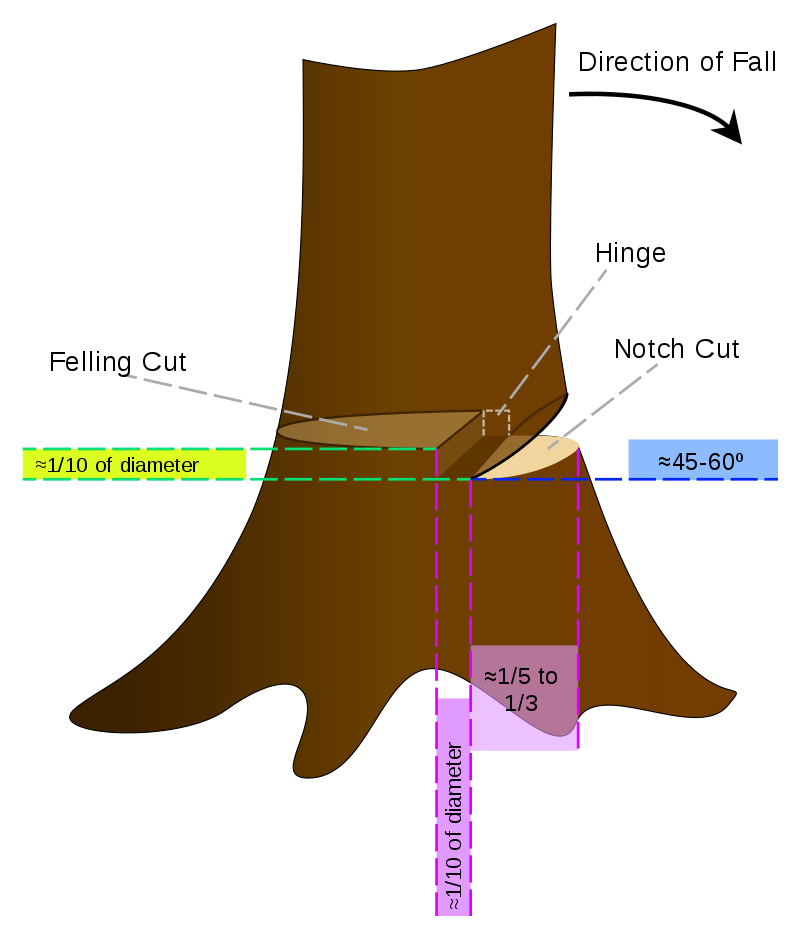
Use proper tools and safety gear. If the tree is large or near structures, hire a professional to avoid accidents and damage.
Conclusion
Deciding to cut a tree in your garden needs thought. Check local regulations first. They guide your actions and avoid penalties. Consider the tree’s health and safety. Sometimes, trees pose risks to property. Consult experts for advice. They offer insights and solutions.
Tree removal might not be the only option. Pruning can be an alternative. It helps maintain garden beauty and safety. Always prioritize safety and legality. Respect your environment and community. Making informed choices benefits everyone. Keep nature and your garden in harmony.