


Are you wondering if you can spray your garden with Roundup before you plant? It’s a common question for gardeners looking to clear weeds quickly and start fresh.
You want your garden to thrive, but using chemicals like Roundup can feel risky. What if it harms your soil or your new plants? You’ll discover the facts about using Roundup before planting. You’ll learn when it’s safe, how to do it right, and what to avoid to protect your garden’s health.
Keep reading to make smart choices and give your garden the best start possible.

Credit: www.reddit.com
What Is Roundup?
Roundup is a popular weed killer used in gardens and farms. It helps remove unwanted plants before planting new ones.
People often ask if they can spray Roundup before planting seeds or plants. Understanding what Roundup is will help answer this.
Active Ingredients
The main active ingredient in Roundup is glyphosate. Glyphosate kills most weeds and grasses by stopping a vital process in plants.
- Glyphosate is a broad-spectrum herbicide.
- It targets enzymes plants need to grow.
- Roundup may also contain other ingredients to help glyphosate work better.
How It Works
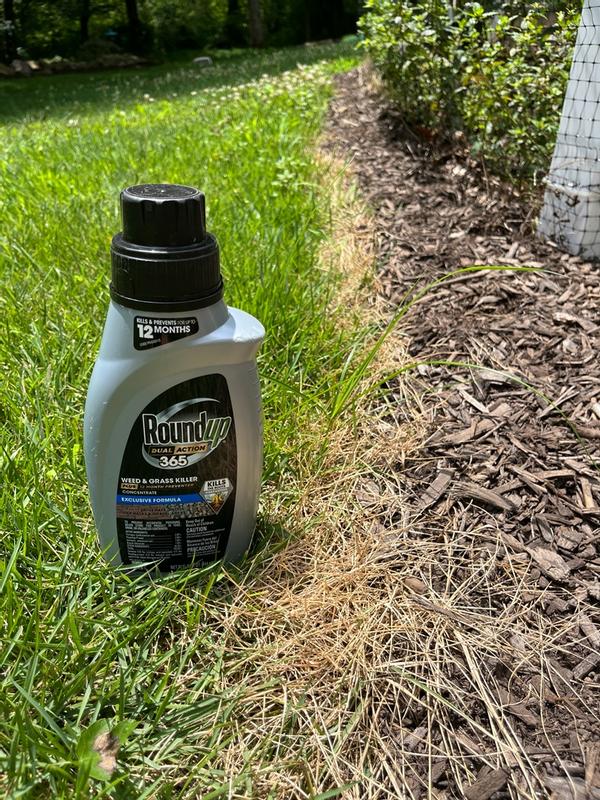
Roundup is absorbed by the leaves of plants. It moves through the plant to kill roots and shoots.
This stops the plant from making important proteins. Without these proteins, the plant dies over a few days.
Credit: roundup.com
When To Apply Roundup
Using Roundup before planting helps clear weeds and unwanted plants. Timing is key to make sure your new plants grow well.
Applying Roundup too early or too late can affect your garden’s health. Learn the best time to spray Roundup before planting.
Ideal Timing Before Planting
Spray Roundup at least 7 to 14 days before planting. This gives the herbicide time to work and weeds to die.
Wait until all the weeds look brown and dry before you plant. Planting too soon can harm new plants.
- Spray Roundup 1 to 2 weeks before planting
- Let weeds fully die and dry out
- Prepare soil after weeds are dead
Weather Considerations
Choose a dry day with no rain forecast for at least 24 hours. Rain can wash away Roundup before it works.
A calm day is best. Wind can blow the spray onto plants you want to keep safe.
- Spray on dry days with no rain for 24 hours
- Avoid windy days to prevent drift
- Temperatures between 60°F and 85°F help Roundup work well
Safe Application Tips
Using Roundup before planting can help clear weeds. It is important to apply it safely to protect yourself and the environment.
Follow these tips to use Roundup correctly and avoid problems.
Protective Gear
Wear protective gear to avoid skin and eye contact with Roundup. It can irritate your skin and eyes.
Use gloves, long sleeves, pants, and closed shoes. Safety goggles protect your eyes from spray drift.
- Waterproof gloves
- Long-sleeved shirts and pants
- Closed-toe shoes
- Safety goggles or glasses
Avoiding Drift
Drift happens when wind carries spray to unwanted areas. It can harm other plants or wildlife.
Spray when wind is calm, ideally below 10 mph. Avoid spraying near water or windy days.
- Check wind speed before spraying
- Spray early morning or late evening
- Use low pressure to reduce drift
- Do not spray near water bodies
Proper Dosage
Use the right amount of Roundup to be effective and safe. Too much can harm soil and plants.
Read the label instructions carefully. Mix only what you need for your garden size.
- Measure Roundup according to label
- Mix with the correct amount of water
- Do not use extra to speed up results
- Store leftover solution safely
Impact On Soil And Plants
Using Roundup in your garden can affect both soil and plants. Understanding these effects helps you prepare for planting.
This guide covers how Roundup influences soil health and the waiting time before planting new crops.
Effect On Soil Health
Roundup contains glyphosate, which kills weeds by stopping plant growth. It can also impact soil organisms.
- Glyphosate reduces beneficial bacteria in soil
- It may lower nutrient availability for plants
- Soil structure can weaken if microbes decline
- Some soil fungi may be harmed temporarily
- Long-term effects depend on soil type and use
Waiting Period Before Planting
After spraying Roundup, waiting before planting is important. This lets the chemical break down safely.
| Crop Type | Recommended Waiting Time |
| Vegetables | 7 to 14 days |
| Flowers | 7 days |
| Grass or Lawns | 7 to 21 days |
| Tree Seedlings | At least 30 days |
Alternatives To Roundup
Many gardeners ask if they can spray Roundup before planting. Roundup is a chemical herbicide that kills weeds but may harm soil health. There are safer ways to control weeds in your garden.
Using natural methods helps keep your garden healthy and avoids chemical risks. These alternatives work well to manage weeds before planting.
Natural Weed Control Methods
Natural weed control uses plants and natural materials to stop weeds. Mulching is a common way to block weed growth. It also keeps soil moist and cool.
Cover crops, like clover or rye, can outcompete weeds. They improve soil quality and reduce weed problems.
- Use organic mulch like straw or wood chips
- Plant cover crops to shade out weeds
- Apply corn gluten meal to prevent seed growth
- Use vinegar sprays for small weed patches
Manual Weed Removal
Manual removal means pulling weeds by hand or with tools. This method works well for small gardens or spots with tough weeds.
It prevents chemicals from entering the soil. Pull weeds when the soil is moist for easier removal. Make sure to remove the roots to stop regrowth.
- Use a hoe or hand fork to loosen soil
- Pull weeds from the base, not the top
- Remove all roots and leftover plant parts
- Regularly check your garden for new weeds

Credit: www.youtube.com
Common Mistakes To Avoid
Using Roundup in your garden needs care. Mistakes can harm your plants or soil. Avoid these common errors for safe use.
This guide covers key mistakes: overapplication and spraying in windy conditions. Learn how to prevent these problems before planting.
Overapplication Risks
Applying too much Roundup can damage your soil and future plants. It may take longer for the chemical to break down.
- Use only the recommended amount on the label.
- Do not spray more than once in a short time.
- Avoid heavy spraying near plants you want to keep.
- Be patient and let the product work before planting.
Spraying In Windy Conditions
Spraying Roundup when it is windy can cause drift. Drift means the herbicide moves to areas you did not target.
| Problem | Effect |
| Wind speed over 10 mph | Herbicide moves off target |
| Drift on nearby plants | Damage or kill desirable plants |
| Wasted product | More cost, less control |
| Environmental harm | Risk to wildlife and water sources |
Check weather before spraying. Wait for calm days or early mornings. This helps keep Roundup where you want it.
Legal And Environmental Concerns
Spraying Roundup before planting can affect your garden in many ways. It is important to know the legal rules and environmental effects.
Understanding these concerns helps you use herbicides safely and follow the law.
Regulations On Herbicide Use
Many places have laws about when and how you can use Roundup. These rules protect people and plants.
You often need to follow label instructions carefully. Using it too close to planting time may be illegal in some areas.
- Check local government rules before spraying
- Follow product label directions exactly
- Use protective gear as required
- Keep children and pets away during and after spraying
Environmental Impact
Roundup contains chemicals that can harm soil and water if not used properly. It may kill plants other than weeds.
Spraying before planting might reduce useful insects and soil life. This can hurt your garden’s health over time.
- Can contaminate nearby water sources
- May kill beneficial insects and microbes
- Could lead to herbicide-resistant weeds
- Needs careful timing to reduce harm
Frequently Asked Questions
Can I Use Roundup Before Planting My Garden?
Yes, you can spray Roundup before planting. Wait at least 7 days after application to ensure weeds die completely. This prevents harm to new plants and allows safe soil preparation.
How Long Should I Wait After Roundup Before Planting?
Wait 7 to 14 days after spraying Roundup. This time allows the herbicide to work fully and prevents damage to your new plants.
Is Roundup Safe For Garden Soil Before Planting?
Roundup breaks down quickly in soil and is generally safe before planting. Avoid overuse, and always follow label instructions to protect soil health.
Can Roundup Affect My New Plants If Sprayed Early?
Yes, spraying Roundup too close to planting can harm seedlings. Always allow recommended waiting time to avoid damage to your garden plants.
Conclusion
Spraying your garden with Roundup needs careful timing. Ensure it doesn’t harm your plants. Wait for a few days after spraying before planting. This allows the herbicide to break down. Check the weather forecast. Rain can wash away the chemicals.
Consider alternatives, like natural weed control methods. They are safer for the environment. Always read the instructions on the label. Safety should be your priority. Use protective gear when handling chemicals. A healthy garden requires informed choices. So, plan wisely and enjoy a thriving garden.