

Are you planning to grow a lush, green lawn and wondering if you can use garden soil for your grass seed? Choosing the right soil can make all the difference between a patchy yard and a vibrant carpet of grass.
But not all soils are created equal, and using the wrong type could slow down your progress or even cause your grass seed to fail. You’ll discover the truth about garden soil and whether it’s the best choice for your grass seed.
Keep reading to find out how to give your lawn the best start possible!
Garden Soil Basics
Garden soil is the natural soil found in outdoor garden beds. It supports plant growth by holding roots and nutrients.
Many gardeners wonder if garden soil works well for planting grass seed. Understanding its features helps decide.
Composition And Texture
Garden soil is made of sand, silt, clay, and organic matter. The mix varies by location and affects how the soil feels.
Texture influences how easy it is for grass roots to grow. Soil can be sandy, loamy, or clay-like.
- Sandy soil feels gritty and drains fast.
- Loamy soil is soft and holds moisture well.
- Clay soil is dense and can be hard for roots.
Nutrient Content
Garden soil contains natural nutrients needed for plant growth. Nutrient levels depend on soil type and past use.
Some garden soil may lack enough nutrients for new grass. Testing soil helps know what to add.
- Nitrogen helps grass grow green and strong.
- Phosphorus supports root development.
- Potassium improves grass hardiness.
Drainage Properties
Drainage is how well soil moves water away. Good drainage prevents water from pooling around grass roots.
Garden soil drainage varies by texture. Sandy soil drains quickly, clay soil drains slowly.
- Fast drainage may dry out grass seed too soon.
- Poor drainage can cause root rot and seed failure.
- Ideal soil drains well but keeps some moisture.
Grass Seed Needs
Grass seed grows best with the right soil and care. Choosing the right soil helps seeds sprout and roots grow strong.
Knowing what grass seed needs helps you create a healthy lawn that lasts for years.
Ideal Soil Conditions
Grass seed needs soil that drains well but holds some moisture. The soil should be loose and easy for roots to move through.
- Loamy soil with a mix of sand, silt, and clay
- Neutral to slightly acidic pH between 6.0 and 7.0
- Free of large rocks and debris
- Good air circulation in the soil
Water Retention
Soil must hold enough water to keep seeds moist. Too much water can drown seeds and cause disease.
| Soil Type | Water Retention Level | Best Use for Grass Seed |
| Sandy | Low | Needs frequent watering |
| Loamy | Medium | Ideal for most grass seeds |
| Clay | High | May cause poor drainage |
Root Growth Support
Strong roots need soil that is soft and rich in nutrients. Good root growth helps grass survive drought and wear.
Here are key soil features that support root growth:
- Loose texture for easy root expansion
- Enough organic matter for nutrients
- Proper pH for nutrient uptake
- Good drainage to prevent root rot
Pros Of Using Garden Soil
Garden soil can be a good choice for planting grass seed. It offers several benefits that help grass grow strong and healthy.
Using garden soil can improve the soil quality and support young grass roots well. It is worth considering for your lawn.
Availability And Cost
Garden soil is easy to find at local nurseries and garden centers. Many gardeners already have some on hand.
It is often less expensive than specialty soils made just for lawns. This makes it a budget-friendly option.
- Readily available in many places
- Lower cost compared to lawn-specific soil
- Can be reused from your garden
Organic Matter Benefits
Garden soil usually contains organic matter like compost and decomposed leaves. This helps soil stay moist.
Organic matter feeds grass roots and improves soil structure. It also helps with nutrient retention.
- Improves soil moisture retention
- Feeds grass with natural nutrients
- Supports healthy root growth
Credit: mulchpros.com
Cons Of Using Garden Soil
Using garden soil for planting grass seed is not always a good choice. Garden soil can cause problems that hurt the growth of grass. It is important to know the downsides before using it.
This article explains some common issues with garden soil. These include soil compaction, risks from weeds and pests, and drainage problems.
Compaction Issues
Garden soil tends to compact easily. Compacted soil has less air space. This makes it harder for grass roots to grow deep. It also reduces water movement in the soil.
Compacted soil can cause grass to become weak. The grass might dry out faster and die during hot weather.
Weed And Pest Risks
Garden soil can carry weed seeds and pests. These unwanted plants and insects compete with grass. They take nutrients and water that grass needs.
- Weeds can quickly spread and crowd out grass.
- Pests in garden soil can damage grass roots.
- It may require extra effort to control weeds and pests.
Poor Drainage Concerns
| Drainage Problem | Effect on Grass |
| Water stays on surface | Roots may rot and grass dies |
| Soil holds too much water | Grass grows weak and patchy |
| Uneven drying | Grass grows unevenly and looks bad |
Garden soil often does not drain well. Poor drainage causes water to collect and damage grass roots. This leads to poor grass growth and bare spots.
Soil Preparation Tips
Good soil helps grass seed grow strong and healthy. Preparing soil right gives your lawn a better start.
These tips cover how to check soil quality, improve it, and clear the area before planting grass seed.
Testing Soil Quality
Test your soil to know what it needs. A soil test shows pH level and nutrients. This helps you choose the right amendments.
- Collect soil samples from different spots in your lawn.
- Mix the samples in a clean bucket.
- Send the mix to a local extension office or use a home test kit.
- Check the report for pH and nutrient levels.
Amending For Better Results
Add materials to improve soil texture and nutrients. This step helps grass roots grow well and absorb water.
| Soil Problem | Amendment | Benefit |
| Too acidic | Lime | Raises pH to neutral |
| Too alkaline | Sulfur | Lowers pH for better growth |
| Heavy clay | Sand or compost | Improves drainage and aeration |
| Low nutrients | Organic fertilizer | Supplies essential nutrients |
Removing Debris And Weeds
Clear the area before planting. Remove rocks, sticks, and old grass. Pull out weeds to stop them from growing with your new grass.
- Rake the soil to remove debris and smooth the surface.
- Use a hoe or hand pull to remove weeds completely.
- Dispose of weeds away from the planting site.
- Break up large clumps of soil for better seed contact.

Credit: www.reddit.com
Alternatives To Garden Soil
Garden soil is not always the best choice for planting grass seed. It may have poor drainage or low nutrients. Many gardeners look for other options to help grass grow well.
Using the right soil mix can improve seed germination and root growth. Here are some good alternatives to garden soil for grass seed planting.
Topsoil Selection
Topsoil is the upper layer of soil that contains organic matter and nutrients. It is usually better than garden soil for grass seed. Choose topsoil that is loose and well-draining.
Look for topsoil that is free of large rocks, sticks, and weeds. This will help grass roots grow easily and get enough air and water.
- Choose screened topsoil for fine texture
- Avoid clay-heavy or sandy topsoil
- Check for good color and smell
- Use topsoil that is free of contaminants
Specialized Seed Starters
Seed starter mixes are made specifically for starting seeds. They have light and fluffy textures that help seeds sprout quickly. These mixes drain well and hold moisture evenly.
Seed starters often contain peat moss, vermiculite, and perlite. These materials give seeds the right environment to grow strong roots.
- Use seed starters for better seed germination
- They reduce risk of seed rot or damping-off
- Mix seed starter with topsoil for lawns
- Available at garden centers and nurseries
Compost Mixes
Compost adds nutrients and organic matter to soil. Mixing compost with soil improves fertility and helps grass grow healthier. Compost keeps the soil loose and improves water retention.
Use well-aged compost to avoid burning young grass seeds. Compost can be mixed with topsoil or seed starters to create a rich planting medium.
- Use compost to enrich poor soils
- Mix compost with other soil for better texture
- Ensure compost is fully decomposed
- Provides natural nutrients for grass growth
Expert Recommendations
Using garden soil for grass seed can work in some cases. It depends on the soil quality and type. Garden soil may have nutrients but might not drain well.
Experts suggest preparing the soil properly before planting grass seed. This helps seeds grow strong roots and healthy grass blades.
Best Practices For Seeding
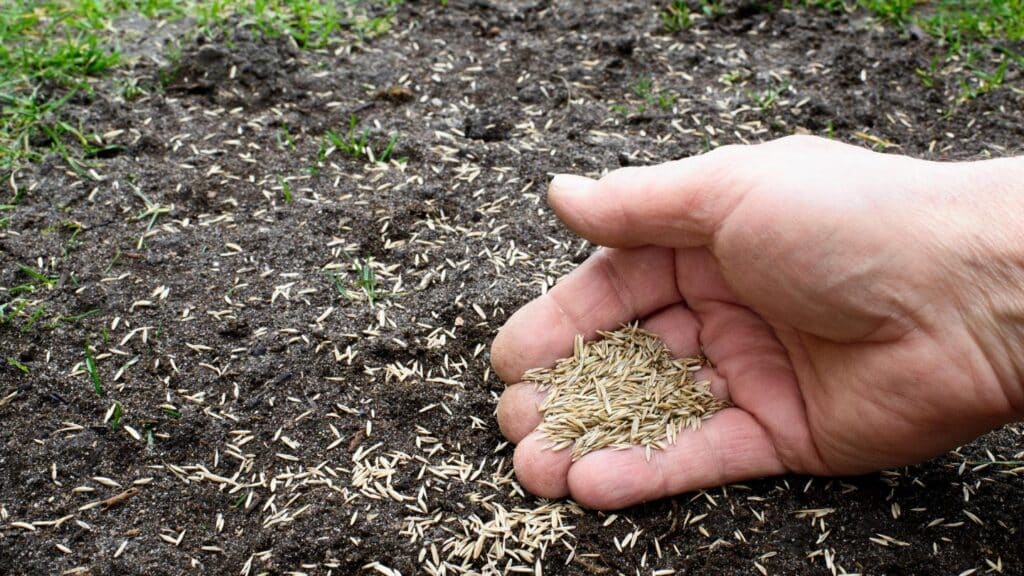
Check garden soil for rocks, sticks, and debris before planting. Loosen the soil to allow roots to grow easily. Spread grass seed evenly over the soil.
Lightly cover the seeds with a thin layer of soil or compost. Keep the soil moist to help seeds sprout faster.
- Remove debris and large clumps
- Loosen soil to a depth of 2-3 inches
- Spread seed evenly across the area
- Cover seeds lightly with soil
- Water gently and keep soil moist
Maintenance Tips
Water grass regularly during the first few weeks. Avoid overwatering to prevent soil compaction. Mow the grass only when it reaches about 3 inches tall.
Fertilize the lawn with a balanced fertilizer after the grass grows a few inches. Keep an eye on pests and weeds, and remove them quickly.
- Water daily but do not flood the soil
- Mow when grass is 3 inches tall
- Apply balanced fertilizer after growth starts
- Watch for pests and pull weeds
When To Replace Soil
Replace garden soil if it is heavy clay or too sandy. Poor soil can stop grass roots from growing well. If soil drains poorly or smells bad, it needs replacement.
Good soil for grass is loose, rich in nutrients, and drains water well. Use topsoil or a soil mix made for lawns if garden soil is not suitable.
- Soil is heavy clay or very sandy
- Soil drains water too slowly or not at all
- Soil has bad odor or mold
- Grass fails to grow after seeding
- Use lawn topsoil or special soil mixes

Credit: www.grassseedonline.co.uk
Frequently Asked Questions
Can I Use Garden Soil To Grow Grass Seed?
Garden soil is not ideal for grass seed. It may contain debris, poor nutrients, and compaction. Use topsoil or seed starter mix for better germination and healthy grass growth.
What Type Of Soil Is Best For Grass Seed?
Loamy, well-drained, and nutrient-rich soil is best for grass seed. It supports seed germination and root development, ensuring a lush, green lawn.
How To Prepare Garden Soil For Grass Seed?
Remove debris, loosen soil, and add organic matter or compost. Level the area and ensure good drainage before seeding to promote healthy grass growth.
Will Garden Soil Affect Grass Seed Germination?
Yes, garden soil can hinder germination due to poor texture and nutrients. Using quality topsoil or seed-specific mixes improves seed-to-soil contact and moisture retention.
Conclusion
Choosing the right soil ensures healthy grass growth. Garden soil can work, but it’s not ideal. It may lack nutrients needed for grass seeds. Good soil helps seeds sprout and roots grow strong. Consider improving garden soil with compost or topsoil.
This makes it more suitable for grass. Test soil quality before planting. Know what’s needed for best results. A good base leads to a lush lawn. Proper preparation saves time and effort. Grass thrives when soil conditions are right. Always aim for a healthy, green lawn.
Your garden will thank you.