

Have you ever wondered if you can freeze your garden seeds to keep them fresh longer? If you’re like many gardeners, you want to make sure your seeds stay viable until planting time.
Freezing seeds might sound like a smart solution, but is it really safe for all types? You’ll discover the truth about freezing garden seeds, how it affects their growth, and the best ways to store them so your garden thrives year after year.
Keep reading to unlock simple tips that could save your seeds—and your next harvest.
Benefits Of Freezing Seeds
Freezing garden seeds helps keep them fresh for a long time. It slows down seed aging and stops mold growth.
Gardeners can save rare or expensive seeds by freezing them. This method keeps seeds ready for future planting seasons.
Extends Seed Viability
Freezing seeds slows the natural aging process. Seeds stay alive and healthy much longer in cold storage.
With freezing, seeds can remain viable for many years. This helps gardeners keep a steady supply without buying new seeds.
Prevents Mold And Pests
Cold temperatures stop mold from growing on seeds. Freezing also keeps insects and pests away.
This keeps seeds clean and safe, increasing the chance they will sprout when planted.
Saves Money And Resources
Freezing seeds lets gardeners store leftover seeds for next year. This reduces the need to buy new seeds often.
It also helps keep seeds from rare plants that might be hard to find later.
Maintains Genetic Diversity
Freezing garden seeds helps preserve different plant types. This keeps the variety of plants available for future gardens.
Gardeners can protect heirloom seeds and unique varieties by freezing them properly.

Credit: smallfarms.cornell.edu
Which Seeds Can Be Frozen
Freezing seeds helps keep them fresh for many years. Not all seeds do well in the freezer. Some seeds lose their ability to grow after freezing.
It is important to know which seeds can be frozen safely. This guide explains which seeds handle freezing best.
Vegetable Seeds
Many vegetable seeds survive freezing well. These seeds usually have low moisture content. Examples include beans, peas, and tomatoes.
- Beans
- Peas
- Tomatoes
- Peppers
- Cucumbers
Flower Seeds
Some flower seeds freeze well if they are dry. Marigold and zinnia seeds stay good after freezing. Avoid freezing seeds with high moisture.
| Flower | Freezing Suitability |
|---|---|
| Marigold | Good |
| Zinnia | Good |
| Lily | Poor |
| Sunflower | Moderate |
Herb Seeds
Herb seeds like basil and dill often freeze well. They keep their germination power after thawing. Store them in airtight containers.
- Basil
- Dill
- Chives
- Thyme
Seeds That Should Not Be Frozen
Some seeds do not survive freezing. These seeds have high moisture or are very delicate. Avoid freezing lettuce, corn, and spinach seeds.
- Lettuce
- Corn
- Spinach
- Celery
Preparing Seeds For Freezing
Freezing garden seeds helps keep them fresh for a long time. Proper preparation is key to protecting seeds during freezing. This guide explains how to prepare seeds before freezing.
Cleaning and drying seeds removes moisture and debris. Good packaging prevents damage and keeps seeds safe. Follow the steps below for best results.
Cleaning And Drying
Start by removing plant material like leaves and stems. Clean seeds gently to avoid damage. Dry seeds completely to stop mold growth and decay.
- Remove all dirt and plant debris by hand or using a fine sieve.
- Wash seeds briefly in cool water if needed, then drain well.
- Spread seeds on a paper towel in a warm, dry place.
- Let seeds dry for several days until they feel hard and brittle.
- Test dryness by biting a seed; it should snap, not bend.
Packaging Tips
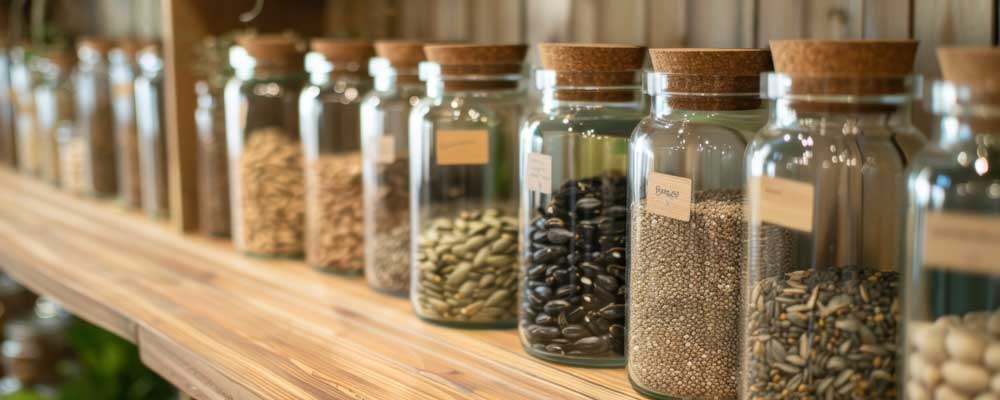
Choose the right containers to keep seeds safe from moisture and air. Label packages clearly with seed type and date. Store packages in a freezer-safe place.
| Packaging Material | Purpose |
| Paper envelopes | Allow seeds to breathe before freezing |
| Plastic freezer bags | Protect seeds from moisture during freezing |
| Glass jars with tight lids | Provide airtight storage for long-term freezing |
| Vacuum-sealed bags | Remove air and prevent freezer burn |
Credit: seedmart.com.au
Freezing Methods
Freezing garden seeds helps keep them fresh for a long time. Proper freezing stops seeds from spoiling or losing their ability to grow.
You need to use the right containers and techniques to protect seeds from moisture and air. This keeps seeds safe during freezing.
Using Airtight Containers
Airtight containers keep seeds dry and safe from air. They prevent moisture from entering and damaging the seeds.
Use small jars or plastic containers with tight lids. Make sure containers are clean and completely dry before adding seeds.
- Label containers with seed type and date
- Do not fill containers completely; leave some air space
- Store containers in the freezer’s coldest part
Vacuum Sealing
Vacuum sealing removes air from seed bags or containers. This method stops oxygen from harming seeds during freezing.
Use a vacuum sealer with special bags made for freezing. Place seeds inside, seal tightly, and then freeze.
- Vacuum sealing reduces freezer burn risk
- It helps keep seeds dry and fresh longer
- Label bags with seed details before sealing
Storage Duration And Seed Viability
Freezing garden seeds is a common way to store them for a long time. It helps keep seeds healthy and ready for planting.
Seed viability means how well seeds can grow into plants. Proper storage affects this a lot.
How Long Can Seeds Be Frozen?
Most garden seeds can last several years in the freezer. Some seeds stay good for 5 to 10 years or more.
Freezing slows down seed aging. It stops seed enzymes from working and keeps seeds from spoiling.
- Seeds with hard shells last longer in the freezer
- Soft seeds may lose viability faster
- Label seeds with the freezing date for tracking
Does Freezing Affect Seed Viability?
Freezing can keep seeds alive if done right. Seeds must be dry before freezing to avoid damage.
Moisture in seeds can form ice crystals. These crystals break seed cells and reduce viability.
- Dry seeds at about 5-8% moisture before freezing
- Store seeds in airtight containers to stop moisture
- Slowly thaw seeds before planting to avoid shock
Thawing And Using Frozen Seeds
Freezing garden seeds is a good way to keep them fresh for a long time. But you need to thaw them carefully before planting.
Thawing frozen seeds properly helps them grow strong and healthy. Here are some tips on how to do it right.
How To Thaw Frozen Seeds
Take the seeds out of the freezer and keep them in a cool, dry place. Let them warm up slowly to room temperature.
Do not open the seed container while thawing. This stops moisture from getting inside and damaging the seeds.
- Remove seeds from freezer
- Keep seeds sealed during thawing
- Allow seeds to reach room temperature
- Keep seeds dry to avoid mold
Preparing Frozen Seeds For Planting
After thawing, check seeds for any signs of moisture or damage. Use only healthy seeds for planting.
Plant seeds as soon as possible after thawing. This helps them start growing before they lose vitality.
- Inspect seeds for damage
- Discard any wet or moldy seeds
- Plant seeds soon after thawing
- Follow seed packet planting instructions
Tips For Using Frozen Seeds Successfully
Keep frozen seeds in airtight containers to avoid moisture. Label containers with the date and seed type.
Do a germination test before planting many seeds. This helps check if frozen seeds are still good.
- Store seeds airtight and dry
- Label seed containers clearly
- Test germination on a few seeds first
- Use fresh potting soil for planting
Common Mistakes To Avoid
Freezing garden seeds can help keep them fresh for a long time. But some common mistakes can ruin your seeds.
Knowing what to avoid will help you store seeds properly and grow healthy plants later.
Freezing Seeds Without Drying Them First
Seeds must be completely dry before freezing. Moisture can cause ice crystals to form inside seeds.
Ice crystals damage seeds and lower their ability to sprout later.
- Dry seeds for several days in a cool, dry place
- Use a moisture meter or feel the seeds for dryness
- Avoid freezing if seeds feel damp or sticky
Using Non-airtight Containers
Seeds need airtight containers to avoid moisture and freezer burn. Plastic bags or containers that seal well work best.
Air can cause seeds to get wet or dry out, lowering their quality.
- Use sealed plastic bags or glass jars with tight lids
- Remove as much air as possible before sealing
- Label containers with seed type and date
Freezing Seeds That Don’t Store Well
Not all seeds survive freezing. Some seeds have high moisture and don’t freeze well.
Research your seed type before freezing to avoid losing them.
- Do not freeze beans, peas, or corn seeds
- Vegetable and flower seeds usually freeze better
- Check seed packets or reliable sources for storage tips
Freezing Seeds Without Temperature Control
Freezers that change temperature often can damage seeds. Keep seeds in a freezer with steady cold.
Avoid storing seeds in freezers that open many times daily or have defrost cycles.
- Use a deep freezer if possible
- Keep seeds away from the door to avoid warm air
- Maintain freezer temperature around 0°F (-18°C)
Not Allowing Seeds To Return To Room Temperature Gradually
Taking seeds out of the freezer and exposing them to warm air can cause moisture to form.
Always let seeds warm up slowly before opening containers to avoid condensation.
- Move seeds to a cool, dry place first
- Wait several hours before opening sealed containers
- Keep containers closed until seeds reach room temperature
Credit: www.gardeningknowhow.com
Frequently Asked Questions
Can Garden Seeds Be Frozen For Long-term Storage?
Yes, freezing garden seeds can preserve their viability for years. Proper drying and airtight packaging are essential before freezing to prevent moisture damage and maintain seed quality.
How Do I Prepare Garden Seeds For Freezing?
Dry seeds thoroughly and place them in airtight containers or vacuum-sealed bags. Label the containers with seed type and date before freezing for easy identification.
Will Freezing Affect Seed Germination Rates?
Freezing generally does not harm seeds if properly prepared. It helps maintain germination rates by slowing aging and preventing mold or insect damage.
Which Seeds Should Not Be Frozen?
Seeds with high moisture content or those that are sensitive, like lettuce or spinach, may lose viability when frozen. Check seed-specific guidelines before freezing.
Conclusion
Freezing garden seeds is a smart way to extend their life. Keep seeds dry and in airtight containers for best results. Not all seeds handle freezing well, so research each type. Proper labeling helps avoid confusion later. Thaw seeds slowly before planting to ensure success.
Freezing is cost-effective and helps maintain seed quality. Experiment with different storage methods to see what works best. Your garden will thank you with a bountiful harvest. Remember, a little care goes a long way in preserving seeds. Happy gardening!