

Are you wondering if you can plant grass seed directly in your garden soil? You’re not alone.
Many gardeners face the same question when trying to create a lush, green lawn. The answer isn’t always simple, but knowing the right steps can make all the difference. You’ll discover how garden soil affects grass growth and what you need to do to ensure your grass seeds thrive.
Keep reading to turn your patch of soil into a vibrant, healthy lawn you’ll be proud of.
Choosing The Right Grass Seed
Planting grass seed in garden soil needs careful seed choice. Picking the right seed helps your lawn grow healthy and strong.
Grass seed types vary by climate and soil. This guide helps you choose the best seed for your garden.
Cool-season Vs Warm-season Grass
Grass grows best in different climates. Cool-season grass grows well in cooler areas. Warm-season grass thrives in hot places.
Choose cool-season grass if you live where winters are cold. Pick warm-season grass if summers are long and hot.
- Cool-season types: Kentucky bluegrass, fescue, ryegrass
- Warm-season types: Bermuda, zoysia, St. Augustine
Seed Quality And Purity
High-quality seed grows better and lasts longer. Look for seed with high purity and germination rates.
Low-quality seed may contain weeds or other seeds. Always check the label for purity and germination percentages.
- Purity means seed is free from other seeds and debris
- Germination rate shows how many seeds will sprout
- Certified seed ensures tested quality
Selecting Based On Climate And Soil
Grass seed must match your local climate and soil type. Some seeds grow better in sandy soil, others in clay.
Consider rainfall, temperature, and soil drainage. Choose seed that fits these conditions for best results.
| Climate | Soil Type | Recommended Grass Seed |
|---|---|---|
| Cool, moist | Loamy or clay | Fescue, ryegrass |
| Hot, dry | Sandy or well-drained | Bermuda, zoysia |
| Warm, humid | Clay or loamy | St. Augustine |
Preparing Garden Soil For Seeding
Planting grass seed needs good soil to help the seeds grow strong roots. Preparing your garden soil is an important first step.
Well-prepared soil improves seed contact and water absorption. This helps your grass grow thick and green.
Testing Soil Ph And Nutrients
Check your soil’s pH level to see if it is right for grass growth. Grass grows best in soil with a pH between 6.0 and 7.0.
You also need to know the nutrient levels. Nitrogen, phosphorus, and potassium are key for healthy grass.
| Soil Test | Ideal Range for Grass | Why It Matters |
|---|---|---|
| pH Level | 6.0 – 7.0 | Helps roots absorb nutrients |
| Nitrogen (N) | 40-60 ppm | Supports leaf growth |
| Phosphorus (P) | 30-50 ppm | Builds strong roots |
| Potassium (K) | 100-150 ppm | Increases disease resistance |
Improving Soil Texture And Drainage
Good soil texture lets water drain well but still holds moisture. Clay soils drain slowly and may need sand or compost added.
- Add organic compost to improve soil structure
- Mix sand into clay soil for better drainage
- Use peat moss for sandy soil to retain moisture
- Turn soil with a rake or tiller to break clumps
Clearing Debris And Weeds
Clear your garden soil of leaves, sticks, and old grass. Remove all weeds by hand or with a tool to stop them from growing back.
Rake the soil smooth after clearing. This helps seed make good contact with soil for better germination.
Planting Techniques For Success
Planting grass seed in garden soil can create a lush green lawn. Using the right techniques helps seeds grow well and stay healthy.
Good planting methods improve seed germination and root growth. This guide covers the best time to plant, seeding methods, and seed coverage.
Best Time To Plant Grass Seed
Plant grass seed during cool, moist seasons for best results. Early fall and spring are ideal times to seed your lawn.
- Fall offers mild temperatures and steady rainfall.
- Spring provides warming soil and longer daylight.
- Avoid planting in extreme heat or cold.
- Check your local climate for exact timing.
Seeding Methods: Broadcast And Drill
There are two common ways to plant grass seed: broadcasting and drilling. Each method suits different garden sizes and soil types.
| Seeding Method | Description | Best For |
| Broadcast | Spreading seeds evenly over soil surface. | Small to medium lawns, quick planting. |
| Drill | Planting seeds in rows at specific depth. | Large areas, controlled seed placement. |
Proper Seed Coverage And Depth
Covering grass seeds properly protects them and helps roots grow. Seeds need the right soil depth to sprout well.
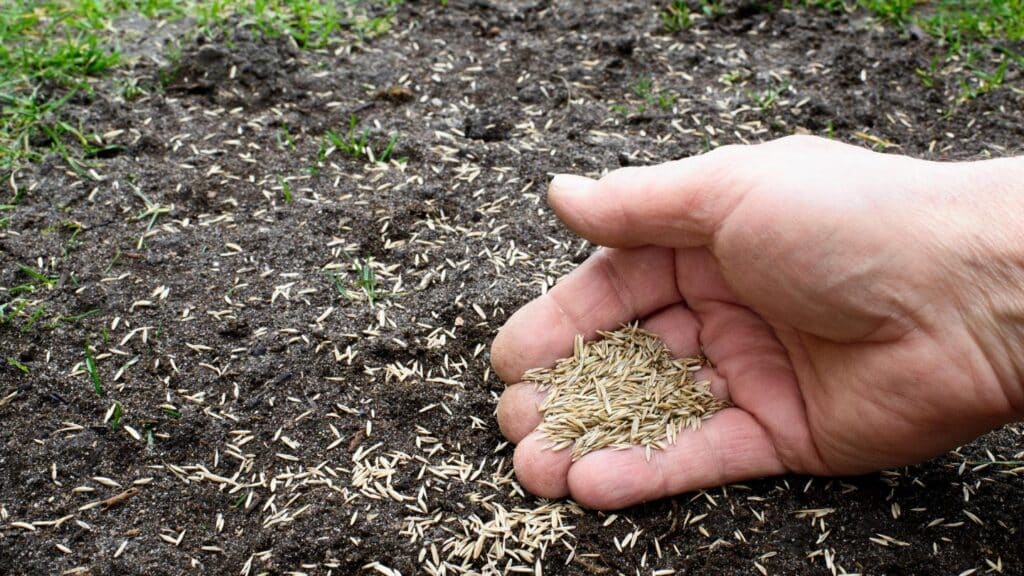
- Lightly rake soil after spreading seed to cover it.
- Cover seeds with ¼ to ½ inch of soil.
- Avoid burying seeds too deep or leaving them exposed.
- Keep soil moist until grass starts growing.
Credit: mulchpros.com
Watering And Maintenance Tips
Planting grass seed in garden soil needs careful watering and care. Proper maintenance helps seeds grow strong and healthy.
Follow simple watering and care steps to get a lush green lawn in your garden soil.
Initial Watering Schedule
Right after planting, keep the soil moist but not soaked. Water lightly several times a day to keep seeds wet.
Watering helps seeds sprout and roots grow deep in the soil.
- Water 2-3 times daily for the first 2 weeks
- Use a gentle spray to avoid washing seeds away
- Check soil moisture before watering
Ongoing Care And Fertilization
After seeds sprout, reduce watering to once daily. Let soil dry slightly between watering to help roots grow strong.
Feed your grass with fertilizer to supply nutrients. Use a balanced fertilizer made for lawns.
- Water once daily for 2-3 weeks after sprouting
- Switch to watering every 2-3 days as grass grows
- Apply fertilizer 4-6 weeks after planting
- Follow package instructions for fertilizer amounts
Managing Weeds And Pests
Weeds and pests compete with grass for nutrients and water. Keep your lawn clean to help grass grow well.
Remove weeds by hand or use safe weed control products. Watch for pests like insects and treat early.
- Pull weeds regularly from garden soil
- Use pest control if insects damage grass
- Keep lawn mowed to reduce weed growth
- Inspect grass often for signs of pests or disease
Troubleshooting Common Problems
Planting grass seed in garden soil can be tricky. Many gardeners face issues that stop grass from growing well.
Knowing how to fix common problems helps you get a healthy lawn faster. This guide covers common troubles and solutions.
Poor Germination Causes
Poor germination happens when grass seeds fail to sprout well. This can happen for several reasons in garden soil.
Common causes include bad seed quality, wrong planting depth, and dry soil. Seeds need moisture and warmth to grow.
- Old or damaged seeds do not sprout well
- Planting seeds too deep blocks sunlight
- Dry soil stops seeds from getting water
- Cold soil slows down seed growth
Dealing With Soil Compaction
Soil compaction makes it hard for grass roots to grow. Compacted soil stops air, water, and nutrients from reaching roots.
Heavy foot traffic and heavy tools cause soil to compact. Fixing this helps grass grow stronger and fuller.
- Use a garden fork or aerator to loosen soil
- Add organic matter like compost to improve soil texture
- Avoid walking on wet soil to prevent more compaction
- Water deeply but less often to encourage root growth
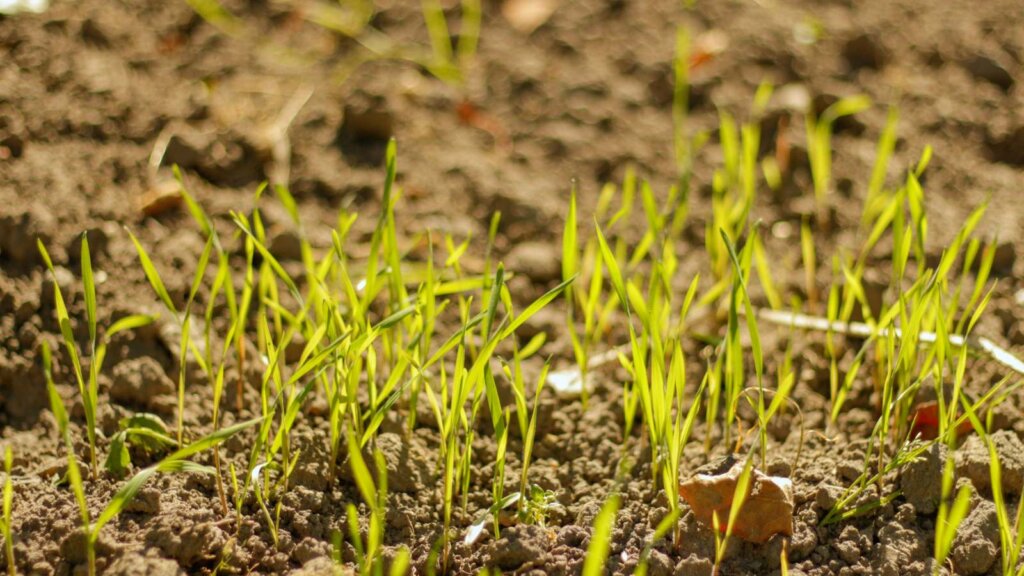
Handling Patchy Growth
Patchy grass means uneven growth in your garden. Some spots grow thick grass, others stay bare or thin.
Patchy growth can come from uneven watering, poor soil, or pest damage. Fixing these helps grass spread evenly.
- Water your lawn evenly every day until grass grows
- Check soil in bare spots and add topsoil if needed
- Remove weeds and pests that harm grass
- Overseed bare patches with fresh grass seed
Credit: www.terra-lawn-care.com

Credit: www.angi.com
Frequently Asked Questions
Can You Plant Grass Seed Directly In Garden Soil?
Yes, you can plant grass seed directly in garden soil. Ensure the soil is well-prepared, loose, and free of debris. Good soil drainage and proper sunlight help seeds germinate faster and grow healthy grass.
How To Prepare Garden Soil For Grass Seed?
To prepare garden soil for grass seed, remove weeds, rocks, and debris first. Loosen the soil with a rake or tiller. Add compost or fertilizer to enrich soil nutrients before sowing seeds for better growth.
When Is The Best Time To Plant Grass Seed In Garden Soil?
The best time to plant grass seed in garden soil is during early fall or spring. These seasons offer moderate temperatures and consistent moisture, promoting seed germination and strong root development.
What Soil Type Is Best For Planting Grass Seed?
Loamy soil with good drainage is best for planting grass seed. It retains moisture but doesn’t stay waterlogged. Avoid heavy clay or sandy soils without amendments for optimal grass growth.
Conclusion
Planting grass seed in garden soil is possible with care. Choose the right seed for your climate. Prepare the soil well. Remove weeds and add nutrients. Water the seeds regularly. Ensure they get enough sunlight. Patience is key; grass takes time to grow.
Watch for pests and diseases. Adjust your care routine as needed. Successful growth depends on consistent maintenance. Enjoy a lush lawn with these simple steps. Your garden can thrive with the right attention. Transform your space into a green haven.
Happy planting!