

Are you wondering if wood mulch can be a good choice for your vegetable garden? Using mulch is a smart way to keep your soil healthy, reduce weeds, and save water.
But when it comes to wood mulch, you might be unsure if it’s safe or helpful for growing your favorite veggies. This article will clear up the confusion and help you decide if wood mulch fits into your gardening plans.
Keep reading to discover the surprising benefits and important tips that can make your garden thrive.

Credit: www.reddit.com
Benefits Of Wood Mulch
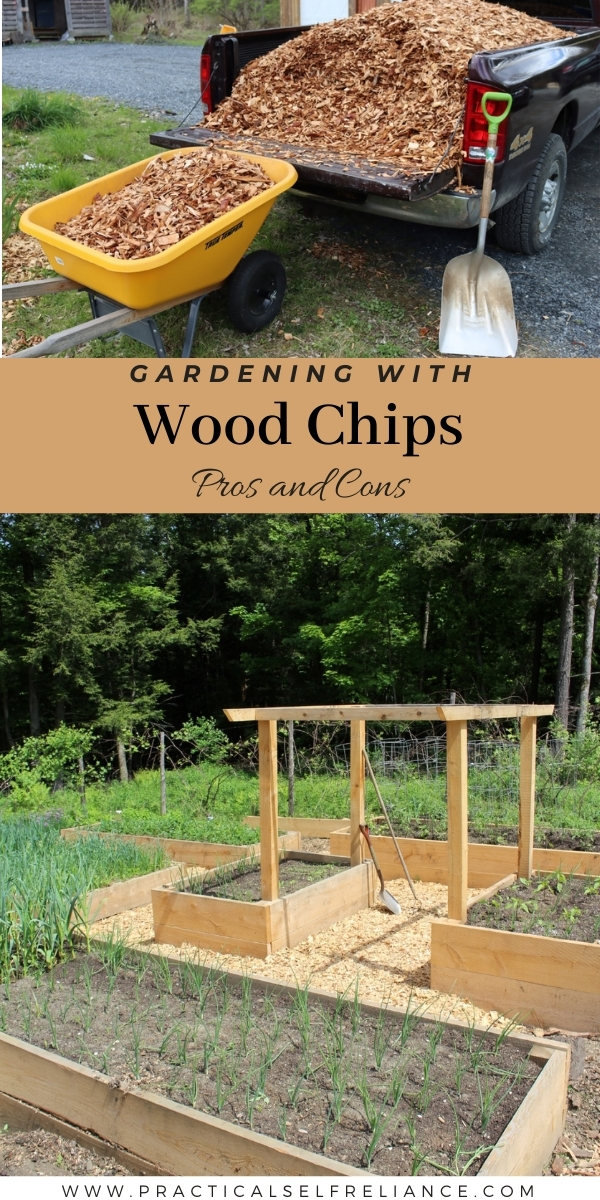
Wood mulch is a popular choice for vegetable gardens. It offers many benefits that help plants grow strong and healthy.
This natural material improves soil and protects your vegetables in several ways.
Moisture Retention
Wood mulch helps keep soil moist by reducing evaporation. This means plants need less frequent watering.
It also allows water to soak in slowly, which helps roots absorb moisture better.
Weed Suppression
Wood mulch blocks sunlight from reaching weed seeds. This stops weeds from growing and taking nutrients from your vegetables.
- Reduces time spent weeding
- Prevents weed seeds from sprouting
- Keeps garden beds neat and tidy
Soil Temperature Regulation
| Season | Effect of Wood Mulch |
|---|---|
| Summer | Keeps soil cooler by shading it from the sun |
| Winter | Insulates soil to keep it warmer and protect roots |
Wood mulch acts like a blanket over the soil. It keeps temperatures steady, which helps plants grow well year-round.
Credit: practicalselfreliance.com
Potential Drawbacks
Wood mulch can look nice in a vegetable garden. It helps keep soil moist and stops weeds. Still, there are some problems to think about before using it.
These problems can affect your plants and garden health. Knowing about them helps you decide if wood mulch is right for your vegetables.
Nitrogen Depletion Risks
Wood mulch uses nitrogen to break down in the soil. This can take nitrogen away from your vegetables. Without enough nitrogen, plants may grow slowly or look weak.
Young or fresh wood mulch causes this problem more than old or composted mulch. It is best to watch your plants for signs of nitrogen lack.
- Fresh wood mulch may lock nitrogen in soil
- Vegetables need nitrogen to grow well
- Adding nitrogen fertilizer can help
Pest Attraction
Wood mulch can attract bugs and pests. Some insects like to live in the mulch layer. These pests can harm your vegetable plants by eating leaves or roots.
Mulch too close to plant stems can create a hiding place for pests. This can make pest problems worse and harder to control.
- Mulch may attract termites, slugs, and ants
- Pests can damage vegetable leaves and roots
- Keep mulch a few inches from plant stems
Mulch Quality Concerns
Not all wood mulch is good for vegetable gardens. Mulch with chemicals or paint can harm plants. Some wood types may also change soil pH, which affects plant health.
Using mulch that has dirt, sticks, or weed seeds can cause more problems. It is important to choose clean, natural wood mulch without harmful substances.
- Avoid treated or painted wood mulch
- Choose mulch without weed seeds or dirt
- Test mulch if unsure about its effects on soil
Choosing The Right Wood Mulch
Wood mulch helps keep soil moist and cool in a vegetable garden. It also stops weeds from growing. But not all wood mulches are good for vegetables.
Choosing the right wood mulch means knowing the types, avoiding bad kinds, and picking the best age of mulch.
Types Of Wood Mulch
There are many kinds of wood mulch. Some come from hardwood trees. Others come from softwood trees. Each type breaks down at a different speed.
- Hardwood mulch lasts longer and breaks down slowly.
- Softwood mulch breaks down faster and needs more replacing.
- Cedar mulch smells nice and can keep bugs away.
- Pine bark mulch is good for acid-loving plants but may lower soil pH.
Avoiding Toxic Mulches
Some wood mulches can harm your plants or soil. Avoid mulches made from treated wood or painted wood. These may contain chemicals that hurt vegetables.
Mulch from black walnut trees can release juglone. This chemical stops many plants from growing well. Always check the source of your wood mulch.
| Mulch Type | Safe for Vegetables? |
| Untreated Hardwood | Yes |
| Treated Wood Mulch | No |
| Cedar Mulch | Yes |
| Black Walnut Wood | No |
| Painted or Colored Mulch | No |
Fresh Vs. Aged Mulch
Fresh wood mulch uses up nitrogen from the soil as it breaks down. This can hurt young vegetable plants. Aged mulch has already lost some nitrogen and is safer.
- Fresh mulch may slow plant growth at first.
- Aged mulch is better for vegetable gardens.
- Aged mulch looks darker and smells earthy.
- Store mulch for a few months before use if possible.
Application Tips
Using wood mulch in a vegetable garden helps keep soil moist and controls weeds. It also adds nutrients as it breaks down. Proper application is key for the best results.
Follow simple guidelines on thickness, timing, and placement. These tips will help your vegetables grow strong and healthy.
Proper Thickness
Apply wood mulch in the right thickness to avoid problems. Too thick can stop water from reaching the soil. Too thin may not control weeds well.
- Use 2 to 3 inches of mulch for best results.
- Avoid layers thicker than 4 inches to prevent mold growth.
- Keep mulch even to help water soak in properly.
Timing For Mulching
Choose the best time to add wood mulch. Mulching too early or too late can affect plant health and soil conditions.
| Season | Why |
| Spring | Mulch after soil warms to keep moisture and stop weeds. |
| Summer | Refresh mulch if soil dries out or weeds grow. |
| Fall | Mulch to protect roots from cold in winter. |
Placement Around Plants
Place wood mulch carefully around your vegetables. Correct placement protects plants and improves soil health.
- Leave a 2-3 inch gap around plant stems to prevent rot.
- Spread mulch evenly around the base of plants.
- Keep mulch away from plant crowns and trunks.
- Replenish mulch as it breaks down to maintain protection.
Alternatives To Wood Mulch
Wood mulch is common in gardens but not always the best choice for vegetables. Some alternatives can help keep soil moist and reduce weeds.
These options break down faster and add nutrients to the soil. They also avoid some problems wood mulch may cause.
Straw And Hay
Straw and hay are popular mulches for vegetable gardens. They keep soil cool and stop weeds from growing. Straw is cleaner and has fewer seeds than hay.
- Straw is light and easy to spread.
- Hay may contain weed seeds.
- Both improve soil as they break down.
- They help keep soil moist.
Compost Mulch
Compost mulch is rich in nutrients. It feeds plants while protecting soil. It also helps improve soil structure over time.
| Benefit | Description |
| Nutrient Supply | Feeds plants with essential nutrients |
| Soil Health | Improves texture and water retention |
| Weed Control | Blocks sunlight to stop weeds |
| Cost | Often free or low cost if homemade |
Grass Clippings
Grass clippings are easy to collect and use as mulch. They dry quickly and add nitrogen to the soil. Avoid using clippings from treated lawns.
Tips for using grass clippings:
- Use thin layers to prevent matting.
- Let clippings dry before spreading.
- Avoid clippings with weed killers or pesticides.
Maintaining Mulched Vegetable Beds
Mulching helps keep vegetable beds healthy and moist. It reduces weeds and keeps soil temperature steady.
Using wood mulch in vegetable gardens needs some care. This guide covers how to keep mulched beds in good shape.
Monitoring Soil Health
Check your soil often to see how it feels and looks. Healthy soil should be dark, crumbly, and moist.
Watch for signs like bad smell, hard clumps, or dry patches. These may mean problems with soil health.
Replenishing Mulch
Wood mulch breaks down over time. Add fresh mulch each season to keep the layer thick and effective.
- Remove old mulch if it is moldy or slimy.
- Spread 2 to 3 inches of fresh wood mulch evenly.
- Keep mulch a few inches away from plant stems to avoid rot.
- Water the mulch after adding it to help it settle.
Managing Pests
Wood mulch can attract insects that harm vegetables. Check mulch and soil for pests regularly.
| Pest | Signs | Control Method |
| Slugs | Holes in leaves, slime trails | Use slug traps or hand-pick them |
| Termites | Wood damage, mud tubes | Use termite barriers or remove mulch near plants |
| Ants | Small mounds, plant damage | Apply natural repellents or relocate mulch |
Credit: www.gardenary.com
Frequently Asked Questions
Is Wood Mulch Safe For Vegetable Gardens?
Yes, wood mulch is safe for vegetable gardens. It helps retain soil moisture and suppress weeds. However, ensure it’s well-aged to prevent nitrogen depletion. Avoid treated or dyed wood mulch, as chemicals may harm plants. Use natural, untreated wood for best results.
Does Wood Mulch Attract Pests?
Wood mulch can attract pests like termites and rodents. However, proper maintenance can minimize this risk. Keep mulch away from plant stems and base of trees. Regularly inspect and turn mulch to deter pests. Choose hardwood over softwood mulch, which is less attractive to pests.
How Much Wood Mulch Should I Use?
Apply wood mulch in a 2 to 4-inch layer. This thickness effectively conserves moisture and suppresses weeds. Avoid piling mulch against plant stems or trunks, as it may cause rot. Spread mulch evenly across the garden for optimal benefits.
Can Wood Mulch Affect Soil Ph?
Wood mulch can slightly alter soil pH over time. Decomposition of certain wood types may lower pH, making soil more acidic. However, this change is typically minimal. Regular soil testing helps monitor and maintain desired pH levels in your vegetable garden.
Conclusion
Wood mulch can benefit a vegetable garden when used correctly. It helps keep soil moist and controls weeds well. Choose mulch that breaks down slowly to protect plants. Avoid thick layers that may stop water from reaching roots. Regularly check mulch for pests or mold.
Using wood mulch wisely supports healthy, strong vegetables. Try it out and see the difference in your garden. Good mulch means better growth and less work. Simple steps lead to a healthier harvest.