


Imagine turning your garden into a timeless space that blends nature and art without using any mortar or cement. A dry stone wall garden does just that.
It’s not only beautiful but also strong and eco-friendly. If you want a garden that stands out, feels natural, and lasts for years, this is something you’ll want to explore. Keep reading, and you’ll discover how dry stone walls can transform your outdoor space into a unique and inviting haven.
Benefits Of Dry Stone Walls
Dry stone walls are a traditional way to create strong garden boundaries. They use stones without any mortar.
These walls offer many benefits for gardens and the environment. They are useful and attractive at the same time.
Durability And Longevity
Dry stone walls last a long time because they can move slightly without breaking. This makes them strong against weather changes.
They need less repair than walls made with cement. The stones settle naturally, which helps the wall stay stable for many years.
Natural Aesthetic Appeal
Dry stone walls blend well with garden plants and natural landscapes. They add a rustic charm that fits many garden styles.
- The stone colors match earth tones
- The rough texture looks organic
- Walls can be built in different shapes
- They create a peaceful, natural look
Eco-friendly Construction
These walls use natural materials and no cement. This lowers pollution and carbon emissions during building.
| Feature | Benefit |
| No mortar used | Less chemical impact on soil |
| Local stones | Reduced transport emissions |
| Recyclable materials | Less waste and resource use |
Habitat For Wildlife
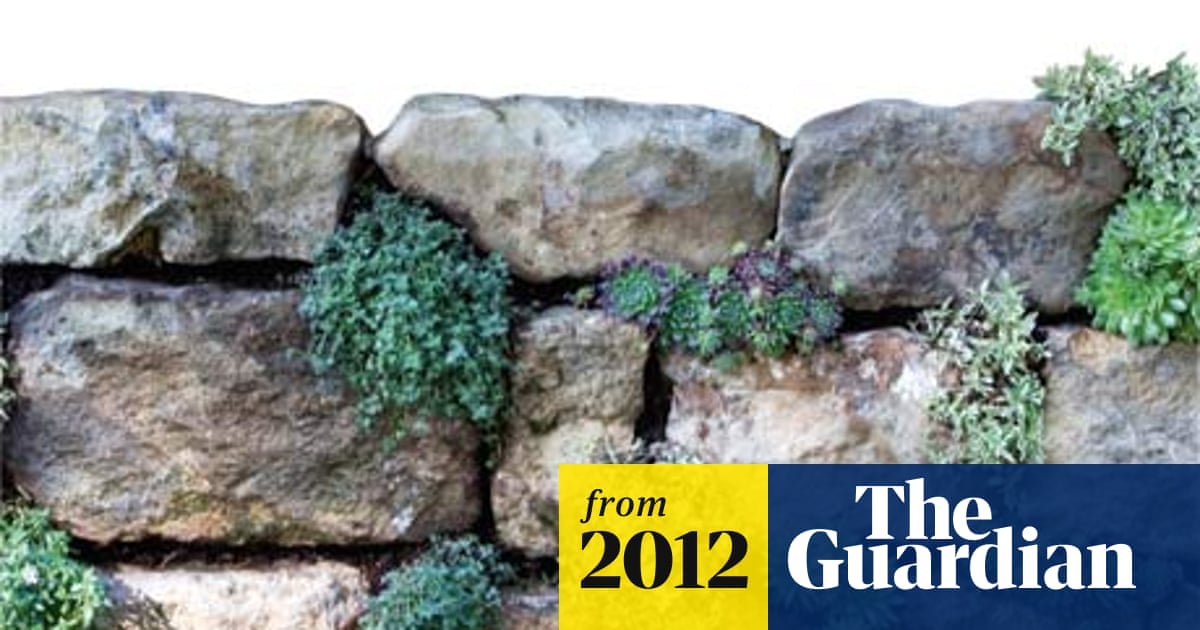
Gaps between stones provide homes for insects, small animals, and plants. This helps increase garden biodiversity.
Animals and insects that live in dry stone walls include:
- Bees and other pollinators
- Lizards and small reptiles
- Spiders and beetles
- Mosses and small ferns
Credit: www.theguardian.com
Choosing The Right Stones
Building a dry stone wall garden needs the right stones. The stones must fit well together without using mortar.
Choosing the right stones helps the wall stay strong and look good. Here are some tips to guide you in selecting the best stones.
Types Of Stones Suitable For Walls
Different stones work well for dry stone walls. Pick stones that are tough and long-lasting.
- Sandstone: Easy to shape and durable.
- Limestone: Common and blends well with landscapes.
- Granite: Very strong and resists weathering.
- Slate: Flat stones that stack well.
Sourcing Local Materials
Local materials are often the best choice. They match the surrounding environment and reduce costs.
Check local quarries or stone suppliers. They can provide stones that fit your needs and support local businesses.
Stone Size And Shape Considerations
The size and shape of stones affect the wall’s stability. Choose stones that fit well together.
- Flat stones stack easily and create a stable wall.
- Large stones are best for the base of the wall.
- Smaller stones fill gaps and add strength.
Planning Your Wall Layout
Building a dry stone wall needs good planning. You must think about the wall’s size and shape first.
Careful planning helps the wall look nice and stay strong for years.
Selecting The Location
Choose a flat or gently sloping spot for your wall. Avoid places with poor drainage or soft soil.
Check if the location gets enough sunlight and fits well with your garden design.
- Look for stable ground
- Avoid wet or muddy areas
- Consider nearby plants and trees
- Think about how the wall fits in your yard
Determining Wall Height And Length
Decide how tall and long your wall should be. This depends on its purpose, like decoration or support.
Keep in mind that taller walls need wider bases and more stones for stability.
- Low walls (1-2 feet) work well for borders
- Medium height (3-4 feet) can hold soil back
- Long walls need more planning for strength
Designing Curves And Angles
Curves add beauty and help the wall follow the land shape. Angles can create corners or sections.
Plan gentle curves for easier building. Sharp angles need careful stone placement to stay strong.
- Use curves to soften hard lines in your garden
- Keep curves wide to make stacking stones easier
- Place angles where walls meet or change direction
- Test your design with a rope or garden hose
Credit: www.allentucklandscaping.com
Step-by-step Building Process
Building a dry stone wall garden takes patience and care. Each stone fits without mortar, creating a strong and natural look.
This guide explains the main steps to build your own dry stone wall garden. Follow each part carefully for best results.
Preparing The Foundation
Start by choosing a flat area for your wall. Clear the ground of plants, roots, and loose soil.
Dig a trench about 6 to 12 inches deep. The trench should be as wide as the wall base.
- Remove all debris from the trench
- Make sure the bottom is level
- Use crushed stone or gravel for drainage
Laying The Base Stones
Place the largest and flattest stones at the bottom of the trench. These stones will support the whole wall.
Check that each stone sits firmly and does not rock. Fit stones tightly together without gaps.
- Use wide, heavy stones for the base
- Keep the base stones level
- Fill gaps with smaller stones or gravel
Stacking And Interlocking Techniques
Build the wall by stacking stones in layers. Place each stone so it overlaps the joint below.
Fit stones tightly and use small stones to fill gaps. This locks the stones together for strength.
- Overlap joints for better stability
- Use through stones that span the wall width
- Fill gaps with small stones called “hearting”
Capping The Wall
Finish by placing large flat stones on top as caps. These protect the wall from rain and add weight.
Make sure capstones sit securely and slightly overhang the edges for better coverage.
- Use wide, flat stones for capping
- Place caps tightly without gaps
- Check stability by pressing down gently
Incorporating Plants And Greenery
Dry stone walls add a natural charm to any garden. Adding plants and greenery can soften their look. Plants also support wildlife and improve air quality.
Choosing the right plants and caring for them well helps the wall last longer. It also creates a beautiful, lively garden feature.
Choosing Plants For Dry Stone Walls
Pick plants that need little soil and water. They should fit in small spaces between stones. Native plants work well because they adapt to local weather.
- Succulents, like sedum and sempervivum
- Herbs, such as thyme and oregano
- Small ferns and mosses
- Wildflowers with shallow roots
- Climbing plants that can spread gently
Planting In Wall Crevices
Wall crevices offer safe spots for plants. Use a small trowel to fill crevices with a mix of soil and compost. Gently press plants into these spaces.
| Tip | Why |
| Use drought-tolerant plants | Walls dry quickly and hold little water |
| Plant in spring or fall | Cool weather helps roots grow |
| Water plants after planting | Helps them settle and start growing |
| Check wall stability | Prevent damage when planting |
Maintaining Wall Vegetation
Keep plants healthy by watering during dry spells. Remove weeds that steal nutrients. Trim overgrown plants to keep the wall visible.
Follow these tips for wall care:
- Inspect walls regularly for loose stones.
- Clear dead plants to stop decay.
- Add mulch to retain moisture if needed.
- Replace plants that do not thrive.
Maintenance Tips For Longevity
Dry stone walls are strong and beautiful garden features. They can last a long time with simple care.
Regular maintenance keeps the stones stable and the wall looking neat. Follow these tips to help your wall last.
Regular Inspection
Check your dry stone wall often for any signs of damage. Look for stones that have shifted or cracks in the wall.
Inspect the wall after storms or heavy rain. Early detection helps prevent bigger problems later.
- Look for loose or fallen stones
- Check for gaps or holes
- Notice any leaning or bulging sections
Repairing Loose Stones
Fix loose stones quickly to keep the wall strong. Remove the loose stone and clean the area before resetting it.
Place the stone back tightly with other stones around it. Make sure it fits well to avoid movement.
- Use stones that match the wall’s size and shape
- Tightly pack smaller stones around the loose stone
- Check stability before leaving the area
Preventing Weed Growth
Weeds can grow between the stones and weaken the wall over time. Remove weeds regularly by hand.
Use mulch or gravel at the base to stop new weeds. Avoid chemicals that can harm the stones or nearby plants.
- Pull weeds out before they seed
- Apply mulch or gravel to block weed seeds
- Keep nearby soil healthy and dry
Design Ideas To Enhance Your Garden
Dry stone walls add natural charm to any garden space. They create structure without harming the environment.
Use dry stone walls in different ways to improve your garden’s look and function.
Creating Raised Beds
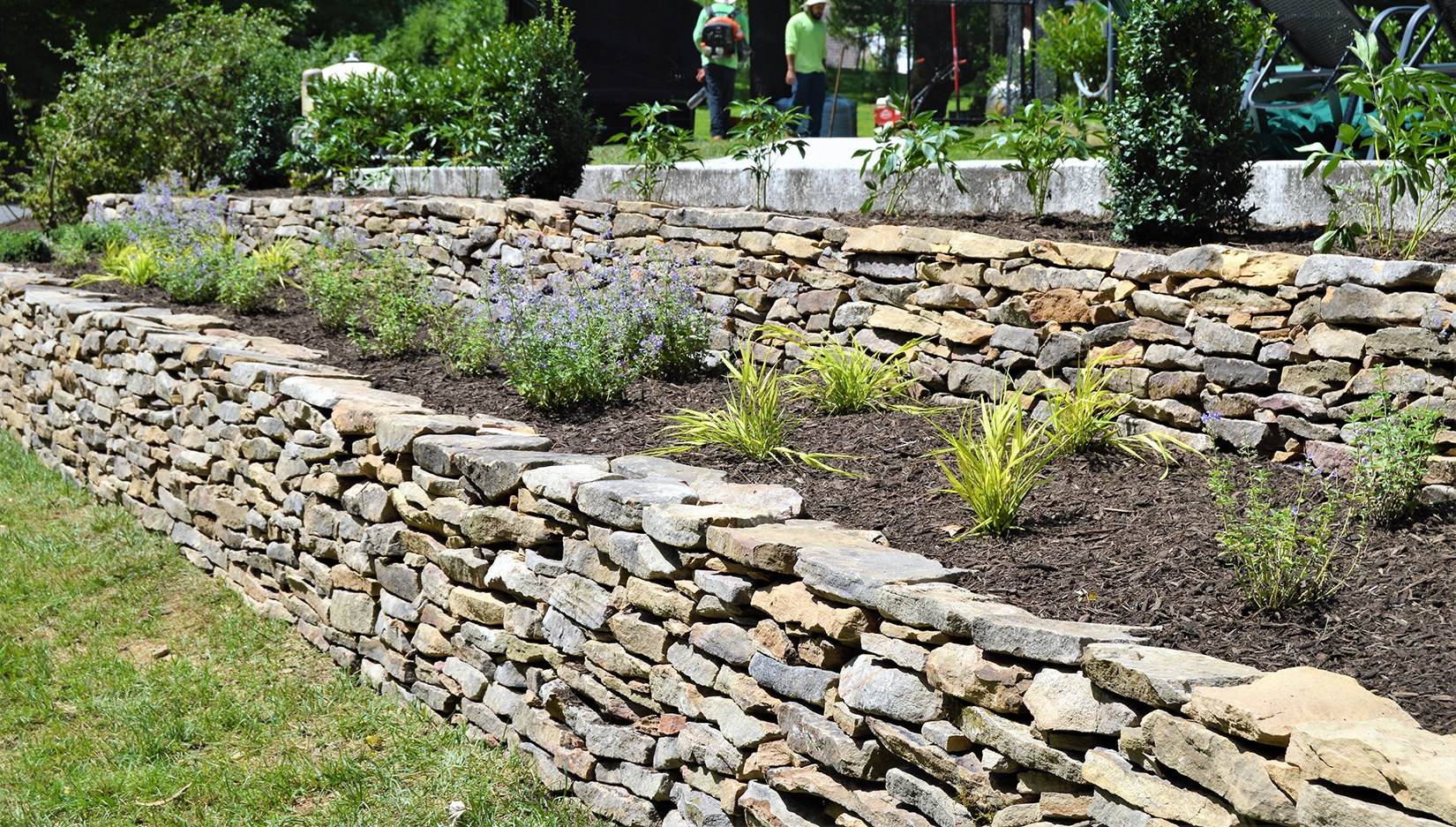
Dry stone walls are perfect for building raised garden beds. They hold soil and plants firmly in place.
Raised beds improve drainage and make gardening easier on your back.
- Use flat stones for stable walls
- Build walls about 1-2 feet high
- Fill beds with rich soil for healthy plants
- Plant flowers, herbs, or vegetables
Combining With Other Garden Features
Dry stone walls work well with paths, patios, and water features. They create a natural flow in your garden.
Pairing walls with wooden benches or metal sculptures adds texture and interest.
- Line walkways with low stone walls
- Use walls to border flower beds
- Place seating near walls for cozy spots
- Add a small pond or fountain nearby
Lighting And Decoration
Lighting highlights the beauty of dry stone walls at night. It also makes your garden safer.
Decorate walls with climbing plants or hanging pots. This adds color and life to the stone texture.
- Use soft LED lights along wall edges
- Install solar lights for easy power
- Hang small flower pots or lanterns
- Plant ivy or clematis to climb walls
:max_bytes(150000):strip_icc()/Goodbodygardenwalldetail-ee027a9ab22a41b3a48e91f51c45caa8.jpg)
Credit: www.marthastewart.com
Frequently Asked Questions
What Is A Dry Stone Wall Garden?
A dry stone wall garden uses stacked stones without mortar. It creates natural, sturdy, and eco-friendly garden borders or terraces. These walls blend well with greenery and support plant growth by allowing air and water flow.
How Do Dry Stone Walls Benefit Garden Design?
Dry stone walls add rustic charm and structure to gardens. They provide natural drainage, prevent soil erosion, and create microclimates for plants. Their durability requires low maintenance, making them a sustainable garden feature.
Can I Build A Dry Stone Wall Garden Myself?
Yes, with basic tools and patience, you can build one. Choose flat stones, stack them carefully, and ensure stability. Watching tutorials or consulting experts helps achieve a strong, attractive dry stone wall garden.
What Plants Grow Well Near Dry Stone Walls?
Plants like ferns, mosses, succulents, and herbs thrive near dry stone walls. These plants benefit from the wall’s moisture retention and warmth. They enhance the wall’s natural beauty while stabilizing the soil.
Conclusion
Dry stone wall gardens bring charm and strength to any yard. They use natural stones without glue or cement. This makes them eco-friendly and long-lasting. You can create different shapes and styles easily. These walls also support plants and keep soil in place.
Building one takes patience, but the results are worth it. A dry stone wall garden adds beauty and function to outdoor spaces. Try it to enjoy a unique and natural garden feature.