

Are you looking for a simple way to make your garden look neat and stylish? Edging your garden with stones can be the perfect solution.
It not only adds a clean boundary but also enhances the beauty of your outdoor space. Imagine walking through your garden and seeing a clear, attractive line that separates your plants from the lawn or walkway. This small change can make a big difference in how your garden feels and looks.
Keep reading to discover easy tips and ideas to transform your garden with stone edging that you can do yourself.
Benefits Of Stone Edging
Stone edging creates a natural and elegant border for your garden. It adds structure and style to outdoor spaces.
Using stones as garden edging offers many practical benefits. It helps keep your garden neat and healthy.
Enhancing Curb Appeal
Stone edging improves the look of your garden and home exterior. It adds a clean and polished finish to flower beds and walkways.
Defining Garden Borders
Stone edges clearly mark where your garden ends. This helps separate lawn areas from flower beds or paths.
- Keeps mulch and soil inside garden beds
- Prevents grass from growing into flower beds
- Makes garden shapes easy to see and follow
Preventing Soil Erosion
Stone edging acts as a barrier to stop soil from washing away during rain. It holds soil in place on slopes and raised beds.
| Benefit | Description |
| Soil Retention | Blocks soil movement from water runoff |
| Plant Protection | Prevents root exposure by keeping soil stable |
| Water Management | Helps control where water flows in the garden |
Low Maintenance Solution
Stone edging does not need frequent care. It lasts many years without fading or damage.
- Does not require painting or sealing
- Resists weather and pests
- Easy to clean with a hose or broom
Choosing The Right Stones
Edging your garden with stones adds beauty and structure. Choosing the right stones helps your garden look its best.
Consider the stone type, color, size, and quality. These factors affect how well the stones fit your garden style.
Natural Vs. Manufactured Stones
Natural stones come from quarries and have unique shapes. Manufactured stones are made in factories and look uniform.
Natural stones offer a rustic, organic feel. Manufactured stones give a clean, consistent look and are lighter to handle.
- Natural stones: unique colors and textures
- Manufactured stones: uniform size and shape
- Natural stones: heavier and more durable
- Manufactured stones: easier to install
Color And Texture Options
Choose stone colors that match your garden style and plants. Texture adds depth and interest to the edging.
Light colors brighten shady gardens. Dark colors create contrast. Smooth stones feel modern. Rough stones look natural.
- Colors: gray, brown, red, white, or mixed
- Textures: smooth, rough, polished, or natural
- Match stone color with mulch or plants
- Use texture to add visual interest
Size And Shape Considerations
Stone size affects the garden’s look and the edging’s strength. Small stones create neat edges. Large stones look bold.
Shape affects how stones fit together. Rounded stones offer a soft look. Flat stones stack well for strong edges.
- Small stones: easy to shape curves
- Large stones: good for straight lines
- Flat stones: stack for height
- Rounded stones: natural, flowing edges
Sourcing Quality Materials
Buy stones from reputable suppliers to ensure durability. Poor quality stones can break or fade quickly.
Check stones for cracks or chips before buying. Ask about the stone’s origin and weather resistance.
- Inspect stones for damage
- Choose stones suited for your climate
- Buy enough stones to avoid mixing batches
- Consider local sources to reduce cost and impact
Design Styles With Stone Edging
Stone edging adds beauty and structure to any garden. It helps separate plants from walkways and lawns.
There are many styles to choose from. Each style uses stones in a different way to create a unique look.
Rustic And Natural Looks
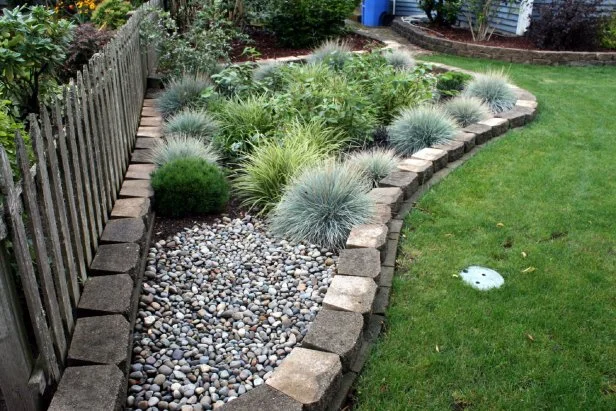
Rustic stone edging uses rough and uneven stones. It blends well with natural garden settings.
This style looks like stones were gathered from the local area. It gives a warm and earthy feel.
- Use irregular shapes and sizes
- Leave gaps for grass or moss
- Choose stones with natural colors
Modern And Sleek Lines
Modern stone edging uses smooth, flat stones. It creates clean and sharp garden borders.
This style suits minimalist gardens with straight paths and trimmed plants. It looks neat and tidy.
- Choose uniform stone shapes
- Use straight or gently curved lines
- Pick stones in solid neutral colors
Mixed Stone Patterns
Mixed stone patterns combine different stone types and colors. This style adds texture and interest.
It works well in gardens with many plant varieties. The patterns can be random or arranged in designs.
- Mix smooth and rough stones
- Use contrasting colors and sizes
- Create shapes like circles or zigzags
Incorporating Curves And Angles
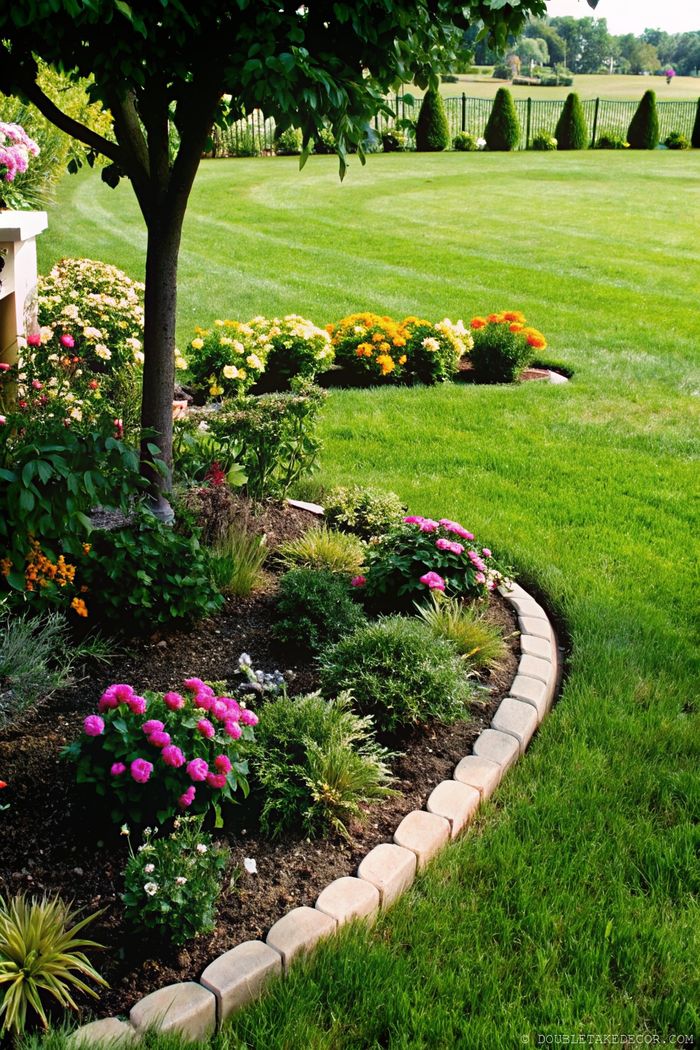
Stone edging can follow curved or angled garden beds. Curves soften the garden look.
Angles add a bold and structured feel. Both shapes guide the eye and add style to your space.
- Use flexible stones for smooth curves
- Stack stones tightly for sharp angles
- Combine curves and angles for dynamic borders
Credit: www.hgtv.com
Installation Techniques
Creating a garden edge with stones can add beauty and structure to your outdoor space. Proper installation ensures stability and longevity.
Follow these steps to prepare your garden and lay stones securely. Choose between using mortar or dry laying techniques.
Preparing The Garden Bed
Start by clearing the area of weeds and debris. A clean foundation helps in the smooth installation of stones.
- Remove all existing plants and roots.
- Level the soil for a uniform surface.
- Mark the edges using a string or garden hose.
Laying A Solid Foundation
A strong base is crucial for stone stability. Compact the soil and add a layer of gravel to help with drainage.
| Material | Purpose |
| Gravel | Improves drainage |
| Sand | Provides leveling |
| Soil | Base layer |
Arranging Stones Securely
Place stones carefully to ensure they fit tightly together. This prevents movement and maintains the edge’s shape.
Using Mortar Or Dry Laying
Decide between using mortar for a permanent structure or dry laying for flexibility. Each method has its benefits.
- Mortar provides strong adherence but is less flexible.
- Dry laying is easier to adjust but may shift over time.
Creative Stone Edging Ideas
Stone edging is a great way to define garden borders. It makes your garden look neat and stylish.
There are many ways to use stones for edging. Here are some creative ideas to try in your garden.
Stacked Stone Borders
Stacked stone borders create a natural and rustic look. You pile flat stones on top of each other to form a low wall.
This style works well for flower beds or garden paths. It helps keep soil and mulch in place.
Flat Stone Path Edging
Flat stones make clean and simple edging for walkways. Place them side by side along the path edges.
This method gives a smooth finish and guides visitors through the garden. You can use flagstones or slate pieces.
Pebble And Rock Combinations
Mixing pebbles with larger rocks adds texture and color. Use small pebbles to fill gaps between bigger stones.
This creates a lively and natural border. It also helps with drainage around plants.
- Choose pebbles in colors that match your garden
- Use rocks of different sizes for variety
- Arrange stones loosely for a casual look
Incorporating Lighting Features
Add small lights along stone edging to brighten your garden at night. Solar lights work well and need no wiring.
Lights highlight the stone texture and guide paths safely. You can place lights between or on top of stones.
- Use warm white LED lights for a cozy feel
- Place lights evenly to avoid dark spots
- Choose waterproof lights for durability
Credit: doubletakedecor.com
Maintenance Tips For Stone Edging
Stone edging adds a neat border to your garden. To keep it looking good, regular care is needed. Proper maintenance helps your garden stay tidy and attractive.
Follow simple tips to clean, repair, and protect your stone edging. This will make it last longer and stay strong against weather and weeds.
Cleaning And Weeding
Clean your stone edging by removing dirt, leaves, and debris. Use a stiff brush or a garden hose to wash away grime. This keeps the stones bright and fresh.
Pull out weeds that grow between or near the stones. Weeds can loosen stones and spoil the look of your garden.
- Brush stones regularly to remove dirt
- Use water to rinse off mud and dust
- Hand-pull weeds carefully to avoid damage
- Use a garden knife to remove tough roots
Replacing Damaged Stones
Check your stone edging often for cracks or broken pieces. Replace damaged stones to keep the border strong and safe. This stops the whole edge from falling apart.
Match new stones with the old ones in size and color. Place them firmly in the soil or sand to stay in place.
- Inspect stones monthly for damage
- Remove broken stones carefully
- Fit new stones tightly to avoid gaps
- Use sand or soil to secure stones
Seasonal Care Practices
Adjust your stone edging care with the seasons. In fall, clear leaves and debris to prevent mold. In winter, check for frost damage and clear snow carefully.
Spring and summer need regular weeding and cleaning. This keeps stones in good shape and your garden looking fresh all year.
- Remove leaves and dirt in fall
- Clear snow gently in winter
- Check for frost cracks after cold weather
- Do regular cleaning in spring and summer
Preventing Weed Growth
Stop weeds from growing near stone edging by using barriers. Lay landscape fabric under the stones to block weeds. Mulch also helps reduce weed seeds from sprouting.
Keep the area dry and clear of plant debris. This lowers the chance of weed growth and keeps your edging neat.
- Use weed barrier fabric beneath stones
- Apply mulch around the edging
- Remove plant debris regularly
- Water plants carefully to avoid wetting stones
Budgeting Your Stone Edging Project
Stone edging can add beauty and structure to your garden. Planning your budget helps you avoid surprises.
Knowing the costs and options lets you make smart choices for your project.
Estimating Material Costs
Material costs depend on the type and amount of stones you need. Prices vary by stone size, shape, and source.
Don’t forget to include extra stones for cutting and replacement.
- Calculate the length of your garden border
- Decide the height and thickness of the edging
- Choose the stone type: natural, manufactured, or recycled
- Check local prices for stones and delivery fees
Diy Vs. Professional Installation
Installing stone edging yourself saves money on labor. It requires time and some basic skills.
Hiring a professional costs more but ensures a neat, lasting result. Consider your budget and skill level.
- DIY: Lower cost, more time, learning curve
- Professional: Higher cost, less effort, expert finish
Cost-saving Tips
Save money by choosing local stones and simpler designs. Reusing stones can cut costs too.
Buy materials in bulk and work during dry weather to avoid delays.
- Compare prices at different suppliers
- Use small stones for less expense
- Do prep work yourself to reduce labor costs
- Plan for efficient use of materials to avoid waste
Planning For Long-term Investment
Stone edging lasts many years with little maintenance. Think of it as a long-term garden upgrade.
Investing in quality stones and proper installation saves money over time. Avoid cheap materials that break easily.
- Choose durable stones suitable for your climate
- Ensure good drainage to prevent stone shifting
- Regularly check and repair any damage
- Consider the future growth of plants near the edging
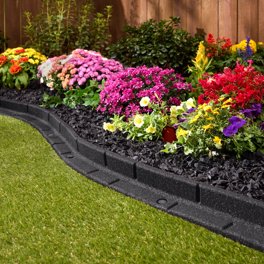
Credit: www.walmart.com
Frequently Asked Questions
What Types Of Stones Are Best For Garden Edging?
Natural stones like flagstone, slate, and river rocks are ideal. They offer durability and aesthetic appeal. Choose stones that match your garden’s style and climate for best results.
How Do I Install Stone Edging In My Garden?
Start by marking the edge line and digging a shallow trench. Lay stones tightly together, ensuring they are level. Fill gaps with soil or sand for stability and a neat finish.
Can Stone Edging Prevent Weed Growth Effectively?
Yes, stone edging creates a physical barrier that limits weed spread. Combined with mulch or landscape fabric, it significantly reduces weed growth along garden borders.
How Often Should Stone Garden Edging Be Maintained?
Stone edging requires minimal upkeep. Clean stones yearly and reposition any that shift. Check for weeds and remove them regularly to maintain a tidy garden edge.
Conclusion
Edging your garden with stones adds a neat, natural look. Stones keep soil and mulch in place. They help separate plants from grass clearly. This simple step improves garden care and appearance. Choose stones that fit your garden style and size.
With little effort, your garden looks tidy and cared for. Try stone edging to give your garden a fresh finish. It’s a smart, easy way to boost outdoor beauty.