

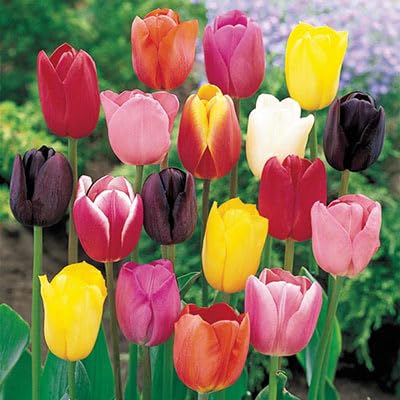

Are you wondering how to make your garden thrive and grow stronger? What you plant next to each other can make all the difference.
Some plants help each other grow, while others can stunt growth or invite pests. Knowing the right combinations can boost your harvest, save space, and keep your garden healthy. Keep reading to discover the best plant pairings that will turn your garden into a vibrant, flourishing space you’ll love.
Your garden’s success starts with smart choices—let’s make sure you get it right!
Benefits Of Plant Pairing
Plant pairing means growing certain plants close together. It helps gardens grow better naturally.
Choosing the right neighbors in your garden can improve health and yield of plants.
Improved Growth
Some plants support each other’s growth by sharing nutrients or providing shade. This makes both plants stronger and healthier.
Pest Control
Certain plants keep pests away from their neighbors. This reduces the need for chemicals and protects your garden.
- Marigolds repel beetles and nematodes
- Basil keeps flies and mosquitoes away
- Garlic deters aphids and spider mites
- Chives protect carrots from carrot flies
Enhanced Flavor
Some plants improve the taste of their neighbors by adding nutrients or improving soil health. This helps fruits and vegetables taste better.
| Plant Pairing | Benefit to Flavor |
|---|---|
| Tomatoes and Basil | Basil enhances tomato sweetness |
| Carrots and Onions | Onions improve carrot flavor |
| Peppers and Oregano | Oregano adds spice notes to peppers |
Space Optimization
Pairing tall plants with low-growing ones saves space. It allows you to grow more in a small area.
| Plant 1 | Plant 2 | Reason |
|---|---|---|
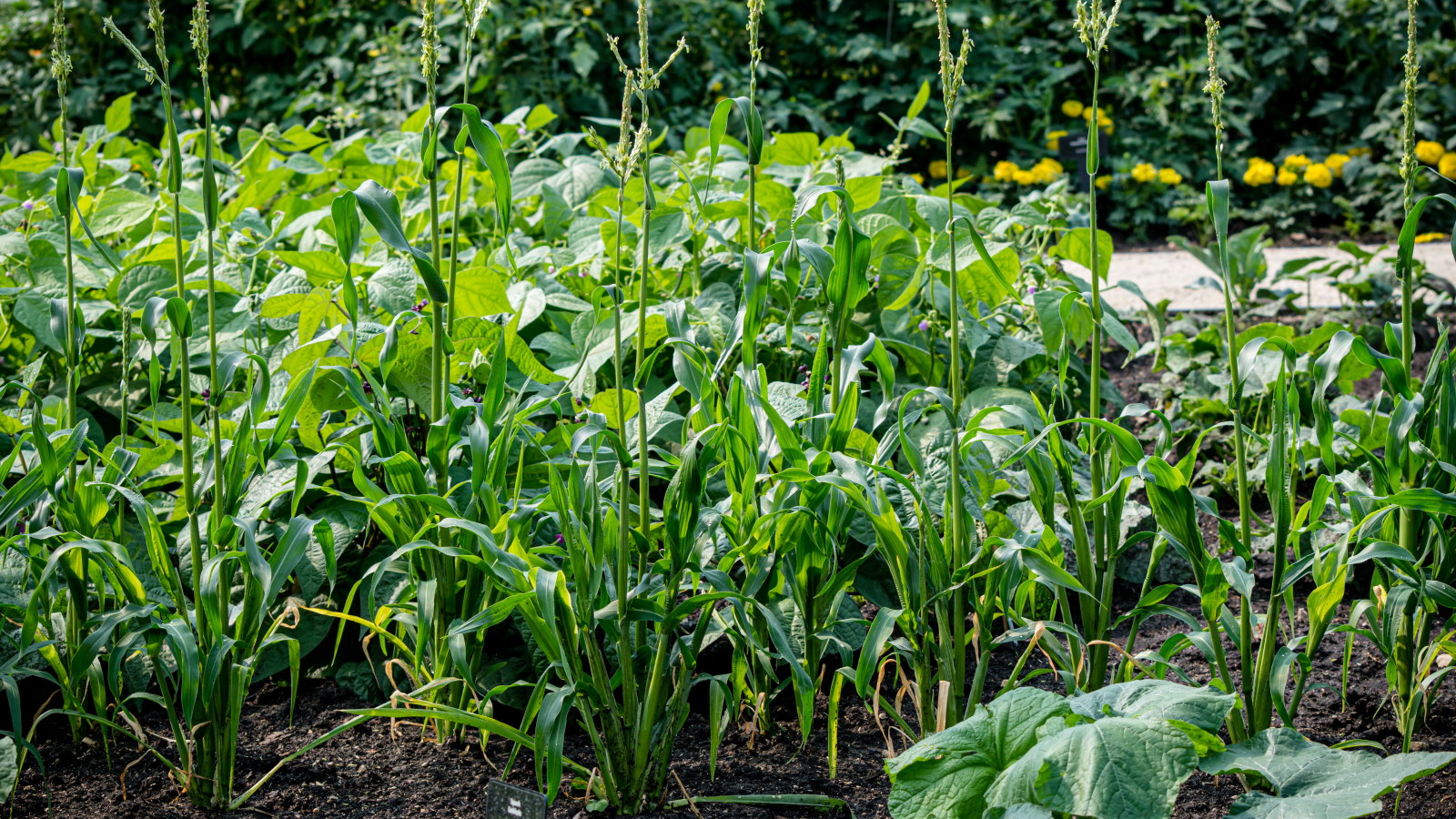
| Corn | Beans | Beans climb corn stalks |
| Cucumbers | Radishes | Radishes deter cucumber beetles |
| Lettuce | Carrots | Lettuce shades carrot roots |
Credit: www.homesandgardens.com
Vegetable Pairings
Choosing the right plants to grow next to each other helps your garden thrive. Some vegetables support each other’s growth and keep pests away.
Learning which plants pair well can improve your harvest and keep your garden healthy. Here are some great vegetable pairings to try.
Tomatoes And Basil
Tomatoes and basil grow well together in the garden. Basil helps repel insects that bother tomatoes. It also improves tomato flavor when grown nearby.
Carrots And Onions
Carrots and onions are good companions. Onions keep carrot flies away, and carrots help loosen the soil for onion roots. Planting them together saves space and protects both plants.
Beans And Corn
Beans and corn support each other in the garden. Corn provides tall stalks for beans to climb. Beans add nitrogen to the soil, which helps corn grow strong.
- Corn grows tall and sturdy
- Beans climb corn stalks
- Beans enrich the soil with nitrogen
- Together, they make efficient use of space
Cucumbers And Radishes
| Vegetable | Benefit |
|---|---|
| Cucumbers | Provide ground cover to keep soil moist |
| Radishes | Repel cucumber beetles and other pests |
Herb Combinations
Planting herbs next to certain plants can help them grow better. Some combinations protect plants from pests.
Choosing the right neighbors in your garden makes it healthier and more productive.
Mint And Cabbage
Mint grows fast and spreads quickly. It helps keep pests away from cabbage.
Plant mint near cabbage to reduce insects like cabbage moths and ants.
- Mint repels harmful insects
- Cabbage grows better with mint nearby
- Keep mint in pots to stop spreading
Chives And Roses
Chives help roses stay healthy. They keep bugs and fungus away from rose plants.
Plant chives near roses to improve their growth and smell.
- Chives repel aphids and pests
- They improve soil for roses
- Chives add a nice scent
Dill And Cucumbers
Dill attracts beneficial insects that eat pests. Cucumbers grow well near dill.
This pairing helps protect cucumbers from harmful bugs naturally.
- Dill attracts ladybugs and wasps
- These insects reduce cucumber pests
- Dill grows well next to cucumbers
Parsley And Tomatoes
Parsley helps tomatoes by attracting good insects. It also improves tomato flavor.
Plant parsley close to tomatoes to get healthier plants and more fruit.
- Parsley draws pollinators
- Good insects protect tomatoes
- Parsley and tomatoes grow well together

Credit: www.reddit.com
Flower Partnerships
Planting flowers together can help your garden grow better. Some flowers protect others from pests. Some attract helpful insects. Choosing the right pairs makes your garden healthy and beautiful.
Use these flower partnerships to improve your garden’s growth. Each pair works well for different reasons. Learn which flowers help each other thrive.
Marigolds And Tomatoes
Marigolds keep harmful insects away from tomatoes. Their strong scent confuses pests. Plant marigolds near your tomato plants to protect them naturally.
Nasturtiums And Squash
Nasturtiums act as a trap for pests that like squash. They attract bugs away from your squash plants. This helps reduce damage and keeps your squash healthy.
- Plant nasturtiums around squash vines
- Use bright colors to attract aphids and beetles
- Check plants regularly for pests on nasturtiums
Lavender And Roses
Lavender repels pests that attack roses. It also draws pollinators that help roses bloom. Plant lavender near roses to enjoy more flowers and fewer bugs.
Sunflowers And Cucumbers
| Sunflowers | Cucumbers | Benefit |
|---|---|---|
| Tall and sturdy | Low-growing vines | Sunflowers provide natural shade |
| Attract pollinators | Need pollination | Sunflowers help cucumbers produce fruit |
| Strong roots | Shallow roots | Roots do not compete for space |
Avoid These Pairings
Planting the wrong crops next to each other can harm your garden. Some plants compete for nutrients or attract pests.
Knowing which plants do not grow well together helps keep your garden healthy and productive.
Onions And Beans
Onions and beans should not grow side by side. Onions release chemicals that can stop beans from growing well.
Beans fix nitrogen in the soil, which onions do not like. This pairing can reduce bean production.
- Onions stunt bean growth
- Beans reduce onion bulb size
- Both need different soil nutrients
Tomatoes And Potatoes
Tomatoes and potatoes come from the same family. Planting them together can cause disease to spread quickly.
Both are vulnerable to blight, a harmful fungus. Keeping them apart helps protect your plants.
- Risk of blight increases
- Soil nutrients get used up fast
- Both attract similar pests
Fennel And Most Plants
Fennel releases substances that stop other plants from growing well. It is best to plant fennel alone.
Many common garden plants do not like fennel nearby. It can reduce their size and slow their growth.
- Fennel harms tomatoes, beans, and peas
- It blocks growth of cabbage and carrots
- Plant fennel in a separate area
Cabbage And Strawberries
Cabbage and strawberries should not grow close. Cabbage attracts pests that also harm strawberries.
Strawberries grow slower when planted near cabbage. Their roots compete for nutrients and space.
- Cabbage pests damage strawberry plants
- Strawberries get crowded by cabbage roots
- Separate these plants for better growth
Credit: myhome.at
Tips For Successful Pairing
Planting the right vegetables and flowers next to each other helps your garden grow well. Good pairing saves space and improves plant health.
Use these tips to choose plants that work well side by side. This makes your garden easier to care for and more productive.
Consider Soil Needs
Plants have different soil preferences. Some like sandy soil, while others need rich, loamy soil. Check the soil type before planting.
- Group plants that prefer similar soil types.
- Use compost to improve poor soil.
- Test soil pH to match plant needs.
- Avoid planting acid-loving plants next to alkaline soil lovers.
Watch Sunlight Requirements
Some plants need full sun, while others do better in shade. Placing plants with similar sunlight needs together helps them thrive.
| Plant | Sunlight Needed |
| Tomatoes | Full Sun |
| Lettuce | Partial Shade |
| Spinach | Partial Shade |
| Peppers | Full Sun |
Plan For Watering
Plants require different amounts of water. Group plants that need similar watering to avoid over or under watering.
- Place drought-tolerant plants together.
- Group water-loving plants in one area.
- Use mulch to keep soil moist.
- Water early in the day to reduce evaporation.
Rotate Crops Annually
Change plant locations each year to keep soil healthy and reduce pests. Rotation helps plants grow stronger.
| Year | Crop Group |
|---|---|
| Year 1 | Leafy Greens |
| Year 2 | Root Vegetables |
| Year 3 | Legumes |
| Year 4 | Fruiting Plants |
Frequently Asked Questions
What Vegetables Grow Well Together In A Garden?
Companion planting can enhance growth and deter pests. Tomatoes grow well with basil, carrots, and onions. Cucumbers thrive alongside beans, peas, and radishes. Lettuce pairs nicely with carrots and radishes. Combining these plants can optimize space, improve flavor, and reduce pest issues.
Plan your garden layout carefully for the best results.
Can Herbs Be Planted Next To Vegetables?
Yes, herbs can be planted next to vegetables. Basil enhances the flavor of tomatoes and repels insects. Rosemary deters pests and benefits beans and carrots. Planting herbs like chives and dill can protect your vegetables. Ensure herbs do not overshadow vegetables in sunlight.
They should complement and support each other’s growth.
Which Flowers Are Good Companions For Vegetables?
Marigolds deter nematodes and pests, making them perfect for tomatoes and peppers. Nasturtiums repel aphids and attract beneficial insects. Calendula can attract pollinators and protect cucumbers. Companion flowers can improve vegetable health and yield. Choose flowers based on their compatibility with your vegetables.
How Does Companion Planting Reduce Pests?
Companion planting utilizes natural plant relationships to deter pests. Certain plants repel insects, while others attract beneficial predators. This reduces the need for chemical pesticides. For example, planting marigolds can deter nematodes. Basil repels flies and mosquitoes. These natural methods create a healthier garden ecosystem.
Conclusion
Planting the right companions helps your garden grow healthy and strong. Some plants protect others from pests and improve soil quality. Pairing vegetables and herbs wisely saves space and boosts harvest. Remember to consider sunlight, water, and growth habits of each plant.
Healthy neighbors make a garden more productive and easier to care for. Try different combinations to see what works best for your space. Enjoy watching your garden thrive with smart planting choices.