


Are weeds taking over your garden and ruining its beauty? You’re not alone, and the good news is you can take control.
Imagine stepping outside to a garden free of unwanted plants, where your flowers and veggies thrive without competition. Getting rid of weeds doesn’t have to be a frustrating, endless battle. You’ll discover simple, effective ways to banish weeds for good—methods that save you time and effort.
Ready to transform your garden into the peaceful, green space you deserve? Let’s dive in and make those weeds disappear.
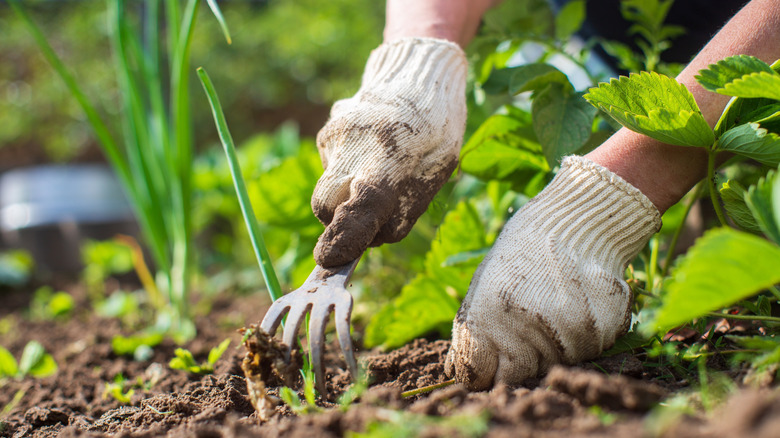
Credit: www.housedigest.com
Common Garden Weeds
Weeds are unwanted plants that grow in gardens. They can take nutrients and space from your flowers and vegetables.
Knowing common weeds helps you remove them quickly and keep your garden healthy.
Types Of Weeds In Gardens
Many kinds of weeds appear in gardens. Some are easy to spot, while others blend in with your plants.
- Dandelions: Yellow flowers with deep roots
- Crabgrass: Fast-growing grass with wide leaves
- Bindweed: Vine-like weed that wraps around plants
- Chickweed: Small leaves and white flowers
- Clover: Low-growing with round leaves and small flowers
Each weed grows differently and needs different ways to remove it.
Why Weeds Grow Rapidly
Weeds grow fast because they adapt well to many conditions. They use water, light, and nutrients quickly.
Weeds spread by seeds and roots, making them hard to control.
- Weeds have strong roots to find water
- They produce many seeds that spread easily
- Weeds grow in poor soil where other plants struggle
- They grow quickly to block sunlight from other plants
:strip_icc()/bhg-spraying-apple-cider-vinegar-on-plants-EtgW8Goo4xpBDLthC9L0VS-96a62a2a710e4fcba31b6127f69d9dc6.jpg)
Credit: www.bhg.com
Preventing Weed Growth
Weeds can take over your garden if you do not stop them early. Preventing weed growth keeps your plants healthy and soil rich.
Use simple methods like mulching, proper watering, and ground covers. These help block weeds from growing.
Mulching Techniques
Mulch covers the soil and stops weed seeds from getting sunlight. It also keeps the soil moist and cool.
- Use organic mulch like wood chips, straw, or leaves.
- Apply a 2-3 inch layer around plants and garden beds.
- Replace mulch every year to keep it effective.
- Avoid piling mulch against plant stems to prevent rot.
Proper Watering Practices
Water only the plants you want to grow. This stops weeds from getting water and growing fast.
| Watering Method | Benefit |
| Drip irrigation | Delivers water directly to plant roots |
| Soaker hoses | Reduces water on weed seeds |
| Water early morning | Limits weed growth and evaporation |
Using Ground Covers
Ground covers are low plants that spread quickly. They fill empty spaces and stop weeds from growing.
Here are some good ground cover plants for your garden:
- Creeping thyme
- Ajuga (bugleweed)
- Sweet woodruff
- Vinca minor (periwinkle)
Manual Weed Removal
Removing weeds by hand is a simple way to keep your garden neat. It helps protect your plants and soil.
Manual weed removal takes time but works well for small gardens. It stops weeds from spreading quickly.
Tools For Easy Weeding
Using the right tools makes weeding easier and faster. Tools help remove roots without hurting nearby plants.
- Hand trowel: good for digging out deep roots
- Weeding fork: loosens soil around roots
- Hoe: cuts weeds just below the surface
- Gloves: protect your hands from dirt and sharp weeds
- Kneeling pad: makes weeding more comfortable
Best Time To Pull Weeds
Pull weeds when the soil is moist. Wet soil makes it easier to remove roots completely.
Early morning or after rain is best. Weeds are softer and easier to pull at these times.
- Pull weeds before they flower or seed
- Remove young weeds for better control
- Check your garden regularly for new weeds
Safe Disposal Methods
Dispose of weeds safely to stop them from growing back. Avoid leaving them on the soil surface.
Do not compost weeds with seeds or roots. Use trash bags or burn them if allowed in your area.
- Bag weeds and throw them in the trash
- Burn weeds if local rules allow
- Use a weed bin for garden waste
- Do not dump weeds in natural areas
Natural Weed Killers
Weeds can take over your garden quickly. Using natural weed killers helps protect your plants and the environment.
These methods use common household items or simple mixtures. They are safe and easy to apply in your garden.
Vinegar Solutions
Vinegar is a popular natural weed killer. It works by drying out the leaves of weeds and killing them.
Use vinegar with at least 5% acetic acid for best results. Spray it directly on the weeds on a sunny day.
- Avoid spraying on plants you want to keep.
- Repeat treatment if weeds grow back.
- Use gloves to protect your skin.
Boiling Water Method
Pouring boiling water on weeds kills them by cooking their roots. This method works well on driveways and paths.
Be careful to pour only on weeds. Boiling water can harm nearby plants and soil life.
- Boil water safely in a kettle or pot.
- Pour slowly to soak the weed roots.
- Use on small weed patches for best effect.
Homemade Herbicidal Mixtures
You can mix your own weed killer using natural ingredients. These mixtures are safe and easy to make at home.
Common ingredients include vinegar, salt, and dish soap. Salt helps dry out weeds, and soap helps the solution stick to leaves.
- Mix 1 gallon vinegar, 1 cup salt, and 1 tablespoon dish soap.
- Stir until salt dissolves completely.
- Spray on weeds during dry weather for best results.
Chemical Weed Control
Weeds can ruin your garden by taking nutrients and space. Chemical weed control uses herbicides to kill weeds fast.
Using chemicals carefully keeps your garden healthy and weed-free.
Choosing The Right Herbicide
Pick an herbicide that works well for your weeds. Some kill only broadleaf weeds, others kill grasses.
Read the label to see which plants the herbicide affects. Some are safe for lawns, others for flower beds.
- Use selective herbicides for specific weed types
- Choose non-selective herbicides for all weeds
- Check if the herbicide is pre-emergent or post-emergent
Safe Application Tips
Apply herbicides on calm days to avoid drift to other plants. Wear gloves and protective clothes during use.
Follow the instructions for mixing and applying. Use only the amount needed to avoid harming your garden.
- Do not spray near water sources
- Keep children and pets away during and after application
- Store herbicides in a safe place
Protecting Your Plants
Cover or move nearby plants before spraying herbicides. This stops accidental damage from the chemicals.
Use a shielded sprayer or spot-treat weeds to protect your garden plants. Avoid spraying on windy days.
- Place barriers to block spray drift
- Apply herbicide directly to weeds only
- Water plants after the herbicide dries to reduce damage
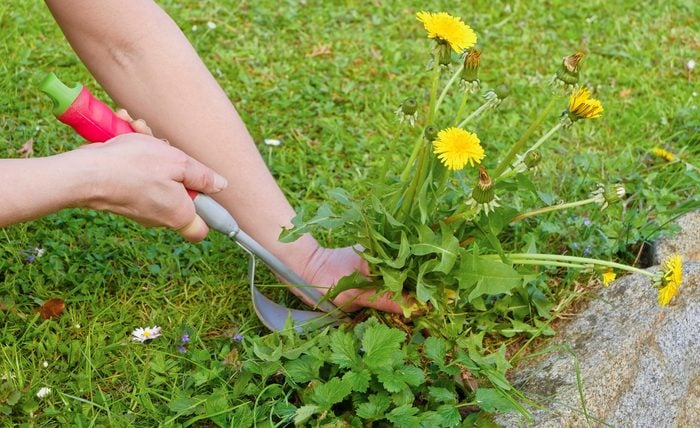
Credit: www.familyhandyman.com
Maintaining A Weed-free Garden
Weeds can take nutrients and space away from your plants. Keeping your garden free of weeds helps your plants grow strong and healthy.
Regular care and smart gardening habits reduce weed growth. This guide shares simple ways to keep weeds under control.
Regular Garden Monitoring
Check your garden often for new weeds. Pulling weeds early stops them from spreading seeds and growing deeper roots.
Look closely around your plants and in empty soil spaces. Regular weeding makes your garden cleaner and easier to manage.
Soil Health And Fertilization
Healthy soil helps your plants grow better and outcompete weeds. Add compost or natural fertilizers to improve soil quality.
Good soil drains well and holds nutrients. This creates a strong base for your plants and makes it harder for weeds to take hold.
Crop Rotation Benefits
Changing the plants you grow each season reduces weeds that like certain crops. Crop rotation breaks the weed life cycle.
It also keeps the soil healthy by balancing nutrients. Rotating crops helps your garden stay strong and less crowded with weeds.
Frequently Asked Questions
What Are Effective Ways To Remove Garden Weeds?
Manual removal, mulching, and using natural herbicides are effective ways. Regularly pulling weeds can prevent them from spreading. Mulching helps suppress weed growth by blocking sunlight. Natural herbicides, like vinegar, can kill weeds without harming the environment.
Can Vinegar Kill Weeds In My Garden?
Yes, vinegar can effectively kill weeds due to its acetic acid content. Spray directly on the weeds for best results. Use on a sunny day for enhanced effectiveness. Avoid spraying on desired plants as it can harm them too.
How Often Should I Weed My Garden?
Weeding should be done every two weeks to maintain a healthy garden. Regular weeding prevents weeds from establishing deep roots. Consistency helps in managing weed growth effectively. Monitor your garden and increase frequency during peak growing seasons.
What Tools Help In Garden Weed Removal?
Garden hoes, hand trowels, and weed pullers are effective tools. A garden hoe is great for larger areas. Hand trowels are ideal for precise removal. Weed pullers help extract weeds from the root, ensuring they don’t grow back.
Conclusion
Keeping your garden weed-free takes regular care and patience. Pull weeds early before they spread seeds. Use mulch to block weed growth and keep soil moist. Water plants carefully to avoid helping weeds. Try natural weed killers to protect your garden’s health.
Remember, small steps every day make a big difference. Enjoy a clean, healthy garden with little effort. Your plants will thank you for it!