
Planning a garden is an exciting venture that can transform any space into a vibrant oasis. Have you ever imagined walking out your door and into your own personal sanctuary, filled with lush greenery and blooming flowers?
You might think it’s a daunting task, but with the right guidance, it’s simpler than you believe. This guide is crafted to lead you step-by-step in creating the garden of your dreams. Imagine the sense of accomplishment and the joy of having a space that reflects your style and nurtures your well-being.
Curious to discover how you can turn a patch of land into a beautiful garden? Let’s dig in and see how you can cultivate your perfect retreat, starting today.
Choosing The Right Location
Planning a garden starts with picking the best spot. The right location helps plants grow strong and healthy.
Look at sunlight, soil, and water access before you begin. These factors affect your garden’s success.
Assessing Sunlight And Shade
Most garden plants need at least six hours of sunlight daily. Watch your space throughout the day to see how the light moves.
- Choose spots with full sun for vegetables and flowers.
- Use shaded areas for plants that need less light.
- Note any trees or buildings that block sunlight.
Soil Quality And Preparation
Good soil feeds your plants. Test the soil to check for nutrients and pH levels. Prepare it by removing weeds and adding compost.
| Soil Type | Characteristics | Best for |
| Clay | Heavy, holds water | Vegetables needing moisture |
| Sandy | Drains quickly, dry | Root crops like carrots |
| Loamy | Balanced texture | Most garden plants |
Considering Water Access
Your garden needs regular watering. Pick a location close to a water source. This saves time and effort.
Watering tips:
- Use drip irrigation to save water.
- Water early morning or late evening.
- Check soil moisture before watering.
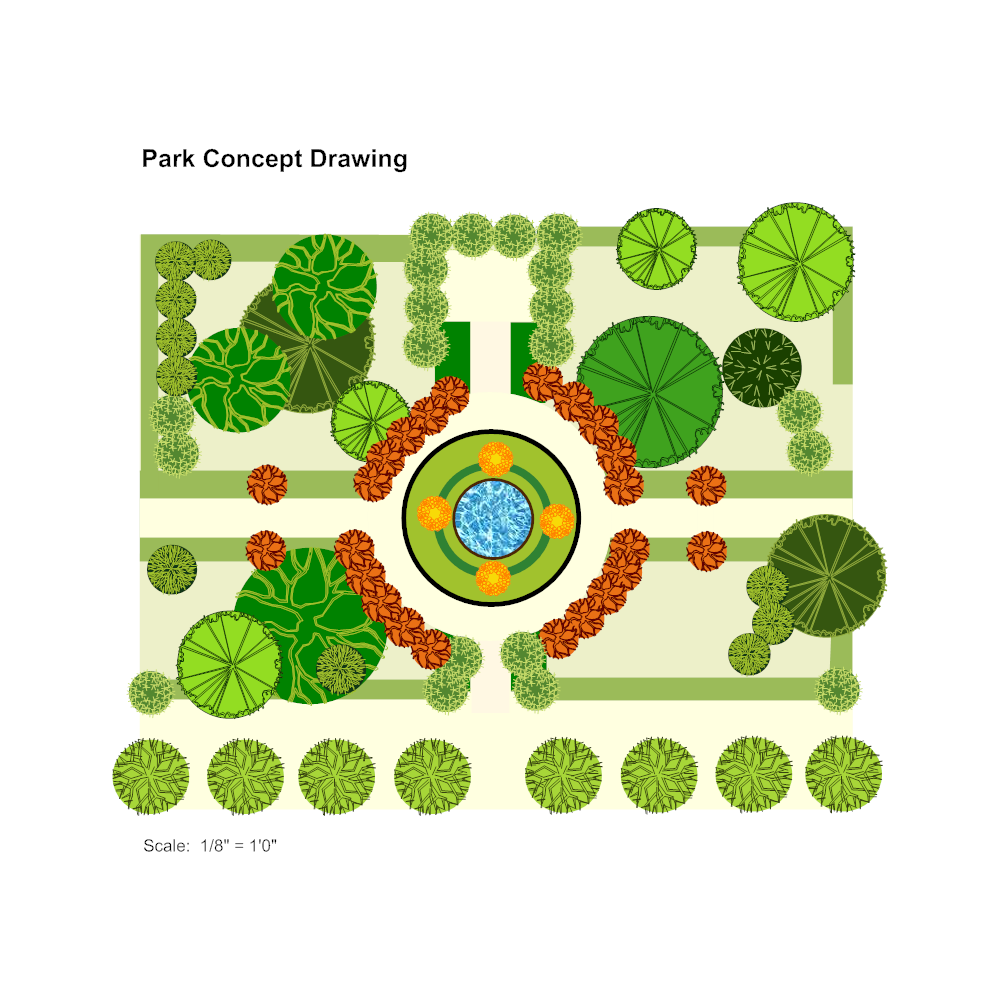
Credit: www.smartdraw.com
Selecting Plants
Selecting the right plants is key to a successful garden. Consider your environment and what plants grow best there.
Knowing about plants helps you pick flowers, vegetables, and herbs that will thrive in your space.
Matching Plants To Climate
Choose plants suited to your climate zone. Some plants need warm weather, while others prefer cooler areas.
- Check your local hardiness zone
- Pick plants that tolerate your area’s temperature and rainfall
- Avoid plants prone to disease in your climate
- Consider soil type and sunlight levels
Choosing Flowers, Vegetables, And Herbs
Decide what you want to grow based on use and space. Flowers add beauty, vegetables feed your family, and herbs flavor meals.
| Plant Type | Examples | Care Tips |
| Flowers | Marigolds, Petunias, Daisies | Water regularly, full sun |
| Vegetables | Tomatoes, Carrots, Lettuce | Rich soil, consistent moisture |
| Herbs | Basil, Mint, Rosemary | Well-drained soil, partial sun |
Planning For Seasonal Changes
Think about how plants grow in different seasons. Plan your garden to have blooms and harvests all year.
- Spring: Plant cool-season vegetables and early flowers.
- Summer: Grow warm-season crops and sun-loving plants.
- Fall: Sow cover crops and late-harvest vegetables.
- Winter: Protect sensitive plants and prepare soil.
Designing Your Garden Layout
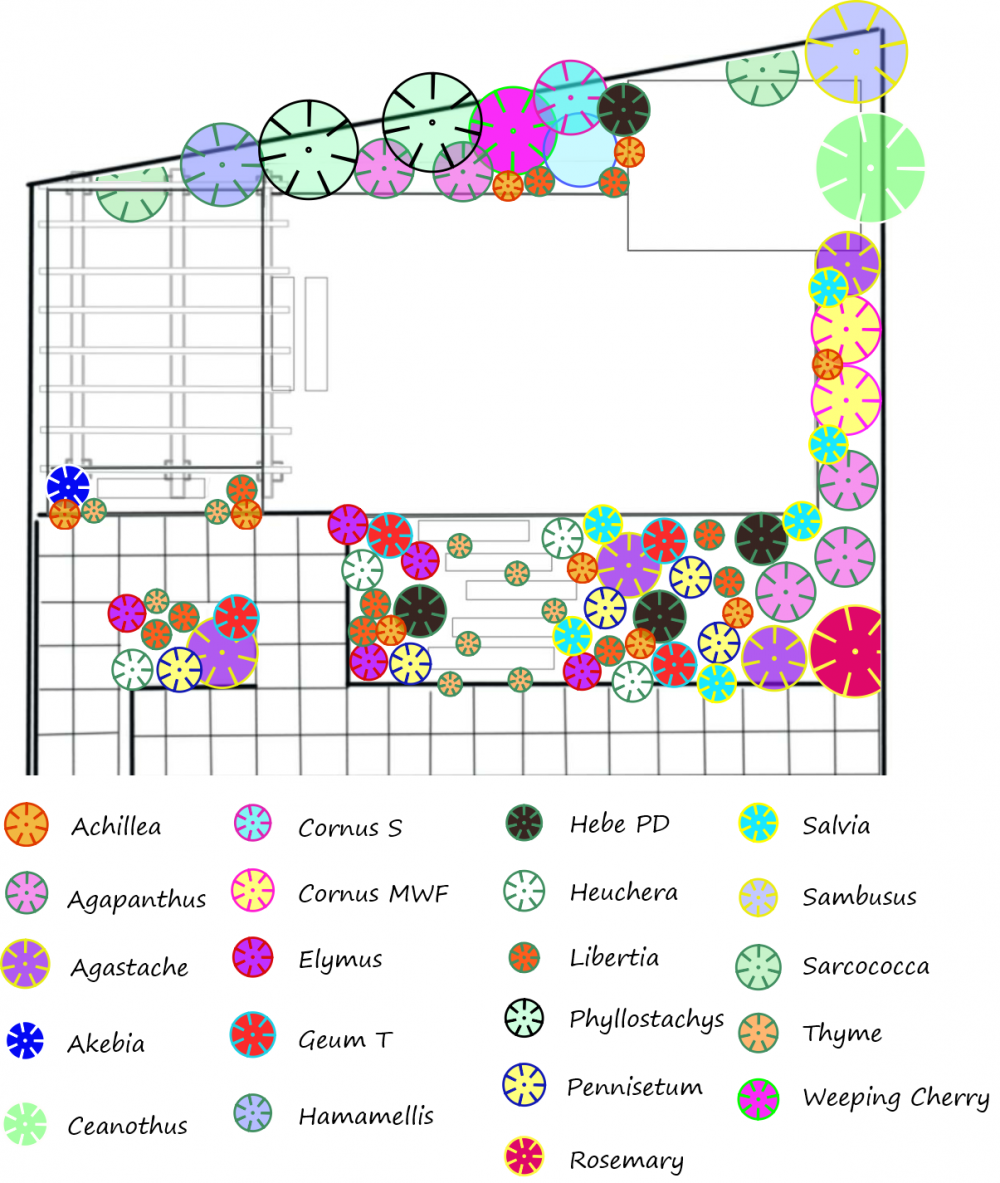
Planning your garden layout helps you create a space that looks good and works well. A good design organizes plants and paths clearly.
Think about how you want to use your garden. This will guide your choices for paths, beds, and plant placement.
Creating Pathways And Borders
Paths let you move through the garden without stepping on plants. Borders separate different garden areas and add shape.
- Choose materials like gravel, stone, or wood for paths
- Make paths wide enough for easy walking
- Use low plants or edging to define borders
- Keep borders neat to stop grass or weeds from spreading
Incorporating Raised Beds And Containers
Raised beds and containers give more control over soil and space. They are good for small or uneven gardens.
| Type | Benefits | Best For |
| Raised Beds | Better drainage, easy to reach | Vegetables, herbs |
| Containers | Portable, space-saving | Flowers, small plants |
| Mix of Both | Flexible design | Mixed planting areas |
Balancing Aesthetics And Functionality
Your garden should be beautiful and easy to use. Think about colors, shapes, and plant needs.
- Match plant colors for a pleasant look
- Place tall plants where they don’t block sunlight
- Keep paths clear for walking and working
- Use garden furniture that fits your space

Credit: perricogardens.com
Planting Techniques
Good planting techniques help your garden grow strong and healthy. Understanding how to start seeds, space plants, and care for them is key.
This guide covers seed starting and transplanting, spacing and depth tips, plus mulching and watering methods.
Seed Starting And Transplanting
Start seeds indoors in small containers with good soil. Keep the soil moist and warm until seeds sprout. Transplant seedlings outdoors after they grow strong leaves.
- Use clean seed trays or pots
- Plant seeds at the right depth on the packet
- Keep seedlings in a bright spot
- Harden off seedlings before transplanting outside
Spacing And Depth Tips
| Plant Type | Spacing Between Plants | Planting Depth |
| Carrots | 2-3 inches | 0.5 inches |
| Tomatoes | 18-24 inches | 1-2 inches |
| Lettuce | 6-12 inches | 0.25 inches |
| Beans | 3-6 inches | 1-1.5 inches |
Planting seeds at the correct depth and spacing plants well helps them get enough air and nutrients.
Mulching And Watering Methods
Mulch keeps soil moist and stops weeds from growing. Water your garden early in the day to reduce evaporation.
Follow these tips for watering and mulching:
- Use organic mulch like straw or wood chips
- Apply mulch 2-3 inches thick around plants
- Water deeply and less often for strong roots
- Check soil moisture before watering again
Garden Maintenance
Taking care of your garden keeps plants healthy and beautiful. Regular maintenance helps plants grow strong.
Good garden care includes pruning, pest control, and soil care. Each task supports plant health in different ways.
Pruning And Deadheading
Pruning removes dead or overgrown branches. It helps plants grow well and look neat.
Deadheading means cutting off old flowers. This encourages new blooms and keeps the garden tidy.
- Cut branches at a 45-degree angle
- Use clean, sharp tools
- Remove faded flowers regularly
- Trim to shape plants as needed
Pest And Disease Control
Watch plants for signs of pests or diseases. Early action stops problems from spreading.
Use natural methods like hand-picking insects or spraying water. Avoid strong chemicals that can harm plants.
- Inspect leaves for spots or holes
- Remove affected leaves or stems
- Encourage beneficial insects like ladybugs
- Keep garden clean to reduce pests
Fertilizing And Soil Care
Fertilize plants to give them nutrients they need. Healthy soil supports strong roots and growth.
Test soil to check its quality. Add compost or organic matter to improve soil health.
- Use balanced fertilizers for most plants
- Apply compost once or twice a year
- Water soil well after fertilizing
- Mulch to keep soil moist and cool
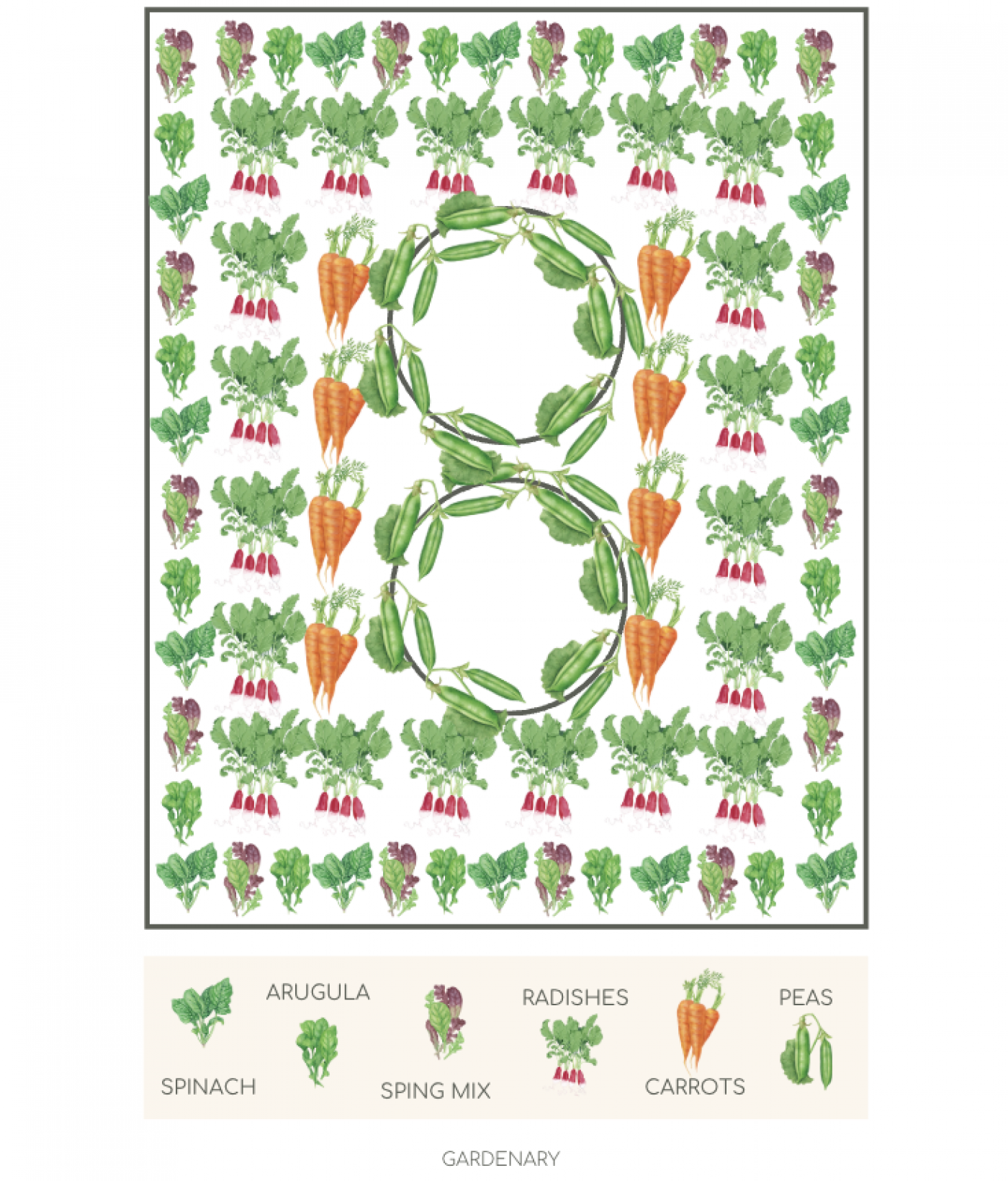
Credit: www.gardenary.com
Sustainable Gardening Practices
Planning a garden with care helps protect the earth. Sustainable gardening uses natural ways to grow plants.
These practices save water, reduce waste, and support wildlife. They keep your garden healthy and green.
Composting And Recycling
Composting turns kitchen scraps and yard waste into rich soil. This reduces trash and adds nutrients to your garden.
Recycling old containers and tools helps reduce waste. Use broken pots for drainage or make plant markers from sticks.
- Collect vegetable peels and leaves for compost
- Turn compost regularly to speed decomposition
- Reuse containers to plant seeds
- Recycle plastic and metal items safely
Water Conservation Strategies
Saving water keeps your garden healthy and lowers bills. Use water smartly to help plants grow strong.
Water early in the morning or late in the evening to reduce evaporation. Use rain barrels to collect water for your plants.
- Water plants deeply but less often
- Use mulch to keep soil moist
- Choose drought-tolerant plants
- Collect rainwater for irrigation
Encouraging Wildlife And Pollinators
Birds, bees, and butterflies help your garden grow by pollinating flowers and controlling pests. Make your garden friendly to them.
Plant flowers that bloom at different times to give food all year. Avoid using harmful chemicals that can hurt wildlife.
- Grow native flowers and shrubs
- Provide water sources like birdbaths
- Leave some areas wild for shelter
- Use natural pest control methods
Tools And Resources
Planning a garden needs the right tools and resources. These help you prepare the soil, plant seeds, and care for your garden.
Using the right tools and guides makes gardening easier. It also helps your plants grow healthy and strong.
Essential Gardening Tools
Good gardening tools make your work faster and better. Basic tools are needed for planting, watering, and soil care.
- Garden trowel for digging small holes
- Hand fork to loosen soil and remove weeds
- Pruning shears to trim plants and flowers
- Watering can or hose for watering plants
- Gloves to protect your hands
- Garden rake for leveling and cleaning soil
Helpful Apps And Books
Apps and books give useful tips and advice for your garden. They help you track plant growth and remind you of tasks.
Books often explain how to grow different plants. Apps can send notifications to help you water or fertilize on time.
- Plant care apps for reminders and tips
- Garden planner apps to design your garden layout
- Books on vegetable and flower gardening
- Guides for pest control and soil health
Joining Gardening Communities
Gardening communities connect you with other gardeners. You can share experiences, ask questions, and learn new ideas.
Being part of a group helps you stay motivated. You can also exchange seeds and plants with others.
- Local gardening clubs and groups
- Online forums and social media gardening pages
- Community garden projects
- Workshops and gardening events
Frequently Asked Questions
How Do I Start Planning A Garden Layout?
Begin by assessing your garden space and sunlight exposure. Sketch a layout considering plant sizes and growth habits. Plan pathways and zones for different plants. This helps maximize space and ensures healthy growth for all plants.
What Plants Are Best For Beginner Gardeners?
Choose hardy, low-maintenance plants like herbs, succulents, or native flowers. These plants require less care and adapt well. They help beginners learn gardening basics without overwhelming effort or complex care routines.
How Much Sunlight Does A Garden Need?
Most gardens need 6-8 hours of sunlight daily. Some plants thrive in partial shade, while others require full sun. Understanding your garden’s sunlight helps you choose suitable plants for optimal growth.
How Often Should I Water My Garden Plants?
Water deeply but less frequently to encourage strong roots. Generally, watering 2-3 times a week is sufficient, depending on climate and soil type. Adjust watering based on weather and plant needs to avoid overwatering.
Conclusion
Planning a garden takes time and some simple steps. Start by choosing the right spot with enough sunlight. Think about the types of plants you want to grow. Prepare the soil well to help plants grow strong. Keep track of watering and care routines.
A well-planned garden brings joy and fresh produce. Enjoy watching your plants grow day by day. Gardening is a fun way to connect with nature. Small efforts lead to a beautiful, thriving garden. Keep learning and adjusting as your garden grows.